
In the intricate landscape of personal finance, few metrics hold as much weight and potential impact as the Annual Percentage Rate (APR). More than just a number, APR represents the true, annualized cost of borrowing money or, conversely, the return on certain savings products, encompassing not only the interest rate but also any additional fees or charges. Understanding what today’s APRs signify across various financial products – from mortgages and credit cards to personal and auto loans – is paramount for anyone looking to borrow responsibly, save intelligently, or simply make informed financial decisions.
The question, “What is the APR today?” isn’t a simple query with a single answer. It’s a dynamic question, reflecting the ever-changing economic climate, the policies of central banks, and the individual circumstances of borrowers. This comprehensive guide aims to demystify APR, explore the forces that shape its current levels, and provide actionable insights for navigating the financial markets effectively.
Understanding APR: Beyond the Basic Interest Rate
To truly grasp the significance of today’s APRs, it’s essential to first establish a clear understanding of what APR entails and how it differs from a simple interest rate. This foundational knowledge empowers consumers to make more astute financial choices.
Defining Annual Percentage Rate (APR)
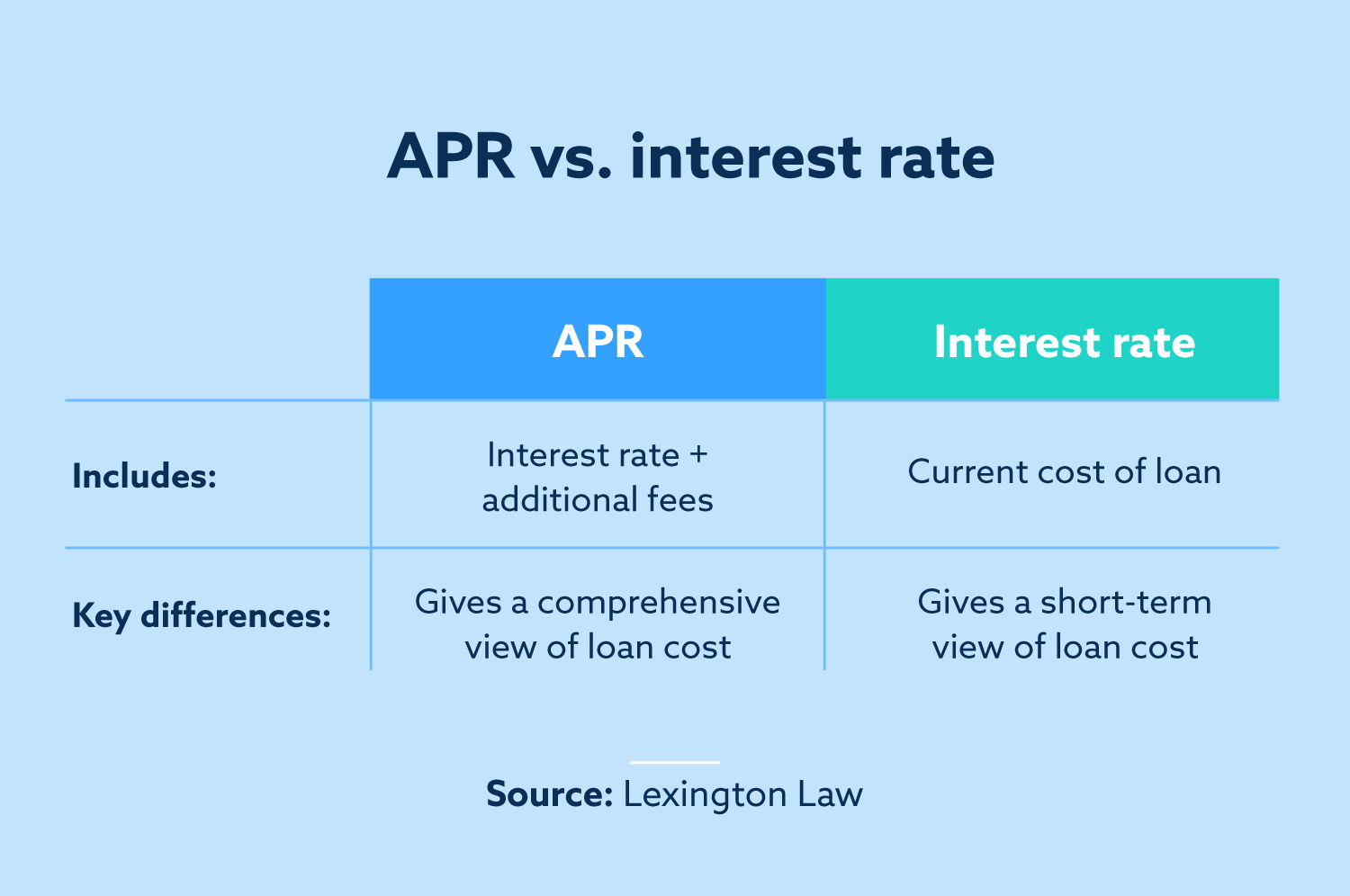
The Annual Percentage Rate (APR) is a standardized way of expressing the annual cost of borrowing money. It’s designed to give consumers a more comprehensive picture of the total cost of a loan than just the nominal interest rate. APR includes the interest rate charged by the lender, plus any additional fees, such as origination fees, closing costs, or mortgage insurance premiums (for some loans). This aggregation allows for a more “apples-to-apples” comparison of different loan products from various lenders. For credit cards, APR reflects the interest rate applied to outstanding balances, often expressed as a variable rate tied to an index.
The Difference Between Interest Rate and APR
While often used interchangeably by the uninitiated, the interest rate and APR are distinct concepts. The interest rate is simply the percentage charged by the lender on the principal loan amount, typically expressed annually. It represents the cost of borrowing the principal sum. The APR, however, builds upon this. It takes that interest rate and layers on other costs associated with the loan, converting them into an annual percentage.
For example, a loan might have a 5% interest rate, but if it comes with significant upfront fees, its APR could be 5.5% or higher. For consumers, the APR is generally a more accurate and useful measure of the total cost of borrowing, as it reveals the overall financial commitment required over the life of the loan. Ignoring the difference can lead to underestimating the true expense of a financial product.
Why APR Matters: Unpacking the True Cost of Borrowing
The importance of APR cannot be overstated. It’s the metric that truly unveils the full financial burden of a loan. A seemingly low interest rate might conceal high fees that drive up the APR, making a different loan with a slightly higher interest rate but no fees potentially cheaper in the long run.
For consumers, focusing on the APR allows for:
-
Direct Comparison: It simplifies the process of comparing different loan offers, providing a single, standardized figure to evaluate the cost.
-
Transparency: It forces lenders to disclose the full cost of borrowing, including hidden fees that might otherwise go unnoticed.
-
Budgeting Accuracy: Knowing the true annual cost helps in accurately forecasting monthly payments and overall financial planning, preventing unexpected expenses.
In essence, APR acts as a crucial magnifying glass, revealing the comprehensive financial commitment associated with any form of credit.
Factors Influencing Today’s APRs
The current APRs you encounter in the market are not arbitrary figures. They are the product of a complex interplay of macroeconomic forces, central bank policies, and individual borrower characteristics. Understanding these influences is key to deciphering “what is the APR today” for your specific situation.
The Federal Reserve’s Role: The Federal Funds Rate
Perhaps the most significant overarching factor influencing APRs in the U.S. is the monetary policy set by the Federal Reserve, specifically its target for the federal funds rate. This is the rate at which banks lend reserves to each other overnight. While not directly an APR itself, changes to the federal funds rate cascade through the financial system, influencing the prime rate, which many variable APRs (like those on credit cards and some adjustable-rate mortgages) are tied to. When the Fed raises rates to combat inflation, borrowing costs generally increase across the board; conversely, rate cuts can lead to lower APRs.
Economic Indicators: Inflation, Employment, and GDP
Beyond the Fed’s direct actions, broader economic health plays a pivotal role.
-
Inflation: High inflation often prompts the Fed to raise rates, leading to higher APRs, as lenders seek to maintain their purchasing power.
-
Employment: A strong job market signals economic growth and stability, which can sometimes allow for more competitive lending rates, though strong demand might also increase inflationary pressures.
-
Gross Domestic Product (GDP): A robust GDP indicates a growing economy, influencing consumer confidence and lending activity, indirectly affecting APRs. Lenders adjust their risk assessment and pricing based on these macro trends.
Lender-Specific Criteria: Credit Scores and Debt-to-Income Ratio
While macro factors set the baseline, individual borrower characteristics determine the specific APR offered.
-
Credit Scores: A higher credit score (e.g., FICO or VantageScore) signifies a lower perceived risk to lenders. Borrowers with excellent credit histories consistently qualify for the lowest APRs, while those with poor credit will face significantly higher rates to compensate lenders for the increased risk of default.
-
Debt-to-Income (DTI) Ratio: This ratio compares your total monthly debt payments to your gross monthly income. A lower DTI indicates you have more disposable income to cover new debts, making you a more attractive borrower and potentially qualifying you for better APRs.
Loan Product Type: Mortgages, Credit Cards, Personal Loans, Auto Loans
Different financial products inherently carry different risk profiles and structures, leading to variations in their average APRs.
-
Mortgages: Often have the lowest APRs due to being secured by a valuable asset (the home) and long repayment terms.
-
Auto Loans: Generally have higher APRs than mortgages but lower than unsecured personal loans, as the car serves as collateral.
-
Personal Loans: APRs can vary widely based on creditworthiness, as these are often unsecured.
-
Credit Cards: Typically feature the highest APRs because they are unsecured, revolving lines of credit with flexible repayment options, posing a higher risk to lenders.
Navigating Current APR Trends Across Different Financial Products
The “what is the APR today” query is best answered by segmenting the financial market into its core product offerings. Current economic conditions, interest rate policies, and competitive landscapes dictate unique trends for each.

Mortgage APRs: Fixed vs. Adjustable Rates in Today’s Market
For prospective homeowners and those looking to refinance, mortgage APRs are a critical consideration. Today’s market might see:
-
Fixed-Rate Mortgages (FRMs): These offer a consistent interest rate and APR for the life of the loan, providing predictability. Their current levels are highly sensitive to long-term bond yields and the Fed’s long-term outlook.
-
Adjustable-Rate Mortgages (ARMs): These typically start with a lower introductory APR for a set period (e.g., 5 or 7 years), after which the rate adjusts periodically based on an index plus a margin. ARMs become more attractive when fixed rates are high, but they carry the risk of future payment increases. Current trends will show how attractive the initial ARM rates are compared to fixed rates, reflecting expectations for future interest rate movements.
Credit Card APRs: Understanding Variable Rates and Promotional Offers
Credit card APRs are predominantly variable, meaning they fluctuate in tandem with the prime rate, which is directly influenced by the federal funds rate.
-
Standard Variable APRs: These are the default rates applied to balances carried month-to-month and tend to move up or down shortly after the Fed adjusts its policy rate. Today’s credit card APRs reflect recent monetary policy actions.
-
Promotional 0% APR Offers: Many cards offer introductory periods of 0% APR on purchases or balance transfers. While enticing, it’s crucial to understand what the go-to rate will be after the promotional period expires, as these can be significantly higher than other loan products.
Personal Loan and Auto Loan APRs: Assessing Risk and Repayment Terms
-
Personal Loan APRs: These can range dramatically based on credit score, loan term, and whether the loan is secured or unsecured. Today, highly qualified borrowers might find competitive rates, but those with less-than-perfect credit will face much higher APRs due to the unsecured nature of most personal loans.
-
Auto Loan APRs: Similarly, auto loan APRs depend on creditworthiness, the loan term, and the vehicle itself. New car loans generally have lower APRs than used car loans. Current trends will reflect the demand for vehicles and the overall lending environment. Dealers often offer promotional rates that can be highly competitive, but always compare with direct lenders.
Savings and CD APRs: What Borrowers and Savers Can Expect
While “APR” is typically associated with borrowing, a similar concept applies to savings accounts and Certificates of Deposit (CDs), often expressed as Annual Percentage Yield (APY). While not APR, understanding today’s APYs on savings helps complete the financial picture. When borrowing APRs are higher, it generally means that savings APYs are also more attractive, offering better returns for depositors. This dynamic impacts decisions for both borrowers (higher cost of debt) and savers (higher returns on deposits).
Strategies for Securing Favorable APRs
Given the impact of APR on your financial health, actively working to secure the best possible rates is a shrewd financial move. This involves a combination of personal financial management and smart shopping.
Improving Your Creditworthiness
The most direct path to lower APRs across nearly all loan products is to enhance your credit score.
-
Pay Bills on Time: Payment history is the most significant factor in your credit score.
-
Reduce Debt: Lowering your credit utilization ratio (the amount of credit you’re using vs. your total available credit) can quickly boost your score.
-
Maintain a Mix of Credit: Showing you can responsibly manage different types of credit (e.g., installment loans and revolving credit) can be beneficial.
-
Review Your Credit Report: Regularly check for errors and dispute any inaccuracies.
Shopping Around for the Best Rates
Never accept the first offer. APRs can vary significantly between lenders for the same product, even for borrowers with similar credit profiles.
-
Compare Multiple Lenders: Get quotes from banks, credit unions, online lenders, and even peer-to-peer lending platforms.
-
Utilize Pre-qualification Tools: Many lenders offer pre-qualification that allows you to see potential rates without a hard inquiry on your credit report, which can impact your score.
Understanding Loan Terms and Fees
The total cost of a loan isn’t just the APR; it’s also influenced by the loan term and any associated fees.
-
Loan Term: Shorter loan terms often come with lower APRs but higher monthly payments, while longer terms typically have higher total interest paid, even if the APR seems similar.
-
Hidden Fees: Always scrutinize the loan agreement for origination fees, application fees, prepayment penalties, or other charges that might not be fully baked into the advertised APR.
The Power of Negotiation
In some cases, especially for larger loans like mortgages or auto loans, there might be room to negotiate.
-
Use Competing Offers: If you have a better offer from another lender, use it as leverage to ask your preferred lender to match or beat it.
-
Ask for Rate Reductions: Don’t be afraid to simply ask for a better rate, especially if your credit profile has improved since your last loan.
The Future Outlook for APRs: What to Expect
Predicting the exact movement of APRs is challenging, but understanding the forces that drive them allows for informed preparation. The “what is the APR today” answer is a snapshot, and tomorrow’s picture may differ.
Anticipating Federal Reserve Policy Shifts
The Federal Reserve remains the primary arbiter of short-term interest rates. Future APR trends will largely hinge on the Fed’s response to ongoing economic data, particularly inflation and employment figures. If inflation remains stubbornly high, further rate hikes could push APRs up. Conversely, signs of economic slowdown or cooling inflation might lead to rate cuts, bringing APRs down. Staying informed about FOMC (Federal Open Market Committee) meetings and their statements is crucial.
Impact of Global Economic Events
Beyond domestic policy, global economic stability, geopolitical tensions, and supply chain dynamics can also influence interest rates and, by extension, APRs. For instance, global economic slowdowns could prompt central banks worldwide to ease monetary policy, indirectly affecting U.S. rates, or capital flight to safe havens could impact bond yields.

Preparing for Rate Fluctuations
For consumers, the most prudent approach is to prepare for potential fluctuations rather than trying to perfectly time the market.
-
Lock in Fixed Rates: If you anticipate rates rising, locking in a fixed-rate mortgage or personal loan can provide stability.
-
Pay Down Variable Rate Debt: Prioritize paying down high-APR credit card balances, as these are most susceptible to rate increases.
-
Build an Emergency Fund: A robust emergency fund provides a buffer against unexpected financial shocks, reducing the need to borrow at potentially higher rates.
-
Regularly Review Your Financial Products: Periodically reassess your existing loans and credit cards. If your credit has improved or market rates have dropped, consider refinancing or consolidating debt to secure a better APR.
In conclusion, “what is the APR today” is a question that requires a nuanced understanding of economic forces, individual credit profiles, and specific financial products. By staying informed, managing your credit responsibly, and actively shopping for the best terms, you can empower yourself to navigate the financial landscape effectively and ensure you’re always securing the most favorable APRs available.
aViewFromTheCave is a participant in the Amazon Services LLC Associates Program, an affiliate advertising program designed to provide a means for sites to earn advertising fees by advertising and linking to Amazon.com. Amazon, the Amazon logo, AmazonSupply, and the AmazonSupply logo are trademarks of Amazon.com, Inc. or its affiliates. As an Amazon Associate we earn affiliate commissions from qualifying purchases.