
The question “What is the Apple stock price today?” is far more than a simple query for a number; it’s a gateway into understanding the intricate dynamics of the financial markets, the heartbeat of a corporate titan, and the pulse of global economic sentiment. For investors, financial analysts, and even casual observers, Apple (AAPL) stock is a bellwether, a symbol of innovation, consumer loyalty, and robust financial performance. However, a single price point, while immediate, offers only a snapshot. To truly grasp its significance, one must delve into the mechanisms that drive its daily fluctuations, the fundamental strengths of the company, and the broader economic forces at play. This article will explore these facets, positioning Apple’s stock price within the comprehensive framework of investing and business finance, providing insights for those looking beyond just the number to the underlying value.
The Daily Pulse: Understanding Real-Time Stock Quotes for AAPL
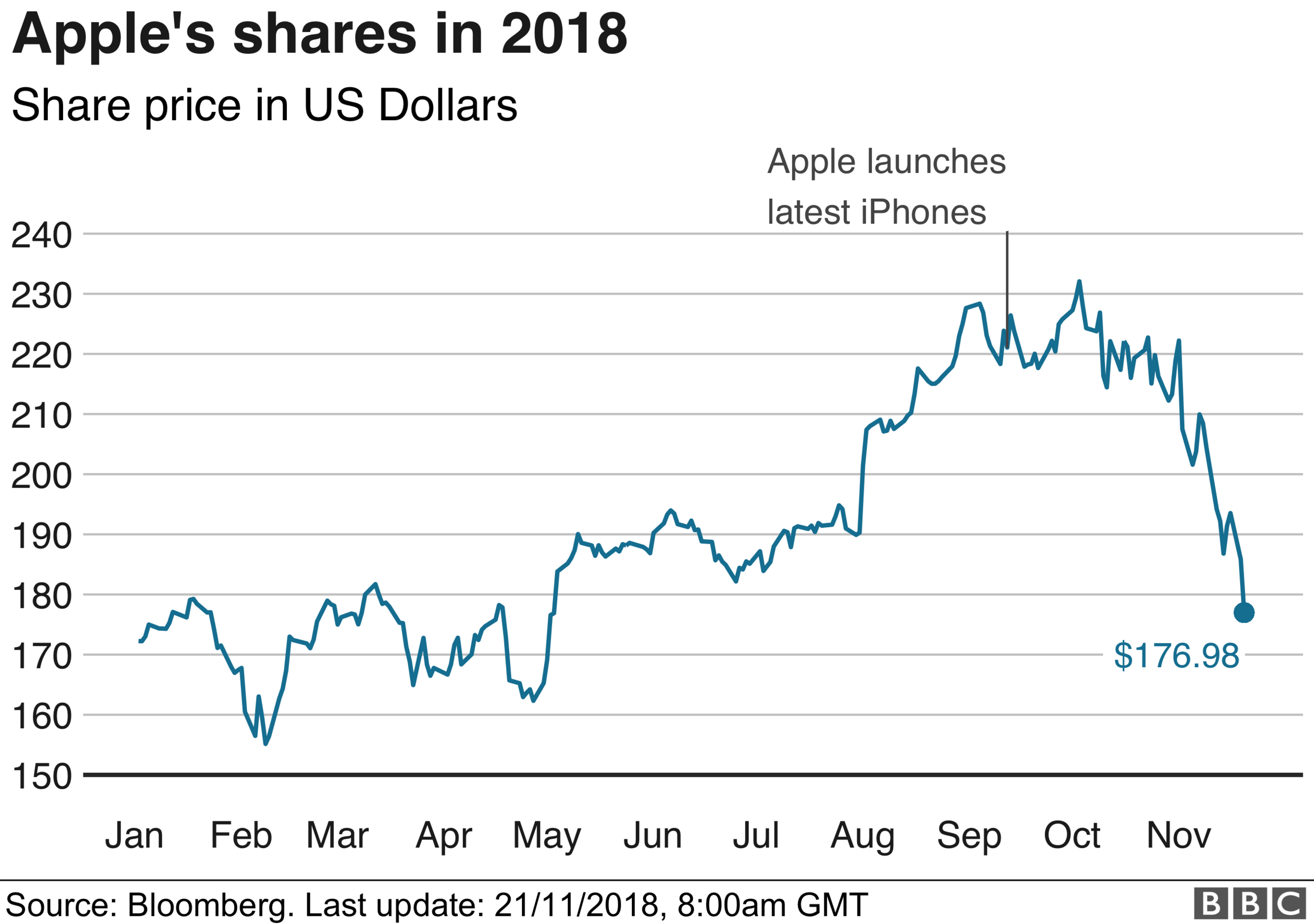
Understanding “what is the Apple stock price today” begins with knowing where to find this information and how to interpret the associated data points. A stock price is not merely a static figure; it’s a dynamic reflection of countless transactions occurring every second the market is open. For a company like Apple, with its massive market capitalization and global investor base, this daily pulse is particularly vibrant and telling.
Where to Find Apple’s Current Stock Price
Reliable financial platforms are the first stop for anyone seeking Apple’s real-time stock price. Major financial news websites like Bloomberg, Reuters, The Wall Street Journal, and reputable aggregators such as Yahoo Finance or Google Finance provide up-to-the-minute quotes. Furthermore, most online brokerage platforms offer sophisticated dashboards that display live prices along with a wealth of other crucial data points. When you look up AAPL, you’ll typically see:
-
Current Price: The last traded price.
-
Daily High/Low: The highest and lowest prices the stock has traded at during the current trading session.
-
Open: The price at which the stock began trading for the day.
-
Previous Close: The price at which the stock ended the previous trading session.
-
Volume: The total number of shares traded so far in the day, indicating liquidity and investor interest.
-
Market Capitalization: The total value of all outstanding shares, calculated by multiplying the current share price by the total number of shares outstanding. For Apple, this figure is typically in the trillions, making it one of the largest companies globally.
-
P/E Ratio (Price-to-Earnings Ratio): A valuation metric that compares the current share price to the company’s earnings per share, offering insight into how much investors are willing to pay for each dollar of earnings.
-
Dividend Yield: The annual dividend per share divided by the current share price, expressed as a percentage, indicating the return on investment from dividends.
Why the Price Fluctuates: Basic Market Mechanics
The moment-to-moment fluctuations in Apple’s stock price are governed by the fundamental principles of supply and demand. Every trade involves a buyer and a seller agreeing on a price. If there are more buyers than sellers at a particular price, the price tends to rise; conversely, if there are more sellers than buyers, the price tends to fall. This continuous interplay happens thousands of times per second across global exchanges.
The bid-ask spread is another critical component. The “bid” price is the highest price a buyer is willing to pay for a share, while the “ask” price is the lowest price a seller is willing to accept. The difference between these two is the spread, and trades occur when a buyer meets a seller’s asking price or a seller accepts a buyer’s bid. News, rumors, analyst upgrades/downgrades, and large institutional trades can all instantaneously shift this delicate balance, leading to the dynamic price movements observed throughout the trading day.
Beyond the Ticker: Decoding Other Vital Data Points
While the current price provides an immediate answer, truly informed investors scrutinize several other data points to gauge the health and sentiment surrounding Apple’s stock. The 52-week high/low offers a longer-term perspective, showing the stock’s trading range over the past year and helping to contextualize the current price. A stock trading near its 52-week high might suggest strong momentum, while one near its low could indicate potential distress or an undervalued opportunity.
Trading volume is another powerful indicator. High volume accompanying a price movement suggests conviction behind that movement. For example, a significant price increase on high volume is generally seen as more robust than a similar increase on low volume, which might indicate a less sustainable rally. Understanding these metrics moves beyond simply knowing “what is the Apple stock price today” to comprehending the underlying market sentiment and potential future trajectories.
Beyond Today: Factors Influencing Apple’s Stock Performance
The immediate stock price of Apple is merely the surface; its long-term trajectory and short-term volatility are shaped by a confluence of company-specific fundamentals and broader macroeconomic forces. Savvy investors analyze these factors meticulously to make informed decisions, understanding that Apple’s position as a market leader doesn’t immunize it from external pressures or internal challenges.
Company-Specific Fundamentals
At the core of Apple’s stock valuation are its financial health and operational performance. Quarterly and annual earnings reports are critical events, providing transparent insights into revenue, profit margins, earnings per share (EPS), and future guidance. Consistent revenue growth, expanding profit margins, and exceeding analyst expectations typically drive the stock price higher. Conversely, missing targets or issuing cautious guidance can lead to significant sell-offs. Apple’s ability to maintain high average selling prices (ASPs) for its products and grow its services revenue are particularly scrutinized.
Product launches and innovation are perennial catalysts for Apple’s stock. The success of new iPhone models, Mac updates, or ventures into new categories like the Vision Pro or enhanced AI capabilities, directly impacts investor sentiment and future revenue projections. Apple’s renowned ecosystem—the seamless integration of hardware, software, and services—fosters customer loyalty and creates powerful network effects, further reinforcing its competitive moat. However, reliance on a few blockbuster products, particularly the iPhone, also represents a concentration risk.
Management decisions and shareholder returns play a crucial role. Decisions regarding capital allocation, such as aggressive share buybacks or dividend increases, can signal confidence in future earnings and enhance shareholder value. Strategic mergers and acquisitions, leadership changes, or new market entries are also closely watched, as they can redefine Apple’s growth trajectory.
Finally, the competitive landscape significantly impacts Apple. While it holds dominant positions in many markets, fierce competition from Android manufacturers, Google, Microsoft, and emerging tech players necessitates continuous innovation and market adaptation. Antitrust concerns and regulatory scrutiny in various global markets also pose potential risks to Apple’s business model and profitability.
Broader Market and Economic Influences
Beyond its internal operations, Apple’s stock price is heavily influenced by macroeconomic trends. Factors such as inflation, interest rates, GDP growth, and consumer spending power directly affect Apple’s sales and profitability. High inflation can erode consumer purchasing power, while rising interest rates make borrowing more expensive for both consumers and businesses, potentially slowing demand for premium products.
The overall health of the technology sector acts as a powerful tide for individual tech stocks. During periods of tech boom, Apple often benefits from sector-wide optimism. Conversely, during tech corrections or bear markets, even robust companies like Apple can experience significant pullbacks due to broad-based investor reallocation away from growth stocks.
Geopolitical events and regulatory environments also cast long shadows. Trade wars, tariffs, global supply chain disruptions (as seen during the pandemic), and increased regulatory scrutiny from governments worldwide (especially concerning app store policies or market dominance) can introduce uncertainty and negatively impact operations and investor confidence. Political stability, international relations, and changes in intellectual property protection can all shift the global economic landscape in which Apple operates.
Lastly, investor sentiment and market psychology cannot be underestimated. Fear, greed, herd mentality, and speculative bubbles can sometimes drive stock prices away from fundamental valuations, creating volatility. Apple, as a highly visible and widely held stock, is particularly susceptible to these broader market emotions, making its price sometimes a reflection of collective optimism or pessimism rather than purely fundamental analysis.
Investing in Apple: Strategies and Considerations
Investing in Apple stock means aligning oneself with a company that has redefined industries and consistently delivered robust financial performance. However, like any investment, it requires a strategic approach grounded in personal financial goals and a clear understanding of the market. For those asking “what is the Apple stock price today,” the answer also dictates different investment strategies and considerations.
Growth vs. Value Investing with AAPL
Apple presents a unique case for both growth and value investors. Historically, Apple has been a quintessential growth stock, driven by revolutionary product cycles and market expansion. Growth investors are drawn to its continued innovation in areas like AI, AR/VR, and health tech, as well as its strong growth in the services segment. They look for companies with above-average revenue and earnings growth, even if the valuation metrics (like P/E ratio) are higher than market averages.
However, given its maturity, massive free cash flow generation, and consistent profitability, Apple has also attracted value investors. Value investors seek companies that trade below their intrinsic value, often characterized by strong balance sheets, consistent earnings, and reasonable valuation multiples. Apple’s consistent profitability, brand strength, and ability to generate massive amounts of cash make it appealing to those looking for a stable, high-quality company that still offers upside potential, even if its hyper-growth days might be tempered compared to smaller, nascent tech firms.
Dividend Income and Share Buybacks
Apple has a history of returning capital to shareholders through both dividends and aggressive share buybacks. While its dividend yield may not be as high as some traditional income stocks, it offers a consistent and growing income stream, appealing to income-focused investors, especially those in retirement. The company’s substantial free cash flow allows it to periodically increase its dividend, providing a steady return on investment.
Even more significant has been Apple’s share repurchase program. By buying back its own shares, Apple reduces the number of outstanding shares, which in turn boosts earnings per share (EPS) and often supports the stock price. This strategy demonstrates management’s confidence in the company’s future and is a significant driver of long-term shareholder value. Investors analyzing AAPL often consider the total shareholder return—the combination of share price appreciation, dividends, and the impact of buybacks—rather than just capital gains.
Diversification and Portfolio Management
Even a powerhouse like Apple, with its strong fundamentals and market leadership, should be considered as one component within a diversified investment portfolio. Concentrating too much capital into a single stock, no matter how strong, exposes an investor to undue risk. If Apple faces unforeseen challenges (e.g., a major product flop, regulatory crackdown, or a severe supply chain disruption), a heavily concentrated portfolio would be disproportionately affected.
Effective portfolio management dictates spreading investments across different asset classes (stocks, bonds, real estate), industries, and geographies. This approach helps mitigate risk and potentially enhances long-term returns. For investors already holding a significant allocation to large-cap technology stocks, adding more Apple might increase concentration risk rather than diversification. Understanding your risk tolerance and investment horizon is paramount in deciding an appropriate allocation to Apple stock.
Long-Term Holding vs. Short-Term Trading
The question “what is the Apple stock price today” can lead to two distinct investment philosophies. Long-term holding (or “buy and hold”) involves purchasing Apple shares with the intention of holding them for several years, riding out short-term market fluctuations, and benefiting from compounding returns, dividends, and the company’s continued growth. This strategy minimizes transaction costs and the stress of daily market timing, aligning with Apple’s consistent innovation and strong brand loyalty.
Short-term trading, on the other hand, involves attempting to profit from small, rapid price movements within days or even hours. This strategy is significantly riskier, requires extensive market knowledge, technical analysis skills, and precise timing. For a stock as widely followed and institutionally owned as Apple, short-term trading can be challenging due to its efficiency and the influence of large players. For most individual investors, especially those focused on wealth creation over time, a long-term investment horizon in Apple tends to be a more prudent and rewarding approach.
The Future Outlook: What Drives Apple’s Valuation Forward?
The quest to understand “what is the Apple stock price today” naturally extends to pondering what will drive its valuation tomorrow. Apple’s future trajectory hinges on its ability to leverage its unique ecosystem, innovate in emerging technologies, navigate global challenges, and maintain its commitment to sustainable and ethical practices.
Services Growth and Ecosystem Lock-in
A cornerstone of Apple’s future valuation lies in the continued expansion and profitability of its Services segment. This includes revenue from the App Store, Apple Music, iCloud, Apple Pay, Apple TV+, and various subscription offerings. Services provide high-margin, recurring revenue streams that are less cyclical than hardware sales. The strength of Apple’s ecosystem, which deeply integrates its hardware and software, creates a powerful “lock-in” effect for consumers, making it harder for them to switch to competing platforms. As Apple continues to add more services and grow its installed base of devices, the services segment is poised to become an even more significant contributor to its overall revenue and profitability, providing a more stable and predictable cash flow that investors highly value.
Emerging Technologies and Market Expansion
Apple’s future growth will also be fueled by its ventures into emerging technologies. Significant investments in Artificial Intelligence (AI) are expected to enhance its existing product lines and potentially lead to new offerings. Areas like augmented reality (AR) and virtual reality (VR), exemplified by the Vision Pro, represent potential new product categories that could unlock substantial new revenue streams in the coming decade. Beyond these, Apple is actively exploring health tech, automotive applications, and home automation, all of which leverage its expertise in user experience, chip design, and ecosystem integration. Furthermore, continued global market expansion, particularly in developing economies, offers significant opportunities to grow its user base and drive both hardware sales and services revenue, even as mature markets show signs of saturation.
Sustainable Practices and ESG Factors
An increasingly important consideration for modern investors is a company’s commitment to sustainable practices and Environmental, Social, and Governance (ESG) factors. Apple has made significant strides in this area, setting ambitious goals for carbon neutrality across its supply chain and products, promoting ethical labor practices, and fostering diversity and inclusion. These efforts are not just about corporate responsibility; they contribute to long-term financial health by enhancing brand reputation, attracting socially conscious investors, mitigating regulatory risks, and potentially reducing operational costs through energy efficiency. As ESG investing gains prominence, Apple’s leadership in this domain is likely to be a differentiating factor, attracting capital from funds and individuals who prioritize responsible investment.
Navigating Economic Headwinds and Competition
Despite its strengths, Apple’s future valuation must also account for potential challenges. Global economic headwinds, such as persistent inflation, currency fluctuations, or recessions in key markets, could impact consumer spending on premium devices. Intensifying competition from rivals, particularly in rapidly evolving tech segments, necessitates continuous innovation and marketing prowess. Moreover, increased regulatory scrutiny around app store fees, privacy policies, and market dominance in various jurisdictions could lead to fines, forced changes in business practices, or even market fragmentation, posing risks to Apple’s profitability and ecosystem control. Apple’s ability to successfully navigate these complex challenges will be crucial in sustaining its growth and maintaining its premium valuation in the years to come.
Tools and Resources for the Savvy AAPL Investor
For anyone looking to move beyond a fleeting glance at “what is the Apple stock price today” to becoming an informed investor, leveraging the right tools and resources is indispensable. The vast amount of information available can be overwhelming, but focusing on reliable sources and practical analytical tools can empower better financial decisions.
Financial News and Analysis Platforms
Staying current with financial news is critical for understanding the market forces affecting Apple. Reputable financial news outlets such as The Wall Street Journal, Financial Times, Bloomberg, Reuters, and CNBC provide in-depth reporting, market analysis, and interviews with industry experts. These platforms offer not just headlines but also detailed articles on Apple’s earnings, product launches, competitive challenges, and regulatory developments.
Beyond general news, specialized investment analysis platforms like Morningstar, Zacks Investment Research, and Seeking Alpha offer detailed company reports, analyst ratings, and peer comparisons specific to Apple. These resources can provide fundamental analysis, technical insights, and diverse perspectives from various financial professionals, helping investors form a more comprehensive view of AAPL’s investment merits. Subscribing to their newsletters or premium services can offer an edge in timely information and deeper insights.
Brokerage Platforms and Analytical Tools
Modern online brokerage platforms are far more than just transaction portals; they are sophisticated analytical hubs. Most platforms (e.g., Fidelity, Charles Schwab, Robinhood, eToro) offer a suite of tools that are invaluable for an Apple investor:
-
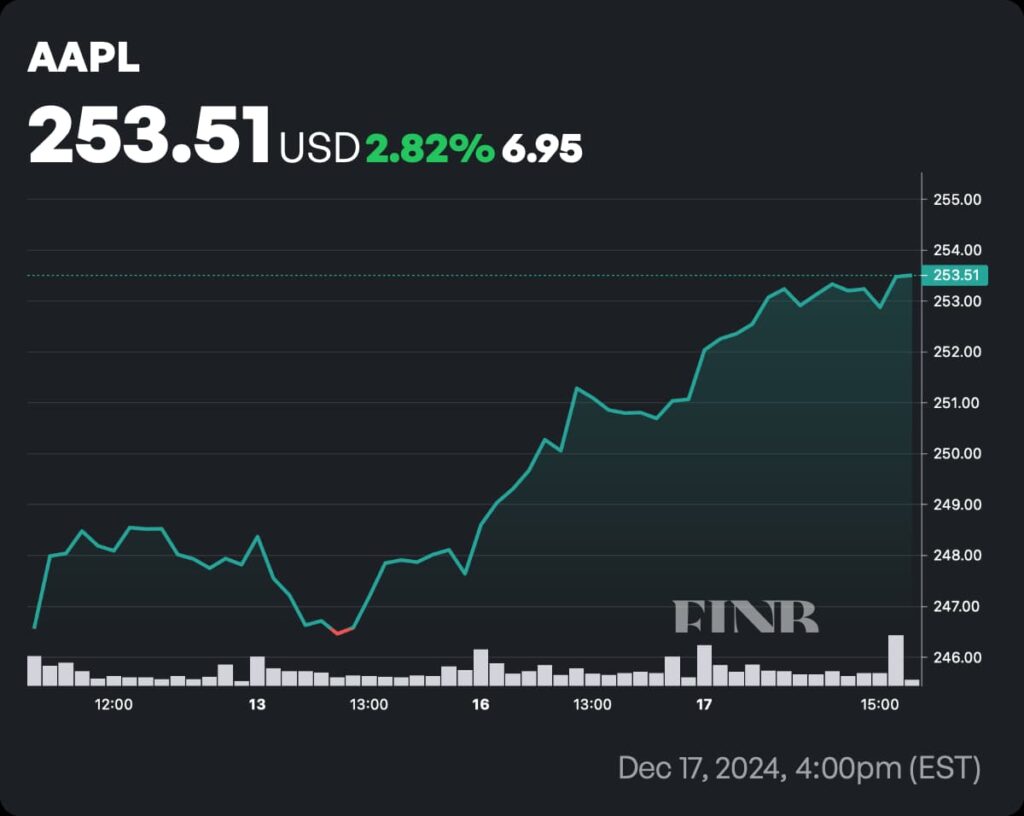
Real-time Stock Quotes and Charts: Essential for tracking AAPL’s daily performance and identifying trends. Interactive charts allow users to customize timeframes, overlay technical indicators, and compare performance against benchmarks or competitors.
-
Research Reports: Many brokerages provide access to proprietary research reports from their in-house analysts or third-party providers, offering detailed financial models, forecasts, and investment recommendations for Apple.
-
News Feeds and Alerts: Integrated news feeds keep investors updated with relevant news specific to AAPL, while customizable alerts can notify users of price movements, volume spikes, or breaking news.
-
Financial Statement Access: Easy access to Apple’s quarterly and annual reports (10-K, 10-Q) directly from the SEC filings, allowing investors to dive into the raw financial data.
-
Portfolio Management Tools: These tools help investors track their Apple holdings, assess their allocation within a diversified portfolio, and calculate performance metrics, providing a holistic view of their investment.
Learning Resources for Investing
Finally, continuous education is perhaps the most powerful tool for any investor. The world of finance is constantly evolving, and understanding market dynamics, investment strategies, and financial analysis techniques is an ongoing process.
-
Books and Online Courses: Numerous books on fundamental analysis, technical analysis, and investment psychology can equip investors with a robust theoretical framework. Online platforms like Coursera, Udemy, and edX offer courses from reputable universities and financial experts covering everything from basic stock market concepts to advanced portfolio management.
-
Financial Podcasts and Webinars: These provide accessible ways to learn from experienced investors and financial advisors, often discussing current market trends, specific stock analyses (including Apple), and practical investment tips.
-
Investment Communities: Engaging with online investment communities and forums can offer different perspectives, although it’s crucial to exercise discernment and verify information from diverse sources. These communities can be valuable for identifying new ideas or understanding market sentiment, but they should not be the sole basis for investment decisions.
By leveraging these resources, investors can move beyond the surface-level query of “what is the Apple stock price today” to develop a deep, nuanced understanding that underpins successful, long-term wealth creation.
In conclusion, understanding “what is the Apple stock price today” is merely the entry point into a vast and dynamic financial landscape. It prompts a deeper inquiry into the intricate mechanisms that govern market valuations, the fundamental strengths and challenges faced by a titan like Apple, and the broader economic forces that shape its destiny. For the savvy investor, this question isn’t just about a number; it’s an invitation to analyze, strategize, and make informed decisions, positioning Apple stock within a well-diversified portfolio aimed at achieving long-term financial goals. Approaching AAPL with a professional, insightful, and engaging perspective, grounded in sound financial principles, is the key to unlocking its potential as a valuable component of any investment strategy.
aViewFromTheCave is a participant in the Amazon Services LLC Associates Program, an affiliate advertising program designed to provide a means for sites to earn advertising fees by advertising and linking to Amazon.com. Amazon, the Amazon logo, AmazonSupply, and the AmazonSupply logo are trademarks of Amazon.com, Inc. or its affiliates. As an Amazon Associate we earn affiliate commissions from qualifying purchases.