
In the digital age, the phrase “AP Election” refers to much more than a simple tally of ballots. It represents one of the most sophisticated technological undertakings in the world of data science, software engineering, and digital communications. The Associated Press (AP) has been the gold standard for election reporting for over 170 years, but in the last decade, the process has undergone a radical transformation. Today, an AP Election is a high-speed, tech-driven operation that utilizes massive cloud infrastructure, real-time data APIs, and advanced machine learning models to provide the world with accurate, verified results.
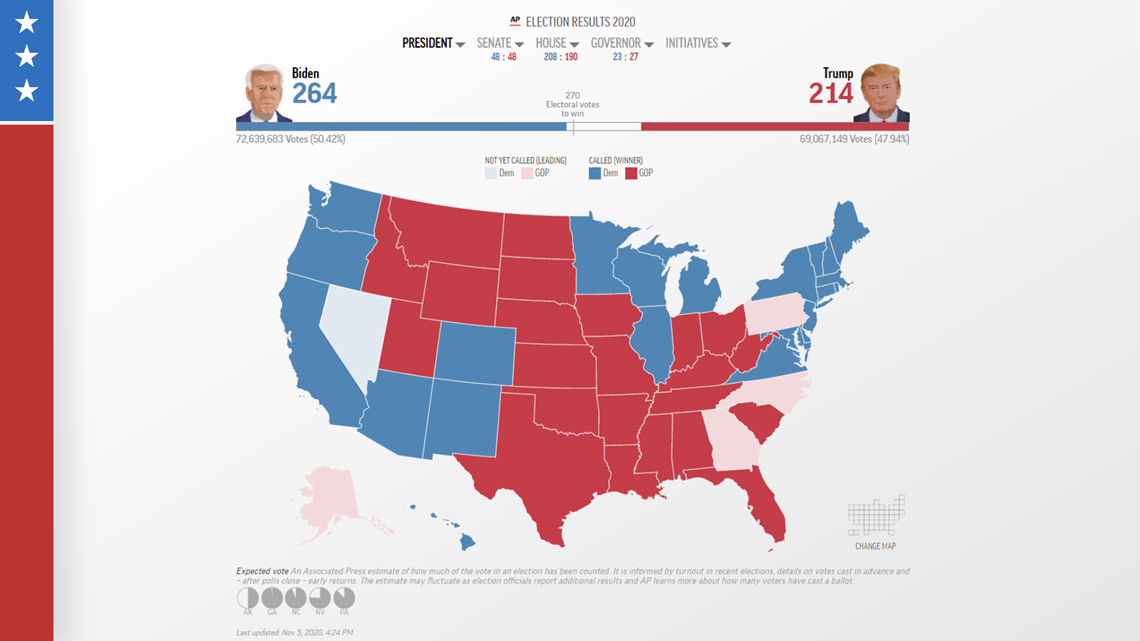
Understanding the “AP Election” from a technical perspective requires looking under the hood of the proprietary software and the digital security protocols that ensure the integrity of democratic data. As news consumers and tech enthusiasts, analyzing how this massive volume of information is ingested, processed, and disseminated offers a masterclass in modern systems architecture.
The Architecture of AP VoteCast: Shifting to Big Data Analytics
The backbone of the modern AP Election is a technological framework known as AP VoteCast. This system was designed to replace the traditional, and often flawed, method of in-person exit polling. As voting habits shifted toward mail-in ballots and early voting, the AP required a software solution that could account for a non-linear data flow.
From Exit Polls to Multi-Platform Data Ingestion
AP VoteCast is essentially a massive data-processing engine. Unlike legacy systems that relied on physical interviews at polling places, VoteCast leverages a multi-platform approach. It integrates large-scale surveys conducted via web-based interfaces and telephone interviews. The technology behind this involves sophisticated sampling algorithms that ensure the digital data reflects the actual demographics of the electorate. By using high-frequency data ingestion, the system can process tens of thousands of survey responses simultaneously, providing a real-time snapshot of voter sentiment that is far more accurate than older analog methods.
Cloud Scalability and High-Availability Systems
Because election night generates a massive surge in traffic, the AP’s infrastructure is built on highly scalable cloud environments. The “AP Election” tech stack must handle millions of concurrent requests without latency. This is achieved through auto-scaling clusters and content delivery networks (CDNs) that cache data at the edge. By utilizing a distributed microservices architecture, the AP ensures that if one component of the reporting tool encounters a bottleneck, the rest of the system remains operational. This “always-on” availability is critical when the eyes of the world are on a single data point.
Real-Time Data APIs: The Engine of Global Newsrooms
When you see a map on a major news website or a ticker on a television screen updating in real-time, you are likely witnessing the power of the AP’s Election Data API. This software interface is the primary way that external organizations consume the “AP Election” product. It is a marvel of software engineering designed for speed, precision, and ease of integration.
The API Economy of Election Reporting
The AP provides a robust set of APIs that newsrooms, tech companies, and developers use to populate their own dashboards. These APIs deliver data in standardized formats like JSON and XML, allowing for seamless integration into various front-end frameworks. The technical challenge here is synchronization. In a contested election, seconds matter. The AP’s API architecture uses “push” notifications and webhooks to ensure that as soon as a vote count is updated in the master database, every subscriber’s map updates instantly. This reduces the load on the client side while maintaining a constant stream of fresh information.
Data Integrity and Error-Correction Algorithms
One of the most impressive technical features of the AP Election software is its built-in error detection. When data is ingested from thousands of local counties, the risk of human entry error is high. The AP’s software employs “sanity check” algorithms. For example, if a county reports more votes than there are registered voters, the system automatically flags the record for manual review and prevents the erroneous data from being pushed to the API. This layer of automated validation is what prevents the spread of misinformation during the volatile hours of a live count.
Cybersecurity and the Protection of Democratic Data
In an era of state-sponsored hacking and digital interference, the security of the “AP Election” infrastructure is paramount. The AP treats its election data as “critical infrastructure,” employing digital security measures that rival those of major financial institutions.
Defending Against DDoS and Injection Attacks
Because the AP is the definitive source of election results, its public-facing servers are prime targets for Distributed Denial of Service (DDoS) attacks intended to sow chaos. To combat this, the AP utilizes advanced traffic scrubbing services and web application firewalls (WAF). These tools use AI to distinguish between legitimate user traffic and botnets, ensuring that the data remains accessible even under a concerted attack. Furthermore, the pipelines through which vote totals travel are heavily encrypted, preventing “man-in-the-middle” attacks from altering the numbers before they reach the public.
Hardened Internal Networks and Zero-Trust Models
Internally, the AP employs a “Zero-Trust” security model. This means that no user or device, whether inside or outside the network, is trusted by default. Every developer, data scientist, and election researcher must pass through multi-factor authentication (MFA) and hardware-based security keys to access the election backend. By segmenting the network, the AP ensures that even if one terminal is compromised, the core database containing the election results remains isolated and protected. This rigorous approach to digital security is what maintains the public’s trust in the “AP Election” brand.
The Future of Elections: AI and Predictive Analytics
Looking forward, the “AP Election” is increasingly being shaped by Artificial Intelligence and Machine Learning. These tools are not used to “decide” winners, but rather to provide the “Decision Desk” with the most accurate projections possible based on historical and current data trends.
Machine Learning in Outcome Verification
The AP’s Decision Desk uses proprietary models to determine when a race is “callable.” These models analyze a “voter file”—a massive database of registered voters—and compare it to the current “vote cast” data. Machine learning algorithms can identify patterns, such as “remaining mail-in ballots typically lean toward a specific demographic,” allowing the software to calculate the statistical impossibility of a trailing candidate catching up. This move toward AI-assisted data analysis allows the AP to call races with near-perfect accuracy, even when only a fraction of the votes have been counted.
Natural Language Generation for Localized Reporting
One of the newest tech trends within the AP is the use of Natural Language Generation (NLG). During a massive election cycle, there are thousands of local races that need summaries. The AP uses software to automatically generate short, factual text reports based on the incoming data. This AI tool allows the AP to provide coverage for every single precinct in the country, a feat that would be humanly impossible at that speed. These automated reports are then reviewed by human editors, representing a perfect synergy between AI efficiency and human oversight.
Conclusion: The Digital Legacy of the AP Election
The “AP Election” is no longer just a journalistic endeavor; it is a pinnacle of modern technology. From the cloud-based scalability of AP VoteCast to the secure, real-time delivery of data via high-speed APIs, the process is a testament to the power of digital infrastructure. By prioritizing cybersecurity and embracing the potential of AI and machine learning, the Associated Press has ensured that its technical framework is as resilient as the democracy it reports on.
For tech professionals and software enthusiasts, the AP’s approach to election data provides a blueprint for handling big data in high-stakes environments. It proves that with the right combination of robust software architecture, rigorous security protocols, and innovative data science, it is possible to bring clarity to the most complex and fast-moving events on the planet. As we look to the future, the technology behind the AP Election will continue to evolve, setting new benchmarks for how the world consumes information in the digital age.
aViewFromTheCave is a participant in the Amazon Services LLC Associates Program, an affiliate advertising program designed to provide a means for sites to earn advertising fees by advertising and linking to Amazon.com. Amazon, the Amazon logo, AmazonSupply, and the AmazonSupply logo are trademarks of Amazon.com, Inc. or its affiliates. As an Amazon Associate we earn affiliate commissions from qualifying purchases.