
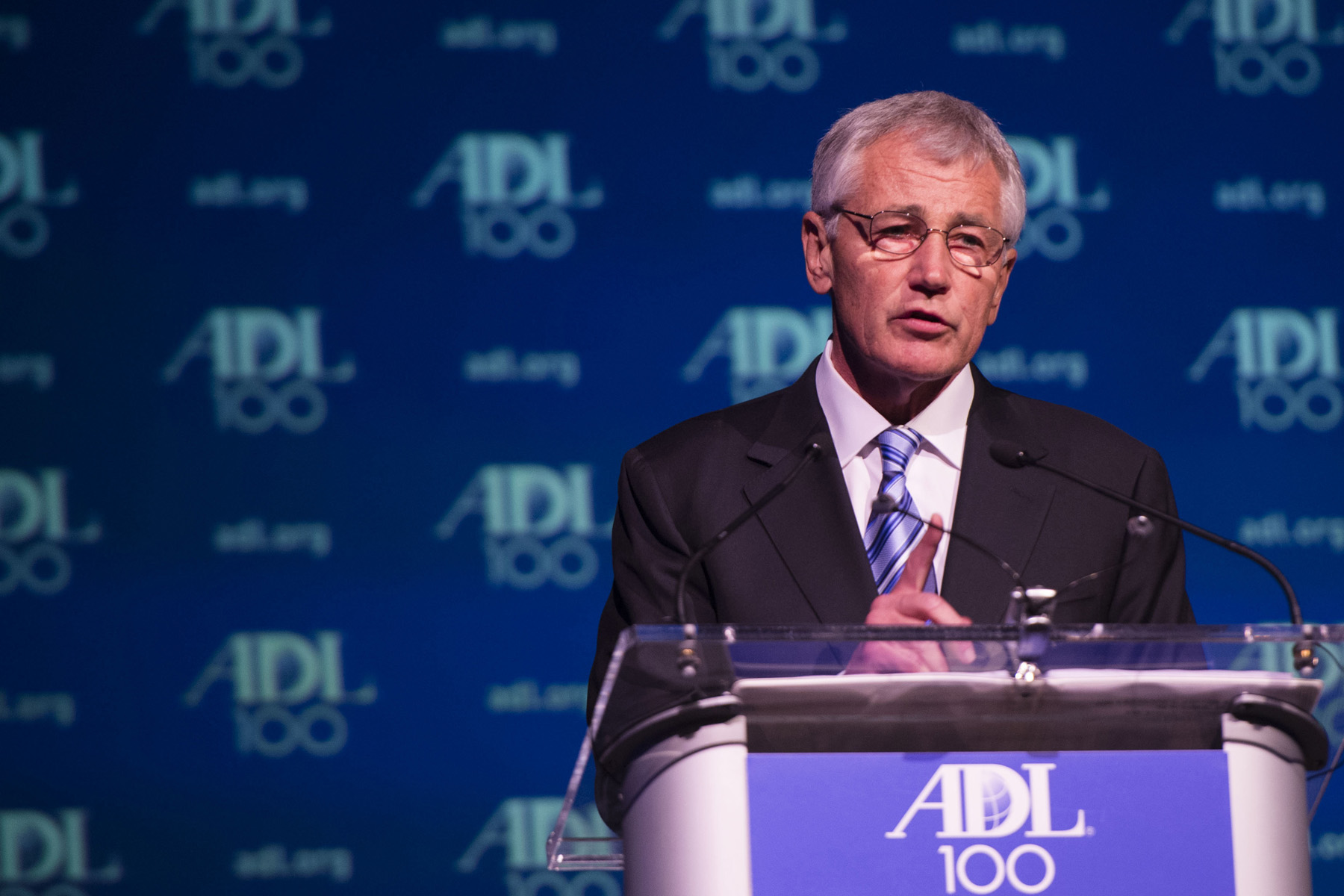
The Anti-Defamation League (ADL) stands as one of America’s oldest and most respected civil rights organizations, an entity whose corporate identity and brand purpose have been meticulously shaped over more than a century. Far from being a mere acronym, the ADL represents a powerful and enduring brand dedicated to combating antisemitism, fighting hate in all its forms, and securing justice and fair treatment for all. Understanding “what is the Anti-Defamation League” requires delving into its origins, its evolving mission, its strategic communication, and its profound impact as a leading advocate for civil liberties and human dignity.
Establishing a Legacy: The ADL’s Enduring Corporate Identity
The identity of any brand is forged in its history and refined by its response to societal shifts. For the ADL, its corporate identity is deeply rooted in a foundational commitment to justice, born from a specific historical context.
Origins and Founding Principles
The Anti-Defamation League was founded in Chicago in 1913 by Sigmund Livingston, a lawyer and civic leader. Its genesis was a direct response to rising antisemitism in America, epitomized by the wrongful conviction and lynching of Leo Frank in Georgia, a Jewish factory superintendent accused of murder. This horrific event galvanized Jewish leaders to create an organization specifically dedicated to stopping the defamation of the Jewish people and securing justice and fair treatment for all.
From its inception, the ADL’s founding principles were clear:
-
Combating Defamation: To counter false accusations, stereotypes, and prejudiced portrayals of Jewish people in media and public discourse.
-
Securing Justice: To advocate for legal and social reforms that ensure equal rights and protection under the law for all minority groups.
-
Promoting Understanding: To foster intergroup relations and educate the public about the dangers of prejudice and bigotry.
These principles laid the groundwork for an organizational brand that, while specifically addressing antisemitism, quickly recognized its interconnectedness with broader issues of civil rights and social justice.
Evolving Mission in a Changing World
Over its more than 100-year history, the ADL’s mission has evolved dynamically to address new forms of hate and prejudice. While its core focus on antisemitism remains unwavering, the organization’s corporate identity has expanded to encompass a comprehensive fight against all forms of bigotry, including racism, anti-immigrant sentiment, anti-LGBTQ+ prejudice, and extremism.
This evolution reflects a strategic understanding that hate is interconnected; an attack on one group’s dignity threatens the security of all. The ADL’s brand has successfully adapted by demonstrating its relevance across diverse communities, advocating for universal principles of equality and respect. This adaptability has been crucial in maintaining its position as a prominent voice in the broader civil rights movement, ensuring its brand remains resonant and impactful in an ever-changing social and political landscape.
The ADL’s Brand Purpose: Fighting Hate and Securing Justice
A strong brand is defined by its purpose, its reason for being. For the ADL, its brand purpose is unequivocally the fight against hate and the relentless pursuit of justice and fair treatment for all. This purpose is manifested through a multi-faceted approach involving definition, advocacy, and education.
Defining Antisemitism and Its Broader Implications
A crucial aspect of the ADL’s brand purpose is its role in meticulously defining, tracking, and exposing antisemitism. It provides vital data and analysis on antisemitic incidents, trends, and ideologies, which informs public understanding and policy responses. By thoroughly documenting hate, the ADL not only raises awareness but also provides the necessary framework for effective countermeasures.
Crucially, the ADL understands that antisemitism often serves as a canary in the coal mine for broader societal intolerance. Its comprehensive approach to monitoring and combating antisemitism naturally extends to identifying and challenging other forms of hate, thereby positioning its brand as a champion for the safety and security of all marginalized groups. This demonstrates a deep strategic insight: by protecting one, you protect all.
Advocacy and Policy Influence
The ADL’s brand power is significantly amplified by its robust advocacy efforts. It actively lobbies lawmakers at local, state, and federal levels for legislation that protects civil rights, combats hate crimes, and promotes religious freedom. From contributing to landmark civil rights legislation in the mid-20th century to shaping policies addressing online hate speech today, the ADL has consistently leveraged its brand authority to influence public policy.
This advocacy isn’t merely reactive; it’s proactive. The ADL works to educate policymakers, draft model legislation, and provide expert testimony, ensuring that the voice of justice is heard in the halls of power. Its reputation as a credible and knowledgeable source on hate and extremism lends immense weight to its policy recommendations, underscoring the strength of its advocacy brand.
Educational Initiatives and Community Engagement
Education is a cornerstone of the ADL’s brand purpose. The organization develops and implements a wide range of educational programs designed to combat prejudice and promote understanding among young people and adults alike. Programs like “No Place for Hate”® help schools create inclusive environments, while curricula and resources equip educators and community leaders with tools to address bigotry.
Beyond formal education, the ADL actively engages with communities across the country, building coalitions, organizing events, and fostering dialogue. This grassroots engagement reinforces the ADL’s brand as a community partner, working alongside diverse groups to build a more just and inclusive society. By empowering individuals and communities through education, the ADL sows the seeds of tolerance and resilience against hate.
Building and Maintaining Trust: The ADL’s Public Brand Management

Like any enduring organization, the ADL understands the critical importance of public trust and effective brand management. Its long-standing reputation is a testament to its strategic communications, its willingness to address challenges, and its commitment to collaboration.
Strategic Communications and Media Presence
The ADL maintains a powerful and consistent media presence, acting as a leading voice and trusted expert on issues of hate, extremism, and civil rights. Its leadership frequently appears in national and international media, offering analysis, condemning acts of bigotry, and advocating for action. This strategic communication ensures that the ADL’s brand message—one of vigilance, justice, and inclusion—reaches a broad audience.
Moreover, the ADL leverages digital platforms and social media not only to disseminate information and educate the public but also to monitor and expose online hate. By actively participating in the digital discourse, it reinforces its brand as a contemporary and relevant force in the fight against prejudice in all its modern manifestations.
Addressing Challenges and Criticisms
No organization with a long and active public profile is immune to scrutiny or criticism. The ADL, like any prominent brand, has faced challenges regarding its positions, its methodology, or its past actions. A key aspect of its brand management strategy has been its willingness to engage with constructive criticism, clarify its stances, and, when necessary, adapt its approaches.
This transparency and responsiveness are vital for maintaining public trust and the integrity of its brand. By demonstrating a commitment to self-reflection and accountability, the ADL reinforces its image as a principled organization dedicated to its mission, even amidst differing viewpoints or evolving public discourse.
Partnerships and Coalition Building
The ADL’s brand strength is amplified through its extensive network of partnerships and coalitions. It collaborates with diverse civil rights organizations, law enforcement agencies, faith-based groups, and tech companies. These alliances are not merely transactional; they are strategic investments in a collective brand of justice and equality.
By working alongside other advocates, the ADL broadens its reach, shares expertise, and strengthens the overall movement against hate. These partnerships underscore a key brand attribute: the understanding that the fight against bigotry is a shared responsibility, and collective action yields greater impact than solitary efforts.
The Impact of the ADL’s Brand: A Case Study in Non-Profit Influence
The true measure of a brand’s success lies in its impact. The ADL’s century-plus journey provides a compelling case study of how a non-profit organization can build and sustain a powerful brand that drives significant societal change.
Quantifying Success and Measuring Reach
Measuring the impact of an organization dedicated to fighting hate can be complex, yet the ADL strives to quantify its success through various metrics. These include:
-
Tracking Hate Incidents: The ADL’s annual Audit of Antisemitic Incidents is a crucial benchmark, informing policymakers and the public about trends and providing data for intervention.
-
Legislative Victories: Successfully advocating for hate crime legislation, anti-bias training for law enforcement, and other civil rights protections.
-
Educational Outreach: The number of schools participating in programs like “No Place for Hate” and the reach of its educational resources.
-
Public Awareness: Its consistent presence in public discourse helps keep issues of hate and extremism in the national spotlight.
These tangible outputs demonstrate the concrete results of the ADL’s brand purpose, validating its ongoing relevance and effectiveness.
The Digital Frontier: Combating Online Hate
In the 21st century, a significant battleground for the ADL’s mission has emerged online. The organization has strategically adapted its brand to become a leader in combating online hate, disinformation, and extremism. It works with social media companies to develop policies that mitigate hate speech, provides resources for reporting online harassment, and researches how extremist groups use digital platforms.
This adaptation highlights the ADL’s agility and foresight, ensuring its brand remains at the forefront of protecting civil liberties in the digital age. By confronting hate where it manifests today, the ADL reaffirms its commitment to its founding principles in a contemporary context, demonstrating its enduring capacity for innovation in its brand approach.
The Future of the ADL Brand: Adaptability and Persistence
As the world continues to evolve, so too will the challenges to justice and equality. The ADL’s brand success hinges on its ability to remain adaptable, persistent, and ever-vigilant.
Navigating Emerging Threats
The future will undoubtedly bring new forms of hate and new platforms for its dissemination. The ADL’s brand strategy must continue to anticipate these emerging threats, whether from advanced AI-driven disinformation campaigns or novel extremist ideologies. Its commitment to research and intelligence gathering ensures that it can identify these challenges early and develop effective countermeasures, maintaining its brand as a forward-thinking guardian of civil rights.
Sustaining Relevance and Impact
To sustain its relevance and impact, the ADL will continue to invest in its core strengths: education, advocacy, and community engagement. By continuously refining its message, expanding its reach, and forging new partnerships, the organization will ensure that its brand—synonymous with the fight against hate and the pursuit of justice—remains a powerful and indispensable force for good in society. Its enduring legacy is not just in what it has achieved, but in its unwavering commitment to the principles of equality and human dignity for all.
aViewFromTheCave is a participant in the Amazon Services LLC Associates Program, an affiliate advertising program designed to provide a means for sites to earn advertising fees by advertising and linking to Amazon.com. Amazon, the Amazon logo, AmazonSupply, and the AmazonSupply logo are trademarks of Amazon.com, Inc. or its affiliates. As an Amazon Associate we earn affiliate commissions from qualifying purchases.