
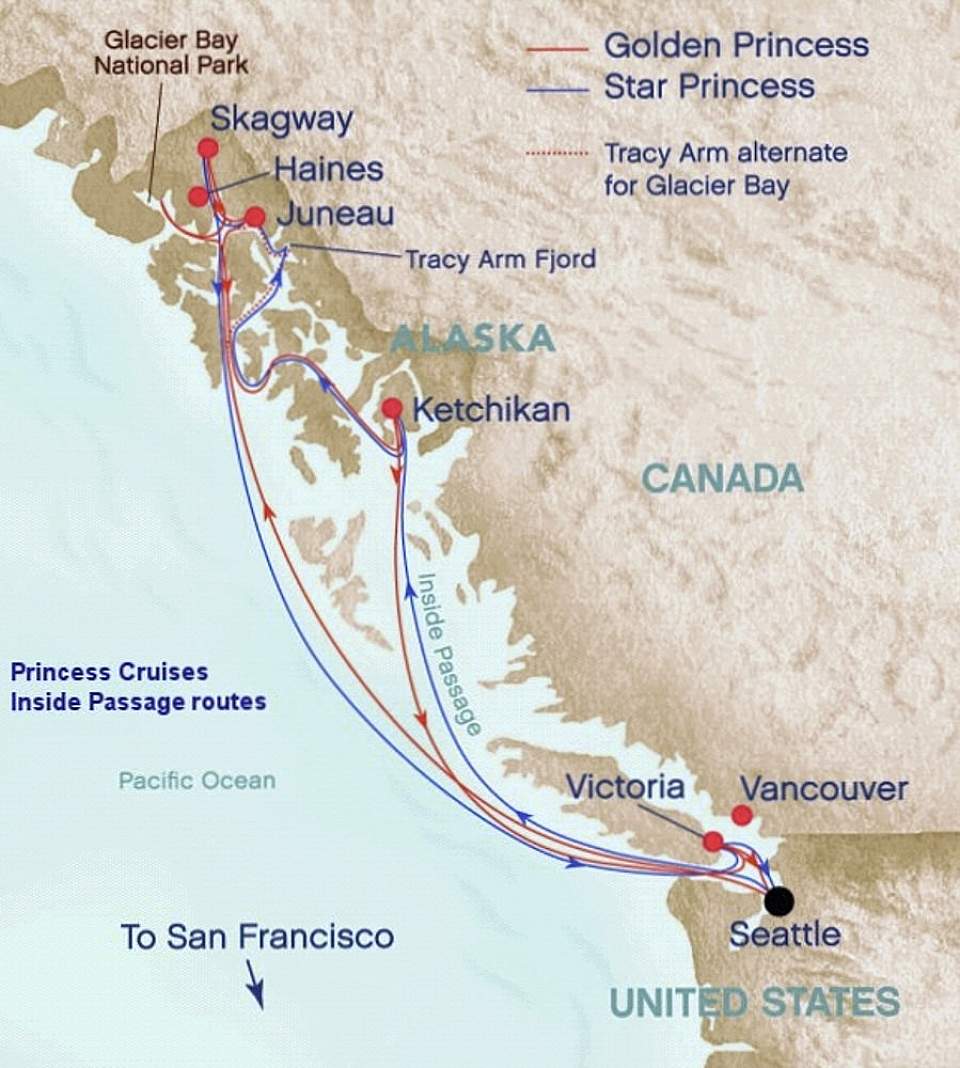
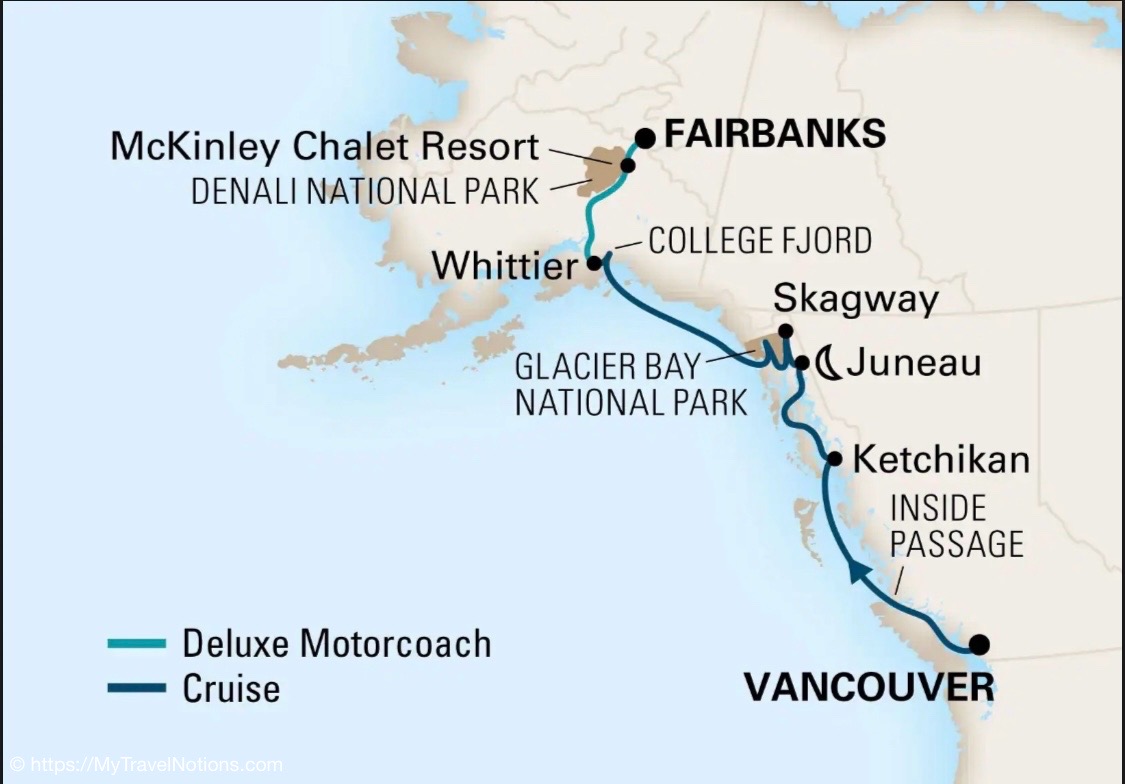
The Alaska Inside Passage is often romanticized as a labyrinth of fjords, glaciers, and temperate rainforests. However, from a fiscal perspective, it represents one of the most complex and high-value maritime corridors in the Northern Hemisphere. Stretching over 1,000 miles from Puget Sound in Washington through British Columbia to the Gulf of Alaska, this coastal route is far more than a scenic wonder; it is a critical economic artery. For investors, business strategists, and regional policymakers, the Inside Passage serves as a multi-billion-dollar engine driving tourism, logistics, and resource management. Understanding the financial mechanics of this region requires a deep dive into its unique revenue streams, infrastructural investments, and the volatile nature of high-latitude commerce.

The Multi-Billion Dollar Maritime Economy
The primary economic driver of the Alaska Inside Passage is undoubtedly the cruise and maritime tourism industry. This sector does not merely generate “vacation spending”; it sustains a complex ecosystem of capital expenditure and tax revenue that supports the entire Southeast Alaska panhandle.
The Cruise Industry as a Revenue Catalyst
Before the global disruptions of recent years, the cruise industry in the Inside Passage was on a trajectory of unprecedented growth, and its recovery has seen record-breaking passenger volumes. Each ship that navigates these waters represents a massive injection of liquidity into local economies. From a business finance perspective, the “head tax” (passenger fees) serves as a primary source of municipal funding for towns like Juneau, Ketchikan, and Skagway. These funds are strategically reinvested into dock infrastructure, public safety, and urban beautification, creating a self-sustaining cycle of tourism-driven capital. Furthermore, the operational costs of these vessels—ranging from fuel bunkering to local provisioning—support a secondary tier of B2B service providers.
Logistics and the Supply Chain Corridor
While tourism captures the headlines, the Inside Passage is a vital logistical corridor for the North American supply chain. For the residents of Southeast Alaska, the passage is the only viable link for the movement of essential goods. The Alaska Marine Highway System (AMHS) and private freight carriers like Northland Services utilize these protected waters to transport everything from heavy machinery for mining operations to perishable consumer goods. The cost-benefit analysis of maritime transport over air freight is significant; the Inside Passage allows for the movement of high-volume cargo at a fraction of the cost, making it a cornerstone of the regional business finance model.
Investment Opportunities in High-Latitude Tourism
The physical constraints of the Inside Passage—limited land, rugged terrain, and environmental regulations—create a high barrier to entry for developers. However, these same constraints ensure that existing assets hold significant value, making the region an intriguing prospect for targeted investment.
Real Estate and Infrastructure Development
Investment in the Inside Passage is increasingly focused on “destination infrastructure.” This includes the development of private cruise ports and luxury wilderness lodges. Corporations like Huna Totem Corporation have demonstrated the success of the “private port” model with Icy Strait Point, where local indigenous-owned entities control the entire value chain—from the pier to the excursions. For institutional investors, these projects offer long-term yields based on long-term berthing agreements with major cruise lines. The financial focus here is on “turnkey” tourism experiences that can command premium pricing in an increasingly crowded global market.
Sustainable Venture Capital in Marine Preservation
As environmental, social, and governance (ESG) criteria become central to investment strategies, the Inside Passage has become a laboratory for sustainable marine technology. There is a growing niche for venture capital in the development of electric-hybrid tour vessels and “green” shore power for docked ships. Investors are looking at the Inside Passage not just for what can be extracted, but for how technology can preserve the “scenic asset” that drives the revenue. Reducing the carbon footprint of the maritime industry in Alaska is no longer just an environmental goal; it is a financial necessity to ensure the long-term viability of the region’s tourism licenses.
Small Business Dynamics and Local Entrepreneurship
The “micro-economy” of the Inside Passage is characterized by a high degree of seasonality and a reliance on the “multiplier effect” of outside capital. For the local entrepreneur, the passage offers unique opportunities for niche market penetration and specialized services.
The Micro-Economy of Port Towns
Small businesses in towns like Petersburg or Wrangell operate on a “harvest” financial model. The majority of their annual revenue is generated during the five-month summer window. This requires sophisticated cash-flow management and financial discipline. Side hustles often evolve into full-scale enterprises; a local resident might start by offering small-boat wildlife photography tours and eventually scale into a multi-vessel fleet through strategic re-investment and leveraging local small business grants. The financial health of these towns is intrinsically tied to the “per-capita spend” of visitors, leading to a highly competitive market for high-margin “authentic” Alaskan products and experiences.
Digital Nomadism and Remote Work in the Frontier
A new financial trend emerging in the Inside Passage is the rise of the “Remote Frontier Worker.” With improvements in satellite internet technology (such as Starlink), the traditional barriers to high-income earners living in remote Alaskan communities have dissolved. This shift is bringing “outside” salaries into the local economy year-round, diversifying the tax base away from its heavy reliance on seasonal tourism. This influx of professional services—consultants, software developers, and financial analysts—is creating a new demand for high-end residential real estate and professional co-working spaces in what were once purely industrial or fishing-focused harbors.
Risk Management and Long-Term Financial Sustainability
Investing in or operating a business within the Alaska Inside Passage involves a unique set of risks. Navigating these requires more than just a sturdy hull; it requires a robust financial hedging strategy and an understanding of regulatory shifts.
Environmental Regulation as a Fiscal Factor
The Inside Passage is governed by a patchwork of federal, state, and international maritime laws. Changes in EPA standards regarding “scrubbers” on cruise ships or NOAA regulations regarding whale protection zones can have immediate financial impacts. For a business, these regulations are a “cost of goods sold.” Companies must budget for constant compliance audits and potential litigation. Furthermore, the “Carbon Tax” discussions in maritime circles pose a future liability that must be factored into the long-term valuation of any shipping or cruise asset operating in these waters.
Navigating Seasonality and Economic Volatility
The greatest financial challenge in the Inside Passage is its inherent volatility. The economy is sensitive to global fuel prices, exchange rates (which affect international tourism), and even geopolitical stability. A high-performing year can be followed by a lean one due to factors entirely outside the region’s control. Diversification is the primary tool for financial survival here. The most successful corporations in the region are those that have diversified their portfolios across multiple sectors—such as combining tourism assets with commercial real estate or seafood processing.
In conclusion, the Alaska Inside Passage is a sophisticated financial landscape disguised as a wilderness. It is a region where traditional industries like fishing and freight intersect with modern luxury tourism and high-tech environmental solutions. For the savvy investor or business leader, the “Inside Passage” is not just a geographical term; it is a brand of high-value, high-risk, and high-reward commerce that remains one of the most compelling economic stories in the Pacific Northwest. Understanding the flow of capital through these icy waters is just as important as understanding the tides for anyone looking to navigate the business of the Last Frontier.
aViewFromTheCave is a participant in the Amazon Services LLC Associates Program, an affiliate advertising program designed to provide a means for sites to earn advertising fees by advertising and linking to Amazon.com. Amazon, the Amazon logo, AmazonSupply, and the AmazonSupply logo are trademarks of Amazon.com, Inc. or its affiliates. As an Amazon Associate we earn affiliate commissions from qualifying purchases.