
The rapid expansion of the global digital economy has forced a reevaluation of traditional legal boundaries. When discussing the “age of consent” in the context of a modern, tech-driven nation like Brazil, the conversation necessarily shifts from purely penal codes to the complex frameworks of digital safety, data privacy, and online user authentication. For tech developers, SaaS founders, and digital security experts, Brazil represents one of the world’s most active internet markets. However, operating within this territory requires a sophisticated understanding of how the age of consent is interpreted through the lens of technology and data protection.
Brazil is not merely a passive consumer of global apps; it is a regulatory powerhouse that has increasingly aligned its digital laws with international standards like the GDPR. To successfully navigate the Brazilian market, technology stakeholders must understand the intersection between the country’s Civil Code and its specific digital regulations, such as the Lei Geral de Proteção de Dados (LGPD).
The Legal Framework: From Penal Codes to Digital Data Privacy
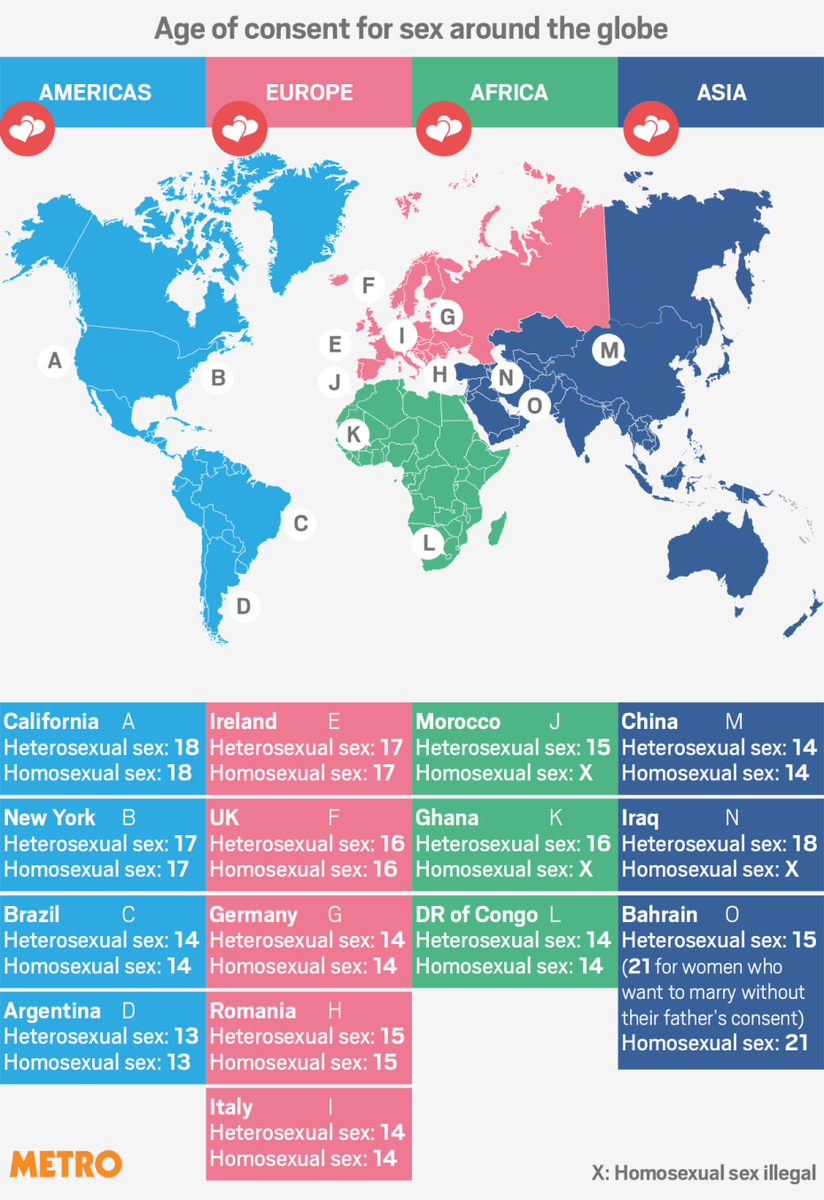
In the physical world, the age of sexual consent in Brazil is established at 14 years old. However, in the realm of technology and digital interaction, the concept of “consent” is governed by a different set of parameters. Tech platforms must distinguish between legal age for contractual agreements and the age at which a minor can independently consent to data processing.
The Brazilian General Data Protection Law (LGPD)
The LGPD is the cornerstone of digital consent in Brazil. Much like the European Union’s GDPR, the LGPD sets specific requirements for the processing of personal data belonging to children and adolescents. Under Article 14 of the LGPD, the processing of personal data of children (defined as those under 12 years of age) requires the “specific and highlighted consent” given by at least one parent or legal guardian.
For tech companies, this means that “consent” is not a binary switch flipped at age 14 or 18. Instead, it is a tiered system. While the Penal Code might set 14 as a threshold for certain social interactions, the LGPD requires tech platforms to implement rigorous “age-gating” mechanisms for any user under 12, ensuring that the legal guardian is the one authorizing the digital footprint.
The Civil Rights Framework for the Internet (Marco Civil da Internet)
Before the LGPD, Brazil enacted the Marco Civil da Internet, often referred to as the “Constitution of the Internet.” This law establishes the principles, guarantees, rights, and duties for the use of the internet in Brazil. For tech providers, the Marco Civil emphasizes the protection of privacy and the neutrality of the network. When combined with the age-specific protections of the LGPD, it creates a high-stakes environment where digital consent must be verified, logged, and protected against breaches.
Age Verification Technologies: Implementing Compliance for Global Apps
As the legal age of consent for digital activity remains a focal point for Brazilian regulators, the burden of proof falls on the technology. Simply asking a user to “Enter your birthdate” is no longer considered sufficient due diligence in the eyes of the Autoridade Nacional de Proteção de Dados (ANPD).
AI-Driven Age Estimation vs. Identity Verification
To meet Brazilian compliance standards, many tech firms are moving away from self-declaration models toward sophisticated Age Assurance Technologies (AAT). These can be categorized into two main streams:
- Age Estimation: Using Artificial Intelligence and machine learning to analyze facial features or behavioral patterns (such as typing speed or navigation habits) to estimate a user’s age without requiring formal ID.
- Hard Documentation: Requiring the upload of a government-issued ID (such as the Brazilian RG or CPF) and cross-referencing it with official databases.
While AI estimation offers a lower friction user experience (UX), the LGPD’s strict requirements for “sensitive data” often push tech platforms toward more secure, albeit intrusive, verification methods. Developers must balance the “Minimum Data Collection” principle with the need to verify that the person consenting is indeed of legal age.
Challenges in the Brazilian Tech Ecosystem
Implementing these technologies in Brazil presents unique logistical hurdles. Brazil has a significant digital divide; not every user has access to high-speed internet or high-resolution cameras for biometrics. Tech platforms must design fallback mechanisms that allow for manual verification or alternative “vouching” systems to ensure they do not accidentally exclude legitimate users while trying to satisfy age of consent regulations. Furthermore, the storage of ID documents themselves triggers a new level of data liability under the LGPD, necessitating end-to-end encryption and robust cybersecurity protocols.

Cybersecurity and Child Safety: Protecting Young Users in the Brazilian Market
When a user reaches the “age of consent” in a digital context—whether that is 12 for data processing or 14 for social interaction—the tech platform’s responsibility does not vanish. In Brazil, the concept of “Protection by Design” is gaining legal traction, requiring tech companies to build safety features into the very core of their products.
Encryption and Reporting Mechanisms
For social media apps, gaming platforms, and messaging tools, consent is the beginning of a security lifecycle. Once a user in Brazil is verified as being above the age of consent, platforms must still provide tools that prevent grooming, cyberbullying, and data exploitation. This includes:
- End-to-End Encryption: Ensuring that private communications remain private, while balancing the need for metadata analysis to spot suspicious patterns.
- One-Tap Reporting: Brazil’s digital consumer protection agencies are highly sensitive to “dark patterns” (UX designs that make it hard to report abuse). A compliant tech platform must provide clear, localized (Portuguese) reporting paths for users who believe their consent or privacy has been compromised.
The Role of Parental Control Tools and APIs
Even for users who have technically met the age of digital consent, many platforms are implementing “extended guardianship” tools. These are API-driven features that allow parents to monitor activity without necessarily intercepting private content. In the Brazilian market, offering these tools is seen as a competitive advantage and a sign of corporate maturity. From a technical perspective, this involves creating secondary “Shadow Accounts” or linked permissions that respect the minor’s growing autonomy while satisfying the legal requirements for safety and supervision.
Strategic Implications for Tech Startups and Global Entrants
For any technology company looking to scale in South America’s largest economy, the age of consent is a critical variable in the Risk-Reward equation. Failing to correctly implement age-gating and consent management can lead to fines of up to 2% of a company’s revenue in Brazil, capped at 50 million Reais per infraction.
Minimizing Liability through UX and Data Architecture
Strategic compliance starts at the wireframe stage. Developers should adopt a “Zero-Knowledge” approach where possible. For example, if a platform only needs to know that a user is over 14, it should not store the user’s actual birthdate. Instead, it should store a boolean “True/False” flag generated during the verification process. This minimizes the risk of a data breach exposing the sensitive information of minors, which is a major point of contention for Brazilian regulators.
Additionally, the UX must be localized. Simply translating a “Terms of Service” document from English to Portuguese is insufficient. The language regarding consent must be “simple, clear, and accessible,” particularly when the target audience includes adolescents who are just reaching the age of digital autonomy.
Future Trends: The Evolution of “Consent” in Brazilian Law
The definition of digital consent in Brazil is not static. The ANPD is currently debating new guidelines regarding “biometric consent” and how AI algorithms should treat the data of young adults. We are likely to see a shift toward “dynamic consent,” where platforms must periodically re-verify a user’s status or update their permissions as they transition from “child” (under 12) to “adolescent” (12-18) to “adult” (18+).
Tech leaders must stay ahead of these trends by investing in scalable identity management systems. The integration of blockchain for decentralized identity (DID) could be a future solution for the Brazilian market, allowing users to prove they have reached the age of consent without revealing their identity to every app they download.
Conclusion: Consent as a Tech Benchmark
In Brazil, the “age of consent” is more than a legal threshold; it is a technical requirement that defines how software is built, how data is stored, and how AI is trained. For the technology sector, compliance is not just about avoiding fines—it is about building trust in a market that is increasingly protective of its digital citizens.
By integrating robust age verification, adhering to the LGPD, and prioritizing “Privacy by Design,” tech platforms can navigate the complexities of Brazilian law. Whether it is through AI-driven estimation or secure database cross-referencing, the goal remains the same: ensuring that every digital interaction in the Brazilian ecosystem is founded on a valid, legal, and secure foundation of consent. As Brazil continues to refine its digital identity landscape, the companies that thrive will be those that view “consent” not as a hurdle, but as a core feature of their product’s integrity.
aViewFromTheCave is a participant in the Amazon Services LLC Associates Program, an affiliate advertising program designed to provide a means for sites to earn advertising fees by advertising and linking to Amazon.com. Amazon, the Amazon logo, AmazonSupply, and the AmazonSupply logo are trademarks of Amazon.com, Inc. or its affiliates. As an Amazon Associate we earn affiliate commissions from qualifying purchases.