
In an increasingly digital financial landscape, the physical check might seem like a relic of a bygone era. Yet, it remains a fundamental instrument for countless personal and business transactions, from paying rent to receiving salary. At the heart of every check lies a sequence of numbers, each serving a critical function in directing funds to their intended destination. Among these, the account number is paramount – a unique identifier that pinpoints your specific checking account within your financial institution. Understanding its location, purpose, and importance is not just about financial literacy; it’s about empowering you to manage your money effectively and securely.
This comprehensive guide will demystify the account number on a check, exploring its significance, where to find it, how it interacts with other critical financial identifiers, and the best practices for safeguarding this vital piece of information. Whether you’re setting up direct deposit, paying a bill, or simply seeking to better understand your financial tools, grasping the nuances of your account number is an essential step towards confident money management.
Decoding the Anatomy of a Check: Where to Find Your Account Number
A standard check, despite its small size, is a meticulously designed document packed with crucial information. Printed on specialized paper, it features a series of numbers and symbols, primarily located along the bottom edge, that facilitate its processing through the banking system. This magnetic ink character recognition (MICR) line is where your account number resides.
The MICR Line: A Closer Look at the Numbers
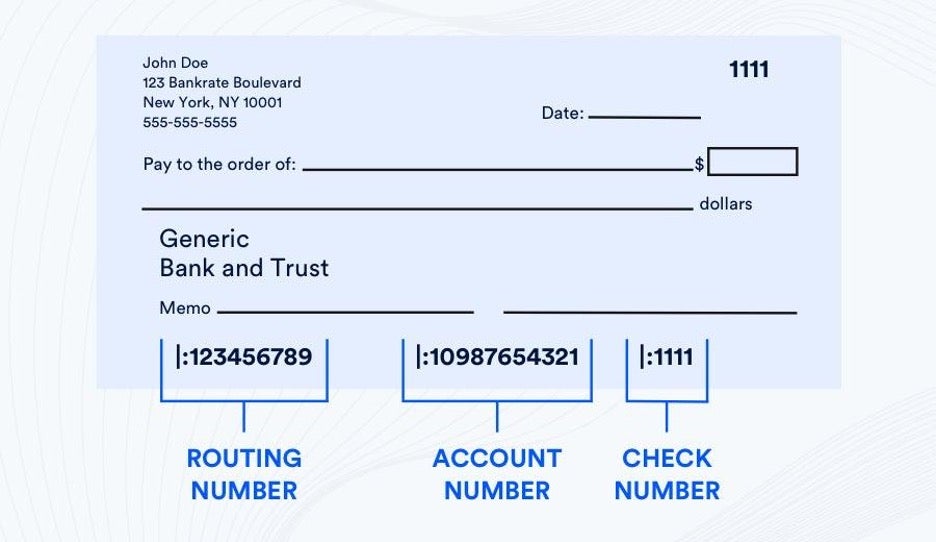
The MICR line is a distinct string of numbers printed in a special magnetic ink, which allows automated machines to read and process checks quickly and accurately. This line typically contains three distinct sets of numbers, each separated by unique symbols. From left to right, these usually represent:
- Routing Number (ABA Transit Number): This nine-digit number identifies the specific financial institution (bank or credit union) that holds the account. It’s like the bank’s unique address in the national banking system.
- Account Number: This is your unique identifier for your specific checking account at that bank. Its length can vary, often ranging from 10 to 12 digits, but sometimes shorter or longer depending on the institution. It’s the numerical “key” to your individual vault within the bank.
- Check Number: This is a sequential number that identifies the specific check document itself. It helps you keep track of the checks you’ve written and helps the bank identify individual transactions. It typically appears both on the MICR line and in the top right corner of the check.
To definitively locate your account number, look for the middle set of numbers in the MICR line. It will be positioned between the routing number on the left and the check number on the right. While the exact symbols separating these numbers can vary slightly between banks, their order remains consistent. For example, a common format might be: [Routing Number]⑈[Account Number]⑈[Check Number].
Differentiating Key Identifiers: Account vs. Routing vs. Check Number
Confusion between these three numbers is common, but understanding their distinct roles is vital for any financial transaction.
- Routing Number: Think of this as the postal code for your bank. It tells the financial system which bank to send money to or from. You’ll need this when setting up direct deposit, wire transfers, or paying bills online where you link your bank account.
- Account Number: This is your specific apartment number within that bank. It tells the financial system which specific account at that bank the money should go into or come out of. This is crucial for verifying your identity for online banking, receiving direct deposits, and initiating electronic payments.
- Check Number: This is merely a serial number for the piece of paper itself, helping you and the bank track individual checks. It doesn’t identify your bank or account in the broader financial system.
Accurately identifying each number prevents errors that could lead to delayed payments, misdirected funds, or even security vulnerabilities. Always double-check which number is requested for a specific transaction to ensure smooth and accurate processing.
The Indispensable Role of Your Account Number in Financial Transactions
The account number is far more than just a string of digits; it is the cornerstone of virtually every electronic financial transaction you undertake. Its accurate use ensures that your money moves correctly, whether you’re paying a bill or receiving your salary.
Facilitating Payments and Withdrawals
When you write a check, your account number, in conjunction with the routing number, is what allows the recipient’s bank to identify your financial institution and your specific account from which funds should be drawn. Without a correct account number, the check cannot be processed, and the payment will fail. Similarly, for pre-authorized withdrawals (like utility bills or loan payments), the service provider uses your account number to set up an electronic funds transfer (EFT) directly from your account. This eliminates the need for paper checks, streamlining recurring payments.
Enabling Direct Deposits and Automated Payments
One of the most common and beneficial uses of your account number is for direct deposit. Whether it’s your paycheck, government benefits, or a tax refund, providing your employer or payer with your routing and account numbers allows them to electronically transfer funds directly into your account. This method is faster, safer, and more convenient than paper checks, which can be lost or delayed.
Furthermore, automated payments for bills (e.g., mortgages, car loans, credit cards) often require your account number. By authorizing these payments, you grant the service provider permission to debit your account on specified dates, ensuring bills are paid on time and helping you avoid late fees. This setup relies entirely on the precision of your account number.
Initiating Wire Transfers and Online Banking Setup
For larger transactions, particularly those involving international transfers or time-sensitive payments, wire transfers are often utilized. Initiating a wire transfer typically requires the recipient’s full bank details, including their routing number (or SWIFT/BIC code for international transfers) and, critically, their account number. Any error in these numbers can lead to significant delays or even permanent loss of funds.
Moreover, when you first set up online banking or mobile banking with your financial institution, you will likely be asked to provide your account number (along with other personal identifiers) to verify your identity and link your physical account to your digital profile. This ensures that you, and only you, have access to your online banking portal, allowing you to view statements, pay bills, transfer funds, and manage your finances remotely.
Beyond the Checkbook: Alternative Ways to Locate Your Account Number
What if you don’t have a check handy, or perhaps you don’t even use physical checks regularly? Fortunately, there are several reliable methods to find your account number without needing your checkbook.
Leveraging Online Banking Platforms and Mobile Apps
In today’s digital age, your online banking portal or mobile app is often the quickest and most convenient way to access your account information. After logging in securely to your bank’s website or app, navigate to your account details. You’ll typically find an option to view “Account Summary,” “Account Information,” or “Statements.” Within these sections, your full account number, often alongside your routing number, should be displayed. For security reasons, some banks might initially show only the last few digits and require an extra verification step (like entering your password again) to reveal the full number.

Consulting Your Monthly Bank Statements
Your monthly bank statement, whether received electronically or through postal mail, is another authoritative source for your account number. Near the top of the statement, usually within the section detailing your account name and address, you will find your full account number. This method is particularly useful if you prefer physical documentation or if you’re having trouble accessing your digital banking platforms. Always keep physical statements in a secure location, as they contain a wealth of sensitive personal and financial data.
Direct Communication with Your Financial Institution
If digital options or physical statements are not available or if you simply prefer direct assistance, contacting your bank directly is always an option. You can:
- Call Customer Service: Dial your bank’s customer service number (usually found on their website or the back of your debit card). After verifying your identity (which will involve answering security questions), a representative can provide your account number.
- Visit a Local Branch: If you have a branch nearby, bringing a valid form of identification (like a driver’s license or passport) will allow a teller or bank representative to access your account information and provide you with your account number. This is often the most secure way if you are concerned about sharing information over the phone or online.
Remember that banks take security seriously, so be prepared to confirm your identity thoroughly regardless of the method you choose.
Safeguarding Your Account Number: Security Best Practices
Given its central role in your financial life, protecting your account number is paramount. Unauthorized access to this number, especially when combined with other personal information, can expose you to risks like identity theft and fraudulent transactions.
Understanding the Risks of Exposure
While an account number alone might not be enough for a determined fraudster to drain your account (they would typically need a routing number and perhaps more personal data or your debit card information), its exposure increases your vulnerability. Scammers can use your account number to:
- Create Fake Checks: With your account and routing numbers, they can print fraudulent checks.
- Set Up Unauthorized Payments: They might attempt to set up unauthorized direct debits from your account.
- Aid Identity Theft: Coupled with your name, address, and other details, your account number can be part of a larger scheme to assume your identity and open new accounts or lines of credit in your name.
Secure Handling of Checks and Financial Documents
Practicing good habits with your checks and financial documents is your first line of defense:
- Shred Old Checks and Statements: Never simply throw away voided checks, old bank statements, or any document containing your account number. Always shred them using a cross-cut shredder.
- Store Checkbooks Securely: Keep your checkbook in a safe place, out of sight and reach of potential thieves. Treat it like cash.
- Be Mindful of Who You Give Your Information To: Only provide your account number to trusted entities for legitimate purposes (e.g., your employer for direct deposit, reputable billers for automated payments).
- Review Statements Regularly: Promptly review your bank statements (both paper and online) for any unauthorized transactions. Report discrepancies immediately.
Vigilance Against Phishing and Identity Theft
Phishing scams are a constant threat. Be extremely cautious of unsolicited emails, texts, or phone calls asking for your account number or other personal financial information.
- Verify Senders: Always verify the authenticity of any request for your financial details. Legitimate institutions will rarely ask for sensitive information via email or text.
- Use Strong, Unique Passwords: For your online banking accounts, use strong, unique passwords and enable multi-factor authentication whenever possible.
- Monitor Your Credit Report: Regularly check your credit report for any suspicious activity or accounts opened in your name without your knowledge.
- Be Skeptical: If an offer seems too good to be true, or if a request for information feels urgent or unusual, it’s probably a scam.
By adopting these security practices, you significantly reduce the risk of your account number falling into the wrong hands and safeguard your financial well-being.
Navigating Common Queries and Practical Applications
Understanding your account number extends to practical scenarios and frequently asked questions that arise in daily financial management.
What If I Don’t Have Checks?
Many people today opt out of using physical checks, preferring debit cards, online bill pay, and digital payment apps. If you don’t have a checkbook, you can still easily find your account number using the alternative methods discussed earlier: your online banking portal, mobile app, or monthly bank statements. For tasks like setting up direct deposit, you can often download a pre-filled direct deposit form from your online banking portal that includes both your routing and account numbers, ready for submission to your employer. Some banks also offer “starter checks” or printed deposit slips at a branch that will display your account information.
The Nuances of Savings Account Numbers
While the primary focus is often on checking account numbers, savings accounts also have unique identifiers. These are generally distinct from your checking account number, even if both accounts are held at the same bank. When setting up transfers or direct deposits to a savings account, ensure you are using the correct savings account number. The methods for finding a savings account number are identical to those for checking accounts: online banking, statements, or by contacting your bank. Note that some older financial products, like certain money market accounts, might have slightly different identification procedures, but the general principle remains.

Empowering Your Financial Management with Accurate Information
Ultimately, knowing “what is the account number on the check” is about more than just identifying a string of digits; it’s about empowerment. It enables you to confidently:
- Set up automated financial processes: From bill payments to direct deposits, automation relies on accurate account information.
- Manage your budget effectively: By understanding how funds flow into and out of your accounts, you gain greater control over your spending and savings.
- Protect your financial identity: Awareness of sensitive information like your account number is the first step in protecting yourself from fraud.
- Navigate banking services with ease: Whether dealing with customer service or using online tools, having your account number readily available streamlines your interactions.
In conclusion, while the digital revolution continues to transform how we interact with our money, the fundamental role of the account number remains constant. It is your unique financial fingerprint, indispensable for secure and efficient money management. By understanding its location, purpose, and the importance of its security, you equip yourself with a critical piece of financial knowledge, paving the way for a more confident and controlled financial future.
aViewFromTheCave is a participant in the Amazon Services LLC Associates Program, an affiliate advertising program designed to provide a means for sites to earn advertising fees by advertising and linking to Amazon.com. Amazon, the Amazon logo, AmazonSupply, and the AmazonSupply logo are trademarks of Amazon.com, Inc. or its affiliates. As an Amazon Associate we earn affiliate commissions from qualifying purchases.