
In the legacy era of commercial aviation, a traveler’s primary lifeline was the 1-800 number. It was a centralized, toll-free gateway to a human voice capable of rebooking flights, handling baggage claims, and resolving complex ticketing issues. However, as the digital transformation of the airline industry accelerates, the “800 number” is becoming a relic of the past—specifically for Ultra-Low-Cost Carriers (ULCCs) like Frontier Airlines.
To understand where Frontier’s customer service lives today, one must look beyond the telephone and into a sophisticated tech stack comprising AI-driven chatbots, mobile-first interfaces, and encrypted messaging platforms. This shift represents a broader trend in technology-driven efficiency, moving away from human-centric call centers toward automated, scalable digital solutions.
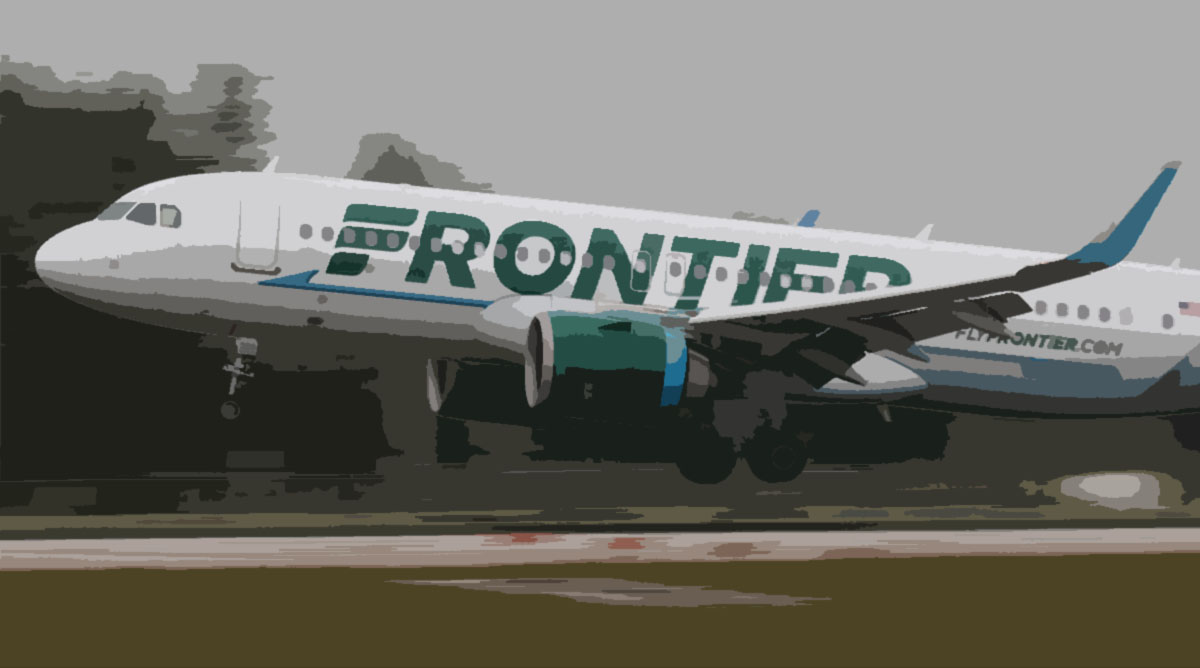
The Strategic Pivot: Why Traditional Telephony is Disappearing in Budget Aviation
In late 2022, Frontier Airlines made a move that sent shockwaves through the travel industry: they eliminated their live voice customer service line. This wasn’t merely a cost-cutting measure; it was a deliberate pivot toward a “digital-only” communication strategy. For a technology-oriented observer, this transition highlights the tension between legacy consumer expectations and the streamlined efficiency of modern software.
The Economic and Technical Drivers of Digital-Only Support
The decision to retire the 800 number is rooted in the architecture of the airline’s business model. Traditional call centers are notoriously difficult to scale. During “Irregular Operations” (IROPS)—such as massive weather delays or technical outages—call volumes can spike by 1,000% in minutes. No physical call center can staff for such peaks without maintaining massive, expensive overhead during quiet periods.
Digital systems, however, leverage cloud computing and elastic infrastructure. A chatbot or a WhatsApp-based support system can handle thousands of concurrent queries without the “busy signal” or multi-hour hold times associated with 20th-century telephony. By shifting to digital channels, Frontier leverages asynchronous communication, where a single agent can manage multiple chat sessions simultaneously, drastically improving the “tickets-resolved-per-hour” metric.
Analyzing the 2022 Shift: A Case Study in Automation
Frontier’s move away from the phone was a bet on the ubiquity of smartphones. By forcing the interaction into a digital environment, the airline ensures that the customer is already within their ecosystem—either on the website or the mobile app. This allows for seamless data integration. When a customer chats through the app, the system already knows their PNR (Passenger Name Record), flight status, and loyalty tier, eliminating the tedious “Can you spell your last name?” phase of a phone call.
The Tech Stack: From AI Chatbots to WhatsApp Integration
When users search for “what is the 800 number for Frontier Airlines,” they are increasingly met with a redirection to a suite of high-tech alternatives. Frontier’s current support infrastructure is built on several key technological pillars designed to replace the human voice with intelligent automation.
Natural Language Processing (NLP) and the Frontier “Chat” Experience
At the heart of Frontier’s digital support is a sophisticated Chatbot powered by Natural Language Processing (NLP). Unlike the “press 1 for sales” menus of old, modern NLP allows the system to understand intent. If a user types, “My bag didn’t show up in Denver,” the software identifies the keywords—bag, not found, DEN—and automatically triggers a workflow for a Lost Baggage Claim.
This automation is not just about answering questions; it is about executing tasks. The integration of the chatbot with the airline’s backend databases allows it to process refunds, issue travel vouchers, and rebook flights autonomously. This represents a shift from “Customer Support” to “Customer Self-Service,” where technology empowers the user to resolve their own issues without human intervention.
The Role of the Mobile App in Real-Time Logistics
The Frontier mobile application acts as the “command center” for the modern traveler. From a tech perspective, the app is an aggregator of APIs (Application Programming Interfaces). It pulls real-time data from the FAA, baggage handling systems, and internal scheduling software to provide the user with a unified view of their journey.
Push notifications have replaced the need for a traveler to call and check flight status. If a flight is delayed, the app pushes an alert to the user’s lock screen. Within that same interface, the user can tap a button to view alternative flights. This closed-loop system reduces friction and eliminates the need for an 800 number entirely, as the software anticipates the user’s needs based on real-time data triggers.
Digital Security: Protecting Data in an Era of “Support Scams”
One of the most critical aspects of the move toward digital-only support is the enhancement of digital security. Paradoxically, the search for a traditional “800 number” has become a significant security vulnerability for consumers, making Frontier’s digital shift a potentially safer alternative if navigated correctly.
The Proliferation of Fraudulent Search Engine Results
A major threat in the tech space is “SEO Poisoning” or “Ad Spoofing.” When customers search for “Frontier Airlines customer service number,” scammers often pay for Google Ads that display a fake 800 number. When the customer calls, they are connected to a fraudulent call center where “agents” ask for credit card details or PNR numbers to “process a refund.”
By centralizing all support within the authenticated environment of their official app and website, Frontier creates a “walled garden.” When a user is logged into the app, the communication channel is encrypted (SSL/TLS), and the user’s identity is already verified via their account credentials. This drastically reduces the surface area for phishing and social engineering attacks that thrive on unverified phone calls.
Best Practices for Secure Digital Communication
To maintain digital security, users must understand the hierarchy of verified channels. Frontier utilizes WhatsApp as a verified business channel, which offers end-to-end encryption. This is a significant technological step up from standard SMS or unencrypted phone lines. For the tech-savvy traveler, using these encrypted, verified platforms ensures that PII (Personally Identifiable Information) remains between the passenger and the airline’s automated systems, bypassing the risks associated with third-party search results.
The Future of Aviation Tech: Predictive AI and Hyper-Personalization
The elimination of the 800 number is just the beginning. The roadmap for aviation technology points toward a future where “support” is invisible because it is predictive. Frontier and its competitors are moving toward a model where Big Data and Machine Learning (ML) solve problems before the passenger even realizes they exist.
Moving from Reactive to Proactive Support via Big Data
In the future, if a flight is predicted to be delayed based on incoming weather data or aircraft rotation patterns, the airline’s ML algorithms will automatically look for rebooking options for every passenger on that flight. Instead of the passenger searching for a contact number to ask “What do I do?”, they will receive a digital notification saying: “Your flight is delayed; we have already reserved a seat for you on the next available departure. Tap here to confirm.”
This proactive support model relies on “Hyper-Personalization.” By analyzing a passenger’s historical data—such as their preference for aisle seats or their typical connection times—the AI can tailor solutions that the passenger is most likely to accept. This level of sophistication is impossible to achieve through a traditional human-manned 800 number but is the natural evolution of Frontier’s current digital-first strategy.

The Global Trend Toward Automated Self-Service Systems
Frontier’s approach is a bellwether for the entire service economy. From banking to retail, the “tech-first” service model is becoming the standard. The 800 number is a legacy technology that is being phased out in favor of platforms that are faster, more secure, and more integrated.
As AI continues to evolve, the “uncanny valley” of customer service—where bots feel frustrating and limited—will disappear. We are entering an era where the software behind the “Chat” button is more capable, more informed, and more efficient than any human agent could be. For Frontier Airlines, the absence of a phone number isn’t a lack of service; it is an invitation to use a more powerful, technologically advanced way to travel.
The next time you look for that 800 number, remember: the solution isn’t on the phone; it’s in the code. Embracing these digital tools is the key to navigating the modern skies with efficiency and security.
aViewFromTheCave is a participant in the Amazon Services LLC Associates Program, an affiliate advertising program designed to provide a means for sites to earn advertising fees by advertising and linking to Amazon.com. Amazon, the Amazon logo, AmazonSupply, and the AmazonSupply logo are trademarks of Amazon.com, Inc. or its affiliates. As an Amazon Associate we earn affiliate commissions from qualifying purchases.