
The 30-year fixed-rate mortgage stands as a cornerstone of homeownership in many countries, particularly the United States. It offers an appealing combination of stability and affordability, allowing millions to realize the dream of buying a home. However, the seemingly straightforward question, “What is the 30-year mortgage interest rate?” belies a complex and dynamic answer. It’s not a single, static figure but rather a constantly fluctuating average influenced by a multitude of economic forces and individual financial circumstances. Understanding these underlying mechanics is crucial for any prospective or current homeowner navigating the intricate world of real estate finance.

At its core, a 30-year fixed-rate mortgage means that your interest rate and, consequently, your principal and interest payment, remain constant for the entire three-decade duration of the loan. This predictability is a major draw, shielding homeowners from the uncertainty of rising rates. Yet, the rate itself that you secure on any given day is a product of sophisticated financial markets, national economic policies, and your personal creditworthiness. Diving into these layers reveals not just what the rate is, but why it is what it is, and how you can position yourself to secure the most favorable terms possible.
Decoding the Current 30-Year Mortgage Landscape
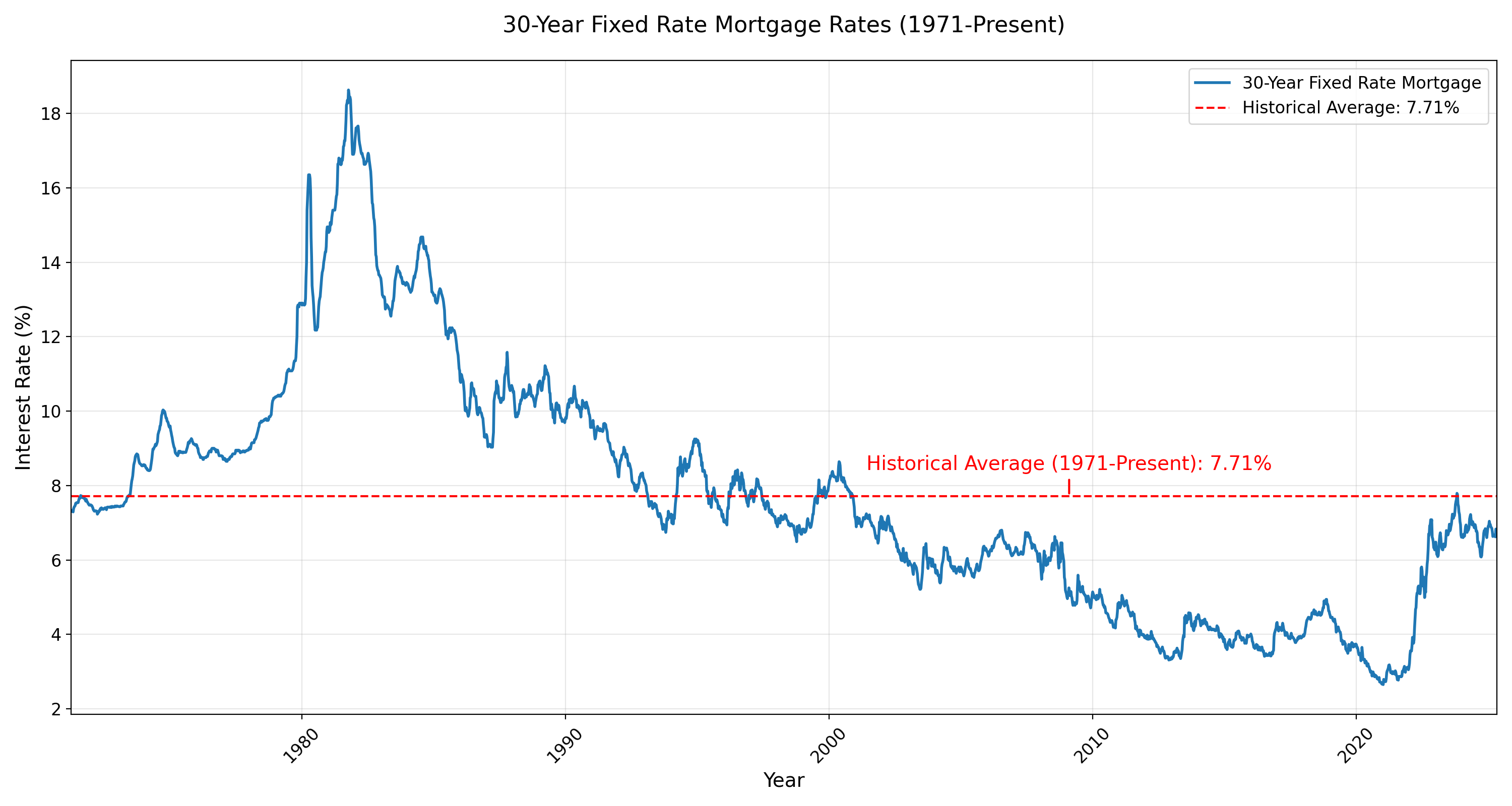
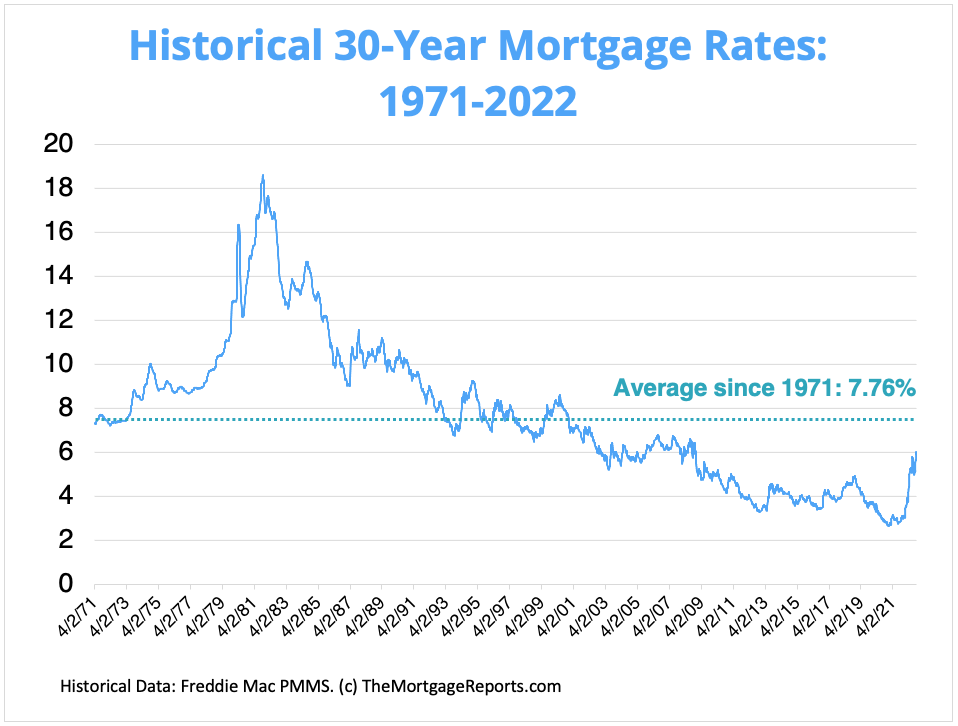
The average 30-year mortgage interest rate is a moving target, reported daily by various financial institutions and news outlets. While these figures provide a helpful benchmark, they represent an average, and your specific rate will likely differ. Grasping the factors that drive these fluctuations is key to timing your mortgage application and making informed decisions.
The Dynamic Nature of Mortgage Rates
Mortgage rates are not set in stone; they are fluid, changing not just daily, but sometimes hourly, reflecting shifts in global financial markets. Reputable sources like Freddie Mac and Mortgage News Daily track these movements, offering insights into the prevailing rates. Freddie Mac, for instance, publishes a weekly survey of mortgage rates, providing a widely cited benchmark. However, it’s vital to remember that these are national averages based on specific borrower criteria (e.g., excellent credit, significant down payment), meaning individual rates can vary significantly based on a host of personal and market-specific variables. The rate you see advertised online or hear in the news is merely a snapshot, a general indication of the market’s direction.
Key Determinants of Mortgage Rates
Several powerful forces conspire to determine the direction and magnitude of 30-year mortgage rates. Understanding these broader economic indicators provides context for why rates move as they do.
-
Federal Reserve Policy: While the Federal Reserve does not directly set mortgage rates, its actions profoundly influence them. When the Fed raises or lowers the federal funds rate, it impacts short-term borrowing costs for banks. More importantly, the Fed’s stance on monetary policy (e.g., quantitative easing or tightening) and its commentary on inflation and economic growth heavily influence the bond market, which is a direct driver of mortgage rates.
-
Inflation Expectations: Lenders need to ensure that the return on their loans outpaces inflation, preserving the purchasing power of the money they lend. If inflation is expected to rise, lenders will demand higher interest rates to compensate for the anticipated erosion of future dollar value. Conversely, low inflation expectations can put downward pressure on rates.
-
Economic Indicators: Broader economic health plays a significant role. Strong economic growth, low unemployment, and robust consumer confidence might signal potential inflation, leading to higher rates. Conversely, a struggling economy might prompt the Fed to maintain lower rates to stimulate activity. Key indicators include GDP growth, job reports, and consumer price index (CPI) data.
-
The Bond Market (Especially 10-Year Treasury Yield): This is perhaps the most direct and crucial determinant. Mortgage rates tend to closely track the yield on the 10-year U.S. Treasury bond. When investors demand higher yields on these bonds (perhaps due to inflation concerns or a stronger economy), mortgage rates generally follow suit. This is because mortgage-backed securities (MBS), which are bundles of mortgages sold to investors, compete with Treasuries for investment dollars.
-
Supply and Demand for Housing: While less direct, a red-hot housing market with high demand and limited supply can sometimes lead to slight upward pressure on rates as lenders capitalize on strong market conditions. Conversely, a sluggish market might see lenders offer slightly more competitive rates to attract borrowers.
Factors Influencing Your Individual Mortgage Rate
While macroeconomic forces set the overall market tone, your personal financial profile and the specifics of your loan will ultimately determine the exact 30-year rate you are offered. No two borrowers are exactly alike, and lenders assess individual risk to tailor their offers.
Your Credit Score
Your credit score is arguably the most critical factor influencing your mortgage rate. Lenders use scores like FICO to gauge your creditworthiness and the likelihood of you repaying the loan. Borrowers with excellent credit scores (typically 740 and above) are perceived as lower risk and therefore qualify for the lowest available interest rates. Conversely, a lower credit score indicates higher risk to lenders, resulting in a higher interest rate to compensate for that perceived risk. It’s advisable to check your credit report well in advance of applying for a mortgage and take steps to improve it if necessary.
Loan-to-Value (LTV) Ratio & Down Payment
The loan-to-value (LTV) ratio compares the amount of your mortgage to the appraised value of the home. A higher down payment results in a lower LTV (e.g., 20% down payment means an 80% LTV). A lower LTV signifies less risk for the lender, as you have more equity in the property from day one. This reduced risk often translates into a lower interest rate. Conversely, a smaller down payment (higher LTV) might lead to a higher rate and could also necessitate private mortgage insurance (PMI), which adds to your monthly housing costs.
Loan Type and Term
While we are focusing on the 30-year fixed rate, it’s worth noting that other loan terms and types also affect rates. A 15-year fixed-rate mortgage, for instance, typically offers a lower interest rate than a 30-year fixed rate because the lender’s risk is lower over a shorter period. Adjustable-rate mortgages (ARMs) often start with lower rates than fixed rates, but they carry the risk of future rate increases. Government-backed loans like FHA, VA, and USDA loans have specific qualification criteria and can offer competitive rates, sometimes designed for specific borrower needs.
Property Type and Location
The type of property you’re purchasing can also subtly influence rates. Lenders might view multi-family homes, condos, or manufactured homes as carrying slightly different risks compared to a single-family detached home, which could be reflected in the interest rate. Furthermore, the property’s location can matter. In areas with higher perceived market volatility or slower appreciation rates, lenders might price in a slight risk premium.
Discount Points and Closing Costs
When obtaining a mortgage, you might have the option to pay “discount points” at closing. Each point typically costs 1% of the loan amount and can “buy down” your interest rate. For example, paying one point might lower your rate by 0.25%. This decision involves a trade-off: paying more upfront to save money over the life of the loan. It’s crucial to calculate the break-even point to determine if paying points makes financial sense for your situation. Other closing costs, while not directly affecting the interest rate, add to the overall cost of obtaining the mortgage.
How to Navigate and Secure the Best 30-Year Rate
Given the complexity, proactively managing your mortgage search is paramount. A strategic approach can save you tens of thousands of dollars over the life of your 30-year loan.
Shop Around and Compare Lenders
This is perhaps the single most impactful step you can take. Do not settle for the first offer you receive. Obtain quotes from at least three to five different lenders, including traditional banks, credit unions, and online mortgage providers. Each lender has different overheads, pricing strategies, and risk appetites, leading to varying rate offers. Most credit bureaus allow for a “rate shopping window” (typically 14-45 days) during which multiple credit inquiries for a mortgage are treated as a single inquiry, minimizing the impact on your credit score.
Prepare Your Finances
Before you even start shopping for a home, get your financial house in order. Focus on:
-
Improving Your Credit Score: Pay bills on time, reduce credit card balances, and avoid opening new lines of credit.
-
Saving for a Larger Down Payment: A higher down payment not only reduces your LTV but also demonstrates financial discipline, potentially qualifying you for a better rate and reducing or eliminating PMI.
-
Reducing Debt-to-Income (DTI) Ratio: Lenders assess your DTI to determine if you can comfortably afford your mortgage payments. A lower DTI (total monthly debt payments divided by gross monthly income) indicates less financial strain and improves your eligibility for better rates.
Understand Rate Locks
Once you have an accepted offer on a home, a critical decision is whether to “lock” your interest rate. A rate lock guarantees that your interest rate will not change between the time of your application and your closing, even if market rates rise. Rate locks typically last for 30, 45, or 60 days, and longer locks may come with a small fee or a slightly higher rate. This protects you from market volatility during the closing process. However, if rates drop significantly after you’ve locked, you generally cannot renegotiate, unless your lender offers a “float-down” option, which is less common.
Consider Refinancing Options (Future Perspective)
Even after securing your 30-year fixed rate, the financial journey doesn’t end. If interest rates drop significantly in the future, refinancing your mortgage could be a viable option to lower your monthly payments or reduce the total interest paid. However, refinancing involves new closing costs, so it’s essential to calculate the break-even point to ensure the savings outweigh the expenses.
The Long-Term Financial Implications of a 30-Year Mortgage
Choosing a 30-year fixed-rate mortgage is a significant financial commitment with profound long-term implications for your personal wealth and financial flexibility.
Affordability vs. Total Cost
The primary advantage of a 30-year mortgage is its affordability. By spreading the repayment over a longer period, the monthly principal and interest payments are significantly lower compared to shorter-term loans (like a 15-year mortgage). This makes homeownership accessible to a wider range of borrowers and frees up cash flow for other expenses or investments. However, this affordability comes at a cost: you will pay substantially more in total interest over 30 years compared to a shorter-term loan, even if the interest rate on the 30-year is only slightly higher.
Building Equity and Wealth
Despite the higher total interest, a 30-year mortgage is a powerful tool for building long-term wealth. With each payment, a portion goes towards the principal, gradually building equity in your home. Over time, as the principal balance decreases and property values ideally appreciate, your equity grows, representing a significant asset. This leverage on a appreciating asset is a core component of many personal finance strategies.
Flexibility and Financial Planning
The lower monthly payments of a 30-year mortgage offer greater financial flexibility. This liquidity can be invaluable for unexpected expenses, investing in retirement accounts, saving for college, or pursuing other financial goals. While the loan is structured for 30 years, you always have the option to make additional principal payments, effectively shortening the loan term and saving on interest without being locked into a higher mandatory payment. This “hybrid” approach allows for both low mandatory payments and the ability to accelerate debt repayment when finances allow.
Inflation and Real Value of Debt
In an environment of moderate inflation, a fixed-rate mortgage can become more attractive over time. As inflation erodes the purchasing power of money, the real value of your fixed mortgage payments decreases. Your salary (ideally) increases with inflation, while your mortgage payment remains constant, making it feel less burdensome years down the line. This dynamic can be a significant advantage for homeowners with long-term fixed-rate debt.
Conclusion
The question “what is the 30-year mortgage interest rate?” opens a gateway to understanding a crucial aspect of personal finance and the broader economy. It’s not a single number but a reflection of global economic health, central bank policies, bond market dynamics, and most importantly, your individual financial standing. Securing a favorable 30-year mortgage rate requires diligent research, proactive financial preparation, and savvy comparison shopping. By understanding the forces at play and taking strategic steps, prospective homeowners can position themselves to not only achieve their homeownership dreams but also build a solid foundation for their long-term financial well-being. A 30-year fixed-rate mortgage, when approached intelligently, remains an indispensable tool for financial stability and wealth creation.
aViewFromTheCave is a participant in the Amazon Services LLC Associates Program, an affiliate advertising program designed to provide a means for sites to earn advertising fees by advertising and linking to Amazon.com. Amazon, the Amazon logo, AmazonSupply, and the AmazonSupply logo are trademarks of Amazon.com, Inc. or its affiliates. As an Amazon Associate we earn affiliate commissions from qualifying purchases.