
The 30-year fixed-rate mortgage stands as a cornerstone of home financing, representing the most common choice for homebuyers across the United States. At its core, this financial instrument offers a borrower the ability to secure a home loan with an interest rate that remains constant for the entire 30-year term of the loan. This means that, barring any changes to property taxes or homeowners insurance, the principal and interest portion of the monthly mortgage payment will not fluctuate over three decades. Understanding the mechanics, benefits, and influencing factors of this widely adopted financing option is crucial for anyone navigating the complex world of real estate and personal finance.

Understanding the 30-Year Fixed-Rate Mortgage
A 30-year fixed-rate mortgage is a loan product designed to finance the purchase of real estate, where the borrower repays the loan over a period of 360 months (30 years) with a consistent interest rate. This predictability is its defining characteristic, offering a stable financial obligation over a significant portion of a homeowner’s financial life.
Definition and Mechanics
When you take out a 30-year fixed-rate mortgage, the interest rate is locked in at the time of closing. This rate then applies to your outstanding loan balance for the full thirty years. Each month, your payment will consist of a portion allocated to interest, a portion to principal, and often escrow payments for property taxes and homeowners insurance. In the early years of the loan, a larger percentage of your payment goes towards interest. As time progresses, more of each payment chips away at the principal balance, slowly building equity in your home. This amortization schedule is pre-determined, providing a clear roadmap for your repayment journey.
How Fixed Rates Differ from Adjustable Rates
The contrast between fixed-rate and adjustable-rate mortgages (ARMs) highlights the unique stability of the 30-year fixed option. Adjustable-rate mortgages feature an interest rate that can change periodically based on a chosen financial index, often after an initial fixed period (e.g., a 5/1 ARM has a fixed rate for five years, then adjusts annually). While ARMs can offer lower initial interest rates, they introduce uncertainty regarding future monthly payments, as rates can rise or fall with market conditions. The 30-year fixed-rate, conversely, completely eliminates this interest rate risk for the borrower, providing unparalleled peace of mind regarding future housing costs.
Stability in Monthly Payments
The most compelling advantage of a 30-year fixed-rate mortgage is the unwavering stability of its monthly payments. For the principal and interest components, the payment amount remains exactly the same from the first month to the 360th month. This makes budgeting significantly simpler and provides a strong foundation for long-term financial planning. Homeowners can count on a predictable housing expense, irrespective of economic shifts or changes in the broader interest rate environment, which can be a huge relief in volatile markets.
Why the 30-Year Fixed Rate is a Popular Choice
The enduring popularity of the 30-year fixed-rate mortgage is not accidental; it stems from several practical advantages that align with the financial realities and goals of many homebuyers.
Affordability and Lower Monthly Payments
By stretching the loan repayment over three decades, the monthly payments are significantly lower compared to shorter-term options like a 15-year fixed-rate mortgage. This extended amortization period makes homeownership more accessible and affordable for a broader demographic, allowing individuals and families to qualify for larger loan amounts or to manage their budget more comfortably. The lower monthly outlay frees up cash flow for other financial goals, such as savings, investments, or discretionary spending.
Long-Term Financial Planning
The predictability of the 30-year fixed rate is a boon for long-term financial planning. Homeowners can confidently project their housing costs for decades, enabling them to make informed decisions about retirement planning, children’s education, or other major life expenses. This stability removes a significant variable from a household budget, offering a solid anchor in an otherwise unpredictable financial landscape.
Protection Against Rising Interest Rates
Perhaps the most significant benefit of a fixed rate is the protection it offers against rising interest rates. If market rates climb after a borrower has secured a 30-year fixed mortgage, their payment remains unchanged. This safeguards the homeowner from increased financial burden, ensuring their housing costs don’t escalate unexpectedly. This feature is particularly valuable in periods of economic growth or inflation when central banks might raise interest rates.
Factors Influencing the 30-Year Fixed Rate
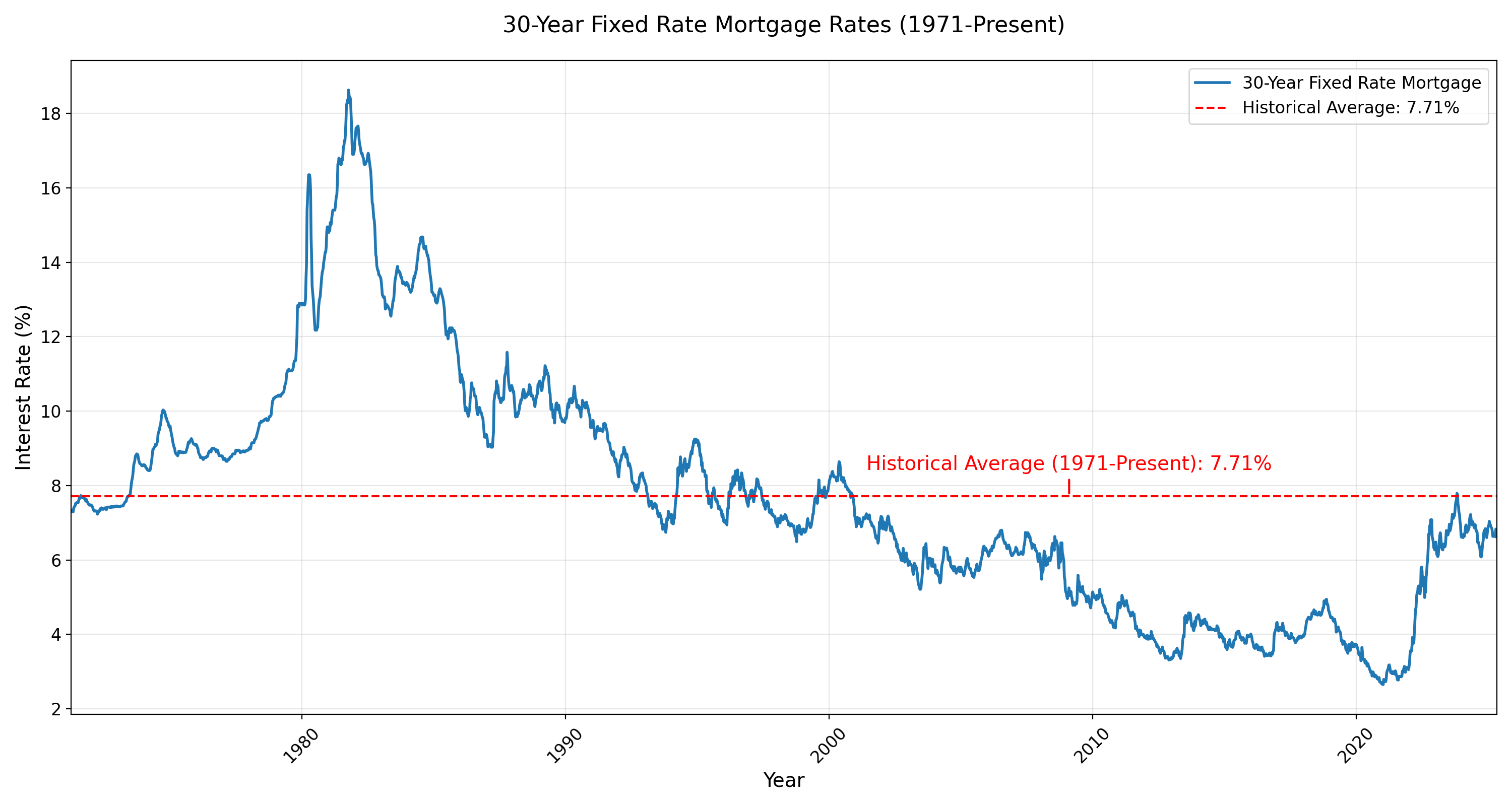
Mortgage rates are dynamic, fluctuating daily based on a complex interplay of economic indicators, Federal Reserve policies, and market forces. Understanding these influences is key to comprehending why rates move as they do.
Economic Indicators
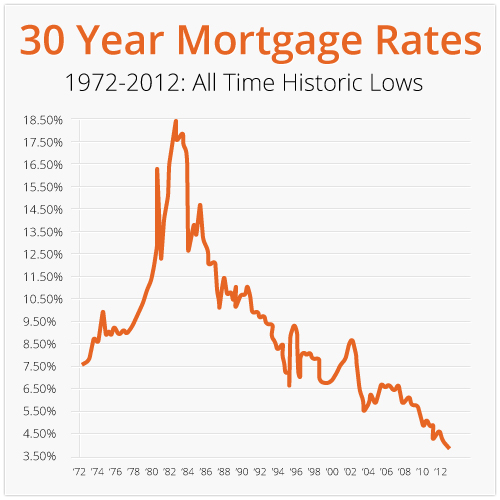
A variety of economic data points exert significant influence over mortgage rates. Inflation, for instance, is a major concern for lenders; if inflation is expected to rise, they demand higher rates to ensure their returns aren’t eroded over time. Strong GDP growth and low unemployment figures can signal a robust economy, which often leads to expectations of higher inflation and, consequently, higher interest rates. Conversely, signs of economic slowdown or recession can drive rates down as investors seek the safety of bonds, which indirectly affects mortgage rates.
Federal Reserve Policy and Treasury Yields
While the Federal Reserve does not directly set mortgage rates, its actions profoundly impact them. The Fed’s monetary policy, particularly its decisions on the federal funds rate, influences short-term interest rates across the economy. More directly, mortgage rates tend to track the yield on the 10-year Treasury note. When bond investors demand higher yields for Treasuries, mortgage rates typically follow suit because mortgages are often packaged into mortgage-backed securities (MBS) which compete with government bonds for investor attention.
Lender-Specific Factors
Beyond broad market trends, individual borrower characteristics and lender policies also play a role in the specific rate offered. A borrower’s credit score is paramount; a higher score indicates lower risk to the lender, typically resulting in a lower interest rate. The size of the down payment also matters, as a larger down payment (and thus lower loan-to-value ratio) reduces the lender’s risk. Loan type, property type, and even the specific lender’s competitive pricing strategies can influence the final rate a borrower receives.
Market Competition
The mortgage market is highly competitive, with numerous lenders vying for business. This competition can sometimes lead to tighter margins and lower rates being offered to attract borrowers. Lenders frequently adjust their rates in response to what competitors are offering, creating a dynamic environment where shopping around for the best rate is always advisable.
Pros and Cons of a 30-Year Fixed-Rate Mortgage
While immensely popular, the 30-year fixed-rate mortgage is not without its trade-offs. A balanced perspective requires examining both its advantages and disadvantages.
Advantages: Predictability, Lower Payments, Equity Building
The primary advantages have been highlighted: unparalleled payment predictability, making budgeting straightforward; significantly lower monthly payments compared to shorter-term loans, enhancing affordability; and the consistent, albeit gradual, accumulation of home equity. This combination provides financial security and a clear path to homeownership for many. Furthermore, the option to make additional principal payments without penalty allows borrowers to accelerate their equity building and shorten the loan term if their financial situation improves.
Disadvantages: Higher Total Interest Paid, Slower Equity Accumulation
The main drawback of a 30-year fixed-rate mortgage is the total amount of interest paid over the life of the loan. Because the repayment period is extended, more interest accrues compared to a 15-year fixed loan for the same principal amount. This means the overall cost of borrowing is higher. Consequently, equity accumulation is slower in the initial years compared to a shorter-term mortgage, as a larger portion of early payments goes towards interest rather than principal reduction. For those with sufficient cash flow, a shorter term might be a more cost-effective choice in the long run.
Is a 30-Year Fixed Rate Right for You?
Deciding whether a 30-year fixed-rate mortgage is the optimal choice depends heavily on individual financial circumstances, goals, and risk tolerance. There is no one-size-fits-all answer, and careful consideration is paramount.
Assessing Your Financial Goals
Before committing to any mortgage, evaluate your long-term financial objectives. Are you prioritizing the lowest possible monthly payment to free up cash for investments or other expenses? Do you foresee moving within a few years, making the long-term cost less critical than initial affordability? Or is minimizing the total interest paid your primary goal, even if it means higher monthly payments? Your answers to these questions will guide your decision. A 30-year fixed is often ideal for those seeking long-term stability and lower immediate costs.
Comparing with Other Mortgage Options
It’s essential to compare the 30-year fixed rate against alternatives. A 15-year fixed-rate mortgage, for example, comes with higher monthly payments but substantially lower total interest costs and faster equity growth. Adjustable-rate mortgages (ARMs) can offer very low initial rates, suitable for those who expect to sell or refinance before the rate adjusts, or who are comfortable with potential payment fluctuations. Each option carries its own risk-reward profile, and a thorough comparison based on your personal financial projections is critical.
The Role of Refinancing
Even if you choose a 30-year fixed-rate mortgage, it’s important to remember that it’s not necessarily a permanent commitment to that specific rate. If interest rates drop significantly, or your financial situation improves, you may have the option to refinance. Refinancing involves taking out a new loan to pay off your existing mortgage, potentially securing a lower interest rate or changing the loan term. This flexibility adds another layer to the appeal of fixed-rate mortgages, allowing homeowners to adapt to changing market conditions while initially benefiting from long-term payment stability.
In conclusion, the 30-year fixed-rate mortgage offers an attractive combination of predictability, affordability, and protection against interest rate volatility, making it a cornerstone of homeownership for millions. By understanding its mechanics, benefits, and the factors that influence its rates, prospective homeowners can make informed decisions that align with their financial security and long-term aspirations.
aViewFromTheCave is a participant in the Amazon Services LLC Associates Program, an affiliate advertising program designed to provide a means for sites to earn advertising fees by advertising and linking to Amazon.com. Amazon, the Amazon logo, AmazonSupply, and the AmazonSupply logo are trademarks of Amazon.com, Inc. or its affiliates. As an Amazon Associate we earn affiliate commissions from qualifying purchases.