
In the traditional landscape of corporate communications, the prevailing wisdom for decades was to maintain a “third-person” distance. Companies spoke as monolithic entities, using formal, detached language that suggested stability, scale, and objective authority. However, as the digital economy has shifted toward transparency and relationship-based commerce, the “1st person point of view” has emerged as one of the most potent tools in a brand strategist’s arsenal.
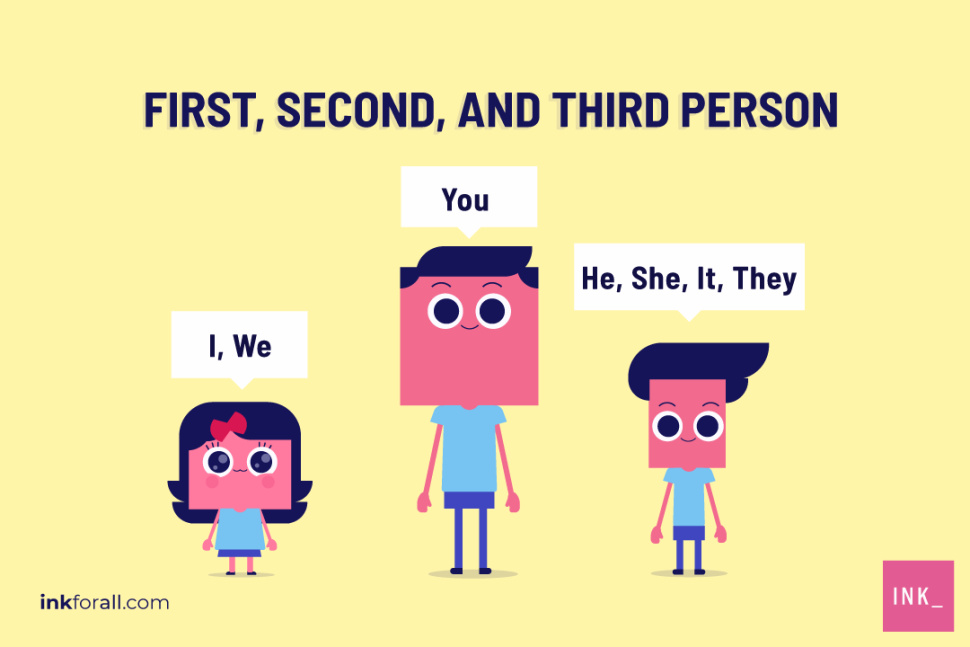
In the context of branding, the first-person point of view is the strategic decision to communicate using “I” (personal branding) or “we” (corporate branding). This perspective removes the invisible wall between the organization and the consumer, creating a direct line of sight into the brand’s values, personality, and humanity. It is the linguistic foundation of the “Human-to-Human” (H2H) marketing movement, prioritizing connection over conversion.

The Psychology of ‘I’ and ‘We’ in Modern Branding
The shift toward a first-person perspective is not merely a stylistic trend; it is a response to a fundamental change in consumer psychology. Modern buyers, particularly Millennials and Gen Z, are increasingly skeptical of “faceless” corporations. They seek alignment between their personal values and the brands they support. Using a first-person POV facilitates this alignment by personifying the brand.
Shifting from Institutional to Relational
When a brand speaks in the third person—referring to itself as “The Company” or “Our Firm”—it establishes a hierarchy. It positions the brand as an institution. While this can convey reliability, it often feels cold and inaccessible. In contrast, the first-person POV is inherently relational. By saying “We believe in sustainable sourcing” instead of “Sustainability is a core pillar of the organization,” a brand takes ownership. It moves from an abstract concept to a collective of people making active choices. This shift fosters a sense of partnership with the audience, suggesting that the brand is not just a provider of goods, but a participant in a shared culture.
The Rise of the Founder’s Voice
Perhaps the most visible application of the first-person “I” is in the realm of personal branding and founder-led marketing. Founders like Yvon Chouinard of Patagonia or Sara Blakely of Spanx have demonstrated how a singular first-person narrative can drive brand loyalty more effectively than any multi-million dollar ad campaign. When a founder speaks in the first person, they provide a “why” that is rooted in personal experience. This narrative creates a “hero’s journey” that customers can follow, making the brand’s successes feel like the customer’s successes.
Strategic Advantages of Using the First Person Point of View
Adopting a first-person perspective offers several competitive advantages in a crowded marketplace. It changes the nature of the brand’s “voice,” making it more distinct, memorable, and, most importantly, trustworthy.
Building Immediate Authenticity
Authenticity is often cited as the most important factor in brand health, yet it is the hardest to manufacture. The first-person POV is a shortcut to authenticity because it implies accountability. When a brand says, “We messed up, and we are going to fix it,” it sounds like a human apology. When a brand says, “Mistakes were made, and the company is reviewing its protocols,” it sounds like a legal disclaimer. The former builds trust; the latter builds suspicion. By using first-person pronouns, brands signal that there are real people behind the logo who are willing to stand by their words and actions.
Enhancing Emotional Resonance and Storytelling
Storytelling is the heart of effective brand strategy, and the best stories are told from the first-person perspective. The 1st person POV allows for the use of sensory details and emotional vulnerability. It enables a brand to share its “origin story” not as a dry timeline of events, but as a passionate narrative of struggle and triumph. This emotional resonance is what transforms a casual shopper into a brand advocate. When a brand shares its journey using “we,” it invites the customer to join the story, turning the act of purchasing into an act of participation.
Clarifying Brand Ownership and Responsibility
In an era of “socially conscious” branding, the first-person POV acts as a pledge. Using “we” allows a brand to claim its mission with more vigor. It clarifies who is responsible for the brand’s impact on the world. This is particularly effective in high-stakes industries like finance or healthcare, where consumers need to feel a personal connection to the people managing their wealth or well-being. A statement like “We invest your money as if it were our own” carries a weight that a third-person corporate mission statement simply cannot match.

Implementing 1st Person POV Across Different Platforms
A first-person strategy must be executed with consistency across all touchpoints to be effective. However, the tone and application of “I” and “we” should be tailored to the specific context of each platform.
Social Media: The Natural Home of the Personal Voice
Social media platforms are designed for individual interaction, making them the ideal environment for a first-person brand voice. On platforms like LinkedIn, Instagram, or X (formerly Twitter), the third-person voice feels out of place and “corporate.” Brands that succeed on these platforms often adopt a “we” that feels like a group of friends or a mentor. They use the first person to engage in conversations, reply to comments, and share “behind-the-scenes” content that demystifies the company’s operations. This approach humanizes the brand and encourages higher engagement rates.
Email Marketing: Turning Broadcasts into Conversations
Email is one of the few “private” digital spaces left, and the first-person POV is essential for respecting that privacy. An email from a “noreply” address written in the third person feels like spam. An email written from the perspective of a specific team member—or the founder—using “I” or “we” feels like a letter. This “personal letter” format has been shown to significantly increase open and click-through rates. It transforms a marketing blast into a one-on-one dialogue, allowing the brand to build a deeper, more personal rapport with its subscribers over time.
Content Marketing: Thought Leadership Through a Personal Lens
In content marketing, the first-person POV is the engine of thought leadership. While whitepapers might still benefit from a more formal tone, blog posts, opinion pieces, and case studies thrive on personal insight. By sharing “what we learned” or “how I solved this problem,” a brand positions itself as an expert that is also a practitioner. This perspective provides a unique “vantage point” that third-person reporting cannot replicate. It offers the reader a peek into the brand’s proprietary methodology and internal culture, which serves as a powerful differentiator.
Navigating the Challenges: When ‘I’ Becomes ‘Too Much’
While the first-person POV is powerful, it is not without its risks. Brand strategists must strike a delicate balance to ensure the focus remains on the value provided to the customer, rather than the brand’s own ego.
Maintaining Professionalism vs. Personal Over-sharing
There is a fine line between being “human” and being “unprofessional.” In the pursuit of authenticity, some brands fall into the trap of over-sharing or using a tone that is too casual for their industry. The key is to ensure that the first-person narrative always serves a strategic purpose. Every “I” or “we” statement should ultimately lead back to how the brand helps the customer. If the narrative becomes too self-indulgent, it risks alienating the audience by making the brand seem narcissistic rather than relatable.
The Transition from Personal Brand to Corporate Entity
One of the greatest challenges for founder-led brands is the transition from “I” to “we.” As a company grows, it can no longer rely solely on the personality of its founder. The brand strategy must evolve to encompass a collective identity. This transition requires a careful recalibration of the first-person POV. The goal is to move from a single person’s voice to a “brand soul” that represents the entire team. If this transition is handled poorly, the brand can lose its perceived authenticity; if handled well, it can scale the intimacy of a small business into a global powerhouse.
The Future of the First-Person Brand
As we look toward the future of brand strategy, the first-person point of view will likely become the default rather than the exception. In a world increasingly saturated with automated content and AI-driven interactions, the “human” voice is the ultimate premium. Brands that can master the art of speaking as “we”—with all the vulnerability, passion, and accountability that entails—will be the ones that build the most enduring relationships with their customers.
The 1st person POV is more than a grammatical choice; it is a philosophy of business. it represents a commitment to being seen, being heard, and being held responsible. It is the voice of a brand that doesn’t just want to sell to its audience, but wants to exist alongside them. By adopting this perspective, brands can move beyond the limits of traditional marketing and enter a space of genuine community and shared identity. In the end, branding is not about what a company does; it is about who “we” are and why “we” do it.
aViewFromTheCave is a participant in the Amazon Services LLC Associates Program, an affiliate advertising program designed to provide a means for sites to earn advertising fees by advertising and linking to Amazon.com. Amazon, the Amazon logo, AmazonSupply, and the AmazonSupply logo are trademarks of Amazon.com, Inc. or its affiliates. As an Amazon Associate we earn affiliate commissions from qualifying purchases.