
In the rapidly evolving landscape of the cannabis industry, the focus is shifting from the dominant players—THC and CBD—toward a group of secondary compounds known as “minor cannabinoids.” Among these, Tetrahydrocannabivarin (THCV) has emerged as a high-value asset for investors, entrepreneurs, and biotechnology firms. While often overshadowed by its more famous cousins, THCV represents a unique market niche characterized by high barriers to entry, premium pricing, and a distinct consumer profile that bridges the gap between recreational use and the wellness industry.
For those looking at the cannabis sector through the lens of personal finance and institutional investment, understanding THCV is no longer optional. It is a critical component of a diversified cannabis portfolio.
The Revenue Profile of THCV: Beyond the “High”
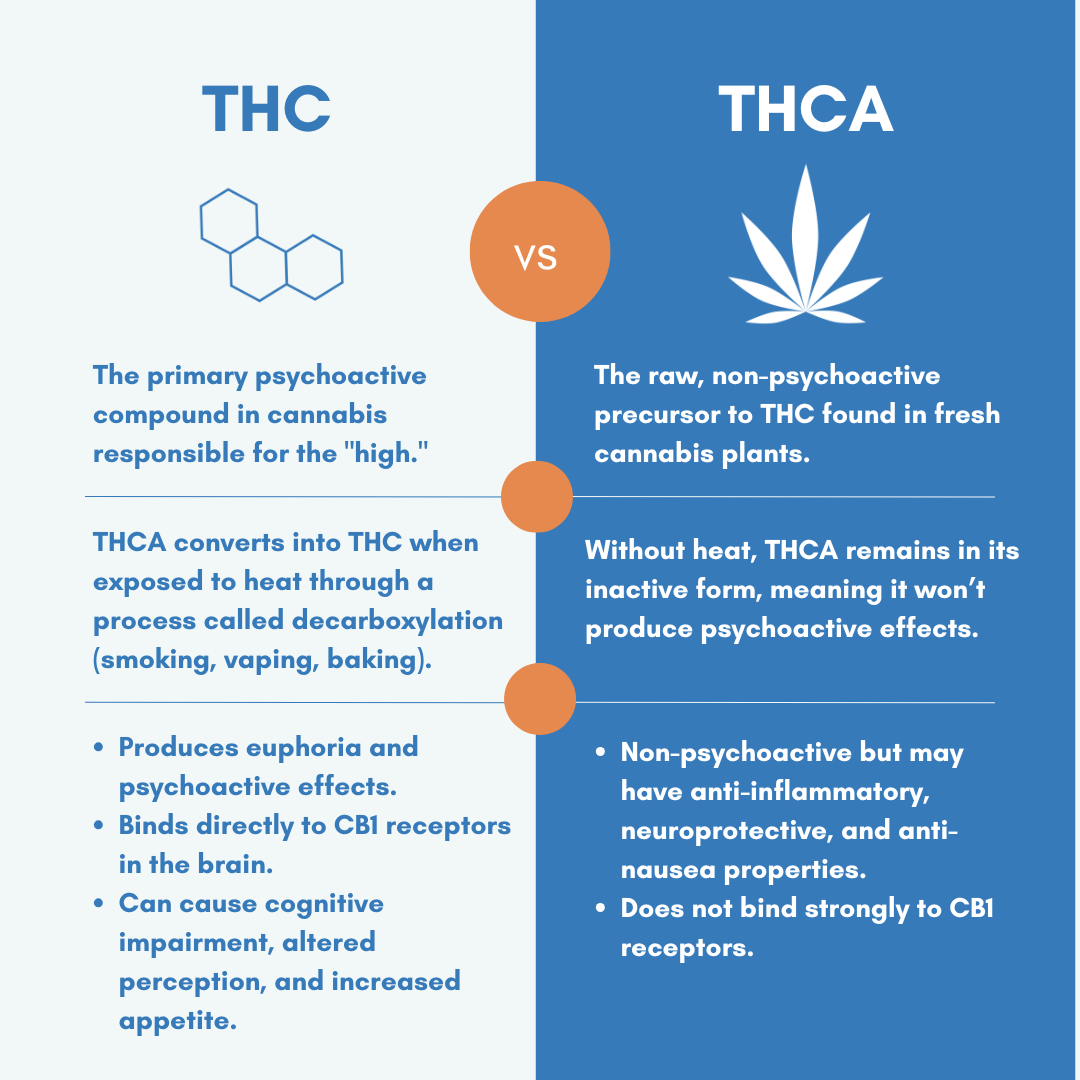
To understand the financial viability of THCV, one must first understand its pharmacological distinction. Unlike THC (Tetrahydrocannabinol), which is primarily associated with psychoactive “highs” and increased appetite, THCV is often referred to in trade journals as “the sport cannabinoid” or “diet weed.” In low doses, it is non-psychoactive and can even act as an appetite suppressant and energy booster.
From a business perspective, this creates a specific and highly lucrative market segment. While the market for THC is saturated and CBD prices have plummeted due to oversupply, THCV maintains a premium price point because it solves two of the biggest “pain points” for new cannabis consumers: the fear of over-intoxication and the undesirable side effect of the “munchies.”
Market Positioning and Consumer Demographics
The target demographic for THCV-infused products is significantly different from the traditional cannabis user. This compound appeals to the “wellness-conscious professional”—a demographic with higher disposable income. Products marketed for productivity, focus, and weight management allow companies to charge a premium. Currently, THCV isolate can command prices significantly higher than CBD, often trading at a 5x to 10x multiplier depending on purity and source.
The “Diet Weed” Upside
The global weight loss market is valued in the hundreds of billions. By positioning THCV as a natural alternative or supplement within this space, cannabis brands are moving out of the “dispensary” silo and into the broader “nutraceutical” sector. This transition is where the real money lies, as it opens the door to mainstream retail distribution and higher valuation multiples for the companies involved.
The Economics of Production: Scarcity as a Value Driver
The primary reason THCV has not yet reached the ubiquity of CBD is the economic challenge of production. In most cannabis strains, THCV appears only in trace amounts—usually less than 1%. Extracting a commercially viable amount of the compound from standard biomass is prohibitively expensive, creating a natural moat for companies that can solve the supply chain bottleneck.
High-Alpha Cultivation vs. Biosynthesis
There are currently two primary schools of thought regarding the commercialization of THCV, each presenting different investment risks and rewards:
- Specialized Cultivation: Some agricultural firms are focusing on “Type IV” cannabis—strains specifically bred to express high levels of THCV (some now reaching 15-20%). Investing in these genetics is a play on traditional agriculture and proprietary IP (Intellectual Property).
- Biosynthesis and Cellular Agriculture: This is the “Tech-meets-Money” play. Companies are using yeast or bacteria to “brew” cannabinoids in a lab setting. This method bypasses the need for large-scale farming and soil, offering a more scalable, albeit capital-intensive, path to mass production. For the investor, biosynthesis companies offer the potential for software-like margins if they can achieve price parity with traditional extraction.
Supply Chain Arbitrage
Because THCV is rare, there is a significant opportunity for arbitrage within the supply chain. Early-movers who secure off-take agreements with the few high-yield producers can control the retail market. We are seeing a trend where mid-sized cannabis MSOs (Multi-State Operators) are acquiring boutique genetic labs specifically to secure a proprietary supply of THCV, protecting their margins from the commodity price crashes seen in the THC flower market.

Strategic Investment Opportunities in the Rare Cannabinoid Sector
For investors looking to capitalize on the THCV trend, there are several avenues to consider, ranging from public equities to private equity and direct-to-consumer (DTC) brands.
Public Markets and Pure-Play Stocks
While few companies deal exclusively in THCV, several publicly traded biotech and cannabis firms have significant R&D budgets dedicated to minor cannabinoids. Investors should look for companies that hold patents on extraction technologies or specific formulations. The value of these companies is often tied more to their IP portfolio than their current quarterly revenue, making them a long-term play on the “cannabis-as-medicine” thesis.
Vertical Integration and Branding
The most immediate ROI (Return on Investment) is often found in brands that are successfully marketing THCV for specific “use-cases.” Vapes, tinctures, and gummies marketed for “Energy,” “Focus,” or “Appetite Control” are seeing high velocity in mature markets like Colorado and California. These brands represent “Brand Equity” plays. As the industry consolidates, these niche brands become prime targets for acquisition by larger CPG (Consumer Packaged Goods) companies looking to diversify their portfolios.
Risk Management: The Regulatory Landscape
No financial analysis of a cannabis-related compound is complete without a look at regulatory risk. Currently, THCV exists in a legal gray area. If derived from hemp (cannabis with less than 0.3% THC), it is technically legal under the 2018 Farm Bill in the United States. However, the FDA has not yet cleared it as a dietary supplement.
Investors must account for the “regulatory discount.” This means that while the growth potential is exponential, the risk of a sudden change in federal enforcement could lead to temporary illiquidity. Diversification across different jurisdictions (e.g., investing in companies with footprints in Europe or Canada) is a common strategy to mitigate this risk.
The Future of THCV: Market Projections and Scalability
As we look toward the 2025-2030 window, the “minor cannabinoid” market is expected to grow at a CAGR (Compound Annual Growth Rate) that outpaces the broader cannabis market. THCV is at the forefront of this growth because it aligns with global consumer trends toward health, wellness, and bio-hacking.
Scaling to the Mass Market
The transition from a “luxury” cannabinoid to a mass-market ingredient depends on the stabilization of the supply chain. As extraction costs fall through technological innovation, we expect to see THCV integrated into mainstream products—think energy drinks, pre-workout supplements, and even functional snacks.
For the business owner, this means the current period is the “accumulation phase.” Securing intellectual property, building brand recognition, and establishing supply lines now will be the difference-maker when the compound eventually reaches price equilibrium.
The Role of Precision Medicine
Beyond the retail market, there is significant institutional money flowing into THCV for its potential in treating Type 2 diabetes and obesity. Clinical trials are expensive, but the payoff for a cannabinoid-based pharmaceutical is in the billions. Investors with a high risk tolerance may look toward the clinical-stage biotech firms that are specifically researching THCV’s impact on glucose intolerance and insulin sensitivity.

Conclusion: Why THCV Matters to Your Portfolio
THCV is more than just another compound found in a plant; it is a signal of the cannabis industry’s maturation. The shift from “getting high” to “getting healthy” represents a fundamental change in the sector’s economic engine. For the savvy investor or business strategist, THCV offers a rare combination: a product with high demand, low competition, and a compelling narrative that fits into the broader wellness economy.
Whether through direct investment in cultivation technology, the acquisition of retail brands, or the funding of biosynthetic research, the financial path forward is clear. Those who understand the unique value proposition of THCV today are positioning themselves to lead the high-margin cannabis markets of tomorrow. The “green rush” isn’t over; it’s simply becoming more specialized, and THCV is the most promising frontier in that evolution.
aViewFromTheCave is a participant in the Amazon Services LLC Associates Program, an affiliate advertising program designed to provide a means for sites to earn advertising fees by advertising and linking to Amazon.com. Amazon, the Amazon logo, AmazonSupply, and the AmazonSupply logo are trademarks of Amazon.com, Inc. or its affiliates. As an Amazon Associate we earn affiliate commissions from qualifying purchases.