
In the landscape of modern alternative investments and emerging commodity markets, few molecules hold as much financial weight as Delta-9-tetrahydrocannabinol, commonly known as Delta 9 THC. While often discussed in biological or social contexts, Delta 9 represents the primary value driver of a multi-billion dollar global industry. For investors, entrepreneurs, and financial analysts, understanding Delta 9 is not merely about understanding a compound; it is about understanding the fundamental unit of commerce within the legal cannabis economy.
As legalization spreads across North America and Europe, Delta 9 has transitioned from an illicit substance to a sophisticated financial asset. It is the benchmark against which market stability, consumer demand, and corporate valuations are measured. To grasp the scale of the “Green Rush,” one must first analyze the economic mechanics of Delta 9 THC, its impact on market capitalization, and its role in shaping the future of institutional finance.
The Financial Foundation of the Cannabinoid Industry
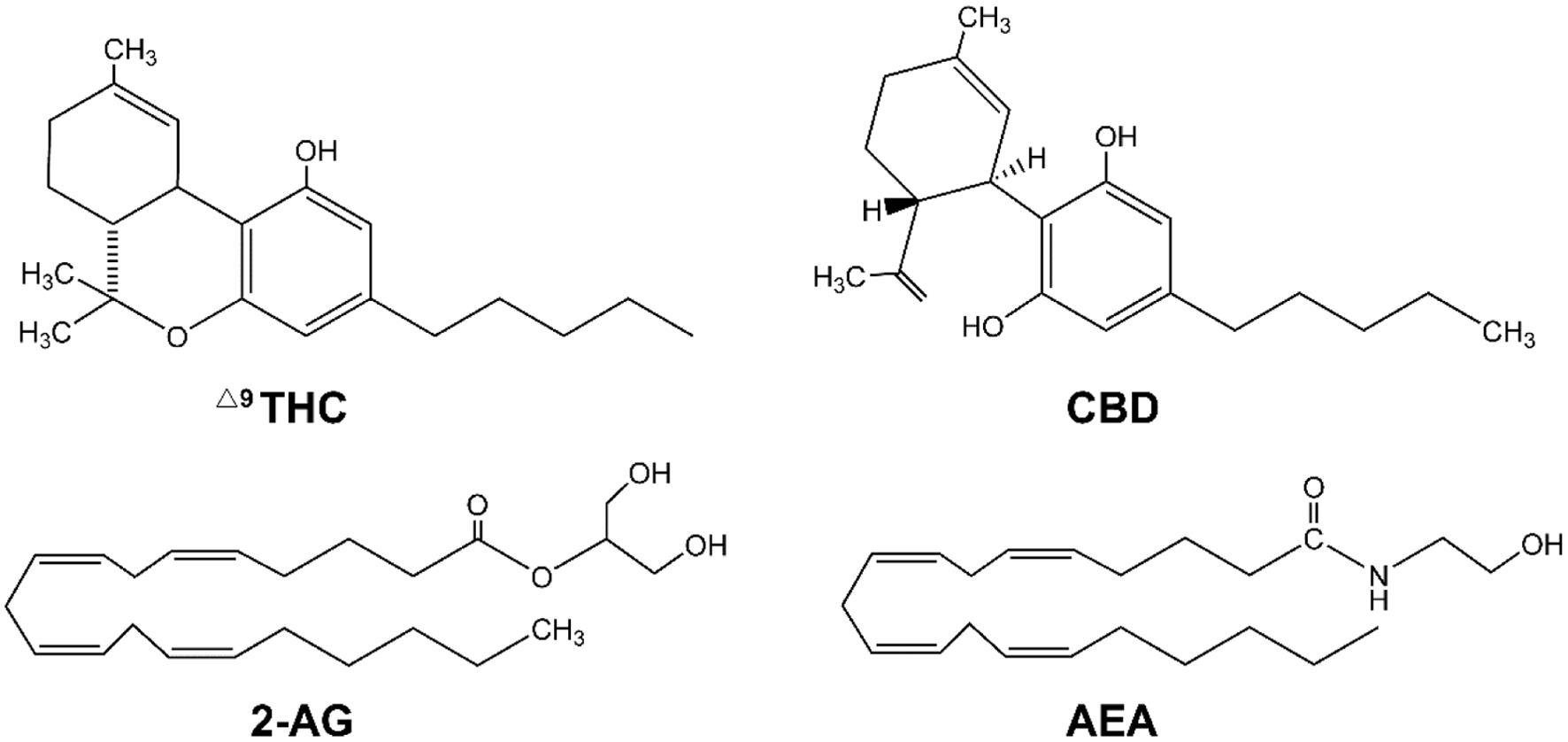
Delta 9 THC is the most abundant and well-known psychoactive compound found in the cannabis plant. From a business perspective, it is the “anchor product.” Unlike secondary cannabinoids such as CBD, CBG, or even the newer Delta 8, Delta 9 remains the primary reason for the existence of the regulated dispensary market. It is the high-margin component that fuels the revenue engines of Multi-State Operators (MSOs) and Licensed Producers (LPs).
Market Valuation and Growth Projections
The valuation of the global cannabis market is intrinsically tied to the accessibility and sale of Delta 9. Recent data suggests that the legal cannabis market, dominated by Delta 9 products, is projected to reach a compound annual growth rate (CAGR) exceeding 20% over the next decade. In the United States alone, legal sales topped $30 billion in 2023, with the vast majority of that revenue derived from products standardized by their Delta 9 content.
For investors, these projections represent a rare opportunity in a saturated global economy. Delta 9 functions as a “recession-resistant” commodity. Historical sales data indicates that during economic downturns, consumer spending on Delta 9 products remains relatively stable, mirroring the behavior of the alcohol and tobacco sectors. This stability makes companies that specialize in high-quality Delta 9 extraction and retail highly attractive for private equity and venture capital.
The “Gold Standard” of Consumer Demand
In any retail market, the product with the highest consistent demand dictates the health of the supply chain. Delta 9 THC is the “Gold Standard” of the cannabinoid world. While hemp-derived alternatives have fluctuated in popularity due to shifting legal definitions, Delta 9 maintains a loyal and growing consumer base. This consistency allows for more accurate financial forecasting and inventory management.
From a brand perspective, the potency and purity of Delta 9 are the primary metrics used to price products. Whether it is premium flower, concentrated oils, or infused edibles, the Delta 9 percentage acts as a price multiplier. Companies that can achieve high Delta 9 yields with lower operational expenditures (OpEx) are the ones currently leading the market in terms of EBITDA (Earnings Before Interest, Taxes, Depreciation, and Amortization).
Investment Strategies in the Delta 9 Sector
Navigating the Delta 9 market requires a nuanced understanding of both the equity markets and the underlying physical assets. Unlike traditional tech stocks, the Delta 9 sector is heavily influenced by geography, local regulation, and the distinction between marijuana-derived and hemp-derived molecules.
Publicly Traded Entities vs. Private Equity
For the average investor, the most visible entry point into the Delta 9 economy is through publicly traded MSOs. These companies operate the entire supply chain—from cultivation to the retail counter. However, because cannabis remains federally illegal in the U.S., many of these firms are forced to trade on secondary exchanges or the Canadian Securities Exchange (CSE). This creates a unique “liquidity discount,” where companies with massive revenues trade at lower multiples than their counterparts in other sectors.
Private equity, on the other hand, often focuses on the infrastructure surrounding Delta 9. This includes “pick and shovel” plays: companies providing the lighting, irrigation, and extraction technology necessary to produce Delta 9 at scale. These investments are often seen as lower risk because they provide essential services to the industry without ever “touching the plant,” thereby avoiding some of the more draconian tax implications faced by direct sellers.
Navigating Regulatory Risks for Maximum ROI
The greatest variable in the Delta 9 financial equation is regulation. The 2018 Farm Bill created a significant shift in the market by legalizing hemp-derived cannabinoids. This led to a surge in hemp-derived Delta 9 products—edibles that contain less than 0.3% THC by dry weight, making them federally legal to ship across state lines.

This “hemp loophole” has created a massive secondary market. Smart money is currently flowing into brands that utilize this loophole to build national footprints without the heavy overhead of state-by-state licensing. However, the potential for a “regulatory reset” in the next Farm Bill remains a high-stakes risk factor. Investors must balance the immediate high returns of the hemp-derived sector against the long-term stability of the heavily regulated, state-licensed Delta 9 market.
Revenue Models and Retail Economics
The profitability of Delta 9 is not uniform across the supply chain. Understanding where the highest margins reside is crucial for any business strategist or entrepreneur entering the space.
Profit Margins in Extraction and Infusion
While cultivation is the most visible part of the process, it is often the most commoditized. As more states legalize, the price of raw cannabis flower tends to drop due to increased supply. The real “Money” in Delta 9 is found in value-added processing—specifically extraction and infusion.
Delta 9 distillates and isolates are the ingredients for the industry’s most profitable products: vape cartridges and edibles. These products offer significantly higher margins than raw flower because they allow for precise branding, shelf-stability, and lower shipping costs. A company that controls its own extraction facility can often see gross margins 15-25% higher than a pure-play cultivator.
The Impact of State-Level Legalization on Local Economies
Delta 9 is also a significant driver of tax revenue and local economic revitalization. In states like Colorado, Washington, and more recently, New York and New Jersey, Delta 9 sales have contributed hundreds of millions of dollars to state coffers. This “tax windfall” is often earmarked for education, infrastructure, and social equity programs.
For local business owners, the “ancillary economy” generated by Delta 9 is substantial. Real estate values in “Green Zones” (areas zoned for cannabis business) often see a sharp increase. Security firms, legal consultancies, and specialized accounting firms have all built multi-million dollar practices solely around the needs of Delta 9 businesses.
Future Outlook: The Intersection of Delta 9 and Institutional Capital
The final frontier for the Delta 9 economy is the full entry of institutional capital. Currently, many large-scale investment banks and institutional funds are sidelined due to federal prohibition. However, the landscape is shifting rapidly.
Banking Reform and its Financial Implications
The potential passage of the SAFER Banking Act (or similar legislation) would be a watershed moment for the Delta 9 market. Currently, cannabis businesses often operate in a cash-heavy environment, which increases insurance costs and limits their ability to take out traditional business loans.
Once Delta 9 businesses gain full access to the U.S. banking system, the cost of capital will plummet. This will lead to a massive wave of consolidation, as larger players use cheap debt to acquire smaller, independent operators. For the early-stage investor, this “M&A (Mergers and Acquisitions) fever” represents the ultimate exit strategy.

Global Export Potential and Emerging Markets
While the U.S. remains the largest consumer of Delta 9, the global market is the next major growth horizon. Germany’s recent moves toward legalization and the established medicinal markets in Israel and Australia suggest that Delta 9 will soon become a globally traded commodity.
The companies that can establish international supply chains and adhere to Good Manufacturing Practices (GMP) will be positioned to dominate the 2030s. We are likely to see the emergence of “Big Cannabis”—global conglomerates that mirror the scale of today’s beverage and pharmaceutical giants. At the heart of this global expansion will remain the Delta 9 molecule, the primary driver of consumer desire and corporate profit.
In conclusion, Delta 9 THC is far more than a biological curiosity or a recreational staple. It is a powerful financial instrument that is currently reshaping tax codes, investment portfolios, and retail landscapes. Whether through direct equity, infrastructure support, or the burgeoning hemp-derived market, the economic influence of Delta 9 is undeniable and, for those with the right financial acumen, highly lucrative.
aViewFromTheCave is a participant in the Amazon Services LLC Associates Program, an affiliate advertising program designed to provide a means for sites to earn advertising fees by advertising and linking to Amazon.com. Amazon, the Amazon logo, AmazonSupply, and the AmazonSupply logo are trademarks of Amazon.com, Inc. or its affiliates. As an Amazon Associate we earn affiliate commissions from qualifying purchases.