
While Thanksgiving is colloquially defined as a time for gratitude and family gatherings, from a financial and macroeconomic perspective, it represents one of the most significant fiscal catalysts in the United States. It is the definitive anchor for the fourth quarter (Q4), serving as the gateway to the highest-grossing retail period of the year. For investors, business owners, and personal finance analysts, Thanksgiving is more than a cultural milestone; it is a complex intersection of commodity fluctuations, massive logistical expenditures, and a bellwether for consumer sentiment.

Understanding the economic machinery of Thanksgiving requires looking beyond the dinner table to analyze the “Turkey Index,” the travel industry’s revenue spikes, and the strategic retail shifts that define the modern American economy.
The Thanksgiving Meal: A Micro-Study in Commodity Prices and Inflation
The centerpiece of the American Thanksgiving is the feast, but for economists, this meal serves as a vital case study in food price inflation and supply chain resilience. Every year, the American Farm Bureau Federation tracks the average cost of a Thanksgiving dinner, providing a snapshot of the purchasing power of the average American household.
The Cost of the Traditional Basket
The “Thanksgiving Basket” typically includes a 16-pound turkey, stuffing, sweet potatoes, rolls, peas, cranberries, pumpkin pie mix, and milk. In years of high inflation, this basket becomes a primary indicator of “agriflation”—inflation driven by rising prices of agricultural products. The price of turkey, in particular, is subject to volatile swings based on avian flu outbreaks, grain prices (for feed), and fuel costs for transportation. For personal finance management, the cost of the Thanksgiving meal is often the first significant hit to a household’s holiday budget, requiring strategic planning and the utilization of grocery-specific financial tools or rewards programs to mitigate costs.
Retail Pricing Strategies and “Loss Leaders”
From a business finance perspective, the way grocery chains handle Thanksgiving is a masterclass in marketing and loss-led pricing. Many major retailers sell turkeys at a loss or at a very thin margin to entice consumers into the store. The logic is simple: if a shopper buys their 20-pound bird at a specific supermarket, they are likely to purchase the remaining $100 to $200 worth of high-margin sides, beverages, and desserts at the same location. This strategy showcases the importance of customer acquisition costs (CAC) in the retail sector during peak seasonal windows.
The Travel Economy: The High Cost of Seasonal Mobility
Thanksgiving is historically the busiest travel period in the United States. Millions of Americans traverse the country via air, rail, and road, creating a massive influx of liquidity into the transportation and energy sectors. This surge in demand provides a significant revenue boost for airlines, gas stations, and the hospitality industry, but it also places immense pressure on infrastructure and consumer wallets.
Aviation Revenue and Fuel Hedging
Airlines see some of their highest yields during the Thanksgiving week. Because the travel window is so narrow—typically peaking on the Wednesday before and the Sunday after the holiday—the demand-supply imbalance allows carriers to implement aggressive dynamic pricing. For the savvy traveler and personal finance enthusiast, this period highlights the value of travel hacking and the strategic use of credit card points. From a corporate finance standpoint, airlines must navigate the volatility of jet fuel prices and labor costs, often hiring seasonal staff or offering overtime to handle the “Thanksgiving Rush.”
The Ripple Effect on Local Hospitality
The travel associated with Thanksgiving creates a secondary economic boom for the hospitality sector. While many people stay with family, a significant percentage of travelers utilize hotels, Airbnbs, and rental car services. This period often sees “surge pricing” in secondary and tertiary markets—smaller towns that may not be tourist destinations but are “family hubs.” This provides a seasonal income boost for local entrepreneurs and small business owners who participate in the gig economy or own short-term rental properties.
The Commercial Evolution: Thanksgiving as the Anchor for Q4 Retail
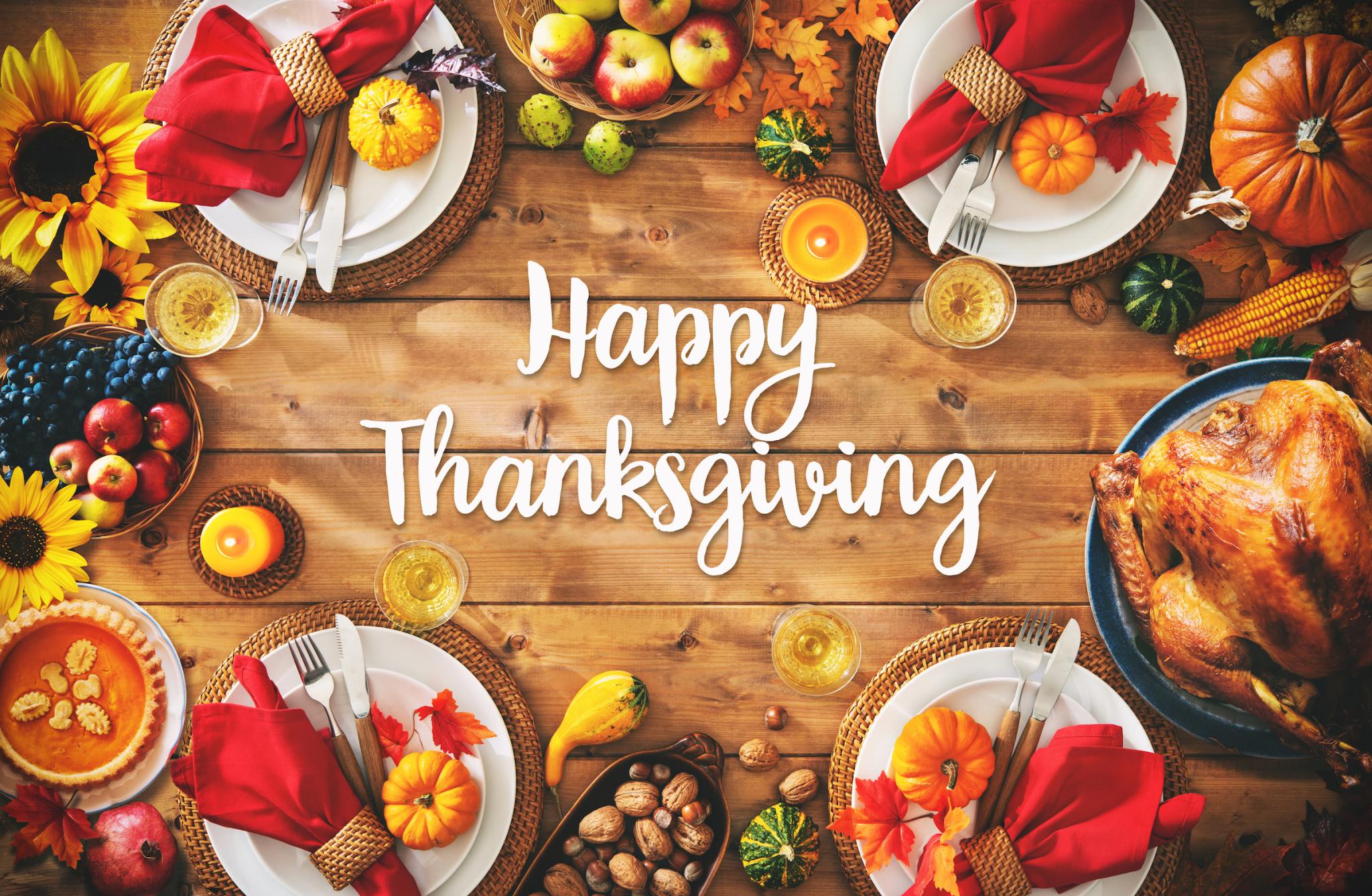
Perhaps the most significant financial aspect of Thanksgiving is its role as the precursor to Black Friday and Cyber Monday. In recent decades, the lines between the holiday itself and the shopping season have blurred, creating what analysts call the “Cyber Five”—the five-day period from Thanksgiving Day through Cyber Monday.
The Transition to “Grey Thursday” and Digital Dominance
Historically, stores were closed on Thanksgiving, but the “Black Friday” phenomenon eventually crept into the holiday itself, leading to the term “Grey Thursday.” While some retailers have returned to closing on the holiday to improve corporate identity and employee morale, the digital economy has ensured that Thanksgiving remains a high-volume shopping day. E-commerce platforms see billions of dollars in transactions as consumers shop from their mobile devices between courses of dinner. This shift has forced companies to invest heavily in digital infrastructure and UX design to capture “couch commerce” revenue.
Consumer Credit and the Buy Now, Pay Later (BNPL) Trend
The financial structure of Thanksgiving shopping has been revolutionized by the advent of “Buy Now, Pay Later” (BNPL) services. As consumers face the pressure of holiday spending, many turn to these short-term financing tools to manage their cash flow. While this increases conversion rates for retailers, it introduces new risks into the personal finance ecosystem. Analyzing the uptick in consumer debt following the Thanksgiving weekend is a critical task for economists monitoring the health of the American middle class. The holiday serves as a litmus test for whether consumers are spending out of discretionary income or relying on credit to maintain their lifestyle.
Labor Markets and the Productivity Paradox
Thanksgiving introduces a unique dynamic into the American labor market. It is one of the few days in the year where a significant portion of the private and public sectors shuts down simultaneously, creating a “productivity paradox.”
Seasonal Employment and Gig Economy Spikes
To handle the logistical nightmare of Thanksgiving, companies like Amazon, UPS, and FedEx, along with major retailers, onboard hundreds of thousands of seasonal workers. This provides a temporary reduction in unemployment figures and a boost in household income for those seeking side hustles. Furthermore, the “Last Mile” delivery economy—apps like DoorDash, Instacart, and Uber—sees a massive spike in activity as people order last-minute ingredients or prepared meals, funneling money into the gig economy at an unprecedented rate.
The Opportunity Cost of National Closures
From a macro-perspective, the national closure on Thanksgiving represents a significant loss in potential GDP for that 24-hour period. However, many economists argue that the rest and recuperation provided by the holiday actually contribute to long-term productivity. Furthermore, the concentration of spending into the following days often compensates for the day of closure. For business owners, Thanksgiving is a time to balance the “Human Capital” cost of employee burnout against the “Financial Capital” opportunity of staying open.
Strategic Financial Planning: Navigating the Thanksgiving Season
For the individual investor or the budget-conscious consumer, understanding the “what” of Thanksgiving is about identifying opportunities for savings and growth. The holiday is a period of peak consumption, which means it is also a period of peak data generation for those who follow market trends.
Leveraging Holiday Volatility
Stock market enthusiasts often look for the “Santa Claus Rally,” but the trend often begins with Thanksgiving. Strong retail sales data from the holiday weekend can drive up the stock prices of major retailers and tech giants. Conversely, a weak Thanksgiving weekend can signal a cooling economy and lead to a conservative outlook for the following fiscal year. By monitoring these trends, investors can make more informed decisions about their Q4 portfolios.

Personal Finance: The Thanksgiving “Check-Up”
Because Thanksgiving falls at the end of November, it serves as an ideal time for an annual financial check-up. As families gather and discuss their plans for the upcoming year, many use this period to review their investment portfolios, tax-loss harvesting strategies, and year-end charitable contributions. In this sense, the holiday is not just a time for spending, but a critical juncture for financial reflection and strategic planning for the year ahead.
In conclusion, “What is Thanksgiving in the US?” is a question that can be answered through the lens of a massive, interconnected financial network. It is a day that tests the strength of the American supply chain, the resilience of the consumer, and the strategic agility of corporations. While the cultural significance remains paramount, the economic impact of Thanksgiving is what truly drives the American engine through the final months of the year. From the price of a turkey to the surge in e-commerce transactions, Thanksgiving is a multi-billion dollar phenomenon that defines the fiscal landscape of the United States.
aViewFromTheCave is a participant in the Amazon Services LLC Associates Program, an affiliate advertising program designed to provide a means for sites to earn advertising fees by advertising and linking to Amazon.com. Amazon, the Amazon logo, AmazonSupply, and the AmazonSupply logo are trademarks of Amazon.com, Inc. or its affiliates. As an Amazon Associate we earn affiliate commissions from qualifying purchases.