
To the casual observer, Texas Roadhouse is a successful American chain restaurant specializing in steaks, ribs, and fresh-baked rolls. However, from a strategic branding perspective, Texas Roadhouse is a masterclass in corporate identity, experiential marketing, and brand consistency. Since its founding in 1993 by Kent Taylor, the company has grown into a multi-billion dollar entity not merely by selling food, but by selling a specific, repeatable atmosphere that resonates with a broad demographic of consumers.
The brand represents a unique intersection of value-driven positioning and high-sensory engagement. In an era where many casual dining chains are struggling to maintain relevance against fast-casual competitors, Texas Roadhouse has managed to increase its footprint and customer loyalty by adhering strictly to a core set of brand pillars. To understand what Texas Roadhouse truly is, one must look past the menu and examine the strategic architecture that supports its massive market presence.
The Anatomy of a Powerhouse Brand: The “Legendary” Promise
At its core, the Texas Roadhouse brand is built on a foundation of “Legendary Food, Legendary Service.” While many companies utilize such superlatives as empty marketing jargon, Texas Roadhouse integrates these concepts into its operational DNA. The brand identity is defined by a commitment to authenticity and a “made-from-scratch” ethos that serves as its primary differentiator in a crowded marketplace.
The Product as the Hero
The brand’s visual and physical identity begins the moment a guest walks through the door. The prominent display of hand-cut steaks in a refrigerated glass case near the entrance is not an aesthetic accident; it is a strategic brand statement. By showcasing the raw product, the company communicates transparency and quality, reinforcing the brand promise that the food is fresh rather than pre-processed or frozen. This “meat-first” identity allows Texas Roadhouse to occupy a premium space in the consumer’s mind while maintaining a price point that remains accessible to the middle class.
Sensory Branding and the “Roadhouse” Atmosphere
One of the most distinct aspects of the Texas Roadhouse brand is its use of sensory triggers. Branding is often thought of as a visual exercise—logos, colors, and fonts—but Texas Roadhouse utilizes sound and smell to solidify its identity. The unmistakable aroma of fresh-baked yeast rolls with cinnamon honey butter is perhaps the most potent brand asset the company owns. It creates an immediate psychological association with comfort and generosity.
Furthermore, the brand embraces a “loud and proud” auditory environment. From the jukebox music to the occasional line-dancing performances by the staff, the brand rejects the quiet, reserved nature of traditional steakhouses. This creates a “Roadhouse” persona that feels unpretentious, energetic, and communal. By leaning into this high-energy environment, the brand successfully attracts families and large groups, positioning itself as a destination for celebration rather than just a place to eat.
Strategic Positioning: The Anti-Casual Dining Model
While competitors like Chili’s, Applebee’s, or TGI Fridays have spent the last decade diversifying their menus and attempting to chase health trends or modern “chic” aesthetics, Texas Roadhouse has remained remarkably disciplined. Its brand strategy is rooted in a refusal to be everything to everyone. Instead, it focuses on being the best at a very specific thing: the American steakhouse experience.
Value-Based Differentiation
In terms of market positioning, Texas Roadhouse operates in the “bridge” between low-end fast food and high-end fine dining. This is the “value-casual” segment. The brand’s strategy involves offering large portions and high-quality protein at a price point that feels like a bargain. This “value-to-volume” ratio is a key component of their brand equity. Customers feel they are getting “more for less,” which drives high frequency of visits and strong word-of-mouth marketing.
The Exclusion of National Advertising
A fascinating element of the Texas Roadhouse brand strategy is its historical avoidance of national television advertising. Most major restaurant brands spend hundreds of millions of dollars on national ad buys to maintain top-of-mind awareness. Texas Roadhouse, conversely, invests that capital back into the local level.
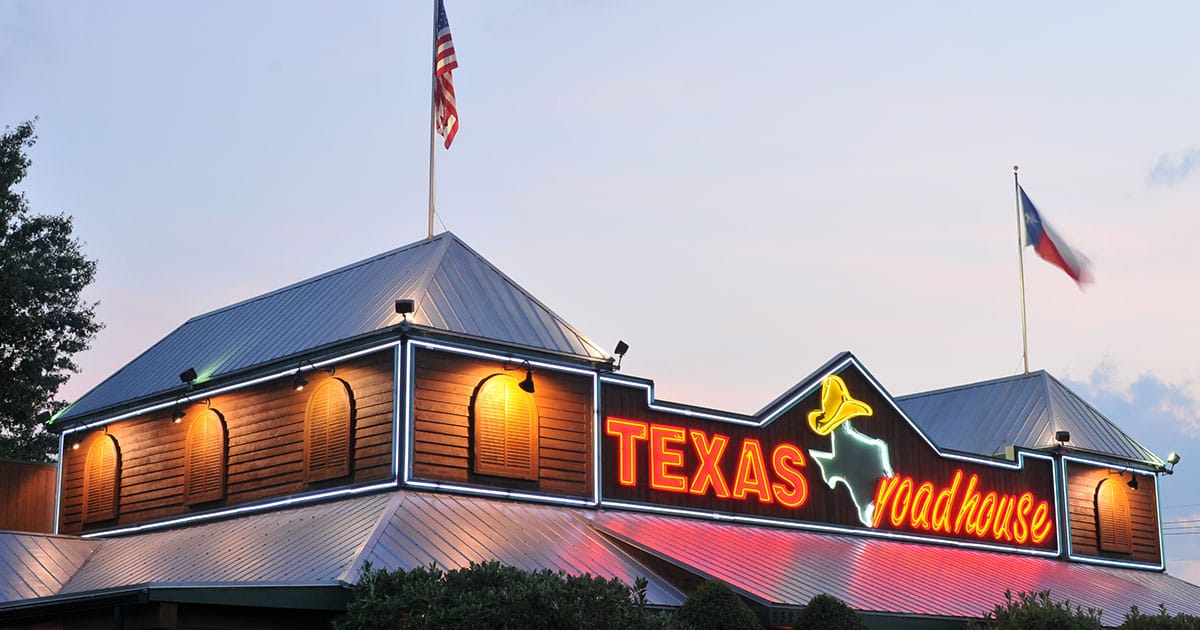
By focusing on “community-based marketing,” the brand builds a localized identity. Each store functions as a neighborhood hub, sponsoring local sports teams and participating in community events. This strategy shifts the brand perception from a “faceless national corporation” to a “local favorite.” It is a sophisticated approach to personal branding at a corporate scale.
The Managing Partner Model: Branding Through Ownership
A brand is only as strong as its execution, and Texas Roadhouse ensures execution through a unique corporate structure known as the Managing Partner program. This is a critical component of their brand strategy because it aligns the interests of the individual restaurant leader with the global brand identity.
“Skin in the Game” as a Quality Control Tool
Unlike most chains where managers are salaried employees with high turnover rates, Texas Roadhouse requires its Managing Partners to make a financial investment in their specific location. In exchange, they receive a percentage of the restaurant’s profits. From a brand perspective, this transforms the manager into an owner.
This ownership mentality directly impacts the “Service” half of the brand promise. When the person running the building has a personal financial stake in the guest’s satisfaction, the consistency of the brand experience increases exponentially. This model has allowed Texas Roadhouse to maintain a level of operational excellence that is rare for a company with over 600 locations.
Employee Culture and Internal Branding
The Texas Roadhouse brand is also defined by its internal culture, often referred to as “The Roadhouse Way.” The company prioritizes employee engagement, believing that “happy employees result in happy guests.” By encouraging staff to show personality—whether through line dancing or wearing personalized t-shirts rather than stiff uniforms—the brand creates an atmosphere of authenticity. This internal branding effort reduces turnover and ensures that the “Legendary Service” promise is delivered by people who actually enjoy their work environment.
Scaling Consistency: Challenges in Global Brand Expansion
As Texas Roadhouse expands internationally and into different sub-brands (such as Bubba’s 33 and Jaggers), it faces the classic “brand dilution” challenge. How does a brand rooted in the specific culture of the American West translate to global markets or different culinary concepts?
Maintaining the Core Identity
The company has handled expansion by identifying which parts of the brand are “negotiable” and which are “non-negotiable.” The hand-cut steaks and the rolls remain the non-negotiable heart of the brand. Even as the company adopts new technologies—like digital waitlists and mobile ordering—it ensures that these tools do not interfere with the high-touch, human-centric experience that defines the brand.
Digital Adaptation Without Brand Erosion
In the post-pandemic landscape, many brands lost their identity by pivoting too hard toward delivery and off-premise dining, turning their dining rooms into ghost kitchens. Texas Roadhouse took a different approach. While they improved their “To-Go” infrastructure, they consciously designed it to be an extension of the brand, not a replacement for it. They recognized that the “Roadhouse” brand is an experience that happens inside the four walls of the restaurant. By protecting the integrity of the in-house experience, they have maintained their brand equity even as consumer habits shifted toward convenience.
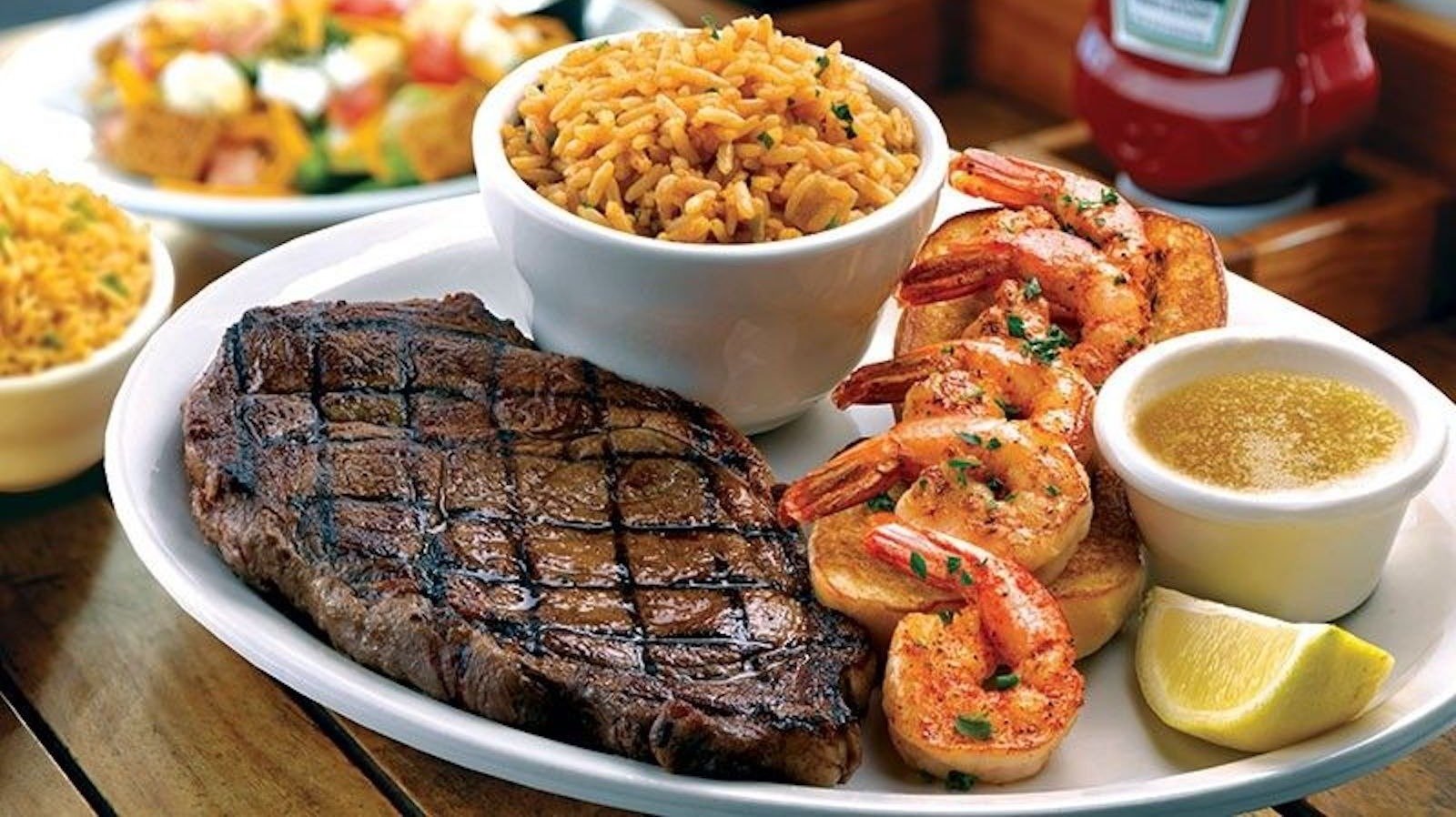
Conclusion: The Enduring Legacy of a Clear Vision
What is Texas Roadhouse? It is a brand that has succeeded by knowing exactly who it is and, perhaps more importantly, who it is not. It does not try to be a health-food destination, a quiet romantic getaway, or a tech-first automated eatery. It is a brand that celebrates the tangible: the smell of bread, the sound of a crowded room, the sight of a cut of meat, and the feeling of being welcomed by a local owner.
In the world of brand strategy, Texas Roadhouse serves as a reminder that consistency is the ultimate competitive advantage. By focusing on a few core promises and delivering them with obsessive operational discipline, they have built a brand that is not just a place to eat, but a cultural fixture in the American landscape. Their success proves that even in a digital-first world, a brand built on physical experience, localized ownership, and a clear value proposition can not only survive but dominate.
aViewFromTheCave is a participant in the Amazon Services LLC Associates Program, an affiliate advertising program designed to provide a means for sites to earn advertising fees by advertising and linking to Amazon.com. Amazon, the Amazon logo, AmazonSupply, and the AmazonSupply logo are trademarks of Amazon.com, Inc. or its affiliates. As an Amazon Associate we earn affiliate commissions from qualifying purchases.