
In the annals of corporate history, few brands have captivated the public imagination and disrupted established industries quite like Tesla. More than just an automaker, Tesla has positioned itself as a vanguard of a new energy paradigm. At the heart of this formidable brand identity lies a mission statement that is both ambitious and strikingly concise: “To accelerate the world’s transition to sustainable energy.” This declaration is far more than a corporate slogan; it is the bedrock of Tesla’s brand strategy, guiding its product development, marketing narratives, corporate culture, and its audacious vision for the future. Understanding this mission statement is key to comprehending Tesla’s unique position in the global market and its enduring impact on the modern corporate landscape.
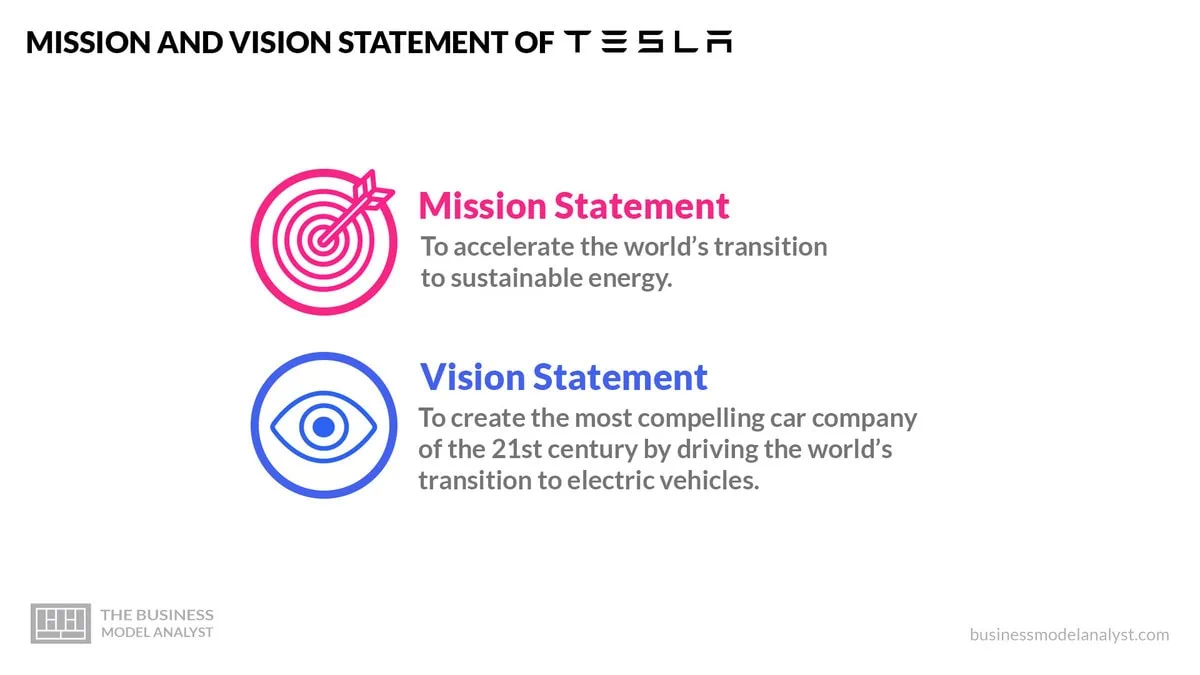
The Core Declaration: “To accelerate the world’s transition to sustainable energy.”
Tesla’s mission statement is a masterclass in strategic branding, distilling a complex, multifaceted ambition into a single, compelling sentence. Every word has been chosen with precision, reflecting a brand that is committed to systemic change, not just incremental improvement. It immediately differentiates Tesla from traditional car manufacturers, positioning it as an energy company first and foremost. This strategic framing has been instrumental in shaping public perception and attracting a loyal customer base that identifies with the brand’s larger purpose.
Deconstructing “Accelerate”: Speed and Urgency in Brand Action
The word “accelerate” is perhaps the most critical component of Tesla’s mission statement, injecting a profound sense of urgency and dynamism into its brand identity. It suggests a proactive, rapid push rather than a passive, gradual shift. For Tesla, merely contributing to sustainable energy isn’t enough; the brand is committed to expediting the process on a global scale. This commitment to speed permeates Tesla’s corporate culture, manifesting in its aggressive timelines for product development, its rapid expansion of charging infrastructure, and its continuous pursuit of manufacturing efficiencies. This ethos of acceleration resonates deeply with a generation of consumers who are acutely aware of environmental challenges and desire impactful, timely solutions. It positions Tesla not just as an innovator, but as a crucial catalyst for necessary change, elevating its brand from a product provider to a movement leader.
The “World’s Transition”: A Global and Systemic Ambition
The scope of Tesla’s mission is unequivocally global and systemic. “The world’s transition” implies a comprehensive shift across all geographies and sectors, moving away from fossil fuels towards renewable sources. This is a far grander vision than simply selling electric cars in niche markets; it’s about fundamentally altering global energy consumption patterns. This broad ambition allows Tesla to expand its brand beyond personal vehicles into energy storage, solar power, and even artificial intelligence applications that support autonomous systems. By tackling a problem of planetary scale, Tesla taps into a universal desire for a better future, enabling its brand to transcend cultural and geographical boundaries. It aligns the company’s profitability with a higher purpose, fostering a sense of shared responsibility and collective achievement with its stakeholders and customers.
Defining “Sustainable Energy”: Beyond Electric Vehicles
While electric vehicles (EVs) are Tesla’s most recognizable products, the mission statement makes it clear that its commitment to “sustainable energy” extends far beyond merely replacing gasoline cars. Sustainable energy, in Tesla’s brand lexicon, encompasses the entire ecosystem necessary to generate, store, and consume clean power. This holistic view justifies the brand’s diversification into solar panels (Solar Roof), home battery storage (Powerwall), and utility-scale energy storage (Megapack). These offerings are not disparate ventures but integral components of the overarching mission. This comprehensive approach differentiates Tesla from traditional automotive brands, allowing it to market itself as a vertically integrated energy company. It strengthens its corporate identity as a complete solution provider for the sustainable future, solidifying its brand message that electric vehicles are just one piece of a much larger, interconnected puzzle.
Mission as a Pillar of Brand Strategy and Corporate Identity
Tesla’s mission statement is not a decorative plaque; it’s an active ingredient in every strategic decision and a foundational element of its corporate identity. It acts as a powerful guiding star, ensuring that all product development, marketing campaigns, and even internal culture are aligned with the ultimate goal of accelerating sustainable energy. This strategic clarity fosters a coherent brand image that is easily understood and powerfully resonant with its target audience.
Guiding Product Innovation and Portfolio Expansion
The mission statement serves as a primary filter for Tesla’s innovation pipeline. Every new product or service must logically contribute to accelerating the world’s transition to sustainable energy. This is evident in the sequential rollout of its product lines, moving from high-performance luxury EVs to more mass-market vehicles, then expanding into energy generation and storage. The development of advanced battery technology, autonomous driving capabilities, and AI-driven manufacturing processes are all meticulously framed as accelerants for the mission. This focus ensures that Tesla’s product portfolio is not just diverse but also cohesively aligned with its brand promise, reinforcing its identity as a leader in comprehensive sustainable solutions, rather than a company dabbling in various unrelated technologies.
Shaping Marketing Narratives and Public Perception
Tesla’s marketing is famously unconventional, often relying on word-of-mouth, social media engagement, and the personal brand of its CEO, Elon Musk, rather than traditional advertising. Crucially, the mission statement is embedded in every communication. Instead of merely selling features, Tesla sells a vision: the opportunity for consumers to participate in a global movement towards sustainability. This narrative elevates the purchase of a Tesla product from a transaction to an act of environmental stewardship. Public perception of Tesla is thus shaped not just by its innovative products, but by its aspirational mission, fostering a brand image that is both cutting-edge and ethically driven. This strategy creates a powerful emotional connection with customers, transforming them into brand advocates who champion the company’s larger purpose.
Cultivating Brand Loyalty and Community Engagement
The clarity and ambition of Tesla’s mission statement have been instrumental in fostering an extraordinarily loyal customer base and a vibrant community. Customers often view themselves not just as owners of a product, but as participants in a shared journey towards a sustainable future. This sense of belonging is a powerful driver of brand loyalty. Tesla actively cultivates this community through events, online forums, and the very design of its products, which encourage sharing and collaboration (e.g., software updates, charging networks). This engagement transforms consumers into active proponents of the brand, amplifying its message and reinforcing its corporate identity as a movement-driven enterprise. The mission provides a rallying point, creating a powerful emotional bond that transcends typical consumer-brand relationships.
Expanding the Brand: From Automotive Disruptor to Energy Ecosystem
Tesla’s brand evolution demonstrates a clear strategic trajectory from a niche EV manufacturer to a comprehensive energy ecosystem provider. This expansion is not arbitrary but a direct consequence of its foundational mission statement, which provides the strategic rationale for every diversification. The ‘Brand’ category specifically highlights how this expansion solidifies and broadens its corporate identity.
The Role of Energy Storage and Generation in the Brand Vision
Central to accelerating the world’s transition to sustainable energy is addressing the intermittency of renewable sources and the inefficiencies of traditional grids. This is where Tesla’s ventures into energy storage (Powerwall, Megapack) and generation (Solar Roof, solar panels) become critical brand extensions. These products are not merely add-ons but are presented as essential components of the integrated sustainable energy solution that Tesla’s mission promises. They broaden Tesla’s brand identity beyond an automotive company to a holistic energy provider, appealing to a wider range of customers who are seeking sustainable solutions for their homes, businesses, and even entire communities. This strategic diversification reinforces the credibility of its mission statement and demonstrates the brand’s commitment to delivering on its ambitious promise.
AI and Autonomy: Extending the Mission’s Reach
While seemingly distinct from sustainable energy, Tesla’s advancements in artificial intelligence and autonomous driving are also framed as accelerants for its mission. Autonomy promises to make transportation safer, more efficient, and potentially reduce vehicle ownership, leading to more sustainable consumption patterns. The underlying AI technology, developed for Full Self-Driving (FSD), also has applications in optimizing energy grids, smart homes, and manufacturing processes—all contributing to a more efficient and sustainable future. By integrating these cutting-edge technologies, Tesla positions itself as a forward-thinking brand that leverages innovation across multiple domains to achieve its overarching mission, further solidifying its identity as a technology leader committed to a sustainable world.
Manufacturing and Supply Chain: Embodying the Mission’s Values
The mission statement also influences Tesla’s approach to manufacturing and its supply chain. The brand emphasizes vertical integration and innovation in production (e.g., Gigafactories, structural battery packs) not just for efficiency, but to create more sustainable and scalable solutions. By controlling more aspects of its production, Tesla can better ensure ethical sourcing, minimize environmental impact, and accelerate the rate at which sustainable technologies can be deployed. This commitment to sustainable practices within its operational footprint further strengthens its corporate identity as a responsible and mission-driven brand. It demonstrates that the pursuit of sustainability is embedded not only in its products but also in its processes, providing a comprehensive brand narrative of environmental responsibility.
The Dynamic Nature of Tesla’s Brand and Mission Impact
Even with a steadfast mission, a brand’s journey is rarely linear. Tesla’s mission statement has proven robust enough to navigate significant challenges and adapt to an ever-changing landscape, largely due to its foundational strength as a brand identity. Its ongoing impact is a testament to the power of a clear purpose in fostering resilience and driving continuous evolution.
Navigating Challenges and Brand Resilience
Tesla has faced numerous challenges, from production bottlenecks and regulatory hurdles to intense competition and public scrutiny. Yet, its brand resilience is often attributed to the unwavering focus on its mission statement. In times of crisis, returning to the core purpose of “accelerating the world’s transition to sustainable energy” provides a strategic anchor. It allows the brand to reframe setbacks as temporary obstacles on a larger, more important journey. This deep-rooted purpose helps maintain investor confidence, customer loyalty, and employee morale, reinforcing Tesla’s corporate identity as a brand that is relentlessly pursuing a crucial global objective, rather than being solely driven by quarterly profits. This mission-driven resilience is a powerful asset in the highly dynamic and competitive tech and automotive sectors.
The Elon Musk Factor: Personal Branding and Corporate Identity
Elon Musk’s personal brand is inextricably linked to Tesla’s corporate identity. His visionary leadership, audacious goals, and often unconventional communication style amplify the mission statement’s message. Musk embodies the “accelerate” aspect of the mission, pushing boundaries and challenging conventions. His personal commitment to sustainable energy and interplanetary exploration (via SpaceX) adds another layer of depth to Tesla’s brand narrative, positioning the company as part of a larger, future-focused endeavor. While sometimes controversial, Musk’s strong personal brand has undeniably served as a powerful marketing tool, drawing attention to Tesla’s mission and shaping public perception in a way that traditional corporate leaders rarely achieve. His influence makes Tesla’s brand story more human, more daring, and ultimately, more engaging.

Future Trajectories: Sustaining the Mission’s Relevance
As the world continues to evolve, Tesla’s mission statement remains remarkably relevant. The urgency for sustainable energy solutions is only growing, ensuring that the brand’s core purpose will continue to resonate for decades to come. Future trajectories for Tesla’s brand will likely involve deeper integration of its energy and automotive divisions, expansion into new geographical markets, and continuous innovation in battery technology, AI, and manufacturing processes. The enduring power of its mission statement lies in its broadness and timelessness; it provides a flexible framework that allows the brand to adapt, innovate, and remain a leading force in the global push towards a sustainable future, constantly reinforcing its pioneering corporate identity.
In conclusion, Tesla’s mission statement — “To accelerate the world’s transition to sustainable energy” — is far more than a mere declaration; it is the strategic blueprint for one of the most transformative brands of our time. It defines its corporate identity, dictates its product strategy, shapes its marketing narratives, and cultivates an unparalleled level of brand loyalty. By articulating such a clear, ambitious, and globally relevant purpose, Tesla has not only redefined industries but has also demonstrated the profound power of a mission-driven brand to inspire, innovate, and ultimately, to make a lasting impact on the world.
aViewFromTheCave is a participant in the Amazon Services LLC Associates Program, an affiliate advertising program designed to provide a means for sites to earn advertising fees by advertising and linking to Amazon.com. Amazon, the Amazon logo, AmazonSupply, and the AmazonSupply logo are trademarks of Amazon.com, Inc. or its affiliates. As an Amazon Associate we earn affiliate commissions from qualifying purchases.