
Understanding the true worth of a company like Tesla, Inc. (TSLA) extends far beyond merely observing its daily stock price fluctuations. For investors, analysts, and even curious onlookers, the question “what is Tesla stock worth?” delves into a complex interplay of current financial performance, future growth prospects, market sentiment, and the unique, often disruptive, vision of its leadership. In the realm of investing, discerning a company’s intrinsic value is paramount, as it forms the bedrock for informed decisions, distinguishing between a well-priced asset and an overvalued gamble. Tesla, with its groundbreaking technology, ambitious ventures, and polarizing CEO, presents a particularly fascinating case study in modern valuation, pushing the boundaries of traditional financial models and demanding a holistic perspective that balances quantitative data with qualitative insights into its industry-shaping potential. This article will explore the multifaceted approach to determining Tesla’s worth, firmly rooted in the principles of finance and investing.
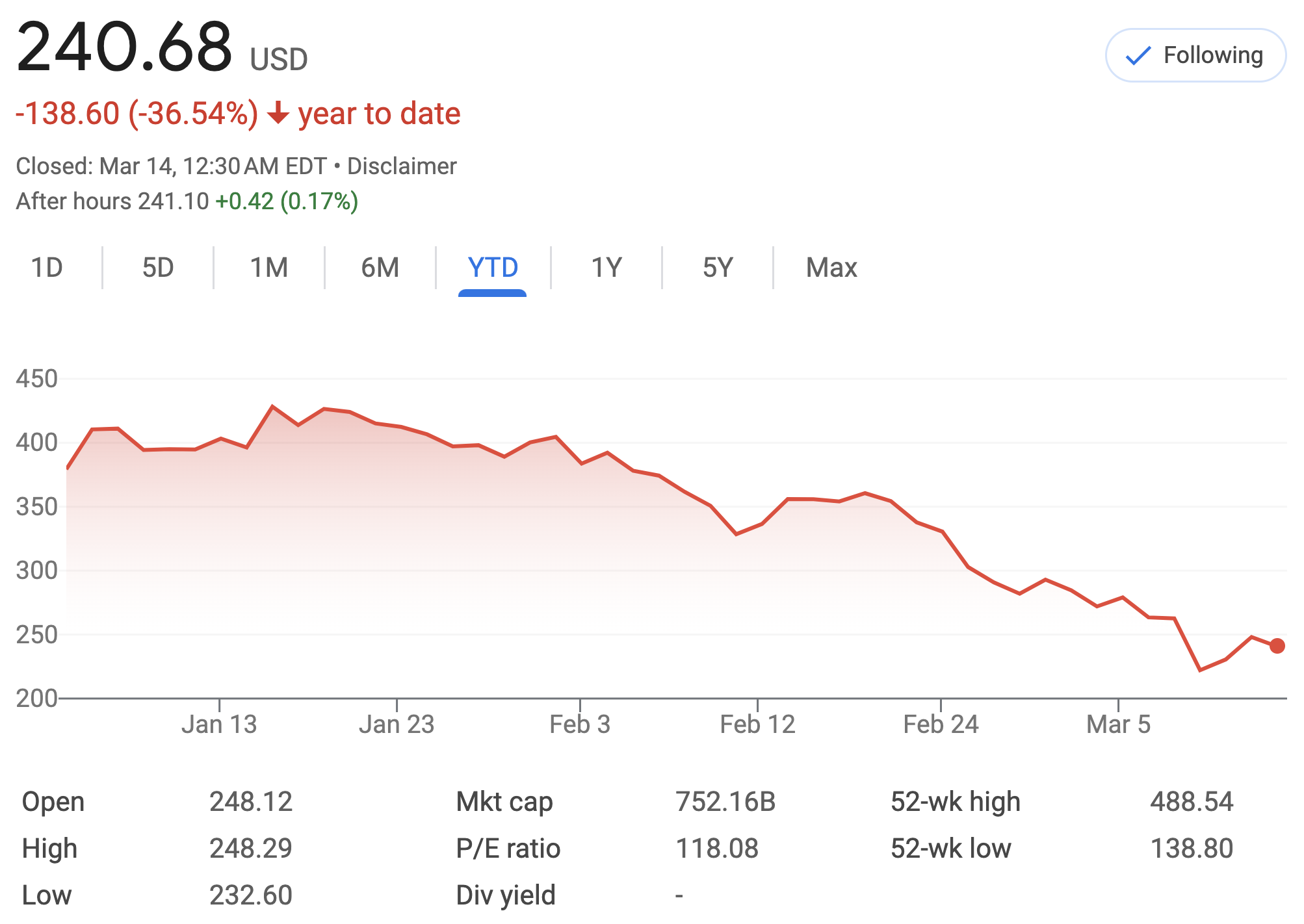
Understanding Stock Valuation: Beyond the Market Price
The journey to ascertain a company’s true worth begins with a fundamental distinction: the market price is not always synonymous with intrinsic value. While the stock market provides a real-time price based on supply and demand, this figure can be influenced by a myriad of factors, including short-term news, investor sentiment, speculative trading, and broader economic trends, often deviating from what the company might genuinely be worth based on its underlying assets and future earnings potential.
The Difference Between Price and Value
The market price of Tesla’s stock is the figure you see quoted on exchanges at any given moment – it’s what buyers are willing to pay and sellers are willing to accept. It’s fluid, dynamic, and reflects collective current perceptions. The intrinsic value, on the other hand, is an estimate of a company’s true, inherent worth, derived from a thorough analysis of its financials, business model, competitive advantages, and future growth prospects. It’s a calculated figure, often requiring projections and assumptions, aiming to provide a more stable benchmark for what an asset should be worth, independent of temporary market whims. For a company like Tesla, with its rapid growth and market-disrupting potential, the divergence between price and value can be significant and hotly debated.
Key Metrics for Assessing Worth
To move beyond mere price observation and gauge intrinsic value, investors employ a suite of financial metrics. These serve as quantitative indicators of a company’s health, profitability, and efficiency.
- Earnings Per Share (EPS): A measure of a company’s profitability, indicating how much profit the company makes for each share of stock outstanding.
- Price-to-Earnings (P/E) Ratio: Compares a company’s current share price to its EPS, indicating how much investors are willing to pay for each dollar of earnings. High-growth companies like Tesla often command higher P/E ratios, reflecting expectations of future earnings.
- Revenue Growth: The rate at which a company’s sales are increasing. For growth stocks, robust revenue growth is a critical indicator of market penetration and business expansion.
- Gross Margin & Operating Margin: These profitability ratios assess how efficiently a company converts revenue into profit after accounting for the cost of goods sold (gross margin) and operating expenses (operating margin).
- Free Cash Flow (FCF): The cash a company generates after accounting for cash outflows to support operations and maintain its capital assets. FCF is often considered a pure measure of a company’s financial performance and its ability to return value to shareholders.
- Debt-to-Equity Ratio: Measures a company’s financial leverage, indicating the proportion of equity and debt used to finance its assets.
By analyzing these metrics over time and comparing them to industry averages and competitors, investors can begin to form a comprehensive picture of Tesla’s financial standing.
Market Sentiment vs. Fundamental Analysis
The valuation of a stock is rarely a purely objective exercise. Fundamental analysis focuses on intrinsic value by examining economic and financial factors, company financials (balance sheet, income statement, cash flow statement), management quality, competitive advantages, and industry outlook. It’s about figuring out what the company is worth. Market sentiment, conversely, refers to the overall attitude of investors toward a particular stock or the broader market. It’s driven by emotions, news cycles, social media, and herd mentality. For Tesla, market sentiment often plays an outsized role. Elon Musk’s public statements, product launches, or even perceived delays can trigger significant stock movements, sometimes overshadowing fundamental data. A balanced valuation approach considers both – using fundamental analysis as an anchor while acknowledging and understanding the impact of market sentiment on price movements.
Fundamental Drivers of Tesla’s Value
Tesla’s valuation isn’t solely rooted in its automotive sales; it’s a complex equation heavily influenced by its multifaceted business model and ambitious vision. To understand its worth, one must dissect the core drivers propelling its growth and market perception.
Revenue Growth and Profitability
At its core, any company’s value is derived from its ability to generate revenue and, critically, turn that revenue into profit. Tesla has demonstrated extraordinary revenue growth, initially driven by its electric vehicle (EV) sales. This growth is a testament to its successful market penetration and expansion into new geographies. However, investors also scrutinize profitability—specifically, consistent net income and healthy free cash flow. Tesla’s journey to sustainable profitability has been a closely watched saga, moving from periods of heavy investment and losses to generating consistent positive earnings. Future valuation hinges on the company’s ability to maintain high growth rates for its vehicles while simultaneously scaling its profitability across all segments. Challenges include rising raw material costs, supply chain complexities, and increasing competition, which can all impact margins.
Innovation and Future Technologies (EVs, AI, Robotics, Energy)
What sets Tesla apart from traditional automakers, and significantly inflates its perceived value, is its relentless pursuit of innovation across multiple high-growth sectors.
- Electric Vehicles (EVs): While its foundational business, Tesla continually pushes the envelope with battery technology, range, charging infrastructure (Supercharger network), and production efficiency. The future value is tied to its ability to retain its leadership position in the accelerating global EV transition.
- Artificial Intelligence (AI) and Autonomy: Tesla’s Full Self-Driving (FSD) beta software is a massive bet on AI, promising a future of fully autonomous vehicles. The successful development and widespread adoption of FSD could unlock entirely new revenue streams and revolutionize transportation, offering immense future value potential. The value here is speculative but potentially transformative.
- Robotics: Beyond vehicles, Tesla’s ventures into humanoid robots (Optimus) signal ambitions to apply its AI and manufacturing expertise to general-purpose robotics. While nascent, this could represent a monumental leap for the company’s long-term growth trajectory, though it adds a significant layer of futuristic speculation to its current valuation.
- Energy Generation & Storage: Tesla Energy, encompassing solar panels, Powerwall battery storage, and Megapack utility-scale batteries, is another crucial, albeit often overlooked, growth vector. As the world transitions to renewable energy, Tesla’s integrated solutions position it as a key player, providing diversification from its core automotive business and tapping into a vast addressable market. The synergy between its vehicle batteries and energy storage solutions creates a powerful ecosystem.
These technological advancements are not just product features; they represent potential multi-trillion-dollar markets that Tesla is actively trying to dominate, justifying a significant “growth premium” in its stock price.
Competitive Landscape and Market Share
Despite its pioneering status, Tesla operates in an increasingly crowded and competitive landscape. Traditional automotive giants (e.g., Volkswagen, GM, Ford) are investing billions into EV development, while new pure-play EV startups (e.g., Rivian, Lucid) are also vying for market share. In the AI and robotics space, competition from tech giants and specialized firms is equally fierce.
Tesla’s ability to maintain and expand its market share is critical for its long-term value. This depends on factors like:
- Product innovation and differentiation: Can Tesla continue to offer compelling, cutting-edge products?
- Production scalability: Can it meet increasing demand efficiently and cost-effectively?
- Brand loyalty: Will customers remain loyal to the Tesla brand despite other attractive options?
- Pricing power: Can it maintain healthy profit margins without losing customers to cheaper alternatives?
The company’s ability to navigate this intensifying competition will directly influence its future growth prospects and, consequently, its valuation.
Management and Leadership (The Elon Musk Factor)
Perhaps no other company’s valuation is as intrinsically tied to its CEO as Tesla’s is to Elon Musk. His vision, ambition, and often unconventional leadership style have been instrumental in Tesla’s rise. Musk is a powerful driver of innovation, market excitement, and media attention. Investors often factor his entrepreneurial spirit, engineering acumen, and risk-taking into Tesla’s growth potential. However, the “Elon Musk factor” is a double-edged sword. His controversial public statements, divided attention across multiple ventures (SpaceX, X, Neuralink), and occasional clashes with regulators introduce an element of leadership risk that is unique to Tesla. The company’s future leadership succession and its ability to continue thriving without Musk at the helm are often discussed as long-term considerations for its intrinsic value.
Valuation Models Applied to Tesla
Given Tesla’s unique characteristics—high growth, significant R&D, and speculative future ventures—traditional valuation models need to be applied with careful consideration and often combined to paint a complete picture.
Discounted Cash Flow (DCF) Analysis

The Discounted Cash Flow (DCF) model is often considered the gold standard for intrinsic valuation. It involves projecting a company’s future free cash flows (FCF) for several years (typically 5-10), then estimating a terminal value for all cash flows beyond that period. These future cash flows are then “discounted” back to their present value using a discount rate (Weighted Average Cost of Capital, or WACC) that reflects the risk of the investment. The sum of these present values gives an estimate of the company’s intrinsic worth.
For Tesla, a DCF analysis is particularly challenging due to:
- High growth uncertainty: Projecting Tesla’s cash flows accurately over 5-10 years is difficult given its rapid expansion into new industries and the highly competitive EV market.
- Capital expenditures: Tesla’s aggressive investment in Gigafactories, battery technology, and R&D requires substantial CapEx, which impacts FCF.
- Long-term assumptions: The terminal value, which often accounts for a significant portion of the DCF valuation, is highly sensitive to assumptions about Tesla’s long-term growth rate and profitability.
Analysts performing a DCF on Tesla often have widely varying inputs and, therefore, arrive at significantly different intrinsic value estimates, reflecting the inherent uncertainty.
Price-to-Earnings (P/E) Ratio and Growth
The Price-to-Earnings (P/E) ratio compares a company’s share price to its earnings per share (EPS). It indicates how much investors are willing to pay for each dollar of a company’s earnings. A high P/E ratio, which Tesla has historically exhibited, suggests investors have high growth expectations for future earnings.
For growth companies, the PEG (Price/Earnings to Growth) ratio can be more insightful. It divides the P/E ratio by the annual EPS growth rate. A PEG ratio of 1 or less is often considered fair value, indicating that the stock’s price is reasonable relative to its earnings growth. Tesla’s P/E has often been extraordinarily high, reflecting expectations for exponential growth that has yet to fully materialize in proportional earnings. When evaluating Tesla with P/E, it’s crucial to consider forward P/E (based on estimated future earnings) and to compare it against its historical P/E, industry averages, and the P/E of other disruptive technology companies, rather than just traditional auto manufacturers.
Enterprise Value to Sales (EV/Sales)
The Enterprise Value (EV) to Sales ratio is particularly useful for growth companies, especially those that might be unprofitable or have fluctuating earnings, making P/E ratios less reliable. EV represents the total value of a company, including its market capitalization, plus debt, minority interest, and preferred shares, minus cash and cash equivalents. EV/Sales compares this total value to the company’s annual revenue.
For Tesla, EV/Sales can provide a better comparative metric because:
- It bypasses the variability of earnings, which can be affected by accounting choices or one-time events.
- Sales are generally less volatile than earnings, especially for a company in a high-growth phase.
- It allows for comparison with other high-growth technology companies that may not yet be consistently profitable.
A high EV/Sales ratio for Tesla indicates that investors are placing a significant premium on its revenue-generating capabilities and future growth prospects, even if current profits are not stellar.
Comparison with Industry Peers
A critical step in valuation is comparing Tesla’s metrics and ratios against its direct competitors and industry benchmarks. This includes:
- Traditional automakers: Comparing Tesla’s margins, growth rates, and valuation multiples (P/E, EV/Sales) against established players like Toyota, Volkswagen, and GM helps contextualize its performance within the automotive sector.
- New EV startups: Evaluating against Rivian or Lucid can offer insights into how the market values pure-play EV companies.
- Technology giants: Given Tesla’s AI, energy, and robotics ambitions, some investors also draw comparisons to tech companies like Apple or Google, which command higher multiples due to their innovative ecosystems and dominant market positions.
Such comparisons help determine if Tesla is overvalued, undervalued, or fairly priced relative to similar opportunities in the market, though finding truly “similar” companies to Tesla is a challenge in itself due to its unique hybrid nature.
The Bull vs. Bear Case for TSLA
The debate over Tesla’s true worth is one of the most passionate and polarized on Wall Street, with compelling arguments from both optimists and pessimists.
Arguments for Continued Growth and Expansion (The Bull Case)
Bulls envision Tesla as far more than an automaker; they see it as a transformative technology company poised to dominate multiple burgeoning industries.
- EV Market Dominance: Despite increasing competition, bulls believe Tesla’s technological lead in battery efficiency, powertrain performance, and manufacturing (Gigafactories) will allow it to maintain significant market share in the rapidly expanding global EV market. Its Supercharger network remains a major competitive advantage.
- AI and Autonomy (FSD): The successful rollout and regulatory approval of Full Self-Driving (FSD) could unlock a robotaxi network, generating massive recurring revenue streams with extremely high margins. This would fundamentally alter the company’s valuation, positioning it as a software and services giant.
- Energy Business: Tesla Energy is seen as a sleeping giant, with its Powerwall and Megapack solutions becoming critical components of the global renewable energy transition. The synergy with its vehicle battery technology strengthens this segment.
- Robotics (Optimus): While highly speculative, the potential for humanoid robots to address labor shortages and revolutionize manufacturing and services globally represents an almost unfathomable long-term growth opportunity, placing Tesla at the forefront of the AI-robotics revolution.
- Cost Leadership & Innovation: Bulls point to Tesla’s continuous innovation in manufacturing processes, vertical integration, and battery technology (e.g., 4680 cells) as key drivers for long-term cost reduction and increased profitability, allowing it to offer competitive pricing while maintaining margins.
- Brand & Leadership: The strong brand loyalty and the visionary leadership of Elon Musk are considered invaluable assets, driving innovation and attracting top talent.
Risks and Challenges (The Bear Case)
Conversely, bears argue that Tesla’s valuation is detached from reality, largely fueled by hype and speculation, and that significant risks threaten its long-term profitability and market position.
- Intensifying Competition: The “moat” around Tesla’s EV business is shrinking rapidly as legacy automakers and new EV startups launch compelling, competitive vehicles with advanced technology. This could lead to price wars, eroding Tesla’s margins and market share.
- Regulatory Hurdles for FSD: Full Self-Driving faces significant technical, ethical, and regulatory challenges. Widespread adoption and profitability of robotaxis are far from guaranteed and could be years or even decades away, or might never fully materialize as envisioned.
- Valuation Bubble: Bears contend that Tesla’s stock price reflects an extreme level of future growth that is highly improbable, especially when compared to its current earnings and traditional auto industry multiples. They argue that the stock is in a speculative bubble, vulnerable to a significant correction.
- Elon Musk Dependence and Distractions: While a strength for bulls, Musk’s controversial persona, divided attention across multiple companies, and occasional Twitter controversies are viewed as major liabilities, introducing unnecessary risk and potential governance issues.
- Supply Chain & Manufacturing Headaches: Scaling production rapidly, especially with advanced technologies, is inherently challenging. Supply chain disruptions, raw material price volatility, and manufacturing inefficiencies could continue to plague the company, impacting profitability.
- Execution Risk: Tesla’s ambitious plans across multiple industries (AI, robotics, energy, automotive) demand flawless execution. Failure to deliver on these promises, or significant delays, could severely damage investor confidence and impact its valuation.
Volatility and Investor Psychology
Tesla’s stock is renowned for its extreme volatility, swinging wildly on news, analyst ratings, and macroeconomic factors. This volatility is a direct consequence of the strong emotional responses and differing interpretations of its future prospects. Investor psychology plays a disproportionate role, with fear of missing out (FOMO) and short squeezes contributing to rapid upward movements, while any negative news can trigger sharp sell-offs. Understanding that market price often reflects investor psychology rather than pure fundamentals is crucial when assessing TSLA.
Making Your Own Investment Decision
Given the complex and often contentious nature of Tesla’s valuation, making an informed investment decision requires individual diligence, a clear understanding of your own financial goals, and a disciplined approach to risk.
Long-Term vs. Short-Term Perspectives
Your investment horizon significantly impacts how you view Tesla’s worth.
- Long-Term Investors (5+ years): These investors typically focus on the company’s disruptive potential, technological advancements in AI, robotics, and energy, and its ability to achieve global scale in multiple industries. They are often willing to tolerate short-term volatility, believing that Tesla’s fundamental innovation will eventually drive sustained growth and higher intrinsic value. Their thesis relies heavily on the successful execution of speculative, long-dated projects.
- Short-Term Traders (days to months): These individuals are more focused on price momentum, technical analysis, news catalysts, and market sentiment. They might capitalize on Tesla’s notorious volatility, attempting to profit from rapid price swings rather than its underlying business fundamentals. This approach carries higher risk and requires constant monitoring.
Understanding your own investment horizon is the first step in aligning your valuation methodology with your strategy.
Diversification and Risk Management
Investing in a single, volatile stock like Tesla, regardless of its perceived potential, carries inherent risks. A cornerstone of sound financial planning is diversification. Spreading investments across various asset classes, industries, and geographies can mitigate the impact of any single investment underperforming. Even if you are bullish on Tesla, allocating only a portion of your portfolio to it (consistent with your risk tolerance) is a prudent strategy. Risk management also involves understanding your personal capacity for loss and setting clear entry and exit points for your investments. The high beta of TSLA means its price can move much more dramatically than the overall market, amplifying both gains and losses.

The Importance of Continuous Research
The landscape in which Tesla operates is constantly evolving. New competitors emerge, technologies advance, regulations shift, and economic conditions fluctuate. Therefore, an investment in Tesla, or any company, is not a “set it and forget it” proposition. Continuous research is essential:
- Stay updated on financial reports: Quarterly earnings calls and annual reports provide crucial insights into performance.
- Monitor industry trends: Keep an eye on the broader EV market, battery technology, AI developments, and energy policy.
- Follow competitive developments: Understand what rival companies are doing and how they might impact Tesla’s market share.
- Assess management’s execution: Evaluate whether the company is meeting its stated goals and delivering on its ambitious promises.
- Re-evaluate your thesis: Periodically revisit your original reasons for investing and assess if the fundamental drivers of Tesla’s worth have changed.
Only through diligent, ongoing research can investors truly gauge “what is Tesla stock worth” at any given time and make informed decisions about its place in their portfolio. The answer is not static; it is a dynamic target that requires constant re-evaluation.