
Tesla, Inc. (NASDAQ: TSLA) has long been one of the most talked-about and scrutinized stocks in the global financial markets. From its meteoric rise to its dramatic pullbacks, TSLA’s journey is a microcosm of modern investing – characterized by innovation, market speculation, and the outsized influence of a charismatic leader. For investors, understanding “what is Tesla stock doing” isn’t merely about checking a ticker price; it’s about dissecting a complex interplay of automotive industry trends, technological advancements, macroeconomic forces, and unique brand dynamics that collectively shape its financial trajectory. As a company that has redefined sectors and challenged established norms, Tesla’s stock performance offers a fascinating case study for anyone engaged in the world of investing and personal finance.
Understanding Tesla’s Market Dynamics
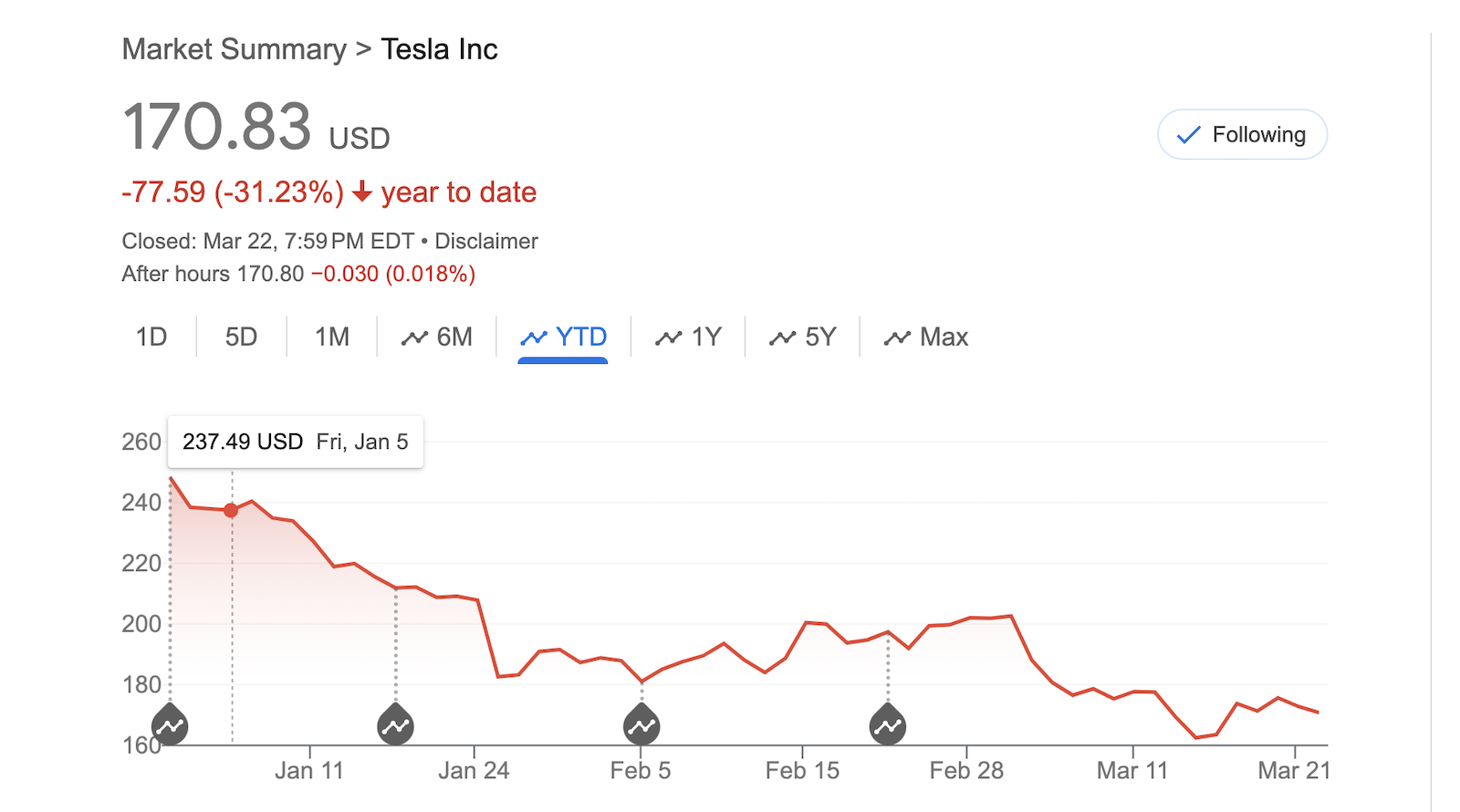
Tesla’s stock is renowned for its volatility, reflecting both the ambitious vision of its leadership and the inherent uncertainties of pioneering new industries. Its market cap has soared to stratospheric levels, making it one of the world’s most valuable companies, often outpacing established automotive giants combined. This valuation is not solely predicated on current earnings but heavily on future growth potential and the market’s perception of its disruptive capabilities across multiple sectors.
A Volatile Ride: Historical Performance
Since its IPO in 2010, Tesla’s stock has delivered extraordinary returns for early investors, albeit with significant bumps along the way. Periods of exponential growth were fueled by production milestones, product launches (like the Model 3 ramp-up), and the expansion of its Gigafactories. Conversely, the stock has experienced sharp corrections due to production delays, increased competition, shifts in interest rates, and controversial statements from CEO Elon Musk. Understanding this historical pattern of “boom and bust” is crucial for investors attempting to predict future movements. It highlights that TSLA is not a stock for the faint of heart, demanding a high tolerance for risk and a long-term perspective to weather its characteristic swings. This volatility is often exacerbated by its high short interest, making it a battleground stock between bulls and bears.
Key Drivers of Tesla’s Stock Price
Several fundamental and non-fundamental factors continuously drive Tesla’s stock performance. On the fundamental side, vehicle delivery numbers, profit margins, and free cash flow generation are paramount. Production capacity expansion, particularly in key markets like China and Germany, directly impacts potential revenue. New product announcements, such as the Cybertruck or Roadster 2, and progress in its self-driving software (FSD) are also significant catalysts. Beyond the core automotive business, the performance of its energy generation and storage division, and its ventures into AI and robotics, contribute to the narrative of a multifaceted technology company rather than just a car manufacturer. Non-fundamental drivers include market sentiment, often influenced by social media trends and analyst ratings, and the “Musk premium” – the perceived value added by Elon Musk’s visionary leadership, which can also become a liability during controversies or unexpected announcements. Global economic conditions, regulatory changes affecting EV adoption, and commodity prices for battery materials also play substantial roles.
Beyond the Cars: Tesla’s Diverse Business Segments
While Tesla is primarily known for its electric vehicles, its investment thesis extends far beyond the automotive assembly line. Understanding its diversified ambitions is key to grasping its long-term valuation potential and the various revenue streams that could eventually underpin its stock price. Investors often weigh the success of these emerging segments against the dominant automotive business.
Automotive Dominance and Future Growth
Tesla’s automotive division remains the primary revenue generator and the engine driving investor interest. Its continued growth relies on increasing production capacity, optimizing manufacturing efficiency, and expanding its global market share in the fiercely competitive EV landscape. Future growth is tied to the success of new models like the Cybertruck and upcoming entry-level vehicles, as well as the successful deployment and monetization of its Full Self-Driving (FSD) software. The ability to maintain high gross margins in a deflating EV market and effectively manage supply chain complexities are critical financial metrics that investors closely monitor. The degree to which Tesla can scale production while maintaining profitability will directly impact its ability to grow earnings and justify its premium valuation.
Energy Storage and Solar: Untapped Potential
Tesla’s energy division, encompassing Powerwall home batteries, Powerpack utility-scale storage, and solar panels, represents a significant yet often underestimated part of its long-term strategy. This segment holds immense potential, particularly as global demand for renewable energy and grid stability solutions escalates. Revenue growth in this area, while smaller than automotive, can provide diversification and a hedge against the cyclical nature of car sales. The economics of battery storage are improving, making Tesla’s integrated energy solutions more appealing to consumers and utilities. As the world transitions to cleaner energy, Tesla’s position as a provider of both the generation (solar) and storage (batteries) infrastructure places it uniquely to capitalize on this megatrend, offering a substantial growth vector for investors looking beyond automotive.
AI and Robotics: The Long-Term Vision
Elon Musk frequently emphasizes Tesla’s identity as an Artificial Intelligence and robotics company as much as an automotive one. The development of advanced AI for self-driving vehicles, the Optimus humanoid robot, and its Dojo supercomputer underscore a long-term vision that could unlock entirely new markets and revenue streams. For investors, these ventures represent “call options” on future technological breakthroughs. While currently not significant contributors to immediate financial performance, their potential to revolutionize transportation, logistics, and even domestic labor markets could justify significant portions of Tesla’s future valuation. The successful commercialization of these technologies would fundamentally transform Tesla’s business model and its investment profile, pushing it further into the realm of a diversified tech giant.
Macroeconomic Headwinds and Tailwinds
Tesla’s stock performance is not immune to broader economic forces. Like all publicly traded companies, it operates within a global financial ecosystem where monetary policy, inflation, and geopolitical events can significantly influence investor sentiment and corporate profitability. Understanding these macroeconomic factors is crucial for context.
Interest Rates and Inflationary Pressures
Rising interest rates can be a significant headwind for growth stocks like Tesla. Higher borrowing costs for consumers can dampen demand for big-ticket items like new cars, while higher interest rates on corporate debt can increase Tesla’s operational expenses. Furthermore, in a higher interest rate environment, future earnings are discounted more heavily, which can put downward pressure on valuations that are highly dependent on future growth, as Tesla’s often is. Inflationary pressures also affect Tesla’s bottom line by increasing the cost of raw materials (lithium, nickel, cobalt), components, and labor. While Tesla has shown an ability to manage these costs through supply chain optimization and price adjustments, sustained inflation can erode profit margins and slow down production expansion plans.
Competition and Market Saturation

The electric vehicle market, once largely dominated by Tesla, has become increasingly crowded. Established automakers like Ford, GM, Volkswagen, and Hyundai are investing billions in EV development, while new entrants from China and other regions are aggressively vying for market share. This intensifying competition could lead to pricing pressures, reduced margins, and a slower pace of market share acquisition for Tesla. As the market matures, the “first-mover advantage” may diminish, requiring Tesla to innovate continuously and differentiate its products effectively. Investors are closely watching global EV sales figures and the market share distribution to gauge Tesla’s competitive standing and its long-term growth trajectory in a more saturated market.
Regulatory Landscape and Geopolitical Factors
Government policies and regulations play a critical role in shaping the EV market. Subsidies, tax credits, and emissions standards can accelerate EV adoption, benefiting companies like Tesla. Conversely, changes in these policies or the introduction of new regulations (e.g., related to autonomous driving or battery recycling) could impact profitability or necessitate costly adjustments. Geopolitical tensions, particularly involving major markets like China, can also introduce significant risks. Trade tariffs, supply chain disruptions, or restrictions on operations in key regions could negatively affect Tesla’s production, sales, and overall financial performance. Investors must consider how these external, often unpredictable, factors might influence the company’s operational environment and its stock valuation.
Investor Sentiment and Valuation Challenges
Tesla’s stock is known for its fervent supporters and equally vocal detractors. This stark division in investor sentiment often leads to heightened volatility and unique challenges in traditional valuation. For many, investing in TSLA is as much about buying into a vision as it is about current financial performance.
The Bull vs. Bear Debate
The “bull” case for Tesla often centers on its technological leadership in EVs and battery technology, its potential in AI and robotics, its strong brand appeal, and its long-term growth prospects as the world transitions to sustainable energy. Bulls view current valuations as justified by future earnings and the company’s ability to disrupt multiple industries. They see Elon Musk as a visionary whose ambitious goals, though sometimes controversial, ultimately drive innovation and market dominance.
The “bear” case, on the other hand, highlights concerns over valuation multiples that are significantly higher than traditional automakers, the increasing competition, potential overreliance on Elon Musk, and the risks associated with its experimental ventures. Bears often point to the company’s profitability compared to its market capitalization, arguing that the stock is overvalued based on fundamental metrics and that its growth potential is already priced in, if not exaggerated. They scrutinize production delays, safety concerns related to FSD, and the impact of Musk’s outside commitments on Tesla’s operational focus.
Valuation Metrics and Future Earnings
Valuing Tesla can be challenging because traditional metrics like Price-to-Earnings (P/E) ratios often seem exorbitant compared to mature companies. Investors frequently rely on growth-oriented metrics such as Price-to-Sales (P/S) or Enterprise Value to EBITDA, alongside future earnings projections based on discounted cash flow (DCF) models that factor in aggressive growth assumptions. The market often prices Tesla based on its “total addressable market” across vehicles, energy, and AI, rather than just its current automotive sales. Analysts often use various scenarios to project future revenue from FSD subscriptions, robotaxis, and energy storage, which can lead to widely divergent price targets. Understanding these complex valuation methodologies is key to interpreting analyst reports and making informed investment decisions.
Elon Musk Factor: A Double-Edged Sword
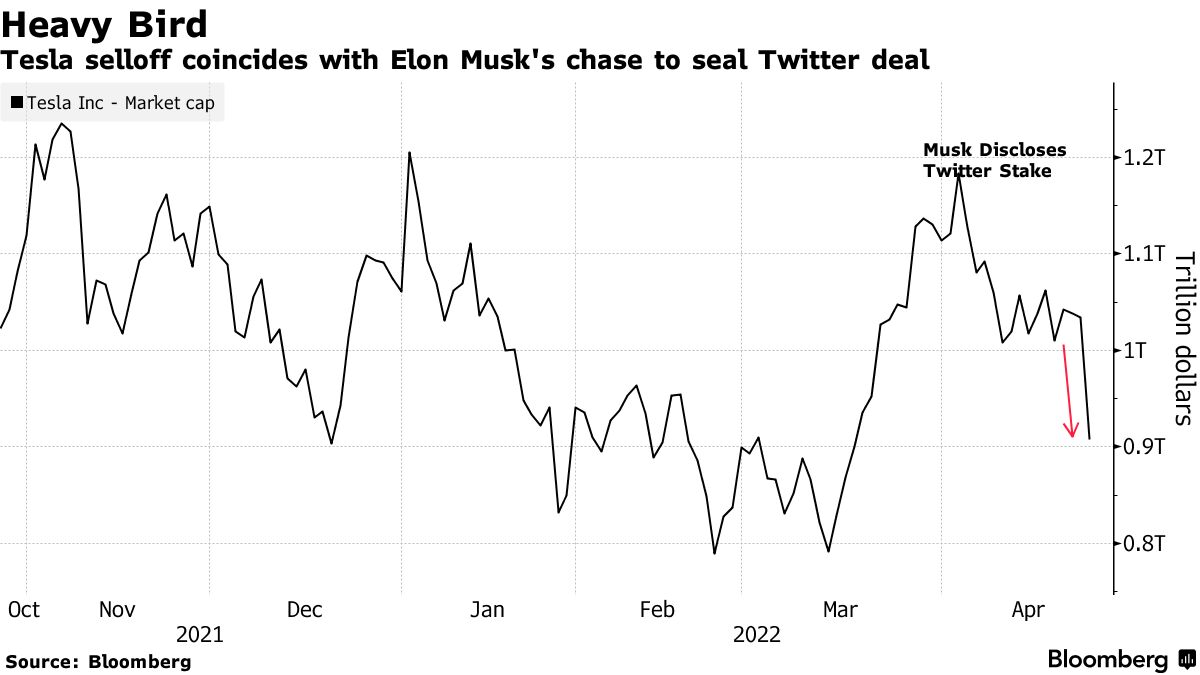
Elon Musk’s presence at the helm of Tesla is arguably its most significant non-financial asset and liability. His vision, entrepreneurial drive, and ability to galvanize public interest have been instrumental in Tesla’s success, making him a powerful brand ambassador and a magnet for investor capital. His public statements, tweets, and ambitious pronouncements often move the stock, creating both upward momentum and downward pressure. However, his controversial antics, political commentary, and involvement in multiple other ventures can also be sources of volatility and investor concern. The “Musk premium” reflects the belief in his ability to deliver groundbreaking innovations, but the “Musk discount” can materialize when his actions create uncertainty or draw regulatory scrutiny. Investors must constantly weigh the benefits of his leadership against the risks associated with his unique public persona.
Navigating TSLA as an Investor
Given its inherent volatility and the complex factors influencing its performance, investing in Tesla requires a thoughtful and strategic approach. It’s not a stock for every portfolio, and due diligence is paramount.
Short-Term Trading vs. Long-Term Investing
Tesla is a prime example of a stock that attracts both short-term traders seeking to capitalize on its daily price swings and long-term investors banking on its disruptive potential. For traders, its high beta and liquidity offer opportunities for rapid gains (and losses), often driven by news cycles, technical analysis, and sentiment shifts. However, for most individual investors, a long-term perspective is generally advised. Long-term investors in Tesla typically focus on the company’s fundamental growth story, its technological advancements, and its market expansion, aiming to ride out short-term fluctuations. They believe in the company’s ability to compound value over years, rather than months or weeks.
Diversification and Risk Management
For any investor considering TSLA, proper portfolio diversification is non-negotiable. Given Tesla’s high-risk, high-reward profile, it should typically represent only a managed portion of a well-diversified portfolio. Over-concentration in a single, volatile stock like Tesla can expose an investor to undue risk. Risk management strategies might include dollar-cost averaging into the position, setting stop-loss orders (for traders), or using options strategies to hedge exposure. Understanding your personal risk tolerance is crucial before allocating capital to a stock with Tesla’s characteristics.
Staying Informed: Research and Due Diligence
The dynamic nature of Tesla and the markets it operates in necessitates continuous research and due diligence. This includes monitoring quarterly earnings reports, management conference calls, and official company filings (10-K, 10-Q). Keeping abreast of industry news, competitive developments in the EV and energy sectors, and macroeconomic trends is also vital. Critically evaluating analyst reports, distinguishing hype from fundamental reality, and forming an independent investment thesis based on verifiable data are all essential steps for navigating the complexities of “what Tesla stock is doing.”
In conclusion, Tesla’s stock is a multifaceted entity, reflecting not just the performance of an automotive manufacturer but the ambitious vision of a technology and energy conglomerate. Its future trajectory will be shaped by its ability to execute on its diverse strategies, navigate intense competition, adapt to macroeconomic shifts, and manage the unique influence of its leadership. For investors, understanding these layers of complexity is key to making informed decisions in a truly dynamic investment landscape.
aViewFromTheCave is a participant in the Amazon Services LLC Associates Program, an affiliate advertising program designed to provide a means for sites to earn advertising fees by advertising and linking to Amazon.com. Amazon, the Amazon logo, AmazonSupply, and the AmazonSupply logo are trademarks of Amazon.com, Inc. or its affiliates. As an Amazon Associate we earn affiliate commissions from qualifying purchases.