
In the landscape of modern economics, the term “human capital” has evolved beyond simple education and technical skills. Increasingly, institutional investors, venture capitalists, and economists are looking upstream to the foundational elements of human performance. At the bedrock of this investigation lies a critical psychological construct: temperament. While often relegated to the realm of pediatric psychology, temperament in child development is, in fact, the initial “asset class” of an individual’s life. It represents the inherent biological blueprint that dictates how a person interacts with the world, manages stress, and ultimately navigates the complexities of the global marketplace.

Understanding temperament is not merely a task for parents and educators; it is a vital prerequisite for understanding long-term economic outcomes, wealth-building capacity, and the future of the labor market. By identifying the nuances of child development through the lens of temperament, we can better predict the return on investment (ROI) for early intervention programs and the eventual professional trajectory of the next generation of entrepreneurs and leaders.
Defining the Initial Portfolio: The Biological Basis of Temperament
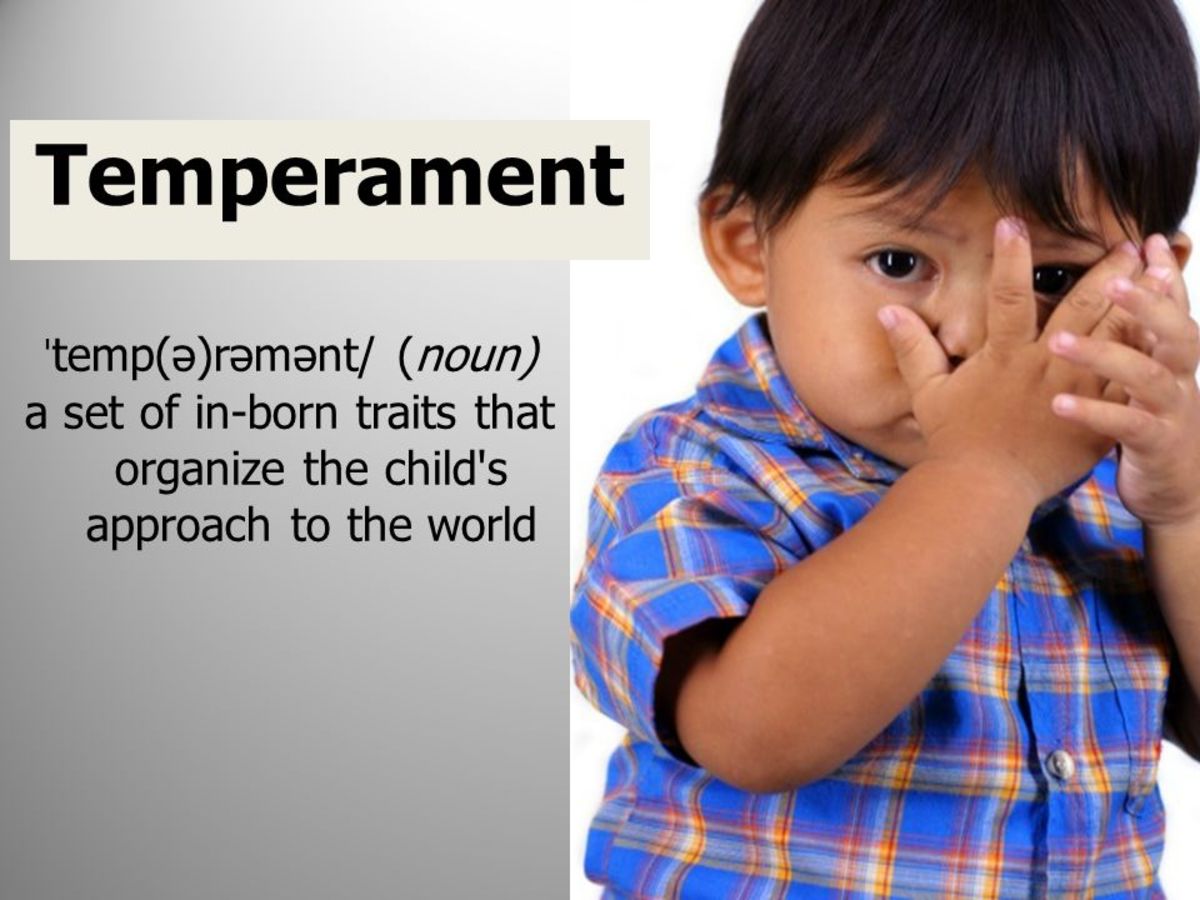
Temperament is defined as the innate stylistic component of behavior. It is the “how” of behavior rather than the “why” or the “what.” In the context of business finance and human capital management, we can view temperament as the “seed capital” of personality. Unlike character or personality, which are shaped over time by experience and environment, temperament is largely biological and relatively stable from birth.
The Behavioral Finance of Infancy
Just as market volatility is influenced by the underlying “temperament” of the exchange, a child’s development is influenced by their reactivity and self-regulation. Psychologists often point to the pioneering work of Alexander Thomas and Stella Chess, who identified nine specific dimensions of temperament. From an economic perspective, these dimensions function as early indicators of a child’s future “market fit.”
For instance, “Activity Level” correlates to the energy an individual can later invest in professional pursuits. “Approach/Withdrawal” functions as a precursor to risk tolerance in financial decision-making. A child who exhibits a high “Approach” tendency is biologically predisposed to seek out new experiences—a trait highly valued in the venture capital and startup ecosystems. Conversely, a child with high “Withdrawal” tendencies may develop into a meticulous risk-mitigator, essential for roles in compliance, digital security, or forensic accounting.
The Genetic Dividend: Nature vs. Nurture in Economic Potential
The “Genetic Dividend” refers to the inherent advantages provided by a “flexible” or “easy” temperament. In the New York Longitudinal Study, children categorized as “Easy” (about 40% of the population) showed a high degree of adaptability and positive mood. In terms of business finance, these individuals are the “Blue Chip” stocks of human development. They require less “maintenance” (intervention) and tend to yield steady, predictable growth in social and cognitive competencies.
However, the “Difficult” or “Feisty” temperament (roughly 10% of the population) often represents a “High Risk, High Reward” profile. While these children may require more significant early investment in terms of parental and educational resources, their intensity and persistence—if channeled correctly—are the exact traits found in disruptive innovators and high-stakes negotiators. The economic challenge lies in the “Goodness of Fit”—ensuring that the environment (the market) is compatible with the child’s innate temperament to maximize their productive output.
The ROI of Temperament Management: Predicting Long-Term Earnings
The financial implications of temperament are most visible when we analyze longitudinal data regarding self-regulation and executive function. The ability to manage one’s temperament is perhaps the single greatest predictor of future net worth, exceeding even IQ in some economic models.
Self-Regulation as a Wealth-Building Tool
The famous “Marshmallow Test” by Walter Mischel is essentially a study of temperament and self-regulation. The ability of a child to delay gratification is a direct manifestation of their “Effortful Control,” a major dimension of temperament. From a personal finance perspective, effortful control is the psychological engine of compounding interest. An individual who can regulate their impulses is more likely to maintain a high savings rate, avoid predatory debt, and stay committed to a long-term investment strategy.
Research conducted by the University of Pennsylvania and other institutions has shown that children with higher levels of self-control grow up to have significantly higher income levels, better credit scores, and more substantial retirement savings. Conversely, those with low self-regulation often incur “behavioral taxes” throughout their lives—legal fees, high-interest debt from impulsive spending, and lost wages due to workplace instability.
Executive Function and the Wealth Gap
Temperament also dictates the development of executive functions: working memory, mental flexibility, and inhibitory control. In the modern knowledge economy, these functions are the primary drivers of productivity. As automation and AI take over routine tasks, the market is placing a premium on “soft skills” rooted in temperament.
Economists like James Heckman, a Nobel Laureate, have argued that the ROI for investing in the development of these non-cognitive skills is highest in the earliest years of life. For every dollar spent on nurturing healthy temperament-environment fits in early childhood, the societal and economic return can be as high as $7 to $13. This return manifests as reduced social spending and increased tax revenue from high-earning, temperamentally stable adults.
The Business of Development: Investing in Early Intervention Tech and Systems
The recognition of temperament as a key economic driver has led to a surge in the “Developmental Economy.” This niche includes startups and financial tools designed to help parents and educators quantify and harmonize child temperament.
Market Growth in Temperament Assessment Tools
The “Parent-Tech” or “Fam-Tech” sector is currently witnessing a boom in software-as-a-service (SaaS) platforms that offer temperament profiling. These tools use data analytics to provide parents with a “user manual” for their child’s unique biological makeup. By identifying a child’s sensory threshold or rhythmicity early on, these platforms help avoid the “misallocation of resources” that occurs when parents use one-size-fits-all approaches.
From an investment standpoint, the scalability of these assessment tools is significant. Digital health platforms that integrate temperament data into pediatric care are attracting significant Series A and B funding. Investors see the value in preventative psychological health; by managing temperament-related behavioral issues early, the long-term “maintenance costs” of mental health care are drastically reduced.
Scalable Business Models for Developmental Monitoring
Beyond simple apps, we are seeing the rise of “Neuro-Education” franchises and business models that monetize the science of temperament. These centers provide high-margin services, such as “Temperament-Based Coaching” for high-net-worth families who view their children’s development through the lens of legacy and wealth transition.
Furthermore, the integration of temperament metrics into school choice and career counseling represents a growing field of “Educational Consulting.” For business-minded parents, identifying a child’s temperament is the first step in “Career Path Diversification,” ensuring the child is placed in environments where their innate traits act as a competitive advantage rather than a liability.
Strategic Alignment: How Temperament Dictates Future Market Competitiveness
In the final analysis, the study of temperament in child development is about strategic alignment. In the global economy, “competitive advantage” is often found in the niche where an individual’s innate temperament meets a specific market need.
Risk Tolerance and the Entrepreneurial Child
Entrepreneurship is a high-volatility career path. Children who exhibit high “Surgency” (a temperament trait characterized by activity, sensation-seeking, and extraversion) are biologically suited for the high-pressure environments of startups and speculative trading. They have a higher baseline for stimulation, which translates to resilience in the face of market crashes or business failures. For an investor or a business owner, recognizing these traits early can help in grooming successors who possess the “stomach” for market fluctuations.
Emotional Intelligence (EQ) as the New Corporate Currency
As the “Money” category shifts toward relationship-based banking and high-touch consulting, temperament traits like “Cooperation” and “Empathy” are becoming highly commoditized. These are not just “nice-to-have” social traits; they are the foundation of Emotional Intelligence (EQ), which is a leading indicator of leadership efficacy and corporate upward mobility.
In the corporate world, the “Temperament Dividend” is paid out to those who can navigate office politics, build cohesive teams, and manage the “Temperamental Volatility” of others. By understanding that these skills have their roots in early child development, businesses can better structure their talent acquisition and leadership development programs.
Ultimately, “What is temperament in child development?” is a question of economic foundationalism. It is about identifying the core variables in the human equation. For those interested in the intersections of money, business, and personal growth, temperament is the ultimate leading indicator—a biological forecast of a child’s future role in the global economy. By investing in the understanding and management of these innate traits, we are not just raising children; we are cultivating the high-value human capital of tomorrow.
aViewFromTheCave is a participant in the Amazon Services LLC Associates Program, an affiliate advertising program designed to provide a means for sites to earn advertising fees by advertising and linking to Amazon.com. Amazon, the Amazon logo, AmazonSupply, and the AmazonSupply logo are trademarks of Amazon.com, Inc. or its affiliates. As an Amazon Associate we earn affiliate commissions from qualifying purchases.