
Tesla, Inc. stands as a pivotal force in the 21st-century technological landscape, far transcending the conventional definition of an automotive company. Conceived with an audacious vision to accelerate the world’s transition to sustainable energy, Tesla has relentlessly innovated across multiple domains, from high-performance electric vehicles and advanced battery technology to sophisticated artificial intelligence and large-scale renewable energy solutions. At its core, Tesla is an engineering and software powerhouse, pushing the boundaries of what is possible in electrification, autonomy, and sustainable living, thereby establishing itself as a multidisciplinary technological giant rather than merely a car manufacturer.
Redefining Automotive Technology
Tesla’s initial and perhaps most visible impact has been in revolutionizing the automotive industry. By proving that electric vehicles (EVs) could be desirable, high-performance machines, it shattered long-held perceptions and ignited a global shift towards electrification. This revolution wasn’t just about swapping a combustion engine for an electric motor; it involved a complete reimagining of the vehicle’s architecture, functionality, and user experience through a technological lens.

The Electric Vehicle Ecosystem: Performance & Infrastructure
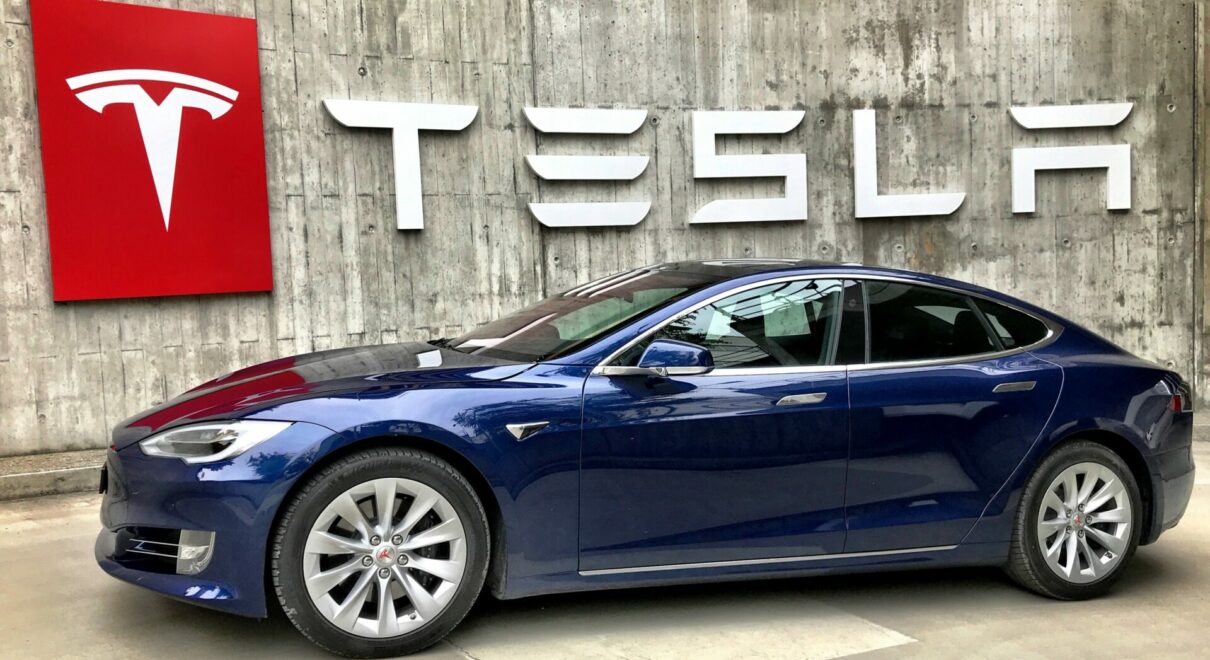
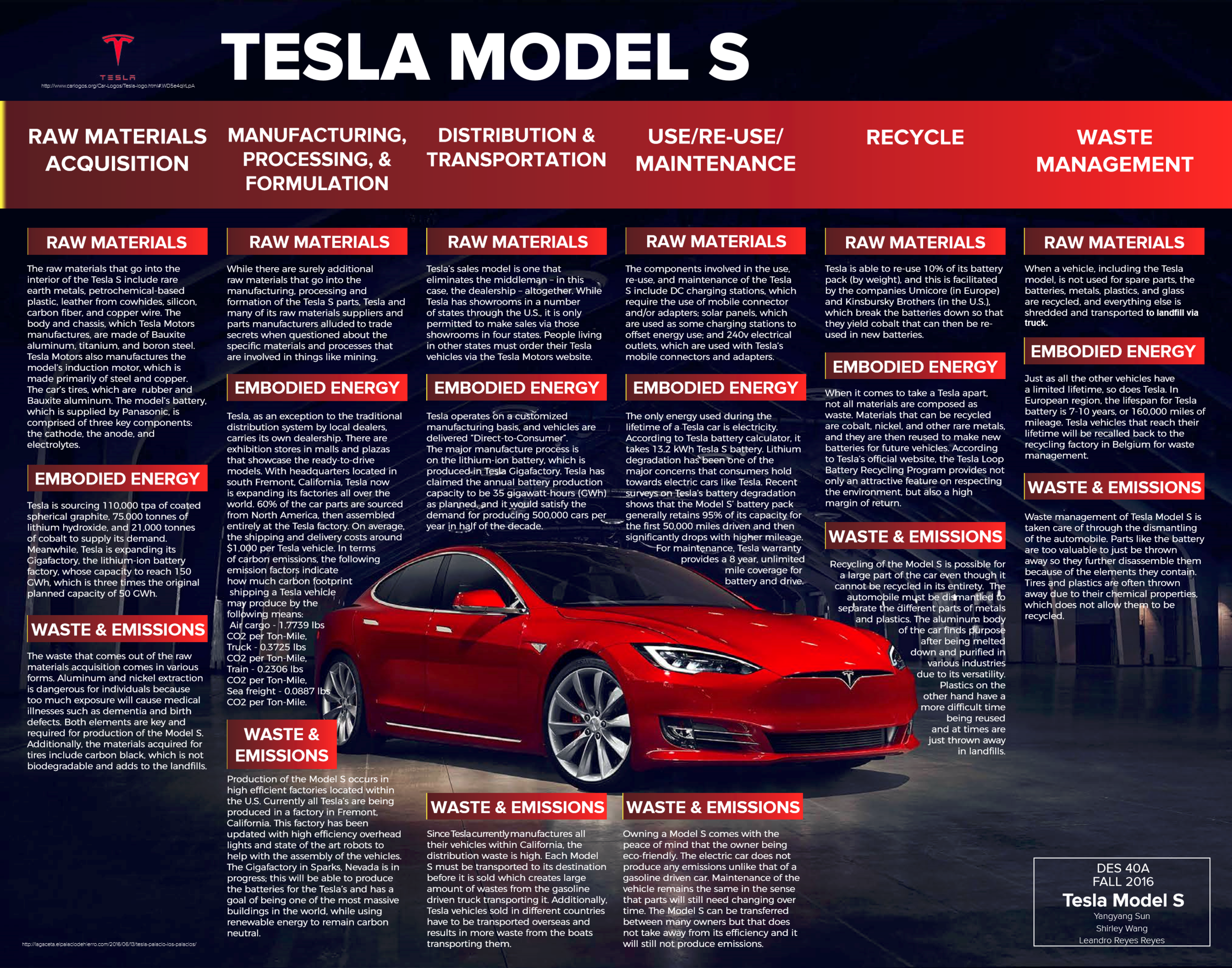
Tesla’s vehicle lineup—spanning the luxurious Model S, the mass-market Model 3, the versatile Model X SUV, the popular Model Y crossover, and the radical Cybertruck—showcases a consistent commitment to performance, range, and technological integration. These vehicles boast impressive acceleration, often outperforming many gasoline-powered sports cars, and offer substantial ranges on a single charge, making long-distance electric travel a practical reality.
A cornerstone of Tesla’s automotive success lies in its proprietary battery technology. Through vertical integration, Tesla designs and manufactures its own battery cells (like the 4680 format), battery packs, and sophisticated battery management systems (BMS). This control allows for optimized energy density, thermal management, and longevity, which are critical for both vehicle performance and safety. The BMS is a complex software and hardware system that monitors and controls individual cells, ensuring optimal charging, discharging, and overall battery health, which is a major technological differentiator.
Equally crucial to the EV ecosystem is the charging infrastructure. Tesla’s global Supercharger network stands as a monumental technological achievement and a significant competitive advantage. This network provides ultra-fast charging capabilities, enabling drivers to add hundreds of miles of range in minutes, effectively alleviating range anxiety. The Superchargers themselves are a sophisticated network of high-power DC fast chargers, strategically placed and constantly monitored, allowing seamless “plug-and-charge” functionality that simplifies the user experience to an unprecedented degree for EV owners. The seamless integration of vehicle, battery, and charging network is a testament to Tesla’s holistic approach to technology development.
Pioneering Autonomous Driving: Autopilot & FSD
Beyond electrification, Tesla is at the forefront of autonomous driving technology. Its Autopilot system, and the more advanced Full Self-Driving (FSD) capability, represents a paradigm shift in how vehicles are controlled and how safety is perceived. The hardware suite in every Tesla vehicle comprises an array of cameras, ultrasonic sensors, and a powerful onboard computer—all designed and manufactured in-house. Unlike some competitors that rely heavily on LiDAR or radar, Tesla’s approach emphasizes a vision-first system, leveraging advancements in computer vision and artificial intelligence to interpret the world around the car.
The intelligence behind Autopilot and FSD stems from massive datasets of real-world driving scenarios collected from millions of Tesla vehicles globally. This data feeds into a sophisticated neural network architecture, trained on Tesla’s custom AI supercomputer, Dojo. The system learns to identify objects, predict behaviors, and navigate complex driving environments with increasing accuracy.
A unique technological aspect is Tesla’s implementation of Over-the-Air (OTA) software updates. Much like a smartphone, a Tesla vehicle receives regular software enhancements and new features directly, without needing a visit to a service center. This means that a car purchased years ago can gain new functionalities, improved performance, and enhanced safety features over its lifespan. This concept of a “software-defined vehicle” dramatically increases the vehicle’s utility and keeps the technology continuously evolving, a stark contrast to the static nature of traditional automobiles.
Advanced Manufacturing and Software Integration
Tesla’s technological innovation isn’t limited to the car itself; it extends deeply into the manufacturing process. The “Gigafactories” are not just assembly plants; they are colossal experiments in advanced manufacturing and automation. Tesla aims for “the machine that builds the machine” to be as revolutionary as the products themselves, integrating robotics, advanced material science (like gigacasting for large single-piece vehicle components), and sophisticated logistical software to optimize production efficiency and scalability.
This vertical integration, where Tesla designs and produces a significant portion of its components—from chips and batteries to seats and charging infrastructure—provides unprecedented control over quality, cost, and speed of innovation. Furthermore, the deep integration of software defines the entire vehicle experience, from the intuitive touchscreen interface that controls nearly all vehicle functions to the underlying operating system that manages power delivery, safety features, and connectivity. This software-first mindset is a hallmark of Tesla’s engineering philosophy, turning cars into powerful, connected computing devices on wheels.
Beyond Wheels: Tesla’s Energy Innovations
Tesla’s mission to accelerate sustainable energy extends far beyond electric vehicles. The company envisions an integrated ecosystem where energy is generated, stored, and consumed efficiently and sustainably. This holistic approach targets not just transportation but also residential, commercial, and utility-scale energy needs, positioning Tesla as a comprehensive clean energy provider.
Comprehensive Battery Storage Solutions
At the heart of Tesla’s energy ecosystem are its advanced battery storage solutions. Leveraging the same fundamental battery technology developed for its EVs, Tesla offers a range of products designed for various applications. The Powerwall is a home battery system that stores solar energy for backup use or to optimize energy consumption during peak hours. For businesses and larger commercial entities, Powerpack offers scalable battery storage for energy management, demand charge reduction, and backup power. On the utility scale, the Megapack is a massive battery storage system designed to stabilize grids, integrate intermittent renewable energy sources like solar and wind, and replace inefficient “peaker plants.”
These battery solutions are more than just large batteries; they incorporate sophisticated power electronics and intelligent software that predict energy needs, optimize charging and discharging cycles, and communicate with the grid. The Battery Management Systems (BMS) for these products are equally critical, ensuring safety, efficiency, and longevity, operating autonomously to manage energy flow and maximize value for their owners and the grid.
Integrated Solar Energy Generation
To complete the sustainable energy loop, Tesla offers solar energy generation products. The Tesla Solar Roof, a unique product, integrates solar cells directly into aesthetically pleasing roof tiles, making solar power generation an integral part of a home’s design rather than an add-on. Traditional solar panels are also part of their offering, providing efficient and reliable solar power generation.
The true technological elegance lies in the seamless integration of these solar solutions with the Powerwall. This creates a self-sufficient energy system where solar panels generate electricity, which is then stored in the Powerwall for use when the sun isn’t shining or during power outages. This closed-loop system empowers homeowners and businesses to reduce their reliance on the grid, lower their electricity bills, and contribute to a more sustainable energy future. Tesla’s energy business demonstrates its commitment to solving the broader challenge of energy sustainability, applying its core competencies in battery technology, power electronics, and software to create integrated energy solutions.
The AI and Robotics Frontier
While often discussed in the context of its vehicles, Tesla’s ambitions in artificial intelligence and robotics represent another significant frontier, pushing the boundaries of what a technology company can achieve. These endeavors are not disparate projects but are deeply intertwined with its core automotive and energy technologies.
Dojo Supercomputer and AI Training
Central to Tesla’s AI strategy is its custom-designed supercomputer, Dojo. Developed in-house, Dojo is engineered specifically for training the neural networks that power Tesla’s autonomous driving systems. Unlike general-purpose supercomputers, Dojo is optimized for AI workloads, particularly for processing vast amounts of video data from Tesla vehicles. It features custom D1 chips, designed for high bandwidth and low latency, enabling unprecedented speed and efficiency in machine learning computations.
Dojo’s purpose is to accelerate the development of Tesla’s FSD software by dramatically reducing the time it takes to train and iterate on AI models. This cutting-edge infrastructure allows Tesla to push the frontiers of deep learning, improving the robustness and capabilities of its self-driving systems. It represents a significant investment in fundamental AI research and development, solidifying Tesla’s position at the cutting edge of AI-driven autonomy.
The Tesla Bot (Optimus) Project
Perhaps the most futuristic of Tesla’s endeavors is the Tesla Bot, or Optimus, project. This initiative aims to develop a general-purpose humanoid robot capable of performing a wide range of tasks, from mundane factory work to assisting in daily life. The Optimus project leverages the same AI, neural networks, and battery technology developed for Tesla’s vehicles. The idea is that the sophisticated AI learned from navigating complex real-world driving scenarios can be transferred and adapted for a bipedal robot operating in human environments.
The vision is for Optimus to move beyond single-task automation, aiming for a robot that can understand and perform diverse human instructions, adapting to unstructured environments. This project represents a bold step into the field of robotics, demonstrating Tesla’s ambition to apply its technological expertise to solve fundamental challenges in labor and automation, potentially revolutionizing industries far beyond automotive.
Tesla’s Technological Legacy and Future Outlook
Tesla’s journey has been marked by audacious goals, relentless innovation, and a willingness to challenge established norms. Its impact on the technological landscape is undeniable, serving as both a disruptor and a catalyst for broader industry change.
Catalyzing Industry-Wide Transformation
Tesla has not only built groundbreaking products but has also fundamentally reshaped entire industries. In the automotive sector, it forced traditional automakers to accelerate their EV development, invest heavily in battery technology, and reconsider their software strategies. The performance and range benchmarks set by Tesla effectively raised the bar for all new electric vehicles. In the energy sector, its integrated solar and storage solutions are demonstrating viable pathways towards decentralized, renewable energy systems, inspiring utilities and energy companies to invest in similar technologies. Its pioneering work in AI and autonomous driving continues to push the envelope for what intelligent machines can achieve, influencing research and development across various tech domains.
Challenges and the Path Ahead
Despite its successes, Tesla faces continuous technological challenges. The path to true full self-driving, while making significant progress, involves complex regulatory hurdles and the inherent difficulty of replicating human intuition in an AI system across infinite edge cases. Scaling battery production and advancing battery chemistry for even greater energy density and lower costs remains an ongoing engineering challenge. Expanding Gigafactory operations globally, while maintaining quality and efficiency, requires continuous innovation in manufacturing processes and automation.
Nevertheless, Tesla’s commitment to vertical integration, its software-first approach, and its aggressive pursuit of fundamental technological breakthroughs suggest a company that will continue to evolve and challenge conventions. From accelerating the transition to sustainable energy across transportation and power generation to exploring the profound implications of advanced AI and humanoid robotics, Tesla remains a dynamic and influential force in shaping the future of technology.
In conclusion, “What is Tesla?” is a question that reveals a company far more expansive than its initial perception. It is a technological innovator that fuses hardware engineering with sophisticated software and artificial intelligence, constantly striving to solve some of humanity’s most pressing challenges in energy and automation. Its legacy is not just in the vehicles it produces, but in the technological ecosystems it builds, and the future it relentlessly endeavors to accelerate.
aViewFromTheCave is a participant in the Amazon Services LLC Associates Program, an affiliate advertising program designed to provide a means for sites to earn advertising fees by advertising and linking to Amazon.com. Amazon, the Amazon logo, AmazonSupply, and the AmazonSupply logo are trademarks of Amazon.com, Inc. or its affiliates. As an Amazon Associate we earn affiliate commissions from qualifying purchases.