
In an era defined by instantaneous global communication, the technical architecture that allows a smartphone in Tokyo to connect with a device in New York is often taken for granted. At the heart of this seamless connectivity lies a simple yet foundational numerical digit: the telephone country code. For the United States, that code is +1.
While many recognize “+1” as the prefix required for international dialing to the U.S., its significance extends far beyond a mere digit. It represents a sophisticated legacy of telecommunications engineering, a standardized global protocol, and a bridge between legacy hardware and modern Voice over IP (VoIP) technologies. Understanding the mechanics of the U.S. country code provides insight into how the world stays connected through the North American Numbering Plan (NANP) and the technical standards set by international governing bodies.
The Foundations of Global Connectivity: Understanding the USA Country Code (+1)
The telephone country code for the United States is part of a broader technical framework known as the North American Numbering Plan (NANP). Unlike many countries that have unique multi-digit codes (such as +44 for the UK or +81 for Japan), the United States shares the “+1” prefix with 24 other countries and territories, including Canada and various nations in the Caribbean.
The North American Numbering Plan (NANP) Explained
Established in the 1940s by AT&T and Bell System, the NANP was designed to simplify and automate long-distance dialing. Before its implementation, telephone operators were required to manually connect calls across different regions. The “1” was chosen as the prefix for this zone primarily due to its simplicity in the era of rotary dialing. In the pulse-dialing systems of the mid-20th century, a “1” required only a single pulse, making it the most efficient digit to signal the start of a long-distance or international route.
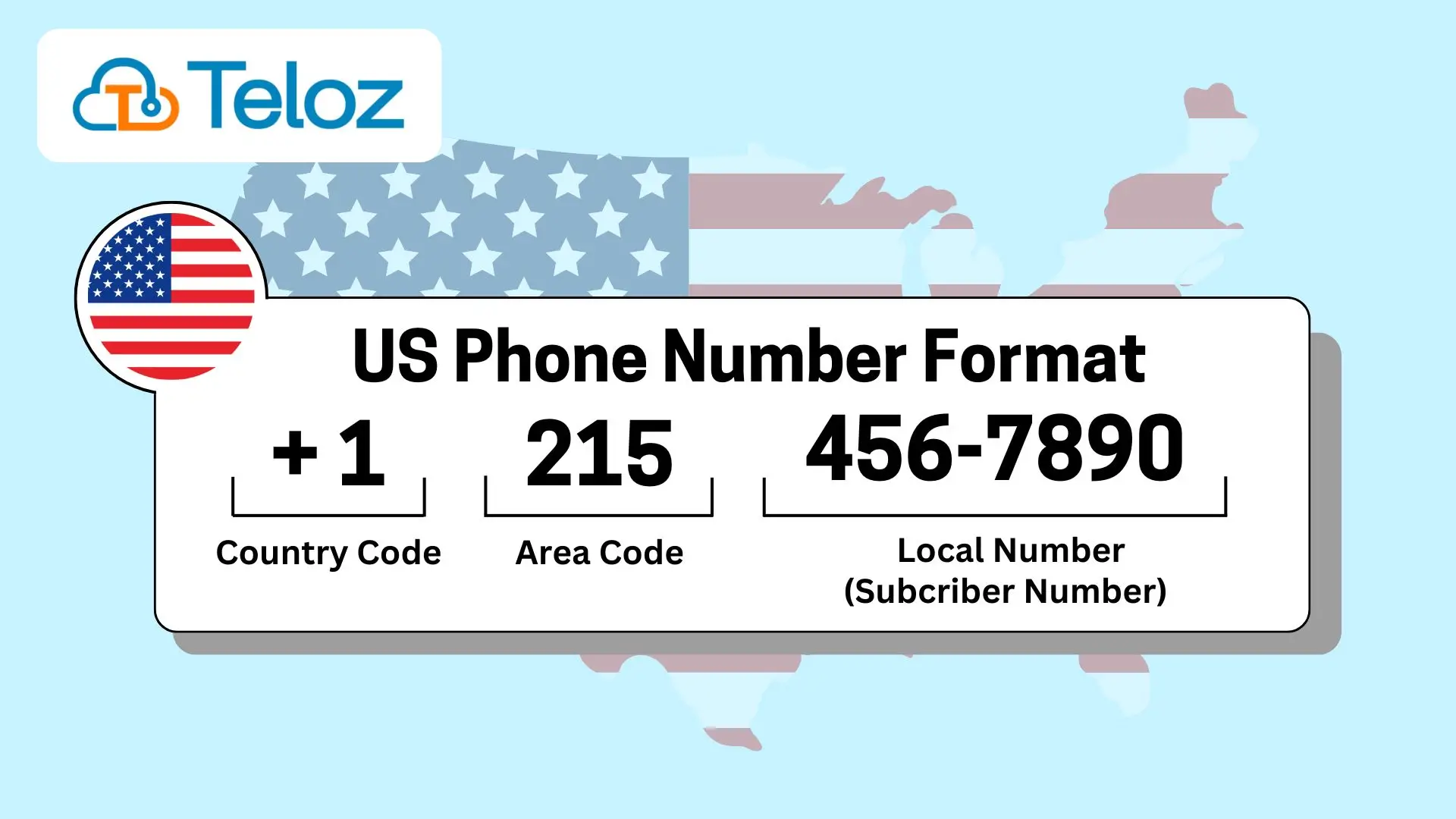
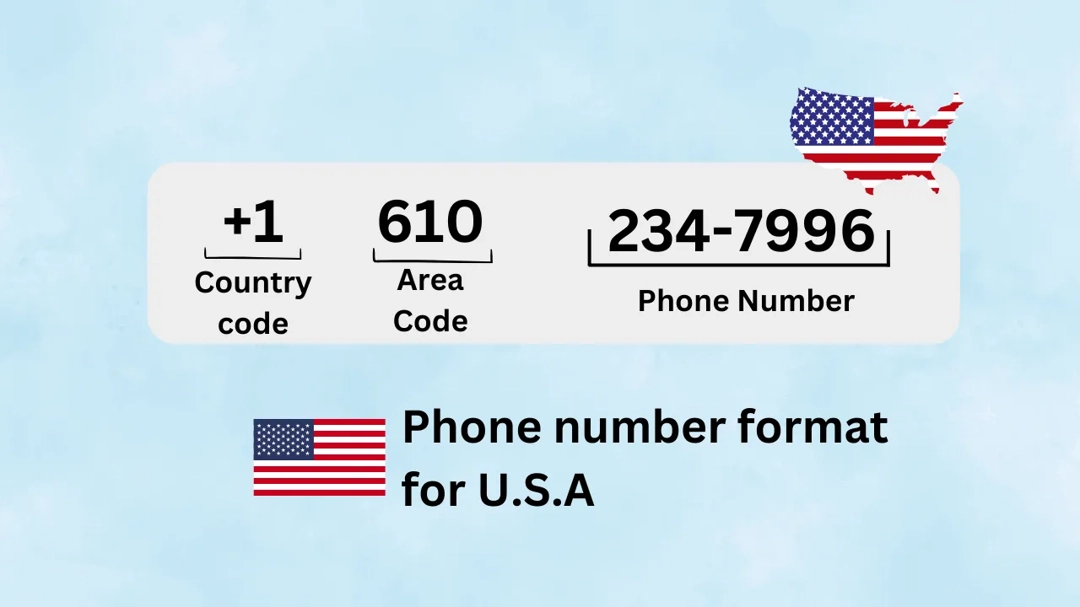
Today, the NANP is overseen by the North American Numbering Plan Administrator (NANPA). From a technical perspective, this means that the U.S. does not have a “country code” in isolation, but rather occupies a dominant position within “World Zone 1.” This zone uses a standardized ten-digit format consisting of a three-digit area code, a three-digit central office code, and a four-digit line number.
How the ITU-T Assigns International Calling Codes
The global distribution of country codes is managed by the International Telecommunication Union Telecommunication Standardization Sector (ITU-T). Under the E.164 recommendation, which is the international numbering plan for public telecommunication, every nation is assigned a code to ensure that calls can be routed correctly across different carrier networks.
The E.164 standard limits the maximum length of a full international phone number to 15 digits. By assigning the single digit “1” to the North American region, the ITU-T allowed for significant scalability within the U.S. domestic network, providing enough numerical combinations to support the explosion of mobile devices, pagers, and IoT (Internet of Things) hardware that emerged decades later.
Technical Infrastructure: How International Direct Dialing (IDD) Works
When you dial “+1” followed by a U.S. area code and phone number, you are triggering a complex sequence of digital handshakes between international switching centers. This process, known as International Direct Dialing (IDD), relies on specific technical protocols to move voice and data across the globe.
The Role of the Exit Code and the Plus (+) Symbol
One of the most common points of confusion in telecommunications tech is the difference between an “exit code” and a “country code.” To call the U.S. from abroad, a user must first signal to their local carrier that the call is leaving the country. This is done via an International Prefix or “Exit Code.”
In many countries, the exit code is “00,” while in others, it may vary. However, in the age of smartphones, the “+” symbol has become a universal technical shorthand for the exit code. When a user inputs “+,” the device’s software automatically detects the local carrier’s required exit prefix and appends the country code. This abstraction layer is a prime example of how modern software simplifies the underlying complexity of legacy telecommunications hardware.
Routing Voice Packets Through Global Gateways
Once the call is initiated with the +1 prefix, it travels to an International Gateway Provider (IGP). Here, the call is converted from a local signal into a format suitable for long-haul transmission, often using Signaling System No. 7 (SS7) or, increasingly, Session Initiation Protocol (SIP) for VoIP-based networks.
The “1” tells the global routers to send the data packets to one of the major switching hubs in North America. These hubs act as the digital “border crossings” for the U.S. network. Once the signal reaches a U.S. gateway, the next three digits (the area code) determine which specific regional network receives the call. This hierarchical routing system is what allows a call to be connected in milliseconds, despite the signals often traveling via undersea fiber-optic cables or satellite links.
From Landlines to Cloud: The Evolution of U.S. Telephony Tech
The way we utilize the +1 country code has evolved dramatically with the transition from analog copper wires to cloud-based digital infrastructure. This shift has introduced new capabilities and challenges for users and developers alike.
VoIP and Virtual Phone Systems
The rise of Voice over IP (VoIP) has decoupled the +1 country code from physical geography. In the past, a U.S. phone number was tied to a specific physical switch in a local exchange. Today, cloud-based providers allow individuals and businesses anywhere in the world to “rent” a +1 number.
Technically, these virtual numbers operate via the internet rather than the Public Switched Telephone Network (PSTN). When someone dials a virtual +1 number, the call is routed to a server, converted into data packets, and delivered to an app on a smartphone or a software interface on a computer. This technology has democratized access to the U.S. telecommunications market, allowing international startups to establish a “local” presence in the United States without having a physical office.
Digital Security and the Challenges of Caller ID Spoofing
While the +1 prefix facilitates global business, it has also become a tool for cyber-vulnerabilities. “Caller ID Spoofing” is a tech-driven phenomenon where bad actors use specialized software to mask their true origin, making an international call appear as a domestic +1 number.
To combat this, the FCC (Federal Communications Commission) in the United States has mandated the implementation of STIR/SHAKEN (Secure Telephone Identity Revisited/Signature-based Handling of Asserted Information Using toKENs). This is a suite of protocols that adds a digital certificate to every call. When a call with a +1 prefix enters the network, the carrier must “sign” it to verify that the caller ID is legitimate. This is a critical step in modern digital security, ensuring that the country code remains a trusted identifier in an age of automated botnets.
Practical Applications for the Modern Tech User
For the tech-savvy individual, understanding the +1 country code is essential for managing digital identities, international travel, and app-based communication.
Formatting Numbers for International Apps
Modern communication platforms like WhatsApp, Telegram, and Signal rely on the E.164 format for user identification. When registering an account or adding a contact, the app requires the full international format. For a U.S. number, this means starting with “+1,” followed by the ten digits of the phone number.
Omitting the +1, or using “001,” can lead to synchronization errors within these apps’ databases. This is because these platforms use the country code as a primary key in their cloud databases to differentiate between millions of users globally. Properly formatting the +1 prefix ensures that your messages are routed through the correct data centers and that end-to-end encryption is maintained between the correct endpoints.
Setting Up Dual-SIM and eSIM Technology for Global Travel
The advent of eSIM technology has changed how travelers interact with country codes. A modern iPhone or Android device can host multiple digital SIM cards simultaneously. A user might have their primary +1 (USA) number on an eSIM while using a local physical SIM card in a foreign country.
Technically, the device must manage two different MCC/MNC (Mobile Country Code/Mobile Network Code) combinations. When the user receives a call on their +1 number while abroad, the network uses “International Roaming” protocols to bridge the gap. The phone’s software must intelligently determine whether to route outgoing calls using the +1 prefix or the local prefix of the host country. Understanding these settings is vital for avoiding exorbitant roaming fees and ensuring that “Wi-Fi Calling” (which bypasses cellular roaming by using a VPN-like tunnel back to the U.S. carrier) is correctly configured.
The Future of the +1 Prefix in an Interconnected World
As we look toward the future, the role of the telephone country code is being further transformed by Artificial Intelligence and 5G integration. AI-driven call screening services now analyze the metadata attached to +1 calls in real-time to block spam before the phone even rings. Meanwhile, 5G networks are increasing the capacity for “Massive Machine Type Communications” (mMTC), meaning that millions of non-human devices—from smart meters to autonomous vehicles—will soon be assigned their own +1 identifiers within the U.S. network.
The +1 country code is more than just a digit you press before a phone number. It is a cornerstone of the global digital economy, a testament to mid-century engineering, and a continuously evolving standard in the world of high-tech telecommunications. Whether you are a developer building a global app or a traveler navigating international networks, the +1 prefix remains your primary gateway to the United States and the wider world of North American connectivity.
aViewFromTheCave is a participant in the Amazon Services LLC Associates Program, an affiliate advertising program designed to provide a means for sites to earn advertising fees by advertising and linking to Amazon.com. Amazon, the Amazon logo, AmazonSupply, and the AmazonSupply logo are trademarks of Amazon.com, Inc. or its affiliates. As an Amazon Associate we earn affiliate commissions from qualifying purchases.