
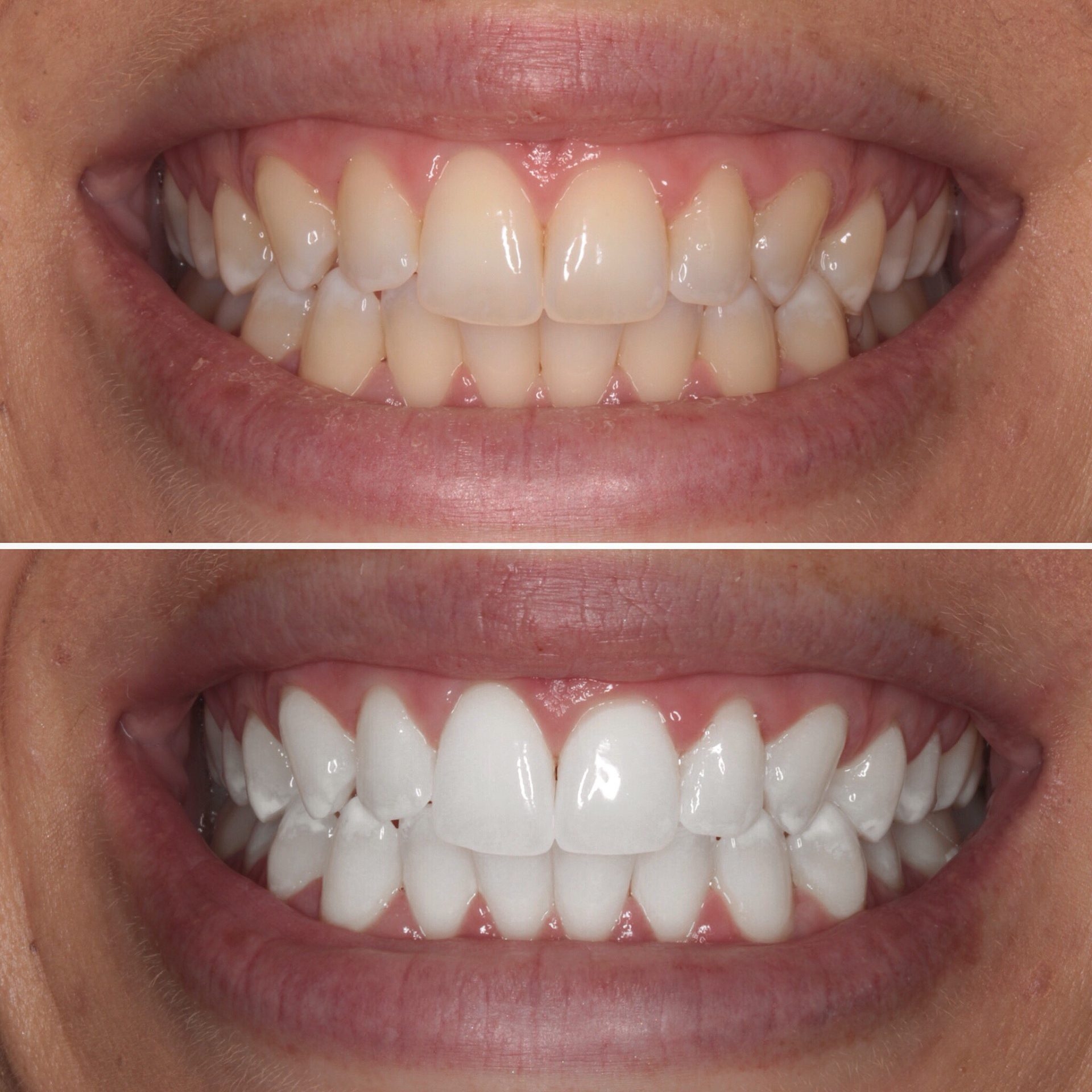
In the modern economic landscape, teeth whitening is far more than a simple cosmetic procedure; it is a multi-billion dollar industry that intersects personal finance, professional branding, and market investment. At its core, teeth whitening is the process of removing stains and discoloration from the enamel and dentin to achieve a brighter appearance. However, when viewed through the lens of personal finance and business growth, it represents a strategic investment in “human capital” and a primary driver in the burgeoning aesthetic economy.
Understanding what teeth whitening is requires an analysis of its financial structure, the return on investment (ROI) it offers to professionals, and the massive market opportunities it creates for entrepreneurs and investors alike.
The Financial Landscape of Cosmetic Dentistry
Teeth whitening operates within a tiered pricing structure that ranges from low-cost consumer goods to high-end professional services. To understand the financial commitment required, one must break down the market into its primary economic segments: the over-the-counter (OTC) market and the professional clinical market.
Cost-Benefit Analysis of Treatment Modalities
The OTC sector, comprising whitening strips, gels, and LED-assisted kits, is a high-volume, low-margin business for manufacturers but a cost-effective entry point for consumers. From a personal finance perspective, these products represent a recurring expense. While the initial outlay is minimal—often ranging from $20 to $60—the lower concentration of active bleaching agents like hydrogen peroxide means results are temporary and require frequent replenishment.
Conversely, professional in-office whitening is a high-margin, capital-intensive service. Prices typically range from $500 to $1,500 per session. For the consumer, this is a significant “big-ticket” item. However, the value proposition lies in the time-saved-to-results ratio. Professional treatments utilize medical-grade concentrations and advanced technology (such as laser or high-intensity light acceleration) that provide immediate results. For a high-earning professional, the opportunity cost of spending weeks on DIY treatments often justifies the one-time investment in a clinical procedure.
The Economic Divide Between Professional and DIY Solutions
The financial divide is not just about the price tag; it’s about the longevity of the asset. A professional whitening treatment is a “durable” aesthetic improvement that, with proper maintenance, can last years. In financial terms, this is an amortized cost. If a $600 treatment lasts three years, the cost is roughly $16 per month. In contrast, a monthly $40 DIY kit costs $480 annually. Over three years, the “cheaper” DIY option actually costs the consumer $1,440, proving that in the world of cosmetic finance, the higher upfront cost often yields a better long-term ROI.
Teeth Whitening as Career Capital
In the competitive world of corporate strategy and personal branding, physical appearance is frequently quantified as a component of “professional presence.” Teeth whitening is often the first step in enhancing this presence. Economic studies have long pointed to a “beauty premium,” where individuals perceived as well-groomed and healthy earn significantly more over their lifetimes than their counterparts.
The Statistical Correlation Between Appearance and Earnings
Research in the field of labor economics suggests that aesthetic enhancements, including dental work, correlate with higher confidence and better performance in high-stakes environments like sales, executive leadership, and public relations. A brighter smile is often subconsciously associated with discipline, health, and social status. From a career-finance perspective, the $1,000 spent on a premium whitening procedure can be seen as a networking tool. If a boost in confidence leads to a more successful salary negotiation or a higher closing rate on contracts, the treatment pays for itself many times over within a single fiscal year.
Psychological Capital and Negotiation Power
Beyond direct earnings, there is the concept of psychological capital. Professional whitening serves as a catalyst for self-assurance. In negotiations, the person who speaks and smiles with confidence often commands the room. This intangible asset is a critical driver of “soft power” in business. When we define what teeth whitening is in a professional context, we are defining a tool for behavioral economics—using a physical change to influence the perceptions and financial decisions of others in a professional ecosystem.
Market Analysis: The Multi-Billion Dollar Whitening Industry
For the savvy investor, the teeth whitening market represents one of the most resilient sectors of the health and beauty industry. Valued at over $7 billion globally and projected to grow at a compound annual growth rate (CAGR) of over 5%, this sector has shown remarkable stability even during economic downturns.

Consumer Trends and the Rise of Direct-to-Consumer (DTC) Brands
One of the most significant shifts in the business of whitening is the rise of DTC brands. By cutting out the middleman (the dental office), companies like HiSmile and Snow have achieved unicorn-level valuations by leveraging social media marketing and high-margin subscription models. This shift represents a democratization of the service, moving it from a luxury clinical procedure to a lifestyle commodity. For investors, these companies offer a case study in high-yield brand scaling, where the cost of goods sold (COGS) is remarkably low compared to the retail price.
Investment Opportunities in Dental Tech and Manufacturing
The “gold rush” in whitening isn’t just in the bleaching agents themselves but in the technology that powers them. Companies specializing in LED hardware, blue-light frequency emitters, and biodegradable whitening strips are seeing massive inflows of venture capital. Furthermore, the chemical engineering firms that produce stabilized hydrogen peroxide and carbamide peroxide are the “picks and shovels” of this industry. Investing in the supply chain of dental aesthetics has historically provided a hedge against more volatile tech stocks, as the demand for personal grooming remains constant.
Strategic Budgeting for Dental Aesthetics
For the individual investor or the budget-conscious professional, managing the costs of cosmetic dental work requires strategic financial planning. Because teeth whitening is typically classified as a cosmetic procedure, it is rarely covered by standard dental insurance. This necessitates a proactive approach to funding.
Utilizing HSA, FSA, and Tax Advantages
While standard whitening is usually an out-of-pocket expense, there are financial instruments that can mitigate the blow. In some jurisdictions, if the discoloration is a result of a medical condition or a side effect of necessary medication, practitioners may be able to justify the treatment under Health Savings Accounts (HSA) or Flexible Spending Accounts (FSA). This allows individuals to use pre-tax dollars to fund their treatments, effectively providing a 20-30% discount based on their tax bracket.
Furthermore, for self-employed individuals and influencers whose personal brand is their primary source of income, there are nuanced arguments for classifying cosmetic treatments as a business expense. While the IRS and other tax bodies are often stringent, the intersection of marketing and personal grooming is a grey area that many high-level entrepreneurs navigate with the help of specialized accountants.
Financing Options: From Credit Lines to Dental Savings Plans
The rise of “Buy Now, Pay Later” (BNPL) services and specialized medical credit lines like CareCredit has transformed how consumers access whitening services. By breaking a $1,000 treatment into twelve monthly interest-free payments, dental offices have increased their conversion rates significantly. This shift in consumer finance allows for immediate asset acquisition (a whiter smile) with minimal impact on monthly cash flow, a strategy mirrored in high-level corporate finance.
The Business of Whitening: An Entrepreneurial Perspective
For those looking to generate online income or launch a side hustle, the teeth whitening industry offers a low barrier to entry and high profit margins. The “white-label” industry allows entrepreneurs to brand their own whitening kits and sell them via e-commerce platforms with minimal overhead.
Market Entry for Side Hustles and Mobile Clinics
A growing trend in the gig economy is the mobile teeth whitening technician. By obtaining the necessary certifications and purchasing portable LED equipment, individuals can start a service-based business with an initial capital outlay of less than $3,000. These businesses often see a return on investment within the first twenty clients. The operational model is lean: low rent (if mobile), low inventory costs, and high hourly rates. It is a prime example of a service-based business that leverages the “luxury-for-less” trend in consumer spending.

Regulatory Costs and Insurance Liabilities
However, like any business finance venture, there are risks. Entrepreneurs must navigate the regulatory landscape of dental boards, which vary by region. Some areas restrict the use of certain peroxide concentrations to licensed dentists only. Understanding these legal “moats” is essential for anyone looking to invest in or start a whitening business. Proper liability insurance and compliance with health safety standards are non-negotiable costs of doing business in this niche, but they also serve to protect the entrepreneur’s long-term financial health.
In conclusion, teeth whitening is not merely a cosmetic choice; it is a complex financial instrument. It is a personal investment with a measurable ROI in the professional sphere, a robust and growing market for institutional investors, and a fertile ground for entrepreneurial innovation. By treating it as a strategic asset rather than a frivolous expense, individuals and businesses can better navigate the economic opportunities provided by the quest for a brighter smile.
aViewFromTheCave is a participant in the Amazon Services LLC Associates Program, an affiliate advertising program designed to provide a means for sites to earn advertising fees by advertising and linking to Amazon.com. Amazon, the Amazon logo, AmazonSupply, and the AmazonSupply logo are trademarks of Amazon.com, Inc. or its affiliates. As an Amazon Associate we earn affiliate commissions from qualifying purchases.