
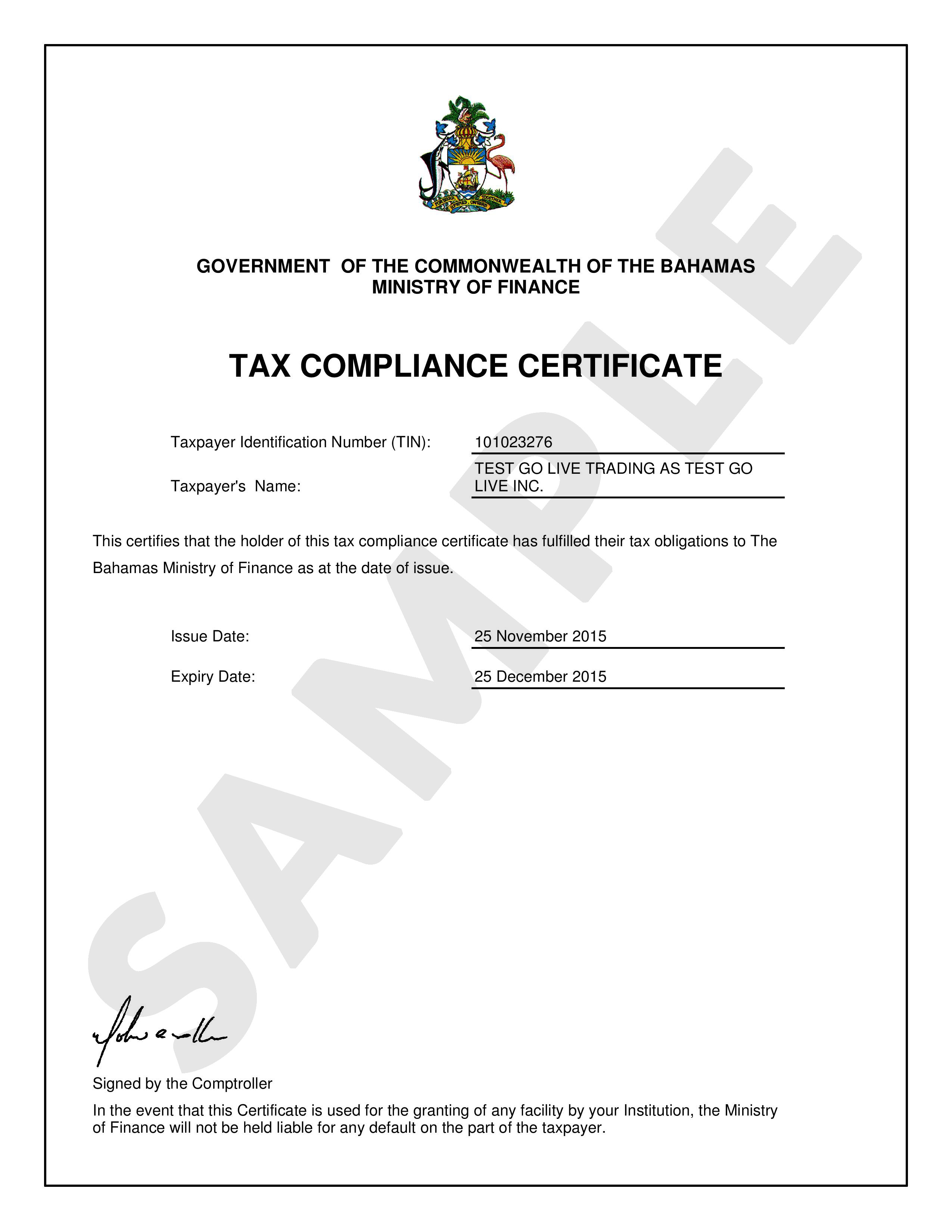
In the complex landscape of personal finance and business operations, the term “tax certificate” often surfaces in two distinct yet equally critical contexts. For some, it represents a high-yield investment vehicle known as a tax lien certificate. For others, particularly entrepreneurs and business owners, it refers to a document that facilitates tax-exempt transactions, such as a resale or exemption certificate.
Understanding the nuances of these documents is essential for anyone looking to optimize their financial strategy, whether through passive income generation or the streamlining of business expenses. This guide explores the different types of tax certificates, their legal implications, and how they serve as vital tools in the world of money management.
Understanding Tax Lien Certificates as an Investment Strategy
For the savvy individual investor, a tax lien certificate is a powerful tool for generating passive income. When a property owner fails to pay their local property taxes, the municipal or county government cannot simply wait indefinitely for the revenue. These funds are necessary to pay for schools, roads, and emergency services. To bridge the budget gap, the local government issues a legal claim against the property—a tax lien—and then sells that claim to private investors in the form of a tax lien certificate.
How Tax Lien Auctions Work
When a government entity decides to auction tax certificates, it typically follows a structured public process. Investors bid on these certificates, effectively paying the delinquent taxes on behalf of the property owner. In exchange, the investor receives the right to collect the back taxes plus a significant rate of interest when the property owner eventually pays.
There are generally two types of bidding processes used in these auctions:
- Bid-Down Interest: The auction starts at a maximum interest rate set by state law (often between 8% and 18% or higher). Investors bid the interest rate down, and the individual willing to accept the lowest return wins the certificate.
- Premium Bidding: Investors bid a price above the actual tax amount owed. The highest bidder wins, though the interest is usually only calculated on the base tax amount, not the premium paid.
The Redemption Period and Returns
Once an investor holds a tax lien certificate, a “redemption period” begins. This is a legally mandated window of time—usually ranging from one to three years—during which the property owner must pay the owed taxes plus the accrued interest and penalties.
If the owner pays, the municipality collects the funds and distributes the principal and interest to the certificate holder. Because the interest rates are mandated by law and are often much higher than traditional savings accounts or CDs, tax lien certificates are considered a high-yield fixed-income investment. If the owner fails to redeem the certificate within the timeframe, the investor may have the legal right to initiate foreclosure proceedings and potentially take ownership of the property for a fraction of its market value.
Risks and Considerations for Investors
While the returns can be lucrative, tax lien investing is not without risk. Investors must perform extensive due diligence on the underlying property. A certificate on a worthless piece of land, a property with severe environmental contamination, or a structure scheduled for demolition offers little security. Furthermore, tax liens are generally superior to other liens (like mortgages), but they do not eliminate all financial complications. Investors must also be aware of expiration dates; if a certificate is not foreclosed upon or redeemed within a certain period, it may become null and void.
The Role of Tax Exemption and Resale Certificates in Business Finance
In the realm of business finance and operations, a tax certificate takes on a different meaning. Here, it is typically a document—often called a Resale Certificate or an Exemption Certificate—that allows a business to purchase goods without paying sales tax at the point of sale.
Streamlining Operations with Resale Certificates
For businesses involved in the sale of physical goods, such as retailers or wholesalers, the resale certificate is an indispensable tool for maintaining cash flow. Under most state laws, sales tax is intended to be collected only once: at the final point of sale to the end consumer.
By presenting a valid resale certificate to a supplier, a business owner proves that the items being purchased are intended for resale. This prevents “double taxation” and ensures that the business does not tie up its working capital in tax payments that it would eventually need to recoup. For side hustles involving e-commerce, flipping, or dropshipping, obtaining a sales tax ID and the subsequent resale certificate is a foundational step in professionalizing the venture.
Different Types of Exemption Certificates
Beyond resale, there are other forms of tax-exempt certificates tailored to specific financial entities:
- Governmental Exemptions: Provided to federal, state, and local agencies.
- Non-Profit/501(c)(3) Certificates: Issued to charitable organizations to ensure their funds are directed toward their mission rather than sales tax.
- Industrial/Manufacturing Exemptions: In many jurisdictions, raw materials or machinery used in the manufacturing process are exempt from sales tax to encourage industrial growth.
Maintaining Compliance and Documentation
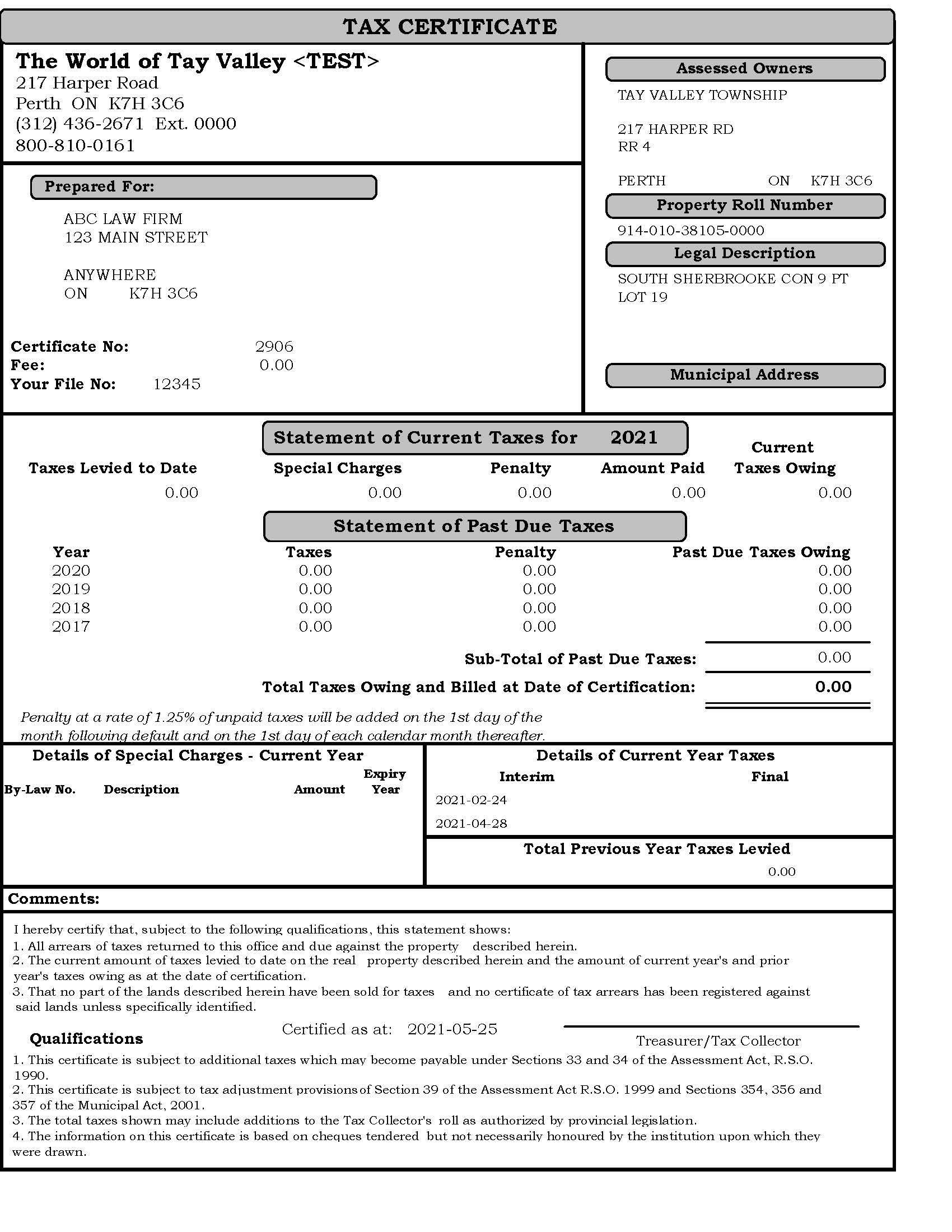
For a business, the burden of proof lies with the buyer to provide the certificate and with the seller to keep it on file. In the event of a state tax audit, a business that failed to collect sales tax on a transaction must be able to produce the buyer’s tax certificate. Failure to do so can result in the seller being held liable for the unpaid taxes, along with heavy penalties and interest. Therefore, managing these certificates is a critical aspect of business financial health and risk management.
Tax Residency and Income Certificates for Global Professionals
In an era of remote work and globalized investing, a third type of tax certificate has gained prominence: the Tax Residency Certificate (TRC). This document is vital for “digital nomads,” international consultants, and investors with assets in multiple countries.
Avoiding Double Taxation
A Tax Residency Certificate is an official document issued by a country’s government certifying that an individual or a company is a tax resident of that specific nation. This is crucial for taking advantage of Double Taxation Agreements (DTAs). Without a TRC, a professional working in Country A but living in Country B might find themselves taxed on the same income by both jurisdictions.
By presenting a tax certificate to the foreign tax authority or a foreign payer, the individual can often reduce the withholding tax rate or exempt the income from foreign taxation entirely. This is a key component of international personal finance, ensuring that more of one’s hard-earned “online income” remains in their pocket.
Essential Documentation for International Investors
For those with international brokerage accounts or foreign real estate, the TRC is often required to claim treaty benefits on dividends, interest, or rental income. The process for obtaining these certificates varies by country—for instance, the IRS issues Form 6166 in the United States—but the goal remains the same: to provide definitive proof of tax liability to facilitate global financial movement.
Navigating the Legal and Financial Implications
Whether you are looking at a tax certificate as an investment or a business tool, there are overarching legal and financial frameworks you must navigate.
The Importance of Validity and Expiry
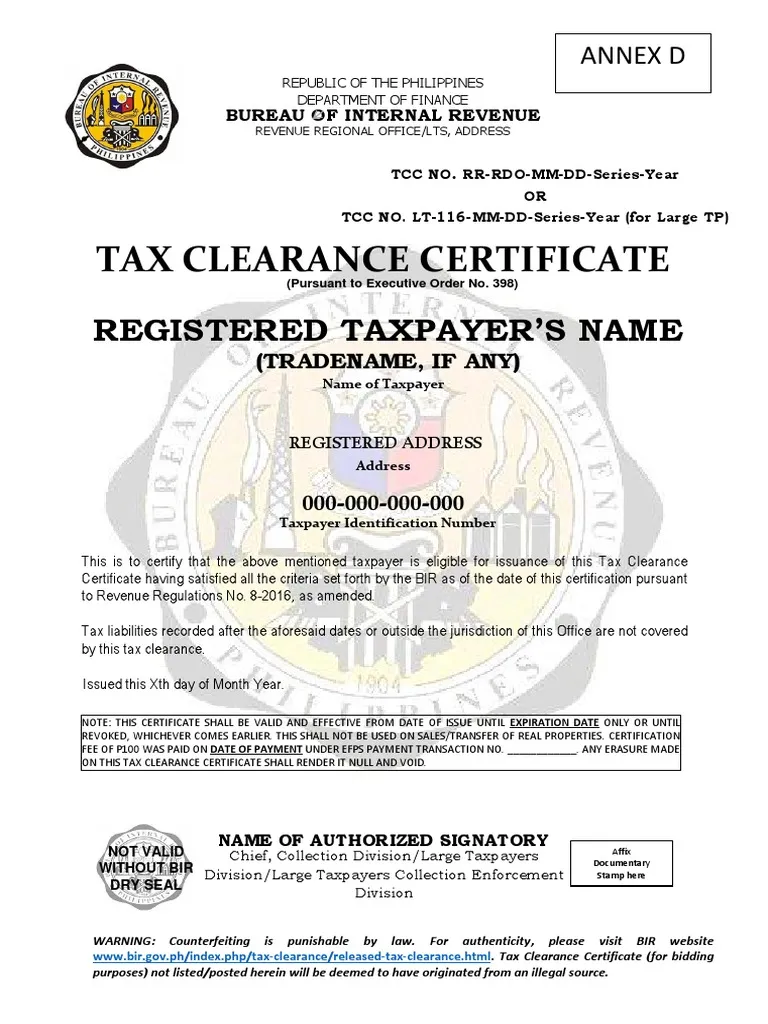
Tax certificates are rarely “set it and forget it” documents. Investment certificates have “statutes of limitations” regarding when you can foreclose. Resale certificates often expire every few years, requiring renewal to remain valid. Tax residency certificates are typically only valid for the specific tax year in which they were issued. Managing the lifecycle of these documents is a prerequisite for financial success.
Technological Tools for Management
Modern financial tools have made managing tax certificates significantly easier. For investors, platforms now exist that aggregate tax lien data across various counties, allowing for easier due diligence. For business owners, accounting software and specialized “certificate management” platforms can automate the collection and storage of resale certificates from customers, reducing the risk of audit failures.
Strategic Integration into a Wealth Plan
Integrating tax certificates into a broader financial strategy requires a clear understanding of your goals.
If your objective is passive income, tax lien certificates offer a unique, collateral-backed way to earn returns that often outperform the stock market, though they require more “legwork” in terms of research and local government interaction.
If your objective is business growth, the diligent use of resale certificates is a matter of basic financial hygiene. It protects your margins and ensures your pricing remains competitive by avoiding unnecessary tax overhead.
If your objective is global mobility, the tax residency certificate is your passport to financial efficiency, allowing you to move through the world’s markets without being penalized by overlapping tax codes.
In conclusion, a tax certificate is far more than a simple piece of paper. It is a legal instrument that, when used correctly, functions as a powerful lever for wealth creation and preservation. Whether you are bidding at a county auction or filing paperwork for a new business entity, mastering the use of tax certificates is a hallmark of sophisticated financial management. By understanding these tools, you can navigate the complexities of the tax code to your advantage, ensuring that your money works as hard for you as possible.
aViewFromTheCave is a participant in the Amazon Services LLC Associates Program, an affiliate advertising program designed to provide a means for sites to earn advertising fees by advertising and linking to Amazon.com. Amazon, the Amazon logo, AmazonSupply, and the AmazonSupply logo are trademarks of Amazon.com, Inc. or its affiliates. As an Amazon Associate we earn affiliate commissions from qualifying purchases.