
The term “tasbih” traditionally refers to a string of prayer beads, most commonly associated with Islamic devotion. Historically, these beads have served as a tangible, tactile tool for keeping count of dhikr (remembrance of God), supplications, and specific phrases repeated numerous times. More broadly, the concept of tasbih embodies the act of glorifying God. While its roots are deeply spiritual and historical, the modern era has seen a fascinating integration of this ancient practice with contemporary technology, transforming how many individuals engage with their spiritual routines.
The Origins and Traditional Significance
At its core, a traditional tasbih is a practical instrument designed to aid in concentrated spiritual repetition. Its origins can be traced back centuries, not only within Islam but also in various other religious traditions globally, where similar counting tools exist. The physical act of moving beads helps practitioners maintain focus, immerse themselves in the rhythm of their prayers, and accurately track the often extensive number of repetitions required for specific devotions.

A Tool for Spiritual Practice
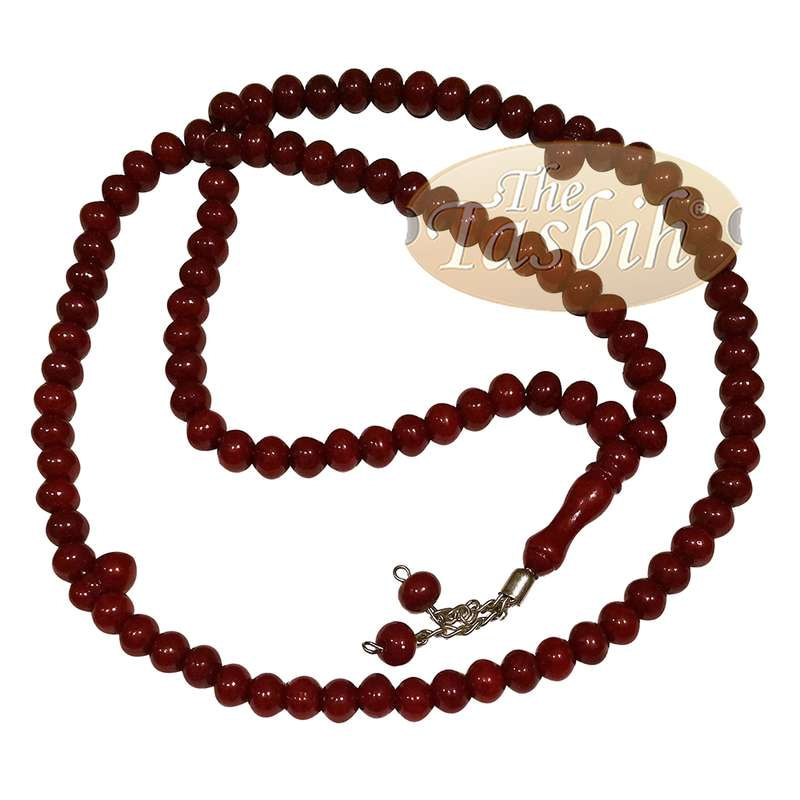
For centuries, the tasbih has been an indispensable companion for devout Muslims worldwide. It typically consists of 33 or 99 beads, often complemented by a “leader bead” (imam) and sometimes dividers between sets of 11 or 33 beads. This structure facilitates the counting of specific phrases like “Subhanallah” (Glory be to God), “Alhamdulillah” (Praise be to God), and “Allahu Akbar” (God is the Greatest), each repeated a set number of times. The tactile experience of the beads—the feel of the material, the slight sound of them clicking together—becomes an integral part of the meditative and devotional process, fostering a deeper sense of presence and connection.
Diverse Forms and Cultural Adaptations
Traditional tasbih beads are crafted from a wide array of materials, reflecting regional resources, cultural aesthetics, and even personal preferences. Common materials include wood (such as olive, Kuka, or sandalwood), amber, pearls, semi-precious stones (like agate or carnelian), and even synthetic materials. The craftsmanship itself can be intricate, with some tasbihs becoming cherished heirlooms or works of art. The choice of material and design often carries symbolic meaning or cultural significance, contributing to the personal bond between the practitioner and their devotional tool. While the primary function remains constant, the diverse forms underscore the tasbih’s adaptability and enduring presence across various Islamic cultures.
The Digital Evolution: Tasbih in the 21st Century
The advent of smartphones, smart wearables, and accessible computing has ushered in a new era for spiritual practices, including the use of tasbih. What was once exclusively a physical object has now found a robust presence in the digital realm, offering convenience, portability, and enhanced features that traditional beads cannot. This technological shift reflects a broader trend where digital tools are increasingly integrated into daily life, including personal spiritual routines.
Mobile Applications for Dhikr
Perhaps the most common digital incarnation of tasbih is found in mobile applications. App stores are replete with “digital tasbih” or “dhikr counter” apps designed for both iOS and Android platforms. These applications typically feature a virtual counter that increments with each tap on the screen, mimicking the action of moving a bead. Many apps offer customizable options, allowing users to:
- Set specific dhikr phrases: Pre-loaded options for common prayers and the ability to add custom phrases.
- Track progress: Monitor daily, weekly, or monthly counts, providing visual graphs and statistics on spiritual consistency.
- Receive reminders: Set notifications for specific prayer times or dhikr sessions.
- Personalize interface: Choose themes, sounds, and vibration feedback to enhance the user experience.
- Share achievements: Integrate with social media platforms for community engagement, allowing users to share their spiritual progress with friends or groups, fostering a sense of collective devotion.
These apps cater to a generation accustomed to digital interfaces, making spiritual practice accessible anywhere, anytime, without the need to carry physical beads.
Smart Wearables and Digital Counters
Beyond mobile apps, tasbih functionality has also found its way into specialized digital counters and smart wearables. Small, handheld digital tasbih counters, often resembling key fobs or compact remote controls, provide a simple button to increment a digital display. These devices offer a tactile experience similar to clicking a mouse, often with an audible or vibrating confirmation for each count.
More sophisticated integrations can be seen in smart rings or wristbands designed specifically for dhikr. These wearables often feature:
- Integrated sensors: Accelerometers or touch sensors detect finger movements or taps, automatically incrementing the count.
- Haptic feedback: Subtle vibrations confirm each count without requiring the user to look at a screen.
- Connectivity: Bluetooth pairing with a smartphone app allows for data synchronization, tracking long-term progress, and advanced customization.
- Prayer time alerts: Some devices include built-in prayer time notifications based on location.
- Battery life and charging: Designed for convenience, these gadgets typically boast long battery lives and easy charging solutions.
These devices merge the ancient practice with cutting-edge micro-electronics, offering a discreet and highly convenient way to perform tasbih in various settings, from commuting to work to attending meetings, without drawing attention or requiring a physical object to be held.
Enhancing or Distracting? Tech’s Role in Spirituality
The integration of technology into practices like tasbih raises pertinent questions about its impact on the spiritual experience. While offering undeniable advantages, the digital tasbih also presents unique challenges and considerations that warrant exploration within the tech domain.
Accessibility and Convenience
One of the most significant benefits of digital tasbih tools is their unparalleled accessibility. For individuals with physical limitations, carrying heavy beads, or those living in environments where discretion is valued, digital solutions offer an invaluable alternative. They eliminate the concern of misplacing beads, breaking them, or the bulk of carrying them, making spiritual practice seamless in an on-the-go lifestyle. Furthermore, the data tracking capabilities of apps and smart wearables can help users establish and maintain consistent spiritual habits, offering insights into their devotional patterns and encouraging discipline. The sheer convenience removes barriers, allowing more people to engage in dhikr regularly.
The Tangible vs. Digital Experience
However, the transition from physical to digital is not without its trade-offs. The tactile and sensory experience of traditional beads is deeply intertwined with the meditative aspect of tasbih. The feel of the material, the weight, the ritual of moving each bead—these elements contribute to a grounding, embodied practice that some argue is diminished by a digital interface. A physical tasbih can also serve as a constant, gentle reminder of one’s faith and intentions, a physical anchor in a busy world. Digital distractions, such as notifications from other apps or the temptation to browse, can easily pull the user away from their spiritual focus, transforming a moment of devotion into another screen-time activity. The challenge for tech developers is to replicate the calming, immersive quality of physical beads in a digital format, perhaps through advanced haptic feedback or minimalist interfaces.
Data Security and Privacy in Religious Apps
As with any digital tool, privacy and data security are critical concerns for digital tasbih apps and wearables. These applications often require various permissions, from tracking usage patterns to potentially accessing location data for prayer time calculations. Users must be mindful of how their spiritual practices and personal data are collected, stored, and utilized by app developers.
- Data collection: Is the app collecting anonymized data on dhikr counts, or more personal information?
- Third-party sharing: Is this data shared with third-party advertisers or analytics firms?
- Encryption: Are user accounts and personal settings encrypted to prevent unauthorized access?
- Location data: How is location data (used for prayer times) stored and protected?
Developers of spiritual tech tools bear the responsibility of implementing robust security measures and transparent privacy policies. Users, in turn, should carefully review these policies and consider the reputation of the app developer before entrusting them with their personal data and spiritual journey. The spiritual significance of the tool makes trust in its digital counterpart even more paramount.
The Future of Spiritual Tech
The intersection of technology and spirituality is a rapidly evolving field, and the digital tasbih is just one example of how tech is being harnessed to support traditional practices. The future promises even more sophisticated integrations, aiming to bridge the gap between ancient rituals and modern living.
Personalization and AI Integration
Future iterations of digital tasbih tools could leverage AI to offer highly personalized spiritual experiences. Imagine an app that learns your devotional patterns, suggests specific dhikr based on your mood or daily schedule, or even adjusts its interface to minimize distraction based on your focus levels. AI could analyze vocal patterns during recitation to provide feedback on pronunciation or rhythm, enhancing the quality of one’s spiritual engagement. Wearables might integrate biometric data (heart rate, stress levels) to suggest moments for reflection or guide users through breathing exercises during dhikr, creating a truly holistic experience.

Bridging the Physical and Virtual
The ultimate goal for many in spiritual tech is not to replace the physical, but to augment and enrich it. Hybrid solutions could emerge, such as smart tasbih beads that look and feel traditional but contain embedded sensors to track counts, connect to apps, and provide haptic feedback. Augmented reality (AR) could offer interactive prayer guides or meditative environments that enhance the spiritual atmosphere. The future of tasbih, seen through a technological lens, is about creating seamless, intelligent, and deeply personal tools that uphold the sanctity and purpose of this ancient practice while making it more accessible and integrated into contemporary life.
aViewFromTheCave is a participant in the Amazon Services LLC Associates Program, an affiliate advertising program designed to provide a means for sites to earn advertising fees by advertising and linking to Amazon.com. Amazon, the Amazon logo, AmazonSupply, and the AmazonSupply logo are trademarks of Amazon.com, Inc. or its affiliates. As an Amazon Associate we earn affiliate commissions from qualifying purchases.