
In the complex ecosystem of global economics, few tools are as powerful—and as disruptive—as the tariff. Historically, tariffs were the primary source of government revenue, but in the modern era, they have evolved into instruments of geopolitical leverage and domestic protectionism. When multiple nations engage in a cycle of escalating import duties and retaliatory measures, the world witnesses a “tariff war.” For the investor, the business owner, and the consumer, a tariff war is not merely a political headline; it is a fundamental shift in the cost of capital, the flow of goods, and the valuation of global assets. Understanding the mechanics of these trade conflicts is essential for anyone navigating the current financial landscape, where the stability of supply chains and the health of equity markets are often tied to the stroke of a legislative pen.
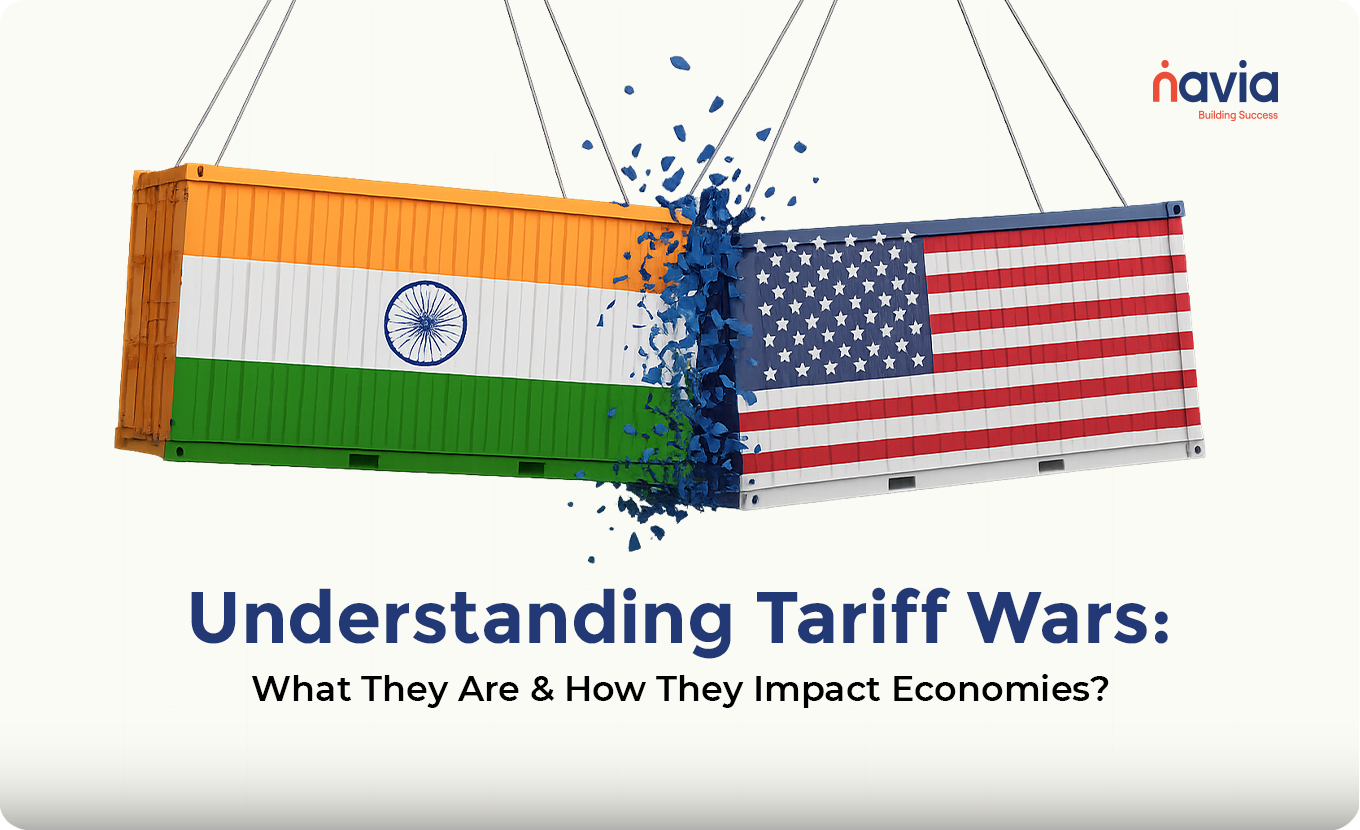
The Mechanics of Trade Conflict: Why Tariffs are Deployed in Modern Finance
At its core, a tariff is a tax imposed by a government on imported goods. While the intent is often to protect domestic industries from foreign competition, the financial reality is more nuanced. When a country imposes a tariff, it essentially increases the cost of doing business for companies that rely on foreign inputs. This section explores why these measures are used and how they trigger a cascading effect throughout the global economy.
Defining Tariffs in the Context of Protectionism
In the realm of business finance, protectionism is the practice of shielding a country’s domestic industries from foreign competition by taxing imports. The logic is straightforward: by making foreign products more expensive, domestic products become more attractive by comparison. This is intended to preserve jobs and encourage local manufacturing. However, from a purely financial perspective, tariffs act as a “deadweight loss.” They distort market efficiencies and force capital toward less productive sectors. For an investor, protectionism signals a move away from the high-efficiency globalism of the late 20th century toward a more fragmented, high-cost environment.
The Chain Reaction: Retaliatory Measures and Trade Barriers
A tariff war rarely involves a single actor. It is characterized by the “tit-for-tat” nature of international relations. When Country A imposes a tariff on Country B’s steel, Country B responds with a tariff on Country A’s agricultural products. This cycle creates a climate of extreme uncertainty. In corporate finance, uncertainty is a primary deterrent to investment. When executives cannot predict the future cost of materials or the accessibility of foreign markets, they often delay capital expenditures (CAPEX), which can lead to a slowdown in economic growth. This cycle of retaliation can quickly transform a specific trade dispute into a systemic risk for the global financial system.
The Impact on Global Markets and Investment Portfolios
For the individual investor, a tariff war is most immediately felt through the lens of market volatility. The stock market hates uncertainty, and trade disputes provide it in abundance. As trade tensions rise, investors must recalibrate their portfolios to account for new risks that were previously considered negligible.
Stock Market Volatility and Sector Vulnerability
Not all sectors are created equal in a tariff war. Companies with global supply chains—such as those in the automotive, technology, and manufacturing sectors—are typically the most vulnerable. For instance, an American car manufacturer that sources parts from overseas faces immediate margin compression when those parts are taxed. If the company passes those costs to the consumer, sales may drop; if it absorbs the costs, earnings per share (EPS) will decline. Conversely, domestic-focused sectors, such as utilities or certain real estate investment trusts (REITs), may act as “defensive” plays during these periods, as their revenue streams are less exposed to international trade dynamics.
Currency Fluctuations and the Strength of the Dollar
Tariff wars also exert significant pressure on the foreign exchange (forex) markets. When a country faces high tariffs on its exports, its currency often devalues as the demand for that currency falls. Furthermore, central banks may respond to trade-induced economic slowdowns by adjusting interest rates. In the United States, the dollar often acts as a “safe haven” asset during trade turmoil. While a strong dollar can be a sign of economic resilience, it also makes American exports even more expensive for foreign buyers, compounding the negative effects of the tariffs themselves. For investors with international exposure, these currency swings can either erode gains or provide unexpected windfalls, depending on their hedging strategies.
Business Finance and the Cost of Production

The ripple effects of a tariff war extend deep into the balance sheets of multinational corporations and small businesses alike. The primary concern for business finance professionals during these times is the “input cost” inflation that occurs when raw materials are taxed.
Supply Chain Disruptions and Input Costs
Modern manufacturing relies on “just-in-time” supply chains that span dozens of countries. A tariff on aluminum or semiconductors does not just affect the price of those specific commodities; it affects the cost of every finished good that utilizes them. For a business, this means a sudden and often unpredictable increase in the Cost of Goods Sold (COGS). Managing these costs requires sophisticated financial planning and, in many cases, a complete restructuring of the supply chain. Companies may engage in “near-shoring” or “friend-shoring”—moving production to countries with more favorable trade relations—but these transitions are capital-intensive and take years to execute.
Corporate Earnings and Profit Margin Squeezes
The ultimate metric of a company’s health is its ability to generate profit. Tariff wars are notorious for “squeezing” profit margins. If a company operates in a highly competitive market, it may lack the “pricing power” to pass tariff costs onto customers. In this scenario, the business must absorb the tax, leading to lower net income. For equity analysts, a tariff war requires a deep dive into a company’s geographic revenue split and its “cost of sales” structure. Firms that are heavily integrated into the global trade network may see their valuations slashed as investors price in the long-term impact of reduced margins.
Navigating a Trade War as an Individual Investor
While institutional players have the tools to hedge against trade risks, individual investors must be more tactical. Navigating a tariff war requires a shift in mindset from growth-at-all-costs to risk management and capital preservation.
Defensive vs. Cyclical Stocks
During a trade dispute, the distinction between defensive and cyclical stocks becomes paramount. Cyclical stocks, such as those in the industrial, materials, and discretionary sectors, are highly sensitive to economic cycles and trade policy. Defensive stocks—those in consumer staples, healthcare, and utilities—tend to hold their value better because demand for their products remains relatively stable regardless of trade barriers. A common strategy for personal finance during these times is to increase exposure to “value” stocks with strong domestic cash flows and high dividend yields, which provide a cushion against price volatility.
Diversification Strategies in an Uncertain Trade Climate
True diversification in a tariff war goes beyond just owning different stocks; it involves diversifying across asset classes and geographies. Bonds often become more attractive as investors flee the volatility of the equity markets. Additionally, alternative assets like gold have historically served as hedges against the geopolitical instability that often accompanies trade wars. However, investors must be cautious about “over-diversification” into international markets that are directly in the crosshairs of the trade dispute. Analyzing the geopolitical alignment of different regions can help investors identify markets that might actually benefit from a shift in trade flows.
The Long-Term Financial Outlook: Inflation and Consumer Spending
Perhaps the most significant impact of a tariff war on personal finance is its contribution to inflation. While the political rhetoric often suggests that the “foreign country” pays the tariff, the economic reality is that the domestic importer—and ultimately the consumer—bears the cost.
The Passthrough Effect on Consumer Prices
When a retailer faces higher costs due to tariffs, those costs are passed down to the consumer through higher prices. This is known as the “passthrough effect.” From the perspective of a household budget, tariffs act as a regressive tax, increasing the cost of everyday items like electronics, clothing, and even food. For the broader economy, this can lead to “cost-push” inflation. If inflation rises too quickly, the central bank may be forced to raise interest rates to cool the economy, which in turn increases the cost of mortgages, car loans, and credit card debt. This creates a challenging environment for personal wealth accumulation.
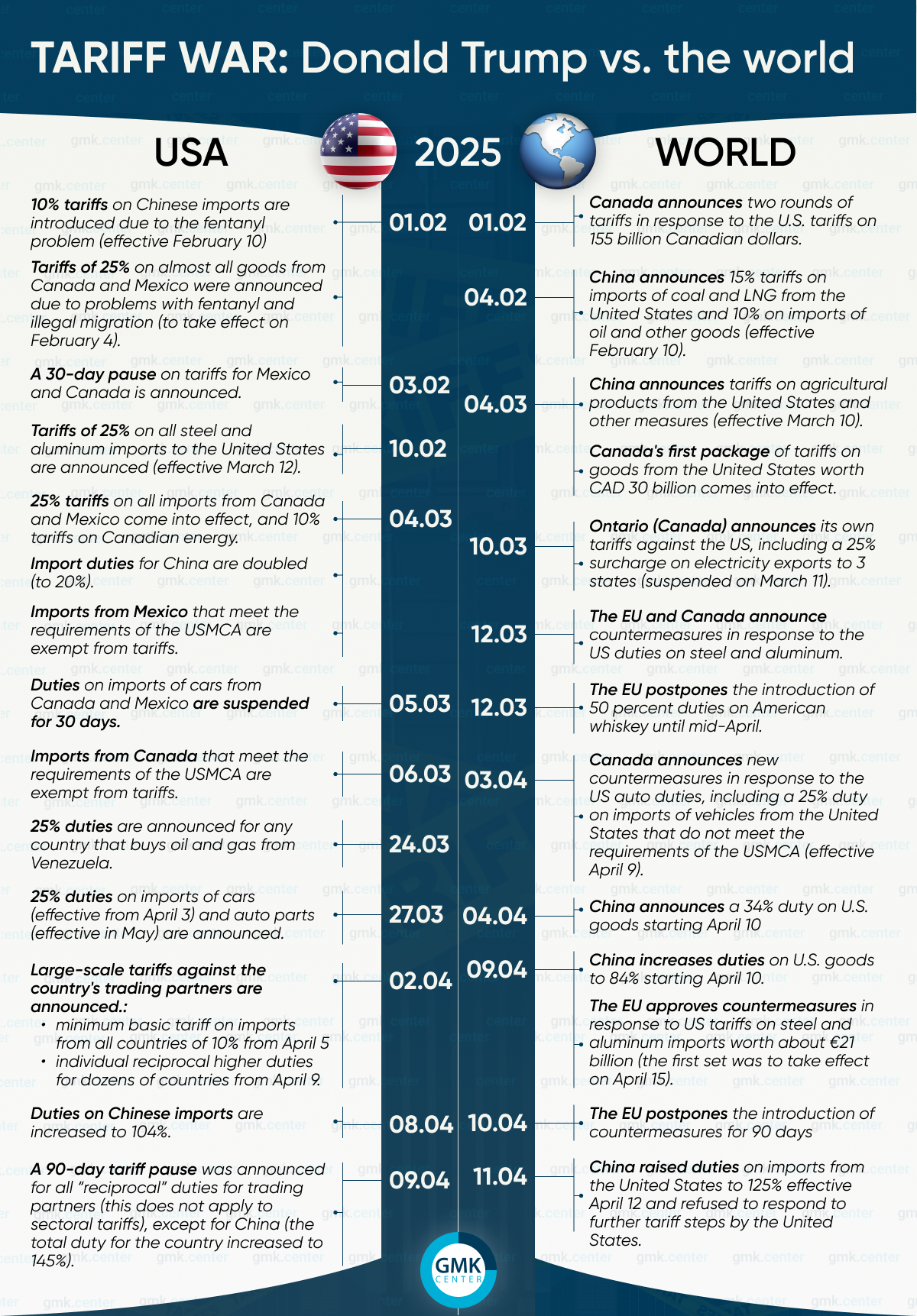
Shifts in Global Economic Power and Trade Alliances
In the long run, prolonged tariff wars can lead to a fundamental “decoupling” of major economies. This is not just an economic change; it is a financial one. As trade blocks form, the world may move away from a single globalized market toward a multi-polar system with different standards, different reserve currencies, and different investment regulations. For those focused on long-term investing and retirement planning, this means that the strategies that worked over the last 30 years—such as heavy reliance on global tech giants with massive Chinese manufacturing bases—may need to be re-evaluated. The winners of the next decade will likely be the companies and nations that can adapt to a more localized and resilient financial model.
A tariff war is a high-stakes game of economic chess where the pieces are billions of dollars in trade flows and the players are sovereign nations. For the savvy participant in the financial markets, the key is not to panic but to understand the underlying mechanics. By identifying sector vulnerabilities, managing input cost risks, and diversifying against currency and inflationary pressures, individuals and businesses can protect their financial interests even when the global trade environment is under siege. In the world of money, knowledge of trade policy is no longer optional—it is a prerequisite for success.
aViewFromTheCave is a participant in the Amazon Services LLC Associates Program, an affiliate advertising program designed to provide a means for sites to earn advertising fees by advertising and linking to Amazon.com. Amazon, the Amazon logo, AmazonSupply, and the AmazonSupply logo are trademarks of Amazon.com, Inc. or its affiliates. As an Amazon Associate we earn affiliate commissions from qualifying purchases.