
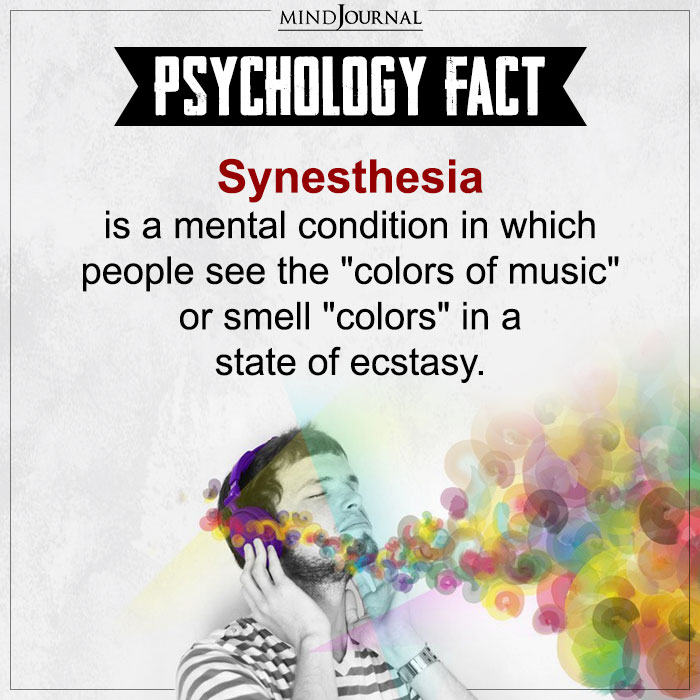
Synaesthesia, a fascinating neurological phenomenon, describes a condition where stimulation of one sensory or cognitive pathway leads to automatic, involuntary experiences in a second sensory or cognitive pathway. Imagine hearing a symphony and simultaneously seeing a cascade of colors, or tasting a specific food and feeling a distinct shape in your mouth. This cross-sensory blending is not metaphorical but a genuine, lived experience for an estimated 4% of the population. From seeing numbers as personalities to experiencing pain as a specific color, the varieties of synaesthesia are as diverse as the individuals who possess them.
While historically viewed with skepticism, modern neuroscience, empowered by cutting-edge technology, has firmly established synaesthesia as a genuine perceptual phenomenon. For the technology sector, synaesthesia offers more than just a scientific curiosity; it presents a unique blueprint for understanding human perception, designing more intuitive user interfaces, developing advanced AI, and exploring new frontiers in sensory augmentation. This article will explore what synaesthesia is, fundamentally, and then dive into its profound implications and applications within the realm of technology.

Bridging Senses: The Neurological Basis and its Tech Implications
At its core, synaesthesia is believed to stem from unusual cross-activation between different sensory areas of the brain. Unlike the typical brain, where sensory information is processed in distinct, specialized regions, synaesthetes exhibit heightened connectivity or reduced inhibition between these areas. This unique neural architecture has profound implications for how we understand human perception and, crucially, how technology can interact with and even emulate such complex sensory processing.
Understanding the Synaesthetic Brain
For decades, the study of synaesthesia was largely anecdotal. Today, however, advancements in neuroimaging technologies have allowed scientists to peer into the synaesthetic brain in real-time. Functional magnetic resonance imaging (fMRI), electroencephalography (EEG), and magnetoencephalography (MEG) are indispensable tools in this endeavor. These technologies reveal distinct patterns of brain activation that correlate with synaesthetic experiences. For instance, fMRI scans of grapheme-color synaesthetes (who see letters or numbers as colors) show activation in the visual cortex’s color-processing regions when they merely read black text, even though no actual color is present.
This technological lens provides objective evidence, moving synaesthesia from the realm of subjective experience to observable neural activity. The precision of these tools allows researchers to pinpoint the specific brain regions involved and understand the timing and strength of these cross-modal connections. This foundational understanding is crucial for any technological attempt to simulate or interact with synaesthesia.
Mapping Neural Pathways with Advanced Imaging
The quest to map the brain’s intricate neural pathways, known as connectomics, is heavily reliant on advanced imaging and computational power. Diffusion tensor imaging (DTI), a specific MRI technique, allows researchers to visualize and map the brain’s white matter tracts, which are the neural highways connecting different brain regions. Studies using DTI have identified structural differences in synaesthetes, often showing increased white matter integrity or density in areas known to be hyper-connected in synaesthesia.
These high-resolution maps are not just academic; they provide a data-rich environment for computational neuroscientists and AI developers. By understanding the specific structural and functional connectivity patterns of synaesthesia, technologists can begin to build more accurate models of cross-modal perception. This data can inform the design of AI systems that mimic human sensory integration, or even lead to the development of neuroprosthetics that enhance or alter sensory input for therapeutic or augmentative purposes. The ability to precisely map these pathways is a critical step towards engineering systems that can bridge sensory modalities.
The Data Visualization Challenge: Representing Cross-Sensory Experiences
One of the significant challenges in understanding and communicating synaesthesia is representing these inherently subjective, cross-sensory experiences in an objective and comprehensible way. This is where data visualization technology becomes paramount. How do you visualize the color someone sees when they hear a specific note? Or the texture they feel when they taste a certain flavor?
Developers are exploring innovative approaches to translate these internal experiences into external, shareable representations. This includes interactive digital platforms where synaesthetes can map their perceptions, VR/AR environments that attempt to recreate specific synaesthetic experiences for non-synaesthetes, and advanced data visualization techniques that merge different data streams (e.g., audio spectral analysis with color mapping). The goal is to move beyond static descriptions and create dynamic, immersive visualizations that offer insights into the complex tapestry of synaesthetic perception. This iterative process not only aids scientific understanding but also inspires new paradigms for how we visualize complex, multi-dimensional data in various tech applications.
Synaesthesia as a Blueprint for AI and Sensory Computing
The brain’s ability to seamlessly integrate information from multiple senses, as exaggerated in synaesthesia, represents an ultimate goal for artificial intelligence and sensory computing. If AI can truly understand and mimic cross-modal perception, its capabilities could expand dramatically, leading to more human-like intelligence and interaction. Synaesthesia offers a natural, highly refined model for such integration.
Mimicking Cross-Modal Perception in AI
Current AI models, particularly deep learning networks, have shown remarkable proficiency in single-modal tasks like image recognition or natural language processing. However, integrating information across different senses remains a significant challenge. Synaesthesia provides a compelling case study for how distinct sensory inputs can be intrinsically linked and processed holistically.
Researchers are now developing “multimodal AI” systems that take inspiration from this cross-wiring. For example, an AI could be trained to “see” sound by learning the relationship between audio frequencies and visual patterns, or to “feel” data through haptic feedback. This involves creating neural network architectures that allow for the sharing of representations between different sensory streams, akin to how the synaesthetic brain might process information. The aspiration is to create AI that doesn’t just process data from different senses independently but truly understands their interconnections, leading to more robust perception, better decision-making, and more natural interaction with the world.
Designing for Multi-Sensory User Interfaces (UI/UX inspired by synaesthesia)
The principles of synaesthesia have immense potential to revolutionize user interface and user experience (UI/UX) design. Traditional interfaces primarily rely on visual and auditory cues. However, by incorporating cross-sensory elements, designers could create richer, more intuitive, and more memorable user experiences. Imagine a digital dashboard where urgent alerts not only flash red but also produce a specific texture via haptic feedback, or a data visualization that allows users to “feel” trends through varying temperatures.
Synaesthesia-inspired UI/UX aims to engage multiple senses simultaneously, making interactions more natural and potentially more accessible for individuals with sensory impairments. For example, translating visual information into auditory or haptic signals could create more inclusive designs. This approach moves beyond purely aesthetic multi-sensory design to functional multi-sensory design, where cross-modal associations are deliberately engineered to convey information more effectively and create deeper user engagement.
Artificial Synaesthesia: From Data Sonification to Haptic Feedback

The concept of “artificial synaesthesia” refers to technological systems designed to create cross-sensory experiences, either to enhance human perception or to convey information in novel ways. Data sonification, for instance, translates data points into auditory signals, allowing users to “hear” patterns and anomalies that might be invisible in a visual graph. Similarly, haptic feedback systems translate digital information into tactile sensations, as seen in game controllers or touchscreens that simulate textures.
Beyond these common examples, the field is exploring more complex integrations. Imagine a medical device that translates vital signs into a unique “taste profile” for quick assessment, or a navigation system that uses olfactory cues to guide users. These applications are not just about adding more sensory channels; they are about leveraging the brain’s natural ability to form associations across senses, thereby creating more intuitive and powerful forms of human-computer interaction. The goal is to design technology that allows non-synaesthetes to experience a glimmer of this extraordinary sensory blending, opening up new avenues for perception and understanding.
Enhancing Human Perception: Synaesthesia-Inspired Gadgets and Software
The unique insights gleaned from synaesthesia are not confined to academic research or abstract AI development. They are increasingly inspiring the creation of tangible gadgets and software designed to augment human perception, provide new tools for synaesthetes, and even allow non-synaesthetes to experience cross-sensory phenomena. This frontier represents a direct application of understanding synaesthesia to enrich the human technological landscape.
Tools for Synaesthetes: Managing and Leveraging Unique Abilities
For individuals with synaesthesia, their unique perceptual experiences can be both a gift and a challenge. Technology offers a powerful suite of tools to help synaesthetes manage, understand, and even leverage their abilities. Software applications are being developed to help grapheme-color synaesthetes organize their color associations, facilitating better memory recall or creative work. For example, an app might allow a synaesthete to create a personalized color palette for all numbers and letters, which can then be used in digital art, note-taking, or even personalized learning tools.
Beyond organization, technology can help synaesthetes articulate their experiences to others, fostering greater understanding. Interactive platforms allow them to demonstrate what they see, hear, or feel, bridging the communication gap. Furthermore, as the workforce increasingly values diverse cognitive styles, tools that help synaesthetes apply their unique perspectives to problem-solving, data analysis, or creative industries are gaining traction, recognizing their inherent advantages in pattern recognition and associative thinking.
Augmenting Reality with Cross-Sensory Overlays (AR/VR applications)
Augmented Reality (AR) and Virtual Reality (VR) platforms are uniquely positioned to explore and implement synaesthesia-inspired sensory overlays. Imagine walking through a city park with AR glasses that translate the sounds of birdsong into shimmering visual patterns overlaid onto the real world, or a VR experience where background music generates an ever-changing landscape of tactile sensations on a haptic suit. These applications move beyond mere visual or auditory augmentation to truly integrate multiple senses.
For designers, artists, and educators, AR/VR offers a canvas to experiment with artificial synaesthesia, creating immersive experiences that are deeply engaging and perceptually rich. It can be used for training simulations where complex data is presented multi-modally, or for entertainment where sensory input is manipulated to create novel forms of artistic expression. The ability of AR/VR to precisely control and layer sensory information makes it an ideal medium for exploring the boundaries of cross-modal perception.
Wearable Tech and Sensory Augmentation (e.g., devices that translate color to sound or vice-versa)
The convergence of synaesthesia research and wearable technology is giving rise to a new generation of sensory augmentation devices. These gadgets aim to provide users with new senses or to enhance existing ones by translating information between different sensory modalities. A prime example is the “EyeCane” or “EyeSynth,” a device that translates visual information (colors, light intensity) into auditory tones, allowing visually impaired users to “hear” their surroundings in a new way. Similarly, devices are being explored that could translate sounds into vibrations, or even brainwave activity into perceptible sensory feedback.
These wearable devices fundamentally alter how humans interact with their environment and process information. They challenge the traditional boundaries of our senses and open up possibilities for creating entirely new perceptual experiences. While still in nascent stages, the ambition is to create sophisticated wearables that can function as “sensory prosthetics” or “sensory enhancers,” blurring the line between natural and technologically augmented perception, all inspired by the brain’s inherent capacity for cross-sensory integration.
The Future of Synaesthetic Technology: Ethical Considerations and New Frontiers
As technology’s ability to interface with and influence human perception grows, particularly through the lens of synaesthesia, a host of ethical considerations and exciting new frontiers emerge. The power to manipulate sensory experience comes with significant responsibilities, shaping how we approach the future of human-computer interaction.
Ethical Implications of Sensory Manipulation
The ability to artificially induce or enhance synaesthetic experiences, or to translate sensory information in novel ways, raises profound ethical questions. If technology can create new senses or alter existing ones, what are the long-term impacts on human cognition, identity, and social interaction? There are concerns about potential misuse, such as manipulating perception for commercial gain or surveillance, or the creation of “sensory divides” between those who can afford augmentation and those who cannot.
Considerations around informed consent for sensory augmentation, potential psychological effects of altered perception, and the responsible development of neurotechnologies that directly interface with the brain become paramount. As we venture into designing technologies that can fundamentally change how we perceive reality, a robust ethical framework, guided by interdisciplinary dialogue among scientists, ethicists, policymakers, and the public, is essential to ensure responsible innovation.
Personalized Sensory Experiences through Neurotech
Looking ahead, neurotechnology holds the promise of highly personalized sensory experiences, potentially even enabling the artificial induction of synaesthetic traits. Brain-computer interfaces (BCIs), which allow direct communication between the brain and external devices, could one day be refined to modulate neural activity, fostering new cross-modal connections in the brain. This could open doors for therapeutic applications, such as restoring sensory function, or even for cognitive enhancement, allowing individuals to experience the world with a richer, more integrated sensory landscape.
Imagine BCI-driven systems that learn a user’s unique neural patterns and then tailor sensory output to create a perfectly customized synaesthetic experience, whether for artistic expression, enhanced learning, or even mood regulation. This level of personalization moves beyond generic augmentation to a deeply individualized interface with technology, adapting to the brain’s inherent plasticity and unique architecture.
Synaesthesia and the Evolution of Human-Computer Interaction
Ultimately, synaesthesia provides a powerful metaphor and a practical guide for the future evolution of human-computer interaction (HCI). As technology becomes increasingly pervasive and integrated into our lives, the interaction paradigms must become more natural, intuitive, and multi-sensory. The traditional keyboard and mouse are giving way to voice commands, gesture controls, and haptic feedback. Synaesthesia pushes us further, envisioning a future where our digital experiences are not confined to screens but are woven into the very fabric of our perception.
This means designing systems that understand context, anticipate needs, and communicate information across multiple sensory channels seamlessly. It means moving towards “ambient intelligence” that adapts to our emotional states and cognitive loads, perhaps through subtle cross-sensory cues. By studying the profound ways synaesthetes experience the world, technologists are gaining invaluable insights into creating a future where our relationship with digital tools is not just functional but deeply integrated, intuitive, and perceptually rich – truly an extension of our own senses.
aViewFromTheCave is a participant in the Amazon Services LLC Associates Program, an affiliate advertising program designed to provide a means for sites to earn advertising fees by advertising and linking to Amazon.com. Amazon, the Amazon logo, AmazonSupply, and the AmazonSupply logo are trademarks of Amazon.com, Inc. or its affiliates. As an Amazon Associate we earn affiliate commissions from qualifying purchases.