
In the intricate world of brand building, every visual cue, every strategic choice, and every element of design contributes to a brand’s overall perception. Among these foundational elements, symmetry stands as a silent yet powerful force, often dictating how a brand is perceived in terms of stability, trustworthiness, and aesthetic appeal. Far from being a mere aesthetic preference, symmetrical design is a deeply ingrained principle that taps into fundamental aspects of human psychology and universal understanding. For brands striving to create a lasting, positive impression, understanding and leveraging symmetry isn’t just an option—it’s a strategic imperative.

This article delves into the essence of symmetrical design, exploring its definition, its profound impact on brand identity, and the strategic advantages it offers in a competitive marketplace. We’ll uncover how brands, both large and small, harness the power of balance to build recognition, foster trust, and communicate their values with clarity and professionalism.
Understanding the Essence of Symmetrical Design
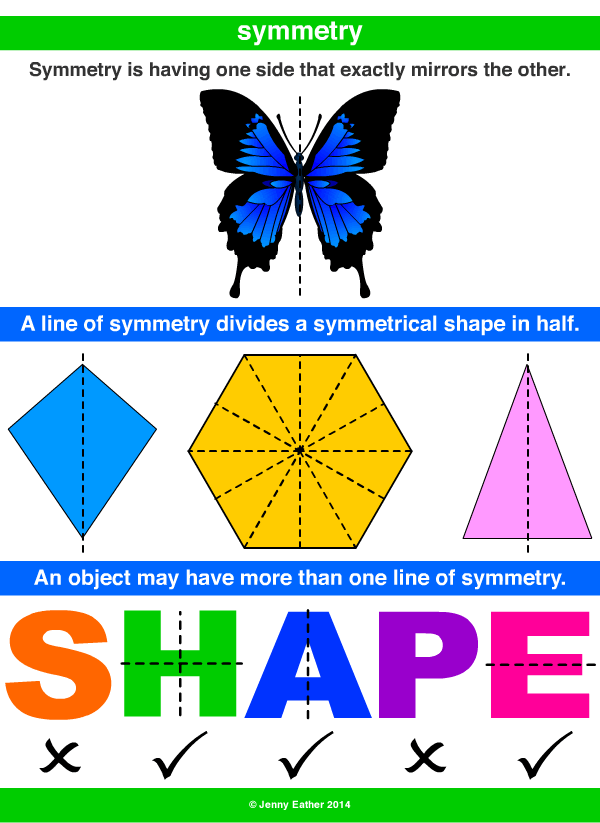
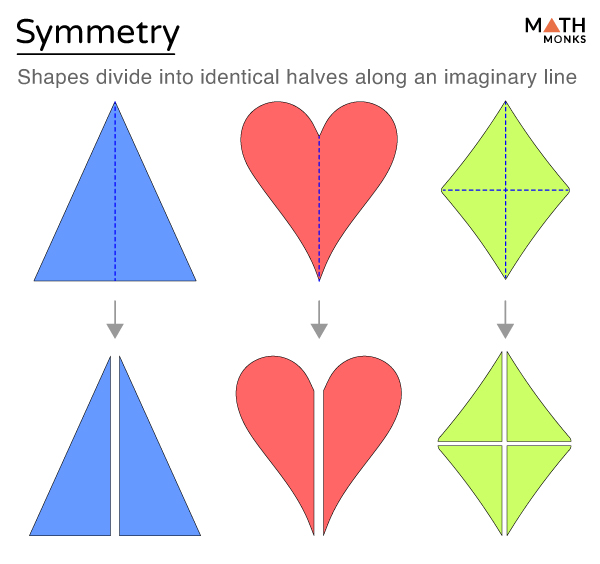
At its core, symmetry is a visual principle characterized by an equal distribution of visual weight, form, color, and other design elements on either side of a central axis or around a central point. It creates a sense of balance, order, and harmony that is inherently pleasing to the human eye.
Defining Symmetry in a Visual Context
Visually, symmetry can manifest in several ways:
-
Reflectional Symmetry (Bilateral Symmetry): This is the most common form, where one half of an image or object is a mirror image of the other half along a central axis (vertical, horizontal, or diagonal). Think of a human face or the wings of a butterfly.
-
Rotational Symmetry: An object has rotational symmetry if it looks the same after a certain amount of rotation around a central point. Examples include a starfish or the spokes of a wheel.
-
Translational Symmetry: This occurs when an object is repeated at regular intervals across a plane, forming a pattern. Architectural patterns or repeating motifs often display translational symmetry.
In brand design, reflectional symmetry is predominantly utilized, providing a straightforward and impactful way to achieve visual equilibrium. When a logo, an advertisement, or a website layout exhibits symmetry, it suggests meticulous planning and a deliberate intention to create a harmonious experience.
Historical Roots and Universal Appeal
The human appreciation for symmetry isn’t a modern phenomenon; it’s deeply rooted in our evolutionary history and is observed across cultures and epochs. From ancient Greek temples to Renaissance masterpieces, symmetrical compositions have been revered for their beauty, order, and divine connotations. Nature itself is replete with examples of symmetry, from the delicate patterns of a snowflake to the grand structure of a galaxy. This universal presence has hardwired our brains to perceive symmetry as natural, attractive, and inherently ‘right.’
For brands, this historical and universal appeal translates into an immediate sense of familiarity and comfort. A symmetrical design feels balanced and complete, requiring less cognitive effort to process, which in turn leads to a more pleasant and memorable interaction.
The Psychology Behind Symmetrical Perception
The human brain is wired to seek patterns and order. When confronted with a symmetrical design, our brains quickly identify the balance, which is often associated with stability, reliability, and precision. This psychological response evokes feelings of safety and trustworthiness. Conversely, asymmetry, while capable of creating dynamism and interest, can sometimes be perceived as unstable, chaotic, or incomplete if not executed with clear intent.
For a brand, leveraging symmetry means tapping into these subconscious associations. A symmetrically designed logo or website instantly communicates professionalism and dependability, subtly influencing a consumer’s perception of the brand’s quality and integrity. It’s a powerful, non-verbal communication tool that builds a foundation of trust before a single word is read.
Symmetrical Design in Brand Identity and Visuals
The application of symmetrical principles extends across virtually all visual touchpoints of a brand, each contributing to a cohesive and impactful identity.
Logos and Wordmarks: Achieving Balance and Recognition
The logo is the cornerstone of a brand’s visual identity, and symmetry often plays a pivotal role in its effectiveness. Many of the world’s most recognizable and enduring logos leverage symmetry to convey authority and timelessness. Think of the Mercedes-Benz star, the Shell scallop, or the Volkswagen emblem. These designs achieve a powerful visual balance that makes them inherently appealing and easy to recall.
A symmetrical logo feels grounded and stable, suggesting that the brand itself is reliable and well-established. Even wordmarks, the text-based logos, can employ symmetrical letterforms or spacing to create a balanced appearance. The careful use of symmetrical elements ensures that a logo is not only aesthetically pleasing but also communicates the brand’s core values of dependability and integrity.
Website Layouts and User Experience
In the digital realm, symmetrical design heavily influences website layouts and the overall user experience (UX). A symmetrically organized website typically features a central axis with balanced elements on either side, or a grid system that creates a sense of order. This structural balance guides the user’s eye, making navigation intuitive and content easy to digest.
Symmetrical layouts provide a sense of predictability and clarity, reducing cognitive load for users. When elements like navigation bars, content blocks, and imagery are arranged symmetrically, users experience a smooth, uncluttered interface, enhancing their overall satisfaction and encouraging longer engagement. This translates directly to better brand perception and higher conversion rates.
Packaging and Product Presentation
Product packaging is another critical area where symmetry shines. Visually balanced packaging conveys professionalism and attention to detail, implying a high-quality product within. Consumers often associate well-designed, symmetrical packaging with premium goods. From the balanced arrangement of text and graphics on a box to the symmetrical shape of a bottle, every element contributes to the perception of quality and care.
In retail environments, symmetrical packaging stands out with its ordered appearance, making products more attractive on crowded shelves. It subconsciously assures the consumer that the brand is meticulous and committed to delivering excellence, from the product inside to its external presentation.
Marketing Collateral: Ads, Brochures, and Social Media Graphics
From print advertisements to digital banners and social media posts, symmetrical design principles ensure that a brand’s message is delivered with maximum impact and clarity. Symmetrically balanced layouts in marketing materials make them easier to read and understand, drawing the viewer’s attention to key messages without distraction.
Whether it’s the centered headline of a brochure, the balanced placement of product images in an ad, or the harmonious composition of a social media graphic, symmetry ensures that marketing collateral looks professional and credible. It enhances the visual hierarchy, making the brand’s communication effective and memorable across all channels.
The Strategic Advantages of Symmetrical Branding
Beyond mere aesthetics, symmetrical design offers tangible strategic advantages that can significantly bolster a brand’s market position and consumer relationships.
Conveying Stability, Trust, and Authority
In a rapidly changing and often chaotic world, consumers seek stability and reliability. Symmetrical branding visually reinforces these qualities. A brand that presents itself with balanced and orderly visuals projects an image of being well-established, dependable, and authoritative. This is particularly crucial for industries where trust is paramount, such as finance, healthcare, and professional services. When a brand looks stable, it feels stable, fostering confidence and encouraging long-term relationships with its audience.
Enhancing Memorability and Brand Recall
The human brain processes symmetrical patterns more efficiently. This ease of processing contributes to higher memorability. A symmetrical logo or a balanced brand aesthetic is often easier for people to recall because it feels natural and complete. In a crowded marketplace where brands are constantly vying for attention, this enhanced memorability is a significant competitive edge. When consumers can quickly and easily recall a brand’s visual identity, it strengthens brand recognition and loyalty.
Creating a Sense of Harmony and Professionalism
Symmetry inherently creates harmony. When all elements of a brand’s visual identity—from its logo to its website, its packaging, and its communications—are harmoniously balanced, it exudes an undeniable sense of professionalism. This consistency and order signal to the audience that the brand is meticulous, organized, and committed to delivering high standards in every aspect of its operation. A professional appearance builds credibility and elevates a brand’s perceived value.
Facilitating Cross-Cultural Appeal
Because the appreciation for symmetry is universal, transcending linguistic and cultural barriers, symmetrically designed brands often enjoy broader cross-cultural appeal. What is considered balanced and harmonious in one culture is likely to be perceived similarly in another. This makes symmetrical branding an excellent strategy for companies with international ambitions, ensuring that their visual identity resonates positively with diverse global audiences without requiring significant localization efforts for basic aesthetic appeal.
When to Deviate: The Nuance of Asymmetry
While symmetry offers numerous advantages, it’s important to acknowledge that not every brand seeks the same conservative or traditional perception. Sometimes, a deliberate deviation from perfect symmetry can be a powerful strategic choice.
Intentional Asymmetry for Dynamic Brands
Asymmetry, when used intentionally and skillfully, can inject dynamism, energy, and a sense of modernity into a brand. Brands that aim to convey innovation, disruption, or playfulness might opt for asymmetrical designs to stand out and challenge conventions. This often involves achieving an “informal balance,” where elements are not mirror images but still create a harmonious overall impression due to careful consideration of visual weight, color, and size. Examples might include a logo with an off-center element or a website layout that uses an uneven grid to create visual interest. The key is intent: asymmetry should be a conscious design choice to achieve a specific brand message, not a default or an accident.
Combining Symmetry and Asymmetry for Impact
Many successful brands intelligently combine elements of both symmetry and asymmetry. A largely symmetrical layout might feature a single asymmetrical element to draw attention, create a focal point, or add a touch of personality. This hybrid approach allows brands to maintain a foundation of stability and professionalism while simultaneously introducing elements of surprise, excitement, or unique character. It’s a sophisticated design strategy that leverages the best of both worlds, ensuring the brand remains both trustworthy and engaging.
Implementing Symmetrical Principles in Your Brand Strategy
For brands looking to harness the power of symmetry, strategic implementation is key.
Auditing Your Current Brand for Symmetry
Begin by conducting a thorough audit of your existing brand assets. Examine your logo, website, marketing materials, and product packaging. Are there consistent symmetrical elements? Where does asymmetry appear, and is it intentional and effective? This audit will reveal opportunities to refine your visual identity for greater balance and cohesion. It may involve minor adjustments to spacing, alignment, or element placement.
Tools and Techniques for Achieving Symmetrical Balance
Modern design tools offer features like grids, guides, and alignment tools that make achieving symmetrical balance straightforward. Designers leverage these tools to ensure precise placement and consistent spacing. Beyond tools, a fundamental understanding of design principles—such as visual weight, contrast, and proximity—is crucial. A heavier element on one side might be balanced by several lighter elements on the other, even if they aren’t mirror images, showcasing a deeper understanding of balance beyond mere reflection.
Consistency Across All Touchpoints
The true power of symmetrical branding comes from its consistent application across all brand touchpoints. A beautifully symmetrical logo loses impact if it’s placed on an unorganized, asymmetrical website, or accompanied by chaotic marketing materials. Maintaining a consistent approach to symmetry ensures that the brand delivers a unified message of stability, professionalism, and trustworthiness, reinforcing its identity every time a consumer interacts with it. This consistency builds equity and strengthens the brand’s overall presence in the market.
In conclusion, symmetrical design is far more than a stylistic choice; it’s a strategic framework for building robust, trustworthy, and memorable brands. By understanding its psychological impact, applying its principles across all visual assets, and discerning when to thoughtfully incorporate asymmetry, brands can create a powerful and lasting impression that resonates deeply with their audience and stands the test of time.
aViewFromTheCave is a participant in the Amazon Services LLC Associates Program, an affiliate advertising program designed to provide a means for sites to earn advertising fees by advertising and linking to Amazon.com. Amazon, the Amazon logo, AmazonSupply, and the AmazonSupply logo are trademarks of Amazon.com, Inc. or its affiliates. As an Amazon Associate we earn affiliate commissions from qualifying purchases.