
In the complex landscape of global commerce, the movement of goods is only half the battle. The movement of capital is equally critical, yet often fraught with friction. Supply chain finance (SCF) has emerged as a sophisticated financial strategy designed to lubricate the gears of international trade by optimizing working capital for both buyers and suppliers. At its core, supply chain finance is a set of tech-enabled solutions that lower financing costs and improve business efficiency. It creates a “win-win” scenario where large buyers can extend their payment terms while their smaller suppliers receive early payment for their invoices.
By leveraging the creditworthiness of a strong buyer, supply chain finance mitigates the inherent risk in long-distance trade and ensures that the entire ecosystem remains liquid. In an era of economic volatility and fluctuating interest rates, understanding the nuances of this financial tool is essential for any business leader looking to strengthen their balance sheet and secure their operational future.
The Mechanics of Supply Chain Finance: How the Ecosystem Operates
Supply chain finance is often misunderstood as a simple loan or a form of traditional factoring. However, it is a distinct financial instrument, frequently referred to as “reverse factoring.” Unlike traditional factoring, where a supplier initiates the process to sell their receivables, supply chain finance is typically buyer-led. It relies on the high credit rating of the buyer to provide the supplier with access to low-cost capital.
The Three-Way Relationship: Buyer, Supplier, and Funder
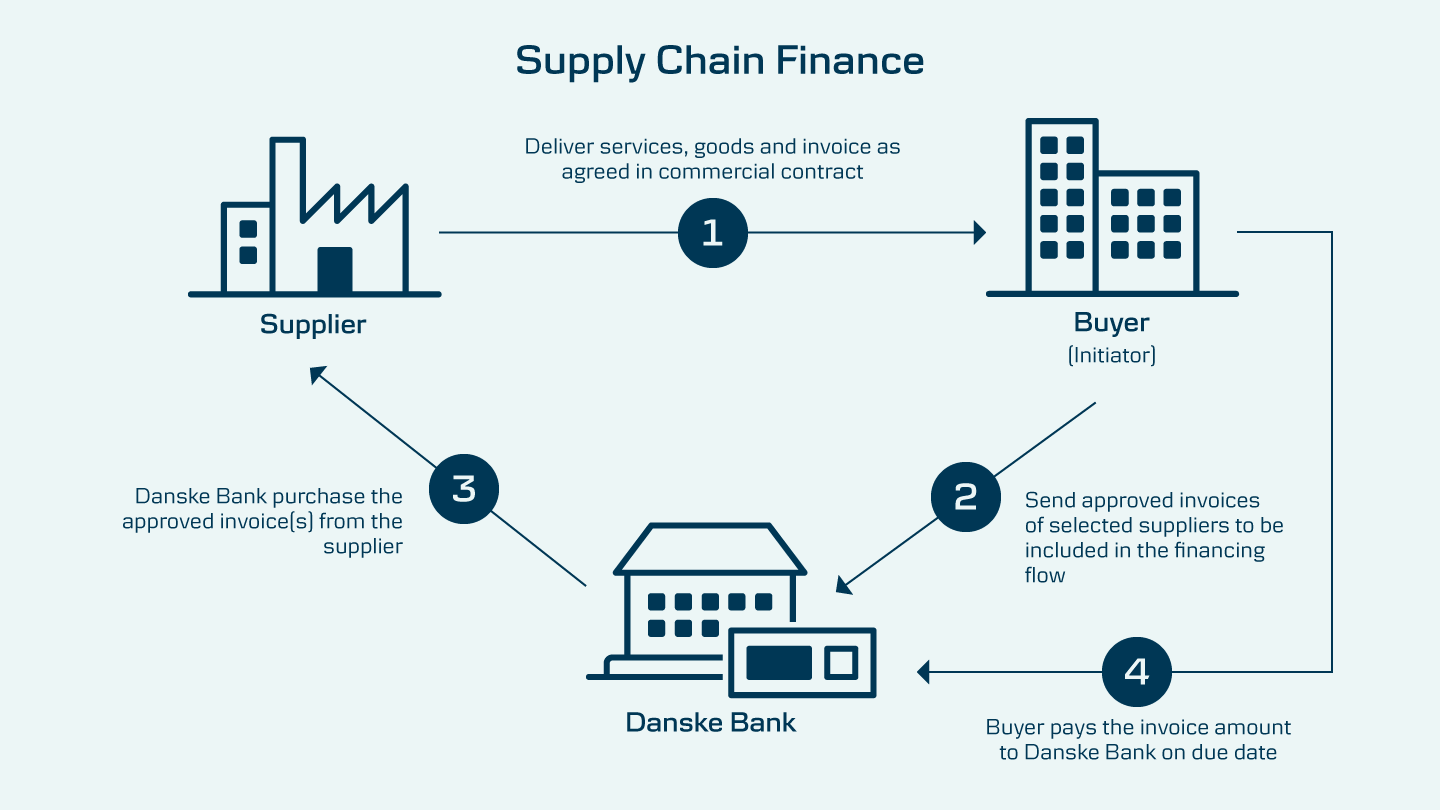
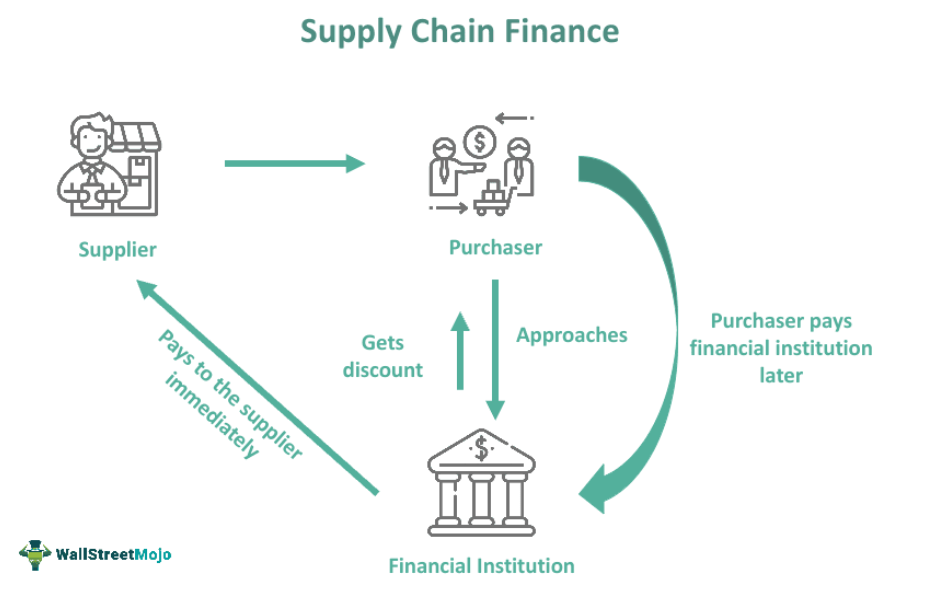
The success of an SCF program depends on a tripartite relationship. The buyer (usually a large corporation with a strong credit profile) partners with a financial institution or a fintech platform. The supplier (often a smaller entity with a higher cost of capital) is then invited to join the program. When the supplier issues an invoice to the buyer, and the buyer approves that invoice, the financial institution steps in to offer an early payment to the supplier. This relationship transforms a bilateral trade agreement into a collaborative financial ecosystem.
Reverse Factoring vs. Traditional Factoring
To appreciate the value of supply chain finance, one must distinguish it from traditional factoring. In traditional factoring, a supplier sells its accounts receivable to a third party (a factor) at a discount to get immediate cash. The cost of this financing is based on the supplier’s credit risk, which can be high. In reverse factoring (SCF), the financing is based on the buyer’s credit risk. Because the buyer is typically a much larger and more stable entity, the interest rate—or “discount fee”—is significantly lower than what the supplier could obtain on its own.
The Step-by-Step Transaction Lifecycle
A typical SCF transaction follows a logical sequence. First, the supplier delivers goods and sends an invoice to the buyer. The buyer reviews and approves the invoice on a dedicated digital platform. Once approved, the supplier is given the option to receive early payment. If they choose this option, the bank pays the supplier the invoice amount minus a small financing fee. Finally, when the original invoice maturity date arrives (e.g., 90 days later), the buyer pays the full invoice amount directly to the bank. This seamless flow ensures that the supplier gets paid in days rather than months, while the buyer maintains their cash reserves.
Strategic Benefits for Working Capital Management
From a financial management perspective, supply chain finance is a powerful lever for optimizing the “Cash Conversion Cycle” (CCC). The CCC measures how long it takes for a company to convert its investments in inventory and other resources into cash flows from sales. By utilizing SCF, both parties can manipulate different components of this cycle to their advantage.
Optimizing Days Payable Outstanding (DPO) for Buyers
For the buyer, the primary financial incentive of SCF is the ability to extend Days Payable Outstanding (DPO). In a standard procurement scenario, a supplier might demand payment within 30 days. However, with an SCF program in place, the buyer can negotiate terms of 60, 90, or even 120 days. Because the supplier has the option to get paid by the bank almost immediately, they are much more willing to accept these extended terms. This allows the buyer to keep cash on their balance sheet for longer, which can be reinvested into R&D, acquisitions, or debt reduction.
Accelerating Cash Flow and Reducing DSO for Suppliers
On the other side of the equation, the supplier benefits from a significant reduction in Days Sales Outstanding (DSO). For many small and medium-sized enterprises (SMEs), cash flow gaps are a major threat to survival. Waiting three months for a large payment can stifle growth or lead to expensive short-term borrowing. Through SCF, the supplier gains access to “on-demand” liquidity. This predictable cash flow allows them to pay their own staff, purchase raw materials for the next order, and invest in capital expenditures without taking on traditional bank debt.
Mitigating Supply Chain Risk and Ensuring Continuity
Beyond the balance sheet, SCF serves as a tool for risk management. Financial instability at the supplier level can lead to production delays or quality issues, which ultimately harms the buyer. By providing suppliers with access to affordable capital, the buyer is essentially “insuring” their own supply chain. This stability is particularly crucial during global economic downturns or credit crunches, where smaller businesses are often the first to lose access to traditional credit lines.
Key Instruments and Variations in Supply Chain Finance

While “reverse factoring” is the most common form of supply chain finance, the term encompasses a broader suite of financial tools. Depending on the company’s cash position and the specific needs of their vendors, different instruments may be more appropriate.
Dynamic Discounting
Dynamic discounting is a variation of SCF where the buyer uses their own excess cash to pay suppliers early in exchange for a discount, rather than using a third-party bank. The “dynamic” aspect refers to the fact that the earlier the payment is made, the larger the discount. This is an excellent option for buyers who have high levels of liquidity and want to achieve a better “return on cash” than they would get from a standard money market account or treasury bill.
Inventory Financing
Supply chain finance can also extend further back into the production cycle through inventory financing. In this model, a financial institution provides a line of credit or a loan based on the value of the supplier’s inventory or raw materials. This is particularly useful for seasonal businesses that need to ramp up production months before they actually see a sale. It ensures that the supplier doesn’t run out of working capital while goods are sitting in a warehouse.
Receivables Purchase Programs
In some instances, large corporations act as the “seller” in an SCF arrangement. A receivables purchase program allows a company to sell its high-value receivables to a bank to immediately bolster its cash position. While similar to factoring, these programs are usually highly structured and tailored for blue-chip companies dealing with large-scale, cross-border transactions.
Implementing an SCF Program: Challenges and Best Practices
Despite the clear financial advantages, implementing a supply chain finance program is not a “plug-and-play” endeavor. It requires careful coordination between the finance, procurement, and IT departments, as well as a clear communication strategy for the vendor base.
Regulatory Compliance and KYC/AML
Because supply chain finance involves the movement of large sums of money across borders, it is subject to rigorous regulatory oversight. Banks and fintech providers must perform “Know Your Customer” (KYC) and Anti-Money Laundering (AML) checks on every supplier that joins the platform. For buyers with thousands of suppliers in different jurisdictions, this onboarding process can be a significant administrative hurdle. Successful programs utilize automated digital platforms to streamline this documentation.
Onboarding Suppliers: Overcoming Resistance
One of the biggest challenges in SCF is supplier adoption. Some suppliers may view a buyer’s request for extended payment terms as an aggressive move, or they may be skeptical of the “early payment” offer. To overcome this, buyers must frame the program as a partnership. Transparent communication about the low financing rates and the optional nature of the early payment is key. Providing a user-friendly digital interface where suppliers can track their invoices and request funds with a single click also drastically improves participation rates.
Measuring Success and ROI
To justify the investment in an SCF platform, companies must track specific financial KPIs. These include the total volume of early payments processed, the average reduction in DSO for suppliers, the increase in DPO for the buyer, and the total “arbitrage” gain (the difference between the buyer’s cost of capital and the supplier’s original borrowing costs). When managed correctly, the ROI of a supply chain finance program is measured not just in dollars saved, but in the overall resilience and loyalty of the supply network.
The Future of Money in Global Trade
Supply chain finance represents the modernization of corporate treasury. As global markets become more interconnected and technology continues to reduce transaction costs, the barriers to entry for SCF are falling. What was once a tool reserved for the Fortune 500 is now becoming accessible to mid-market companies through agile fintech solutions.
In a world where “cash is king,” supply chain finance provides the crown. It offers a sophisticated way to manage liquidity, reduce financial waste, and build stronger, more sustainable business relationships. By shifting the focus from individual balance sheets to the health of the entire supply chain, businesses can navigate the complexities of modern finance with greater confidence and agility. Whether you are a buyer looking to preserve cash or a supplier seeking faster growth, supply chain finance is an indispensable instrument in the modern financial toolkit.
aViewFromTheCave is a participant in the Amazon Services LLC Associates Program, an affiliate advertising program designed to provide a means for sites to earn advertising fees by advertising and linking to Amazon.com. Amazon, the Amazon logo, AmazonSupply, and the AmazonSupply logo are trademarks of Amazon.com, Inc. or its affiliates. As an Amazon Associate we earn affiliate commissions from qualifying purchases.