
In the realm of thermal management and HVAC/R (Heating, Ventilation, Air Conditioning, and Refrigeration) technology, “superheat” is more than just a buzzword; it is a critical diagnostic metric that determines the health, efficiency, and longevity of a system. As we move toward a world of “smart” infrastructure and high-precision data centers, understanding the technical nuances of superheat has become essential for engineers and technicians alike.
This article explores the technical foundations of superheat, the digital tools used to measure it, and its vital role in protecting high-tech hardware from catastrophic failure.
Understanding the Fundamentals: What is Superheat in Modern Thermal Systems?
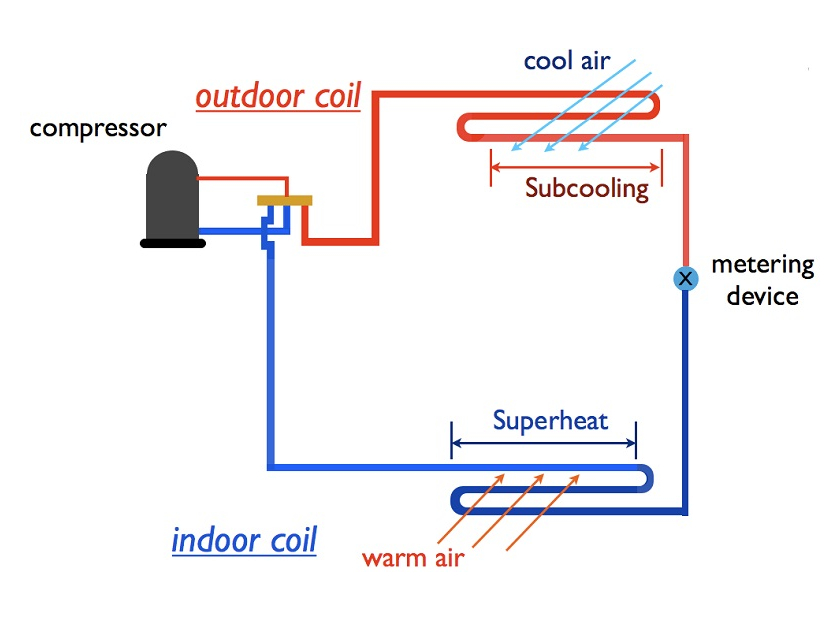
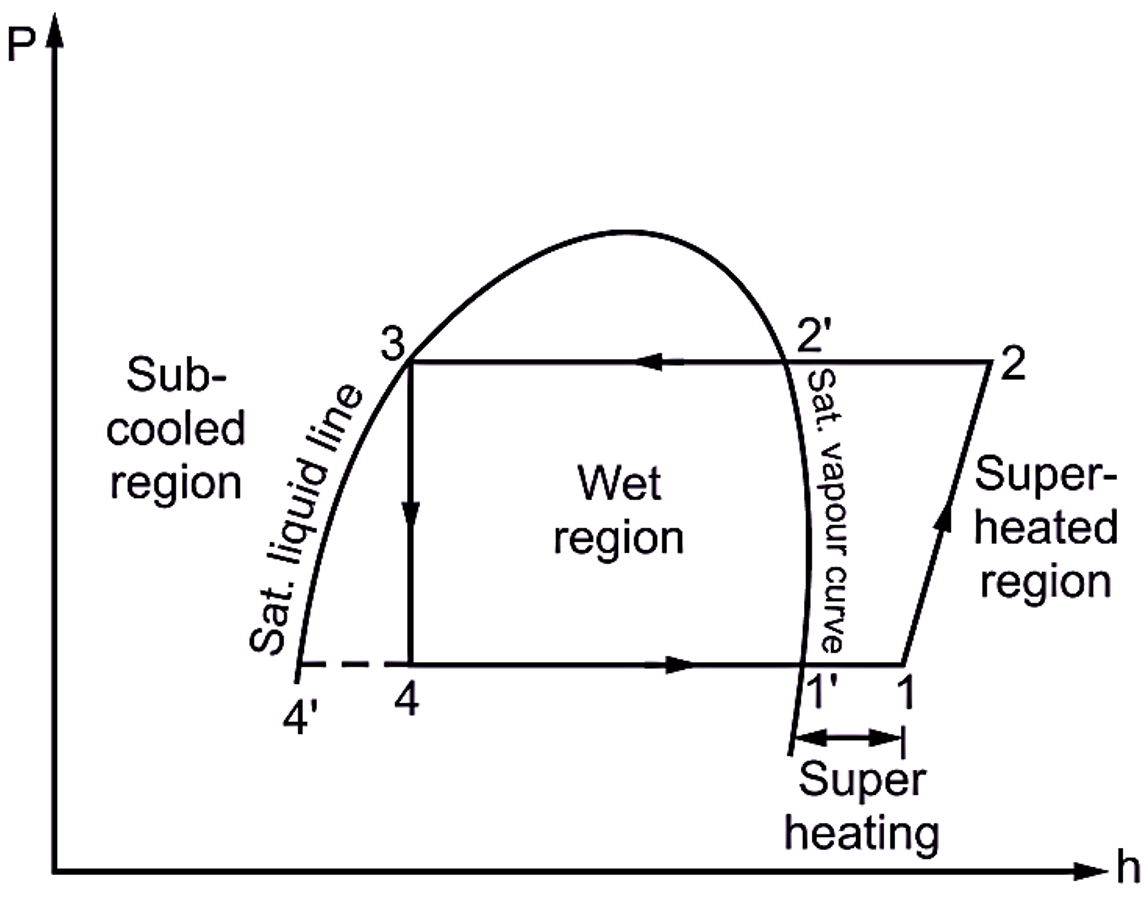
At its most basic technical level, superheat is the number of degrees a vapor is above its saturation temperature (boiling point) at a specific pressure. In a refrigeration cycle, this occurs after the liquid refrigerant has fully evaporated into a gas within the evaporator coil.
The Thermodynamics of Phase Change
To understand superheat, one must understand the behavior of refrigerants under pressure. Inside a refrigeration system, the refrigerant exists in a state of flux. As it passes through the evaporator, it absorbs heat from the surrounding environment. This heat causes the liquid refrigerant to reach its boiling point and transition into a vapor.
The point at which the last drop of liquid turns into gas is the “saturation point.” Any heat absorbed by the gas after this point increases its temperature above the saturation temperature. This additional temperature is what we define as superheat.
Calculating Superheat: The Formula for Efficiency
For tech professionals and field engineers, calculating superheat is a routine but precise operation. The formula is:
Superheat = Actual Temperature of the Suction Line – Saturation Temperature of the Refrigerant
To perform this calculation, a technician must measure the pressure of the refrigerant at the evaporator outlet to determine its saturation temperature (using a Pressure-Temperature or P-T chart) and then subtract that from the actual temperature measured by a pipe sensor. In modern systems, this process is increasingly automated by digital manifolds and IoT-enabled sensors.
The Role of Sensors and IoT in Monitoring Superheat
The transition from analog to digital has revolutionized how we monitor thermal systems. While old-school technicians relied on mechanical gauges and manual charts, today’s tech-driven landscape utilizes sophisticated hardware and software to ensure precision.
Digital Manifolds and Smart Probes
Modern digital manifolds are high-tech gadgets equipped with built-in P-T charts for hundreds of different refrigerants. These devices utilize high-accuracy pressure transducers and thermistors to provide real-time superheat readings.
Furthermore, “smart probes” have emerged as a leading tool in the industry. These are wireless, Bluetooth-enabled sensors that clip onto refrigeration lines and sync directly with smartphone apps. This allows for “non-intrusive” testing, where data is logged over time to identify intermittent issues that a single manual reading might miss.
Automated Monitoring Systems (AMS)
In large-scale tech environments, such as server farms and industrial cold storage, superheat is monitored by Automated Monitoring Systems (AMS). These systems use a network of sensors integrated into a centralized dashboard. If superheat levels deviate from the programmed “goldilocks zone,” the system can trigger alarms or automatically adjust the flow of refrigerant via electronic actuators. This level of technical automation is crucial for maintaining the “five nines” (99.999%) of uptime required by modern data centers.
Why Superheat Matters: Protecting High-Tech Hardware
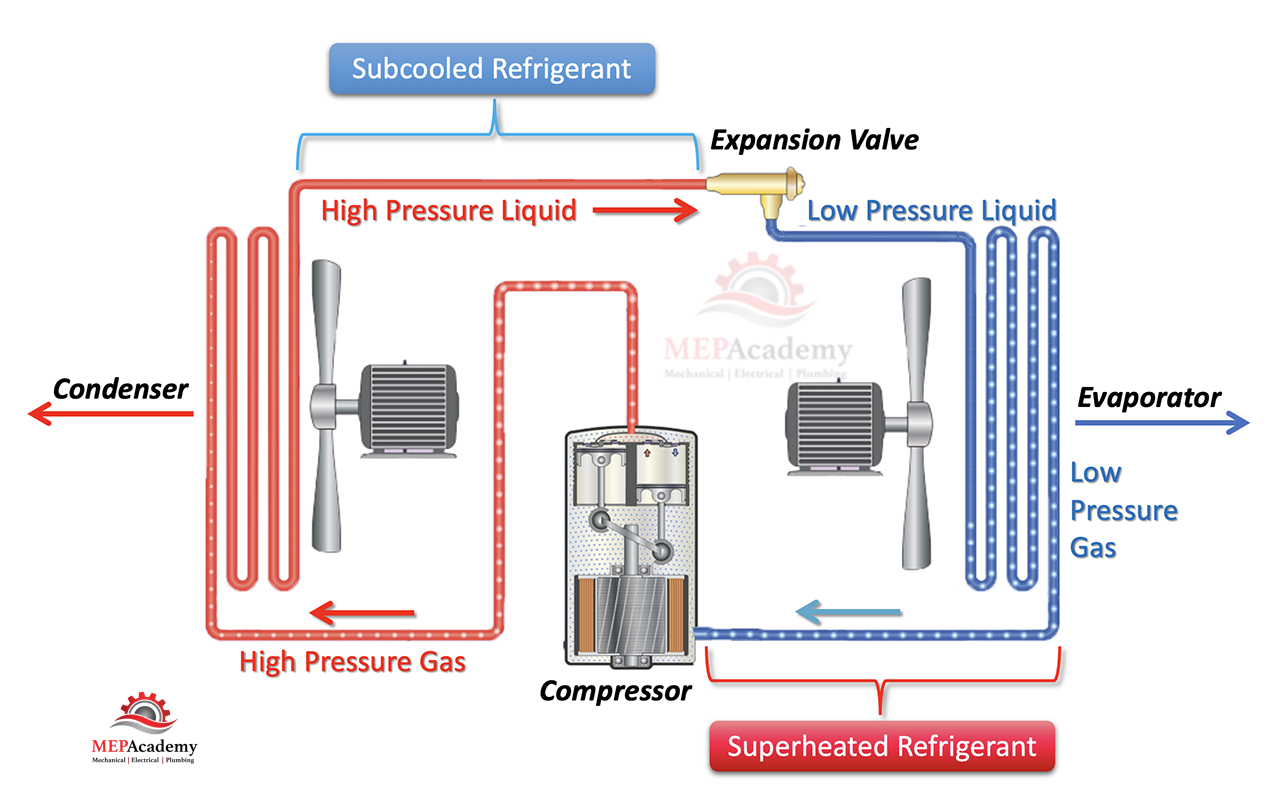
Superheat is not just a theoretical number; it is a vital protective barrier for the most expensive component in a refrigeration system: the compressor.
Preventing Compressor Liquid Slug-Back
A compressor is technically a “vapor pump.” It is designed to compress gas, not liquid. Because liquids are incompressible, any liquid refrigerant that enters the compressor—a phenomenon known as “slugging”—can lead to catastrophic mechanical failure. It can break valves, snap connecting rods, and destroy the motor.
A proper superheat reading (typically between 8°F to 12°F for most air conditioning applications) ensures that all liquid has been converted to gas well before it reaches the compressor. If the superheat is 0°F, it indicates that “saturated” refrigerant—a mix of liquid and gas—is entering the compressor, posing a massive risk to the hardware.
Maximizing Evaporator Efficiency
Conversely, if the superheat is too high, it means the evaporator coil is “starved” of refrigerant. While the compressor is safe, the system’s cooling capacity drops significantly. In a technical environment where precise temperature control is required—such as pharmaceutical labs or high-density computing clusters—high superheat can lead to hardware overheating and data loss. Optimizing superheat ensures that the maximum surface area of the evaporator coil is being utilized for heat exchange.
Troubleshooting and Calibration: A Technical Guide for Smart HVAC
Maintaining the correct superheat requires a deep understanding of the metering devices that control refrigerant flow. These devices act as the “gatekeepers” of the system.
Fixed Orifice vs. Thermostatic Expansion Valves (TXV)
There are two primary ways systems manage superheat:
- Fixed Orifice: A simple mechanical tech where the flow is constant. Superheat in these systems fluctuates based on outdoor and indoor temperatures.
- Thermostatic Expansion Valve (TXV): A more advanced mechanical “computer” that uses a sensing bulb to measure superheat and adjust the refrigerant flow dynamically.
- Electronic Expansion Valves (EEV): The cutting edge of refrigeration tech. EEVs use sophisticated algorithms and stepper motors to maintain a precise superheat regardless of external conditions. These are the preferred choice for high-efficiency, variable-speed inverter systems.
Analyzing Data Trends for Predictive Maintenance
One of the most significant shifts in refrigeration technology is the move toward predictive maintenance. By logging superheat data over weeks or months, software can identify “drift.” For instance, if superheat is slowly increasing over time, the software can flag a potential refrigerant leak or a failing expansion valve before the system actually fails. This technical foresight is a cornerstone of modern “Smart Building” management.
Future Trends: AI and Machine Learning in Thermal Management
As we look to the future, the management of superheat is becoming increasingly integrated with Artificial Intelligence (AI) and Machine Learning (ML).
Self-Regulating Refrigeration Systems
The next generation of refrigeration technology features self-healing and self-regulating cycles. Using ML algorithms, these systems analyze vast amounts of data—including ambient humidity, occupancy levels, and historical performance—to micro-adjust superheat settings in real-time. This not only protects the hardware but minimizes energy consumption, which is a critical tech goal in the face of global energy shortages.
Digital Twins for Thermal Simulation
Engineers are now using “Digital Twin” technology to simulate refrigeration cycles in a virtual environment. By inputting different superheat parameters into a digital model, they can predict how a system will react to extreme weather events or hardware upgrades without ever touching the physical equipment. This allows for a level of technical precision that was previously impossible.
Conclusion
Superheat is the pulse of a refrigeration system. In a world increasingly dependent on high-tech cooling—from the smartphones in our pockets to the massive data centers powering the internet—understanding this technical metric is paramount.
By leveraging digital manifolds, IoT sensors, and advanced metering devices like EEVs, technicians and engineers can ensure that refrigeration systems operate at peak efficiency. Whether it is protecting a multi-million dollar compressor from liquid slugging or ensuring a server rack stays within its optimal operating temperature, the science of superheat remains a cornerstone of modern technological infrastructure. As AI and automated monitoring continue to evolve, the way we measure and manage this critical data point will only become more precise, further bridging the gap between mechanical engineering and digital innovation.
aViewFromTheCave is a participant in the Amazon Services LLC Associates Program, an affiliate advertising program designed to provide a means for sites to earn advertising fees by advertising and linking to Amazon.com. Amazon, the Amazon logo, AmazonSupply, and the AmazonSupply logo are trademarks of Amazon.com, Inc. or its affiliates. As an Amazon Associate we earn affiliate commissions from qualifying purchases.