
In the rapidly evolving landscape of digital culture, terms and identities often emerge with a velocity that outpaces traditional sociological analysis. One such term, “Super Straight,” became a focal point of intense digital discourse, moving from a single social media post to a global trending topic within days. However, to understand “Super Straight” from a technical and digital perspective, we must look beyond the surface-level debate and analyze the underlying mechanics of platform algorithms, viral propagation, and the technology-driven frameworks that allow niche subcultures to achieve massive scale.
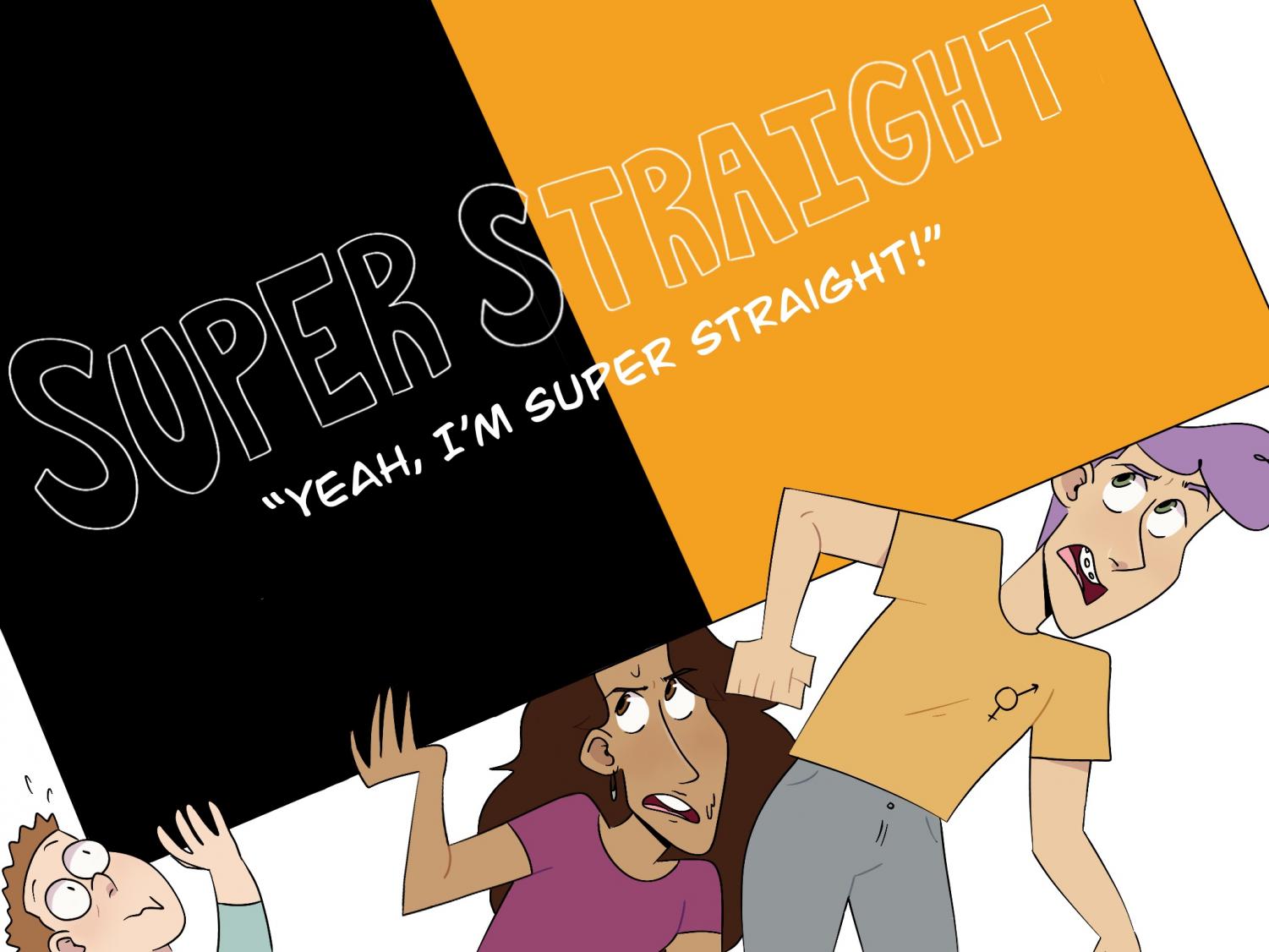
This phenomenon serves as a masterclass in how social media infrastructure—specifically the discovery engines of TikTok, the real-time feedback loops of X (formerly Twitter), and the community-building tools of Reddit—can be leveraged, intentionally or accidentally, to create and amplify new socio-cultural identities.
The Genesis of Digital Identity Labels: From Content to Category
The term “Super Straight” originated on TikTok, a platform whose technical architecture is uniquely designed for the rapid dissemination of short-form video content. Unlike traditional social networks that prioritize existing social graphs (your friends and followers), TikTok’s “For You Page” (FYP) utilizes a recommendation engine that prioritizes content interest and engagement metrics.
The TikTok Catalyst and the Logic of the “For You” Page
The birth of “Super Straight” highlights the power of the recommendation algorithm. When a user creates a new label or identity, the algorithm tests that content on a small, diverse subset of users. If the content generates high “watch time” and high interaction (likes, comments, shares), the algorithm identifies it as “high-value” and pushes it to a broader audience. Because the term was inherently provocative, it triggered high engagement rates—both from those who supported it and those who critiqued it. In the eyes of an algorithm, polarized engagement is just as valuable as positive engagement, leading to a “viral spiral” that cemented the term in the digital lexicon.
Memetic Evolution and Linguistic Compression
In the tech world, we often discuss “compression”—reducing complex data into smaller, more shareable packets. Social media does the same with identity. “Super Straight” functioned as a compressed linguistic unit (a meme) that encapsulated a specific set of preferences and ideologies. This compression is essential for digital virality; for a term to trend, it must be easily recognizable, hashtag-friendly, and capable of being adopted by others in a “duet” or “remix” format. The technical ease with which other users could replicate the content allowed the label to scale from a single account to a decentralized movement.
Algorithmic Amplification and the Feedback Loop
Once “Super Straight” moved past its initial inception point, it entered a secondary phase of algorithmic amplification. This is where the interplay between different social media platforms creates a “cross-pollination” effect that is difficult for any single platform to moderate or contain.
How Discovery Engines Fuel Controversy
Modern tech platforms use “engagement-based ranking.” This means that the more a topic is debated, the more the platform’s code interprets it as “trending.” For “Super Straight,” the controversy was the engine of its growth. As users on X began to criticize the term, they used the hashtag, which inadvertently signaled to X’s trending algorithms that the topic was of national or global importance. This created a feedback loop: TikTok generated the content, X provided the debate floor, and the resulting data signals forced both platforms to continue surfacing the topic to new users to keep them on the app longer.
The Mechanics of Engagement-Based Ranking
From a software engineering perspective, these algorithms are designed to maximize “Time Spent” (TS) and “Daily Active Users” (DAU). The “Super Straight” phenomenon tapped into the psychological triggers of “in-group” and “out-group” dynamics. Tech platforms are optimized to detect these clusters. When the system identifies a growing cluster of users identifying with a new term, it begins to serve them more content that reinforces that identity, while simultaneously serving “reaction” content to the opposing cluster. This digital friction is a byproduct of code designed for retention, not necessarily for social cohesion.
Platform Governance and the Moderation Dilemma
The rise of “Super Straight” presented a significant challenge for digital security and trust-and-safety teams. It highlighted the limitations of automated content moderation and the complexity of defining “hate speech” versus “personal identity” in a digital-first world.
Defining Community Guidelines in the Age of Neologisms
Content moderation systems primarily rely on a mix of AI-driven Large Language Models (LLMs) and human oversight. However, LLMs are trained on historical data. When a new term like “Super Straight” emerges, the AI may not immediately recognize it as potentially violating community standards because the term itself contains common, non-offensive words. This “linguistic camouflage” allows new movements to bypass initial automated filters. For developers and policy makers, this necessitates a more dynamic approach to moderation—one that looks at behavior (coordinated reporting, brigading, or harassment) rather than just static keywords.
Automated vs. Human Review: The Scaling Problem
As the term scaled, platforms were forced to decide whether to ban the hashtag or allow it. On one hand, the decentralized nature of the internet means that banning a term often leads to “The Streisand Effect,” where the act of suppression causes the term to spread even further on alternative platforms like Telegram or 4chan. On the other hand, failing to intervene can lead to digital environments that some users find hostile. This tension represents the core struggle of modern social tech: how to provide a platform for “user-generated content” (UGC) while maintaining a safe “Digital Town Square.”
The Tech Stack of Modern Subcultures
The “Super Straight” movement was not just a social phenomenon; it was a digital one that utilized a specific “stack” of technologies to maintain its presence and circumvent institutional gatekeepers.
Decentralized Spread Across Platforms
In the current tech ecosystem, a subculture rarely exists on a single site. The “Super Straight” movement utilized a multi-platform strategy. It used TikTok for discovery, Discord for community coordination, and YouTube for long-form ideological deep dives. This “decentralized identity” makes it incredibly difficult for tech companies to regulate. Even if TikTok removes a video, the discourse has already migrated to a decentralized server on Discord or a subreddit, where the rules of engagement are different.
Data Sovereignty and Digital Footprints
Every user who interacted with “Super Straight” content—whether by liking a video or arguing against it—left a data footprint. Advertisers and platform algorithms use this data to build “psychographic profiles.” For a tech professional, the “Super Straight” trend is a reminder of how easily users can be bucketed into specific categories based on a single viral event. This data is then used to serve more targeted content, further entrenching the user in a digital silo. The technical infrastructure of the internet is currently built to reward these silos, as they provide high-predictability data for ad-targeting engines.
Future Implications for AI-Driven Content and Social Tech
The story of “Super Straight” is a precursor to a future where AI will play an even larger role in the creation and curation of social identities. As generative AI becomes more accessible, we may see the emergence of “synthetic identities”—movements that are not just amplified by algorithms but are partially generated by them.
Predictive Moderation and the Role of AI
To prevent the rapid escalation of polarized movements, tech companies are moving toward “predictive moderation.” This involves using AI to identify the patterns of virality that lead to social unrest or harassment before they reach a tipping point. By analyzing the velocity of a new term like “Super Straight,” platforms could theoretically “de-rank” the content to slow its spread, allowing human moderators more time to assess the situation. However, this raises significant questions about digital censorship and the power of software engineers to shape public discourse.

Ethical Tech Design and Digital Literacy
Ultimately, the “Super Straight” phenomenon highlights the need for a shift in how we design social technology. If the goal of an algorithm is purely “engagement,” it will naturally favor controversial and divisive content. Moving forward, the tech industry must consider “ethical optimization”—designing algorithms that prioritize the quality of interaction over the quantity of clicks. Furthermore, as users, digital literacy becomes our most important tool. Understanding that our identities are often being filtered through an algorithmic lens is the first step in reclaiming agency in a technology-driven world.
In conclusion, “What is Super Straight?” is a question that can be answered through sociology, but it is best understood through the lens of technology. It is a product of high-velocity recommendation engines, the limitations of automated moderation, and the powerful feedback loops of the modern social media stack. As we move deeper into the age of AI and hyper-connectivity, these digital dynamics will continue to redefine how identities are formed, contested, and spread across the global network.
aViewFromTheCave is a participant in the Amazon Services LLC Associates Program, an affiliate advertising program designed to provide a means for sites to earn advertising fees by advertising and linking to Amazon.com. Amazon, the Amazon logo, AmazonSupply, and the AmazonSupply logo are trademarks of Amazon.com, Inc. or its affiliates. As an Amazon Associate we earn affiliate commissions from qualifying purchases.