
In the rapidly evolving landscape of information technology, few companies occupy a position as pivotal as Super Micro Computer, Inc., commonly referred to as Supermicro. While consumer-facing brands like Apple or Microsoft dominate public discourse, Supermicro operates as the specialized architect of the digital world’s infrastructure. Based in San Jose, California, at the heart of Silicon Valley, Supermicro is a global leader in high-performance, high-efficiency server technology and innovation.
To understand Supermicro is to understand the backbone of modern computing. The company does not manufacture laptops for students or desktops for home offices; instead, it designs and builds the massive, complex server systems that power the cloud, facilitate artificial intelligence (AI) training, and manage the data of the world’s largest enterprises. By specializing in application-optimized “Total IT Solutions,” Supermicro has become the go-to provider for organizations that require maximum computational power with minimal energy overhead.
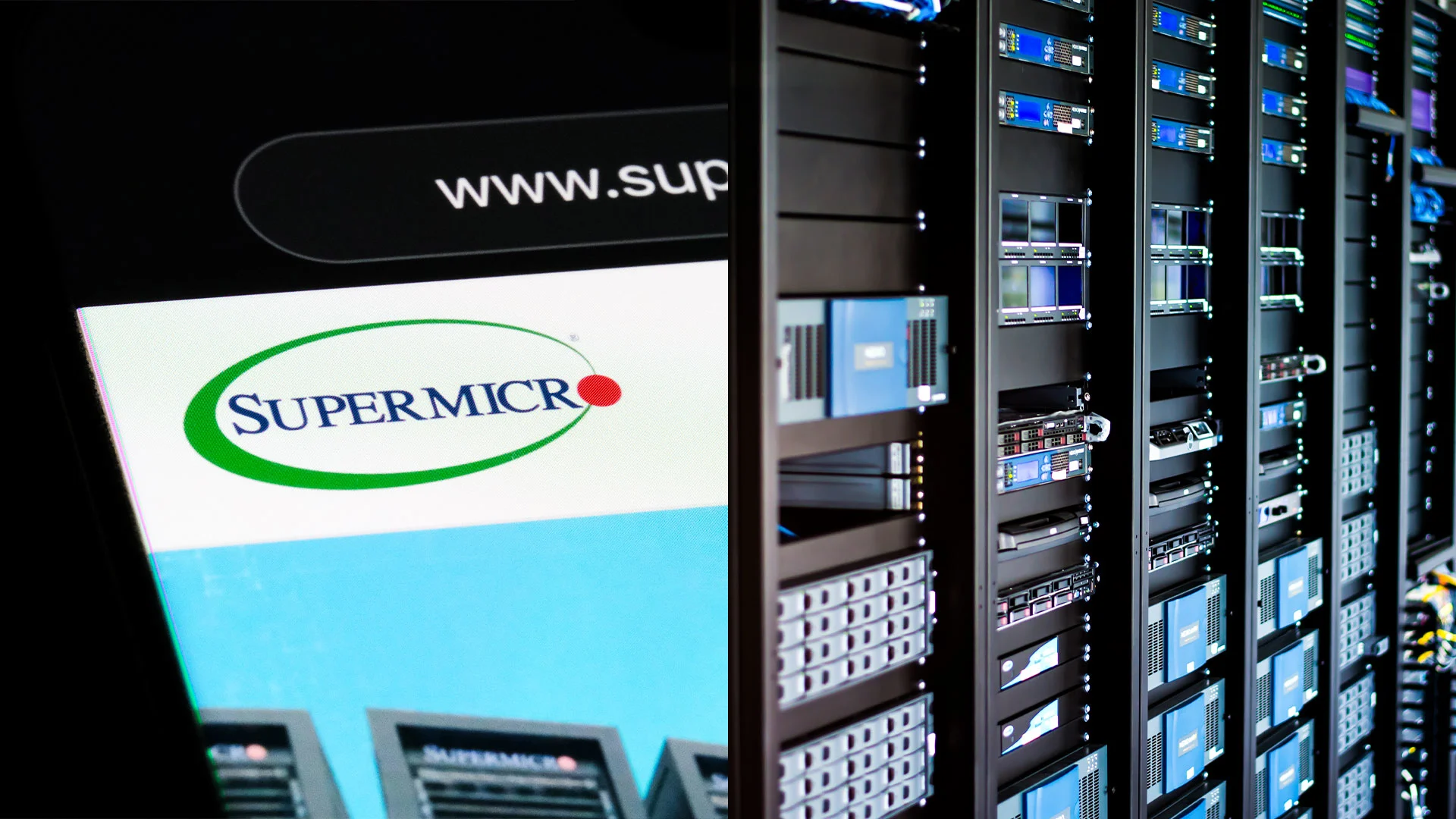
The Architecture of Enterprise Excellence: Servers, Storage, and Networking
At its core, Supermicro is an engineering-driven company. Its primary focus is the development of server solutions that are highly customizable and optimized for specific workloads. Unlike traditional hardware manufacturers that offer a limited range of “one-size-fits-all” products, Supermicro’s approach is rooted in versatility.
Building the Backbone of the Data Center
Supermicro’s product portfolio encompasses a vast array of server types, including rackmount servers, blade servers, and multi-node systems. These machines are the heavy lifters of the tech world. A single Supermicro server rack can house hundreds of processors and terabytes of memory, enabling it to process millions of transactions per second.
The company’s “SuperServer” line is particularly renowned for its reliability and density. By packing more computing power into a smaller physical footprint, Supermicro allows data centers to scale their operations without necessarily expanding their physical real estate. This density is crucial for cloud service providers who must manage exponential increases in data traffic while keeping operational costs manageable.
High-Performance Storage Solutions
In addition to raw processing power, Supermicro is a leader in storage technology. As the world moves toward data-intensive applications like 4K video streaming, genomic sequencing, and massive database management, the need for fast, reliable storage has never been greater. Supermicro utilizes the latest in NVMe (Non-Volatile Memory Express) and PCIe 5.0 technologies to ensure that data can be read and written at lightning speeds. Their “All-Flash” storage arrays are designed to eliminate the bottlenecks that traditionally plague high-performance computing (HPC) environments.
Driving the AI Infrastructure Boom
Perhaps the most significant chapter in Supermicro’s history is its current role as the primary provider of infrastructure for the Artificial Intelligence revolution. AI models, particularly Large Language Models (LLMs) like those powering modern chatbots and generative tools, require an unprecedented amount of computational resources.
GPU-Optimized Systems
Supermicro has formed deep strategic partnerships with leading chipmakers like NVIDIA, AMD, and Intel. This allows them to integrate the latest Graphics Processing Units (GPUs)—the specialized chips required for AI—into their server designs faster than almost anyone else in the industry.
When a new high-performance AI chip is announced, Supermicro is often the first to market with a server chassis specifically designed to house and power it. Their GPU-optimized systems can support up to eight or even ten GPUs in a single server node, providing the massive parallel processing power necessary for “training” AI models. Without the hardware provided by companies like Supermicro, the current advancements in generative AI and machine learning would remain theoretical.
The Role of Software-Defined Everything
Supermicro’s influence extends beyond hardware into the realm of software-defined data centers (SDDC). Their management software, such as the SuperCloud Composer, allows IT administrators to monitor, manage, and optimize their entire hardware fleet from a single interface. This convergence of hardware and software is essential for modern AI labs and enterprise data centers that need to pivot their resources dynamically based on fluctuating computational demands.
The Innovation of Modular “Building Block” Solutions

What sets Supermicro apart from many of its competitors is its “Building Block Solutions” architecture. This philosophy is the cornerstone of their engineering strategy and provides a unique competitive advantage in the tech sector.
Speed to Market and Customization
In a traditional manufacturing model, designing a new server can take months or even years. Supermicro, however, treats server components—motherboards, power supplies, chassis, and cooling systems—as modular blocks. This modularity allows them to mix and match components to create highly customized systems tailored to a client’s specific needs.
If a client requires a server with maximum storage for a database but minimal GPU power, or conversely, a server with massive GPU density but limited local storage, Supermicro can assemble a solution rapidly. This agility ensures that they can deliver the latest technology to customers weeks or months before their competitors, who may be bogged down by more rigid design cycles.
Scalability and Future-Proofing
The modular approach also benefits the end-user in terms of upgrades. As technology advances, a company might not need to replace an entire server rack. Instead, because of Supermicro’s standardized building blocks, they can often upgrade specific components—such as swapping out an older motherboard for one that supports a newer generation of processors—without discarding the entire chassis or power system. This approach reduces electronic waste and provides a more sustainable path for technological growth.
Sustainable Computing and the Future of Data Centers
As the global demand for computing power grows, so does the energy consumption of the data centers that house this hardware. Supermicro has positioned itself as a leader in “Green Computing,” focusing on maximizing performance-per-watt to reduce both environmental impact and the Total Cost of Ownership (TCO) for their clients.
Advanced Liquid Cooling Systems
One of the greatest challenges in modern high-performance computing is heat. AI-intensive servers generate immense thermal energy; if not managed, this heat can damage components or lead to significant energy waste through traditional fan-based cooling.
Supermicro has pioneered Direct Liquid Cooling (DLC) technologies. By circulating coolant directly across the most heat-intensive components, such as the CPU and GPU, liquid cooling systems can remove heat much more efficiently than air. This allows data centers to operate at higher densities and reduces the energy required for air conditioning, leading to significantly lower Power Usage Effectiveness (PUE) ratings.
Efficiency in Power Delivery
Supermicro designs its own high-efficiency power supplies, many of which reach Titanium-level efficiency (96%+). By reducing the amount of electricity lost as heat during the conversion process, these power supplies ensure that more of the energy drawn from the grid is used for actual computation. In a large-scale data center with thousands of servers, these marginal gains in efficiency translate into millions of dollars in saved energy costs and a substantially smaller carbon footprint.
Security and the Edge Computing Frontier
In today’s digital landscape, the “where” of computing is changing just as fast as the “how.” Supermicro is at the forefront of the shift toward Edge Computing—bringing computational power closer to where data is generated, rather than relying solely on centralized cloud data centers.
Hardware-Level Security
As computing moves to the “edge”—into autonomous vehicles, smart factories, and 5G cell towers—security becomes a paramount concern. Supermicro integrates advanced security features directly into its hardware. This includes “Root of Trust” (RoT) technology, which ensures that the server’s firmware has not been tampered with from the moment it leaves the factory. By establishing a secure foundation at the hardware level, Supermicro protects against sophisticated cyberattacks that target the very soul of the machine.

The Rise of IoT and 5G
The proliferation of Internet of Things (IoT) devices and the rollout of 5G networks require ruggedized, compact server solutions that can operate outside of the controlled environment of a data center. Supermicro’s “Edge” servers are designed to withstand wider temperature ranges and physical vibrations while still delivering the high-performance throughput required for real-time data processing. Whether it’s processing video feeds for smart city surveillance or managing the low-latency requirements of a private 5G network, Supermicro’s specialized hardware provides the necessary infrastructure.
Super Micro Computer is more than just a hardware company; it is an essential engine of the digital age. Through its commitment to modular design, AI optimization, and green computing, it provides the tools that allow the rest of the tech industry to innovate. As we move further into the eras of artificial intelligence and ubiquitous connectivity, the role of Supermicro in defining the hardware of the future will only continue to grow. By focusing on the intersection of performance, efficiency, and speed-to-market, they remain a foundational pillar of the global technology ecosystem.
aViewFromTheCave is a participant in the Amazon Services LLC Associates Program, an affiliate advertising program designed to provide a means for sites to earn advertising fees by advertising and linking to Amazon.com. Amazon, the Amazon logo, AmazonSupply, and the AmazonSupply logo are trademarks of Amazon.com, Inc. or its affiliates. As an Amazon Associate we earn affiliate commissions from qualifying purchases.