
Styrene Butadiene Rubber (SBR) represents one of the most significant commodities in the global industrial landscape. As the highest-volume synthetic rubber produced worldwide, SBR is more than just a chemical compound; it is a vital economic indicator and a cornerstone of the global automotive and manufacturing sectors. For investors, business analysts, and financial strategists, understanding SBR is essential for navigating the complexities of the petrochemical markets and the broader industrial economy.
From a financial perspective, SBR is a derivative of the crude oil and natural gas value chains. Its production costs, market pricing, and demand cycles are intricately linked to energy prices and the health of the global middle class. As emerging economies continue to urbanize, the demand for vehicles—and consequently, for the SBR used in tires—serves as a primary driver for the multi-billion-dollar synthetic rubber market.

The Global Economic Significance of Styrene Butadiene Rubber
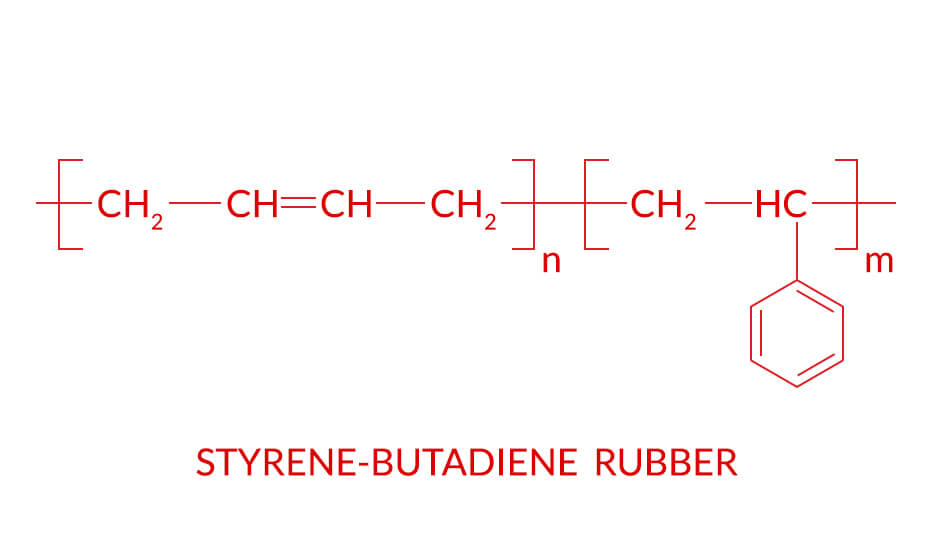
To understand the financial weight of Styrene Butadiene Rubber, one must first look at its position within the synthetic elastomer market. SBR is produced through the copolymerization of styrene and butadiene. From a business standpoint, these two feedstocks represent the primary variable costs for manufacturers. Styrene is derived from benzene and ethylene, while butadiene is a byproduct of ethylene production (steam cracking). Consequently, the SBR market is highly sensitive to fluctuations in the global energy sector.
Market Valuation and Volume
The global SBR market is valued at approximately $15 billion to $20 billion annually, with a compound annual growth rate (CAGR) that typically mirrors global GDP growth. The sheer volume of SBR traded across international borders makes it a key component of trade balance reports for major industrial nations. For countries like China, the United States, and Germany, the ability to produce or import SBR at competitive prices is a matter of industrial sovereignty.
The Automotive Correlation
The automotive industry consumes approximately 70% to 75% of all SBR produced globally. This creates a direct correlation between SBR prices and vehicle sales data. However, for the savvy investor, the “replacement tire market” is an even more important metric than “original equipment manufacturer” (OEM) sales. While new car sales may dip during an economic downturn, the replacement market remains relatively resilient, providing a floor for SBR demand even in volatile fiscal environments.
Industrial Diversification
Beyond tires, SBR is a critical input for a variety of high-margin industrial goods. This includes conveyor belts, hoses, gaskets, and footwear soles. From a business finance perspective, these secondary markets provide a diversification buffer for SBR producers. Companies that can pivot their output toward specialized industrial applications often maintain healthier margins than those relying solely on the commodity-grade tire market.
Investing in the Synthetic Rubber Sector: Drivers and Volatility
Investing in the companies that produce SBR—or the commodities themselves—requires a deep dive into the supply chain. The profitability of an SBR plant is largely determined by the “spread” between the cost of raw materials (butadiene and styrene) and the selling price of the finished rubber.
Feedstock Volatility and Profit Margins
The “Money” aspect of SBR is often found in the volatility of butadiene. Unlike styrene, which has several industrial uses, butadiene is more niche, often leading to dramatic price spikes or collapses based on the operating rates of steam crackers. Financial analysts monitor “cracker margins” to predict the future price of SBR. When ethylene demand is high, crackers run at full capacity, often leading to a surplus of butadiene and lower SBR production costs. Conversely, when the energy market tightens, SBR producers face a “margin squeeze” that can impact quarterly earnings and stock valuations.
Technological Shifts: E-SBR vs. S-SBR
In the world of capital expenditure (CapEx), a significant shift is occurring between Emulsion SBR (E-SBR) and Solution SBR (S-SBR).
- E-SBR (Emulsion): This is the traditional, cost-effective method used for standard tires. It remains the cash cow for many industrial giants due to established infrastructure and low production costs.
- S-SBR (Solution): This is a high-performance variant. S-SBR is increasingly preferred for “green tires” and high-performance vehicles because it offers lower rolling resistance and better wet grip.
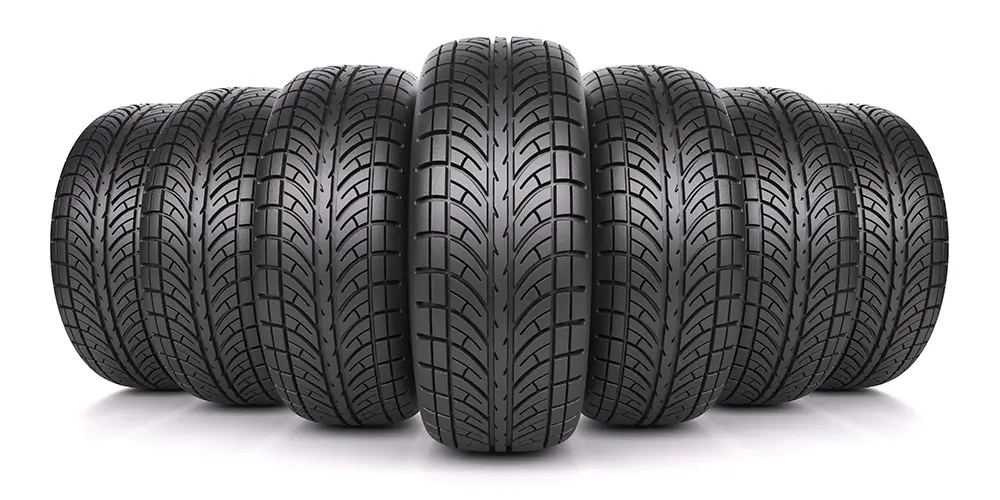
For the investor, companies that are transitioning their portfolios toward S-SBR represent a “value-add” play. These products command higher premiums and are less susceptible to the commoditization that plagues the E-SBR market.
Regional Market Dynamics
The geographic distribution of SBR production is a study in global economic shifts. While Western Europe and North America were traditionally the hubs of production, the “center of gravity” has moved to the Asia-Pacific region. China is currently the world’s largest producer and consumer of SBR. Investors must monitor Chinese industrial policy, environmental regulations, and domestic demand to gauge the global health of the SBR market. A slowdown in Chinese infrastructure or manufacturing is often a leading indicator of a bearish trend in the global synthetic rubber trade.
Key Industry Players and Competitive Landscape
The SBR market is dominated by a mix of state-owned enterprises and multinational chemical conglomerates. Analyzing the financial health of these entities provides a roadmap for the sector’s direction.
Strategic Consolidation
In recent years, the industry has seen significant consolidation. Large players are acquiring smaller, specialized firms to gain access to proprietary S-SBR technologies. This consolidation is a response to the high capital intensity of the business. Building a new SBR plant requires hundreds of millions of dollars in investment and years of regulatory approvals. This high barrier to entry protects established players from “disruptive” startups, making it a sector dominated by “moat” businesses.
The Role of Vertical Integration
The most successful companies in the SBR space are often vertically integrated. Firms like Sinopec, PetroChina, and ExxonMobil produce their own feedstocks (styrene and butadiene). This integration allows them to capture margins at every stage of the value chain and provides a hedge against feedstock price volatility. For a business analyst, a non-integrated SBR producer is considered a higher-risk investment because they are “price takers” in both their input and output markets.
ESG and Institutional Capital
Environmental, Social, and Governance (ESG) criteria are increasingly influencing capital flows in the SBR industry. Synthetic rubber production is energy-intensive and involves hazardous chemicals. Companies that invest in carbon-capture technology, bio-based feedstocks (such as bio-butadiene derived from ethanol), and waste-water recycling are becoming the preferred targets for institutional investors. The transition to “Bio-SBR” is no longer just a PR move; it is a strategic financial imperative to avoid “carbon taxes” and to appeal to the growing pool of ESG-conscious capital.
Future Outlook: E-Mobility, Sustainability, and Financial Trends
The long-term financial viability of the Styrene Butadiene Rubber market is being reshaped by the rise of Electric Vehicles (EVs) and the circular economy.
The EV Opportunity
Contrary to some fears that the shift away from internal combustion engines would hurt the rubber industry, the rise of EVs is actually a bullish signal for SBR. EVs are significantly heavier than traditional cars due to their battery packs. This weight leads to faster tire wear and requires tires with specific performance characteristics—namely, high load-bearing capacity and low noise. These requirements favor high-end S-SBR, allowing manufacturers to move away from low-margin commodity grades toward high-margin, specialized solutions.
Recycling as a New Business Model
The “end-of-life” tire (ELT) market is evolving from a liability into an asset. New business models are emerging around the pyrolysis of old SBR tires to recover carbon black and oil, which can then be fed back into the production cycle. Companies that can successfully implement “circularity” will not only reduce their raw material costs but also tap into new revenue streams from government subsidies and green credits.
Interest Rates and Global Trade
As a capital-intensive industry, SBR production is sensitive to interest rate environments. High rates increase the cost of servicing the debt used to build and maintain massive chemical complexes. Furthermore, since SBR is a globally traded commodity usually priced in USD, fluctuations in the DXY (US Dollar Index) significantly impact the purchasing power of buyers in emerging markets. A strong dollar often acts as a headwind for SBR demand in Southeast Asia and Latin America.
In conclusion, Styrene Butadiene Rubber is far more than an industrial utility. It is a complex financial instrument that reflects the health of the global energy sector, the pace of technological innovation in transport, and the shifting tides of global trade. For those looking to understand the intersection of heavy industry and high finance, the SBR market offers a masterclass in how commodities drive the modern world. Whether through direct investment in petrochemical giants or through the analysis of automotive supply chains, SBR remains a critical component of any comprehensive industrial financial strategy.
aViewFromTheCave is a participant in the Amazon Services LLC Associates Program, an affiliate advertising program designed to provide a means for sites to earn advertising fees by advertising and linking to Amazon.com. Amazon, the Amazon logo, AmazonSupply, and the AmazonSupply logo are trademarks of Amazon.com, Inc. or its affiliates. As an Amazon Associate we earn affiliate commissions from qualifying purchases.