
The world around us is often perceived as a continuous flow, but technology has long found ways to dissect and manipulate this perception. Among the most striking examples is the strobe light – a device that, through rapid, intense flashes of light, transforms our experience of motion, time, and space. Far from a mere party trick, strobe technology is a sophisticated marvel of engineering, underpinning critical functions in fields ranging from high-speed photography and industrial inspection to medical diagnostics and emergency signaling. At its core, a strobe light is a tool that harnesses the power of precisely timed light pulses to reveal hidden details, create captivating visual effects, and enhance safety across countless applications. This article delves into the technological intricacies of what a strobe is, exploring its operational principles, diverse applications, and the continuous evolution that shapes its future.

The Science Behind the Flash: How Strobe Lights Work
At the heart of every strobe light lies a carefully orchestrated sequence of electrical and optical phenomena designed to produce incredibly short, bright bursts of light. Understanding these underlying principles reveals the ingenious engineering that enables this seemingly simple effect.
Fundamental Principles of Stroboscopy
The concept of stroboscopy revolves around the deliberate interruption of continuous vision or illumination. By presenting a series of discrete light pulses at a specific frequency, a strobe light can create an optical illusion. If the flash rate synchronizes with a repeating motion, the moving object can appear stationary, slowed down, or even moving backward. This “stroboscopic effect” is fundamental to many of its applications, allowing observers to analyze rapid phenomena that would otherwise blur into an indistinct streak. The key is the brevity and intensity of each flash, which effectively “freezes” a moment in time, overwhelming the brain’s ability to perceive continuous motion. This relies heavily on the human eye’s “persistence of vision,” where an image lingers on the retina for a fraction of a second after the light stimulus is removed.
Key Components and Circuitry
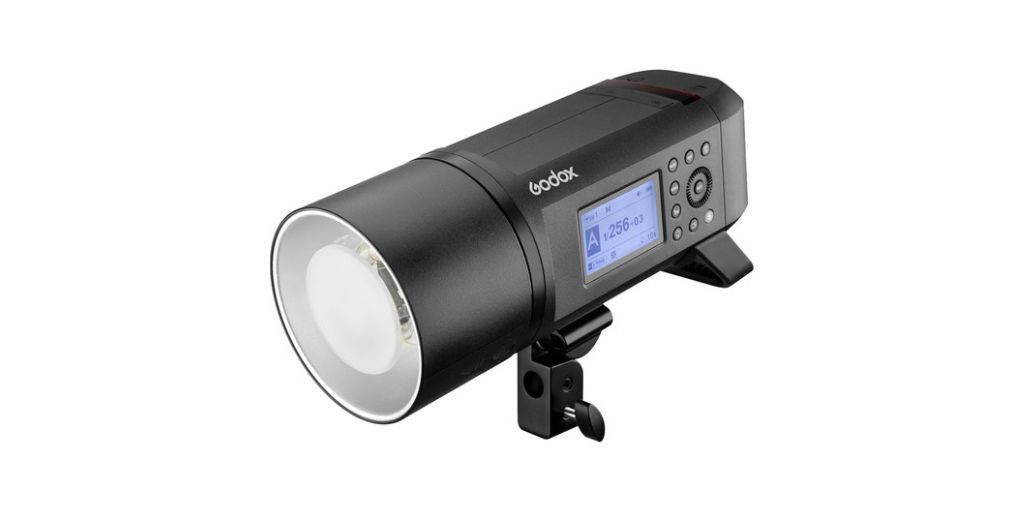
Traditional, high-power strobe lights, often employing gas-discharge tubes, consist of several critical components working in concert:
- Xenon Flash Tubes: The most common light source in early and many contemporary high-power strobes. These are gas-filled tubes (typically xenon) with electrodes at each end. When a high voltage is applied, the xenon gas ionizes and conducts electricity, producing a very bright, broadband flash of light as the gas rapidly discharges and recombines. The choice of xenon is due to its high luminous efficacy and ability to produce very short, intense flashes.
- Capacitors: These are energy storage devices. A large capacitor is charged to a high voltage, accumulating the electrical energy that will be released during the flash. The size of the capacitor and the voltage it’s charged to directly impact the intensity and duration of the strobe flash.
- Trigger Circuits: A small, high-voltage pulse, generated by a trigger circuit (often involving a trigger transformer), is applied to an electrode on or near the xenon tube. This pulse momentarily ionizes a small path within the xenon gas, dramatically lowering its electrical resistance and allowing the main charge stored in the capacitor to rapidly discharge through the tube, creating the bright flash.
- Power Supply: This converts the incoming AC (alternating current) or DC (direct current) power into the high voltage required to charge the capacitor and operate the trigger circuit. It must be robust enough to handle the rapid energy demands of repeated flashes.
The precise timing and coordination of these components are paramount to achieving the desired stroboscopic effect, requiring sophisticated electronic control systems.
A Spectrum of Applications: Where Strobe Technology Shines
From artistic expression to critical safety functions, strobe technology has permeated an astonishingly wide array of fields, demonstrating its versatility and indispensable utility.
Photography and Cinematography
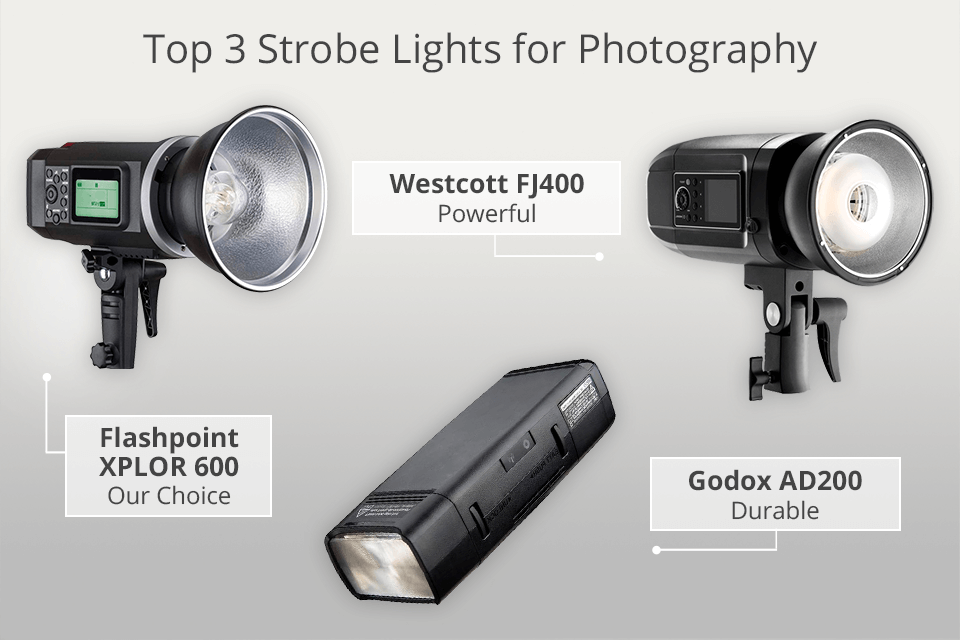
Strobe lights are a cornerstone of modern photography and filmmaking. In the studio, flash guns and monolights provide precisely controlled bursts of light to illuminate subjects, shaping shadows and highlights with incredible accuracy. High-speed photography, in particular, relies heavily on strobes to “freeze” motion that is too fast for the naked eye or continuous light sources. Drops of liquid splashing, bullets in flight, or insects in mid-flight can be captured with stunning clarity, revealing details otherwise invisible. Strobes also play a role in special effects, creating dynamic lighting sequences or enhancing dramatic moments in cinematic productions. The ability to control flash duration and intensity with precision makes strobes invaluable tools for creative and technical mastery in visual media.
Entertainment and Event Production
Perhaps the most widely recognized application of strobe lights is in the entertainment industry. Concerts, nightclubs, and rave parties frequently employ strobes to create mesmerizing and energetic visual effects. The rapid flashing disorients the audience’s perception of motion, enhancing the immersive experience and synchronizing with rhythmic music. Beyond pure spectacle, strobes are critical for safety in large-scale events, often integrated into emergency lighting systems to guide evacuations. Similarly, emergency vehicle lighting, from police cars and ambulances to fire trucks, uses powerful strobes and flashing LEDs to command attention and signal urgency, crucial for road safety.
Industrial and Scientific Uses
In industrial settings, strobe lights are powerful diagnostic tools. Machine vision systems often integrate strobes to illuminate fast-moving objects on production lines, allowing cameras to capture clear, blur-free images for inspection and quality control. For rotating machinery, industrial stroboscopes are used to “stop” the apparent motion of gears, fans, or other components, enabling engineers to inspect for defects, wear, or alignment issues without having to shut down the equipment. This non-invasive inspection significantly reduces downtime and improves safety. In scientific research, strobes are used for everything from analyzing the aerodynamics of projectiles to studying fluid dynamics, measuring the frequency of vibrations, or even assisting in medical diagnostics, such as visualizing vocal cord vibrations.
Everyday Applications
Beyond specialized fields, strobe technology is integrated into many everyday devices. Fire alarms and carbon monoxide detectors often include strobes for the hearing-impaired, providing a visual warning alongside audible alerts. Aircraft beacons and airport runway lights use flashing lights for visibility and navigation, particularly in adverse weather conditions. Even in consumer electronics, small strobes are found in camera flash units on smartphones, though often supplemented or replaced by continuous LED lighting. The principle of intermittent light remains a fundamental aspect of signaling and visibility.
Evolution and Innovation: From Simple Flash to Intelligent Systems
The journey of strobe technology reflects the broader advancements in electronics and materials science, transforming it from a rudimentary signaling device into a sophisticated, controllable instrument.
Early Incarnations and Limitations
The earliest forms of rapid light emission included mechanical shutters and simple gas-discharge lamps. Flashbulbs, which were single-use chemical devices, offered a bright but uncontrollable flash. The advent of electronic flash units in the mid-20th century, utilizing xenon tubes, marked a significant leap forward, offering reusable, repeatable flashes. However, these early electronic strobes were often bulky, consumed considerable power, generated heat, and offered limited control over flash duration, intensity, or synchronization, making precise applications challenging. Their “dump and recharge” cycle was also relatively slow.
The Rise of LED Strobe Technology
The 21st century has seen a paradigm shift with the widespread adoption of LED (Light Emitting Diode) technology in strobe applications. While traditional xenon strobes still offer incredibly intense, short flashes suitable for specific high-power needs, LEDs bring a host of advantages:
- Energy Efficiency: LEDs consume significantly less power, reducing operating costs and heat generation.
- Longevity: LEDs have a much longer operational lifespan than xenon tubes, reducing maintenance and replacement needs.
- Color Control: RGB (Red-Green-Blue) LEDs allow for full spectrum color mixing, enabling dynamic color changes and effects previously impossible with single-source strobes.
- Compact Size and Durability: LEDs are small, robust, and less fragile than glass xenon tubes, making them ideal for integration into smaller devices and rugged environments.
- Instant On/Off and Dimming: LEDs can be switched on and off instantaneously and their intensity can be precisely controlled, offering greater flexibility in programming flash patterns and durations.
While a single LED might not match the peak intensity of a large xenon flash, arrays of high-power LEDs can collectively achieve impressive brightness, often with superior control and responsiveness.
Smart Strobes and Advanced Control
Modern strobe systems are increasingly “smart,” integrating advanced control protocols and digital interfaces.
- DMX Control: Digital Multiplex (DMX) is the standard communication protocol for professional lighting equipment, allowing individual strobes or banks of strobes to be controlled remotely from a central console. This enables intricate programming of flash rates, intensities, colors, and patterns, synchronizing them with music, video, or other stage effects.
- Synchronization Capabilities: Advanced strobes can be precisely synchronized with external triggers, such as cameras (to perfectly capture a moment) or industrial machinery (to inspect at a specific phase of motion). This is often achieved through high-speed digital signals, ensuring accurate timing down to microseconds.
- Programmable Patterns and Intensity: Modern strobes offer a vast array of pre-programmed patterns, or allow users to create custom sequences of flashes, fades, and color changes. Granular control over intensity allows for nuanced lighting effects, from subtle pulses to blinding bursts.
- Integration with IoT and Smart Systems: Emerging trends include the integration of strobe technology into broader Internet of Things (IoT) ecosystems. This could involve smart safety systems that dynamically adjust strobe warnings based on real-time environmental conditions, or architectural lighting that responds to occupancy or time of day.
These innovations highlight a future where strobe technology is not just about producing a flash, but about intelligent, integrated light management.
Safety Considerations and Responsible Use
While strobe lights offer immense utility, their powerful and intermittent nature necessitates careful consideration of safety and ethical use.
Health Impacts
The rapid flashing of strobe lights can have various health impacts on sensitive individuals. The most well-known is the potential to trigger photosensitive epileptic seizures in susceptible individuals. Beyond epilepsy, prolonged exposure to strobes can cause discomfort, headaches, eye strain, disorientation, and even nausea in others. The intensity of modern strobes also poses a risk of temporary visual impairment or “flash blindness” if viewed directly at close range.
Regulations and Best Practices
Due to these potential health risks, the use of strobe lights, particularly in public venues, is often subject to regulations and best practices. Event organizers are typically required to post warnings about the presence of strobes. In industrial and safety applications, specific light intensities, flash frequencies, and placement guidelines are often mandated to ensure effectiveness without undue risk to workers or the public. For instance, emergency vehicle lighting is designed to be highly visible without causing dangerous distraction or disorienting other drivers.
Ethical Considerations
Beyond regulations, there are ethical considerations regarding the responsible deployment of strobe technology. Misuse, such as intentionally disorienting individuals or creating dangerously high-frequency flashes without warning, is irresponsible. Professional designers and operators must prioritize audience and user safety, ensuring that the benefits of strobe effects or functions are not outweighed by potential harm or discomfort. Awareness and education are crucial for all users of strobe technology, from professional lighting technicians to hobbyists.
Conclusion
From the simple yet profound principle of interrupting light, strobe technology has evolved into a sophisticated and indispensable tool across an extraordinary range of applications. Whether freezing a bullet in mid-air, enhancing the spectacle of a live concert, or providing critical warnings in an emergency, the precise timing and intense luminosity of a strobe light reveal its technological marvel. As LED technology continues to advance and intelligent control systems become more prevalent, the future of strobe lights promises even greater versatility, energy efficiency, and integration into the increasingly connected world. Understanding “what is strobe” is to appreciate not just a flashing light, but a finely tuned instrument that shapes our perception, enhances our safety, and continues to push the boundaries of technological innovation.
aViewFromTheCave is a participant in the Amazon Services LLC Associates Program, an affiliate advertising program designed to provide a means for sites to earn advertising fees by advertising and linking to Amazon.com. Amazon, the Amazon logo, AmazonSupply, and the AmazonSupply logo are trademarks of Amazon.com, Inc. or its affiliates. As an Amazon Associate we earn affiliate commissions from qualifying purchases.