
In an increasingly digital world, the ability for businesses to accept payments online is not just a convenience—it’s a fundamental necessity. Navigating the complex landscape of online transactions, global currencies, and financial regulations can be a formidable challenge for any enterprise, regardless of size. This is where Stripe steps in. At its core, Stripe Payments is a comprehensive financial technology platform designed to empower businesses and individuals to send and receive money over the internet. It serves as the invisible yet critical infrastructure that underpins countless online businesses, enabling them to process credit card payments, digital wallets, and a multitude of other payment methods with remarkable ease and security.
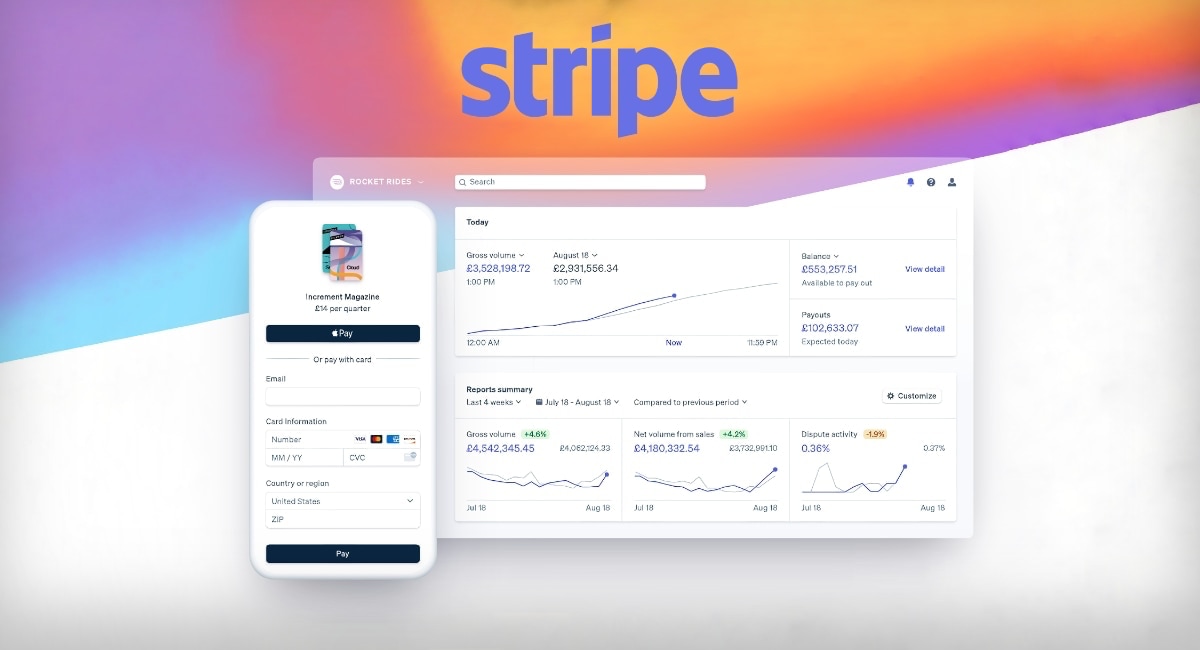
More than just a payment processor, Stripe is a suite of financial tools built for the internet economy. It democratizes access to financial services that were once the exclusive domain of large corporations, allowing startups, small businesses, and massive enterprises alike to participate fully in global digital commerce. Understanding Stripe Payments means comprehending its profound impact on business finance, online income generation, and the overall evolution of how money flows in the digital age. It’s about more than just transactions; it’s about providing the financial scaffolding upon which modern digital businesses are built and scaled.
The Financial Backbone of Digital Commerce
In the early days of the internet, accepting payments online was a clunky, expensive, and often insecure affair. Businesses had to grapple with multiple merchant accounts, complex gateway integrations, and stringent compliance requirements. Stripe emerged from this landscape with a clear vision: to simplify online payments and make financial infrastructure accessible to everyone. By providing a unified, developer-friendly platform, Stripe effectively streamlined the entire payment processing chain, transforming it from a barrier to entry into an enabler of growth.
Bridging the Gap Between Business and Buyer
Stripe’s primary function is to facilitate the seamless transfer of funds from a customer to a business. When a customer makes an online purchase, Stripe handles everything from encrypting sensitive card details, communicating with banks, processing the transaction, and ultimately ensuring the funds are deposited into the merchant’s account. This end-to-end management reduces the operational burden on businesses, allowing them to focus on their core offerings rather than getting mired in financial complexities. For the buyer, this translates to a smoother, faster, and more secure checkout experience, which is crucial for reducing cart abandonment and boosting sales—direct financial benefits for any business.
Evolution of Online Transactions
The digital economy is characterized by constant innovation, and Stripe has been at the forefront of adapting to and driving these changes. Initially focused on credit and debit card processing, Stripe has continually expanded its capabilities to include a vast array of global and local payment methods. From Apple Pay and Google Pay to popular local payment options like SEPA Direct Debit in Europe or Alipay in Asia, Stripe ensures that businesses can cater to the financial preferences of customers worldwide. This adaptability is critical for businesses looking to expand their reach and tap into new markets, directly impacting their potential for online income and global revenue generation. By abstracting away the intricacies of different payment systems, Stripe allows businesses to accept payments from virtually anywhere, opening up vast financial opportunities.
Stripe as a Comprehensive Financial Tool for Businesses
While its reputation is built on payment processing, Stripe’s true value proposition lies in its comprehensive suite of financial tools that extend far beyond simply accepting money. It’s designed to be an operating system for businesses navigating the digital economy, helping them manage their entire financial lifecycle, from initial sale to reconciliation and reporting.
Streamlining Global Payment Acceptance
One of Stripe’s most significant financial advantages is its ability to simplify global payment acceptance. For businesses looking to sell internationally, dealing with multiple currencies, varied payment methods, and differing financial regulations can be a nightmare. Stripe offers a unified platform that supports payments in over 135 currencies and facilitates payouts to bank accounts in dozens of countries. This global reach means businesses don’t need to establish local entities or separate banking relationships in each market they wish to serve, dramatically reducing financial overheads and administrative complexities. This seamless global integration directly translates into greater market access and increased potential for international online income.
Beyond Core Payments: A Suite of Financial Services
Stripe’s ecosystem includes a rich array of financial products that cater to various aspects of business finance:
- Stripe Billing: Designed for subscription businesses, this tool automates recurring billing, invoice generation, and revenue recognition, essential for managing predictable online income streams. It handles trials, discounts, upgrades, and downgrades, reducing the manual effort and potential for errors in subscription financial management.
- Stripe Connect: For marketplaces and platforms that need to pay out multiple third-party sellers (e.g., e-commerce platforms like Shopify, food delivery apps), Connect provides the financial infrastructure to manage complex money flows, split payments, and ensure regulatory compliance for all parties. This is crucial for enabling the financial models of the sharing economy.
- Stripe Capital: This offering provides eligible businesses with flexible financing based on their Stripe processing history. It’s an alternative lending solution that leverages existing financial data to offer capital for growth, bypassing traditional, often more stringent, bank loan processes. This can be a vital lifeline for small businesses needing quick access to funds.
- Stripe Radar: A fraud detection and prevention system powered by machine learning, Radar protects businesses from costly chargebacks and fraudulent transactions, safeguarding their online income and financial stability.
- Stripe Tax: Automatically calculates and collects sales tax, VAT, and GST across different jurisdictions, simplifying a notoriously complex aspect of business finance and ensuring compliance.
- Stripe Treasury: Offers an API-driven banking-as-a-service product, allowing platforms to offer financial accounts, payments, and card products to their customers directly. This represents a deeper dive into embedded finance, enabling entirely new financial service offerings.
Each of these tools addresses a specific financial need, collectively forming a powerful platform that helps businesses optimize their financial operations, mitigate risks, and seize growth opportunities.
Managing Business Finances and Growth
Effective financial management is paramount for business growth. Stripe provides robust reporting and analytics tools that offer deep insights into transaction data, revenue trends, and customer behavior. Businesses can reconcile transactions, track payouts, and gain a clear understanding of their financial health directly from the Stripe Dashboard. This level of transparency and data accessibility empowers businesses to make informed financial decisions, optimize pricing strategies, and identify areas for improvement, all contributing to healthier bottom lines and sustainable online income. The ability to easily integrate Stripe data with accounting software further streamlines financial reporting and compliance.
Unlocking Online Income and Revenue Streams
The core promise of Stripe for many businesses is its ability to unlock and optimize various online income and revenue streams. By simplifying the financial mechanics, Stripe allows entrepreneurs and enterprises to focus on innovation and market expansion.
Facilitating E-commerce and Subscription Models
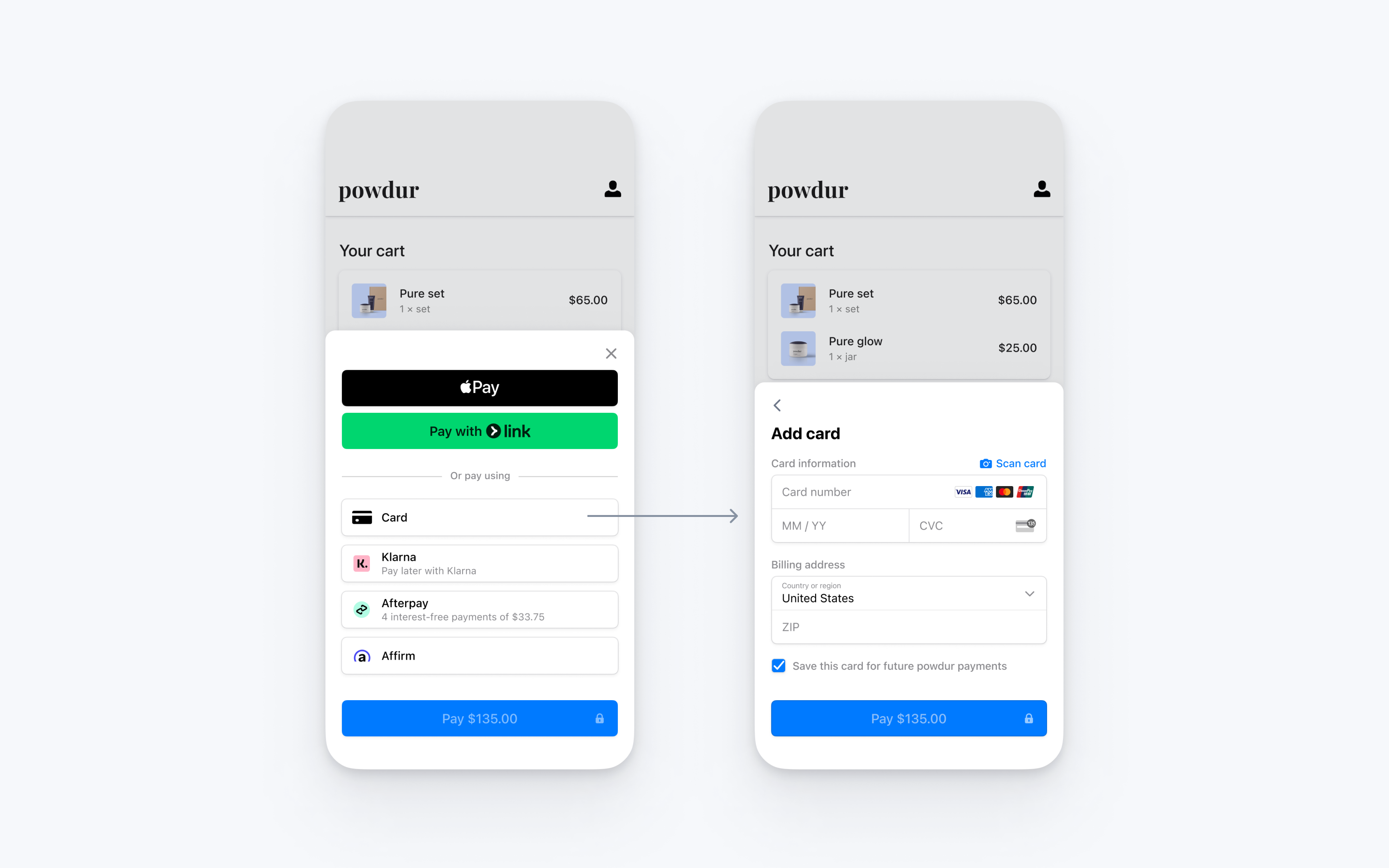
For e-commerce businesses, Stripe makes selling goods online straightforward. Its integrations with popular e-commerce platforms like Shopify, WooCommerce, and Squarespace mean that businesses can quickly set up their online stores and start accepting payments without extensive technical know-how. This rapid deployment of payment capabilities directly translates into faster time-to-market and quicker revenue generation. For subscription-based businesses, whether SaaS companies or content creators, Stripe Billing removes the headache of managing recurring payments, ensuring a steady and predictable stream of online income. It handles everything from failed payments to prorated billing, automating the complex financial logistics of a recurring revenue model.
Empowering Marketplaces and Platforms
The rise of the platform economy, where businesses connect buyers and sellers, has been significantly enabled by financial tools like Stripe Connect. From ride-sharing apps to freelance marketplaces, these platforms need to manage intricate money flows, pay out numerous service providers, and comply with diverse financial regulations. Stripe Connect provides the robust infrastructure to handle these multi-party payments, ensuring that funds are distributed accurately and efficiently. This capability is critical for the financial viability and scalability of any platform business, allowing them to grow their network of providers and expand their service offerings, thereby increasing overall platform-driven online income.
Reducing Financial Friction for Entrepreneurs
For individuals, freelancers, and small businesses just starting out, the barrier to entry for accepting online payments can be high. Traditional merchant accounts often require extensive paperwork, high setup fees, and long approval processes. Stripe, with its focus on ease of use and instant setup, significantly lowers this financial friction. Entrepreneurs can integrate Stripe quickly and begin accepting payments, turning their ideas into viable online income streams without undue delay or prohibitive costs. This democratization of payment processing is a huge boon for the gig economy and independent creators, allowing them to monetize their skills and products globally.
The Financial Advantages of Choosing Stripe
Beyond its broad range of features, Stripe offers several distinct financial advantages that make it a preferred choice for businesses serious about their online income and financial stability.
Transparency in Pricing and Fee Structures
One of Stripe’s most appreciated financial benefits is its transparent, pay-as-you-go pricing model. Unlike many traditional payment processors that might have hidden fees, monthly minimums, or complex tiered structures, Stripe generally offers a straightforward percentage-plus-fixed-fee model per successful transaction. This predictability allows businesses to easily calculate their processing costs, budget effectively, and avoid unpleasant financial surprises. For startups and small businesses, this clarity is invaluable, as it enables them to understand the true cost of accepting payments and plan their financials accordingly.
Scalability for Businesses of All Sizes
Stripe is built to scale, from a solo entrepreneur’s side hustle to a multinational enterprise processing millions of transactions daily. Its robust infrastructure can handle immense transaction volumes, ensuring that businesses never outgrow their payment processor. This financial scalability means that as a business expands its operations, increases its customer base, or enters new markets, Stripe can seamlessly accommodate its growing financial needs without requiring costly migrations or re-integrations. This future-proofing is a significant financial advantage, saving time and money in the long run.
Enhanced Financial Security and Compliance
Security is paramount in online payments. Stripe invests heavily in state-of-the-art security measures and maintains the highest level of PCI DSS compliance (PCI Level 1 Service Provider). This means businesses using Stripe benefit from advanced encryption, tokenization, and fraud detection tools (like Stripe Radar) without having to bear the full burden of developing and maintaining these complex security protocols themselves. By offloading this critical responsibility, businesses reduce their financial risk from data breaches and fraud, safeguarding customer trust and their own bottom line. Furthermore, Stripe helps businesses navigate complex global financial regulations, providing tools like Stripe Tax and ensuring compliance with local laws, thereby preventing costly penalties.
The Future of Business Finance with Stripe
Stripe’s continuous innovation positions it as a key player in shaping the future of business finance. As digital commerce evolves, so too do the financial tools required to support it.
Adapting to Evolving Payment Landscapes
The payment landscape is constantly shifting, with new payment methods, currencies, and regulatory frameworks emerging regularly. Stripe’s agile development ensures that businesses on its platform are always equipped to adapt. Whether it’s the rise of cryptocurrencies, real-time payments, or entirely new digital wallet solutions, Stripe is committed to integrating these innovations, allowing businesses to accept future forms of payment without significant overhauls to their financial infrastructure. This forward-thinking approach means businesses can stay competitive and capture new online income opportunities as they arise.

Innovation in Financial Infrastructure
Stripe is not just reacting to changes; it’s driving them. By offering sophisticated APIs and financial building blocks (like Stripe Treasury), it empowers other platforms and developers to embed financial services directly into their offerings. This “banking-as-a-service” model suggests a future where traditional financial institutions’ services are deeply integrated into the applications and platforms people use every day, making financial interactions more seamless and contextual. For businesses, this translates into unprecedented opportunities to create new revenue streams and offer enhanced financial value to their customers, solidifying Stripe’s role as a cornerstone of modern business finance.
In conclusion, Stripe Payments is far more than a simple transaction processor. It is a sophisticated, comprehensive financial tool that underpins the digital economy, enabling businesses of all sizes to accept payments globally, manage their finances efficiently, mitigate risks, and unlock vast online income potential. By simplifying the complexities of digital finance, Stripe empowers innovation, fosters growth, and paves the way for a more integrated and accessible financial future for businesses worldwide.
aViewFromTheCave is a participant in the Amazon Services LLC Associates Program, an affiliate advertising program designed to provide a means for sites to earn advertising fees by advertising and linking to Amazon.com. Amazon, the Amazon logo, AmazonSupply, and the AmazonSupply logo are trademarks of Amazon.com, Inc. or its affiliates. As an Amazon Associate we earn affiliate commissions from qualifying purchases.