
In today’s rapidly evolving world, the term “strike” often conjures images of picket lines and industrial disputes. However, the concept of a “strike” is far more nuanced and can manifest in various contexts, extending beyond traditional labor actions to encompass strategies within technology, brand building, and even financial maneuvers. Understanding what constitutes a strike in its broadest sense is crucial for navigating the complexities of modern business, innovation, and personal success. This article delves into the multifaceted nature of a strike, exploring its implications across different domains and offering insights into its strategic application.
The Core Concept: A Deliberate Halt for Impact
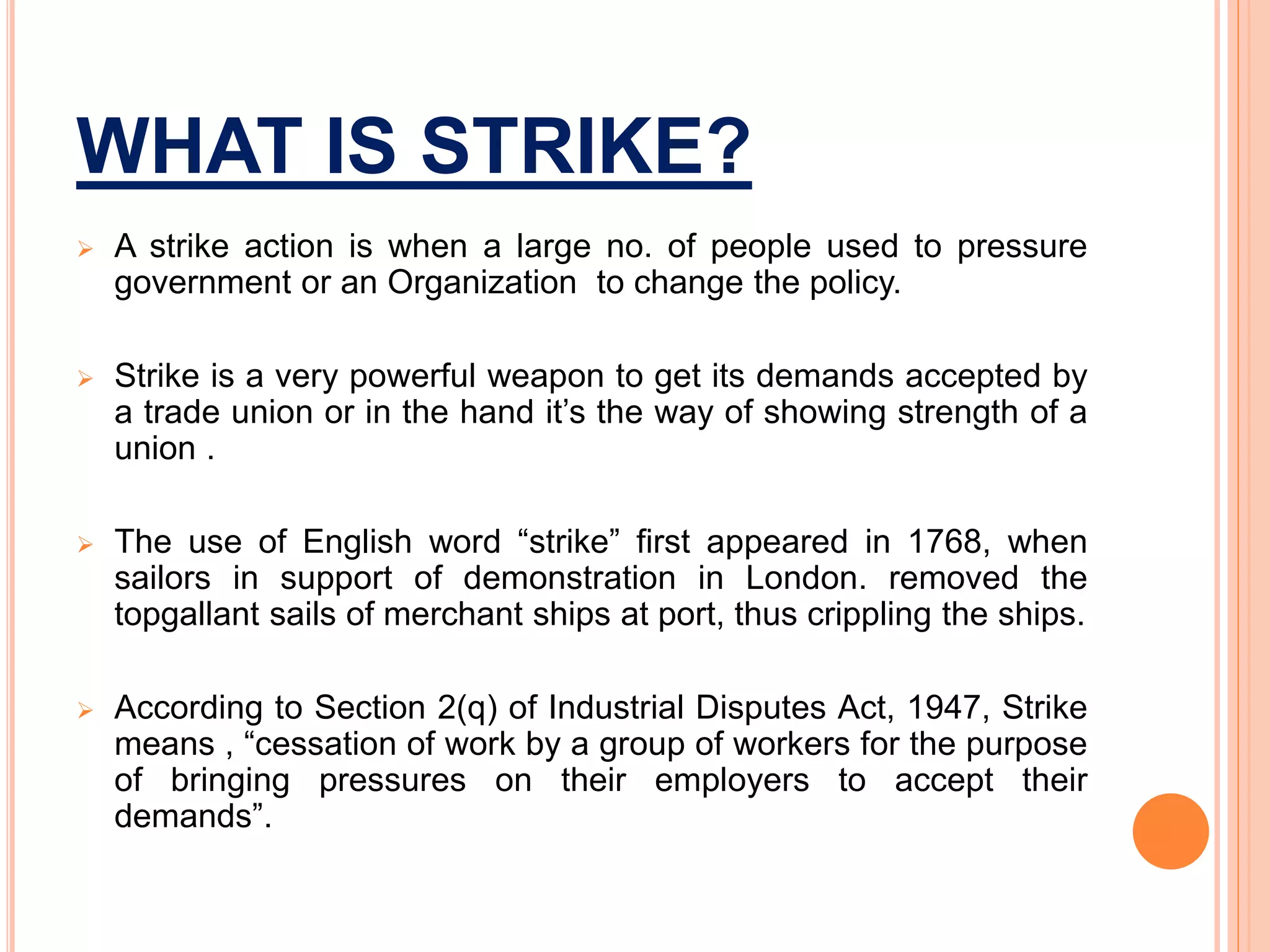
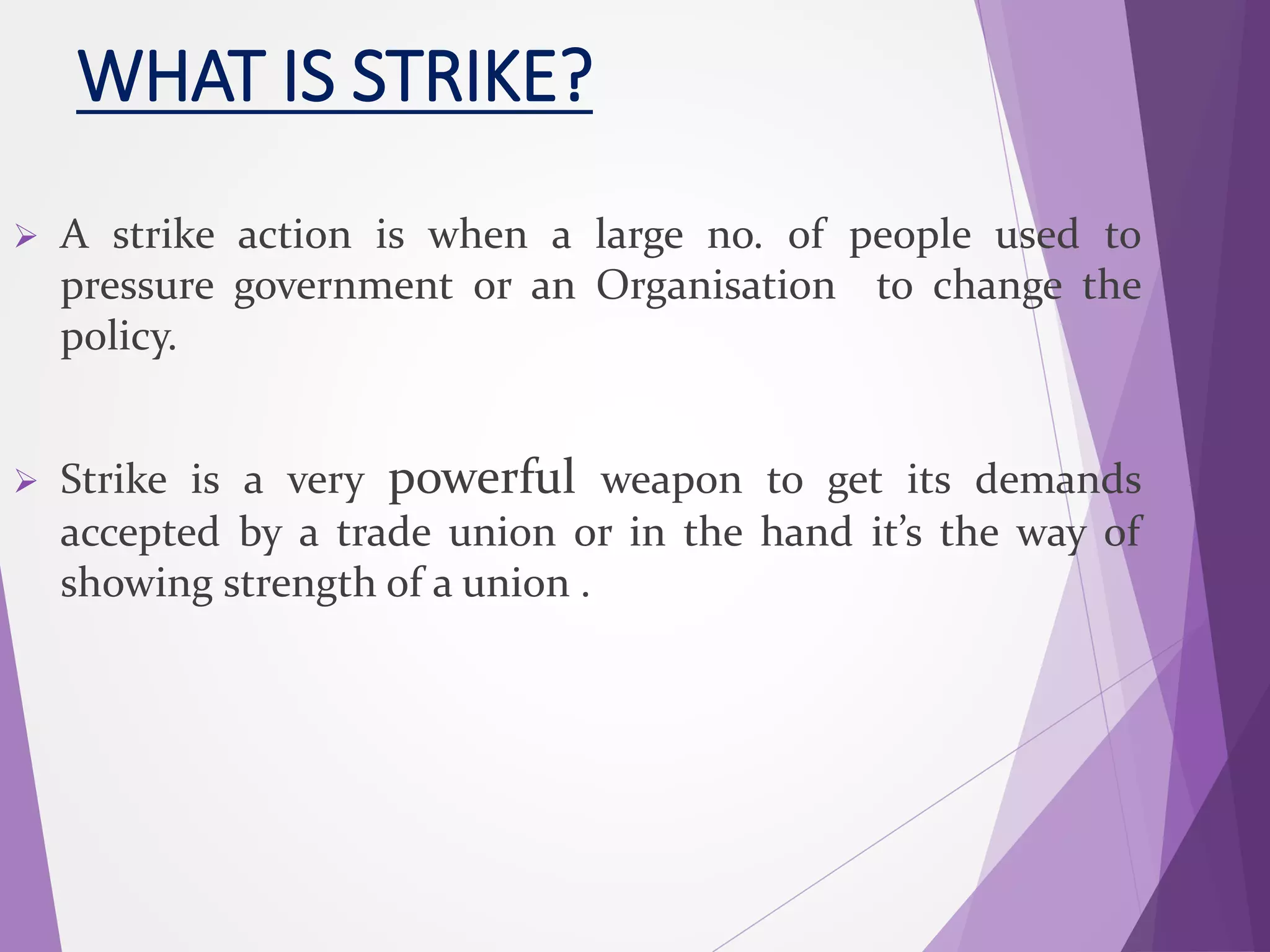
At its most fundamental level, a strike is a deliberate and coordinated cessation of activity undertaken by a group or individual to achieve a specific objective. This objective is typically to exert pressure on an opposing party by withholding something of value. The “strike” can be a powerful tool for negotiation, protest, or even a strategic move to gain an advantage. The key elements are deliberation, coordination, and impact. Without these, a simple pause in activity might not qualify as a strike in the meaningful sense.
From Labor Disputes to Strategic Pauses
Historically, the most prevalent understanding of a strike is rooted in labor relations. When workers collectively refuse to work to protest unsatisfactory wages, working conditions, or unfair labor practices, it’s a strike. This is a direct application of withholding labor, a critical resource for any business, to force a resolution. The impact is immediate and tangible, disrupting production and potentially leading to financial losses for the employer.
However, the underlying principle of leveraging a withdrawal of a valuable asset for leverage can be observed in many other areas. Consider the tech world, where a sudden, coordinated discontinuation of a popular app or service, though rare, could be considered a form of “strike” by the developers or the platform owners to protest unfavorable terms or to force a change in policy. In branding, a company might strategically “strike” from a particular market or advertising channel to re-evaluate its strategy or to protest unfair competition. Financially, a group of investors might orchestrate a collective withdrawal from a particular asset class or stock, effectively “striking” to influence market sentiment or regulatory decisions.
Therefore, while the classic image of a strike remains relevant, it’s essential to recognize its adaptability and the broader strategic implications of withholding a key component for the sake of achieving a desired outcome.
Strikes in the Digital Realm: Technology and Innovation
The tech industry, characterized by its rapid pace and constant innovation, offers a unique landscape for understanding the concept of a strike. While direct labor strikes are less common in some tech sectors due to different employment structures, the principles of collective action and strategic withdrawal of resources can be seen in various guises.
AI Tools and the Strike of the Algorithm
The rise of Artificial Intelligence (AI) tools presents new dimensions to the idea of a strike. Imagine a scenario where a significant number of users or developers collectively boycott or refuse to use a particular AI tool or platform due to ethical concerns, privacy issues, or perceived bias. This coordinated withdrawal of engagement and data could be a powerful “strike” against the developers, forcing them to address the issues raised. The value of AI tools is intrinsically linked to the data they process and the user base they serve; therefore, a collective “strike” by these elements can have a profound impact.
Furthermore, the very creation and deployment of AI tools can involve strategic pauses. A company developing a groundbreaking AI might choose to “strike” from releasing certain features or capabilities until intellectual property concerns are fully addressed or until regulatory frameworks are more defined. This isn’t a cessation of work in the traditional sense, but a strategic withholding of a valuable technological asset to ensure its responsible and secure deployment.
Software, Apps, and the Power of User Backlash
In the world of software and apps, a “strike” can manifest as a mass uninstallation or a coordinated negative review campaign. If a software update introduces unwanted changes, significant bugs, or intrusive advertising, users can collectively “strike” by abandoning the product. This is a direct impact on the app’s revenue, user base, and ultimately, its market value. Developers who fail to heed such a collective “strike” risk losing their entire user community.
Conversely, developers themselves can engage in a form of strike. If a platform owner imposes new, unfavorable terms for app developers, a significant number might collectively threaten to pull their apps or develop alternatives. This “strike” of developer talent and existing popular applications can pressure the platform to reconsider its policies.
Gadgets and the Strike of Consumer Demand
Even in the hardware and gadget sector, the concept of a strike can be relevant, albeit indirectly. If a major manufacturer is perceived to be engaging in anti-consumer practices, such as planned obsolescence or exorbitant repair costs, consumers can engage in a de facto “strike” by choosing to purchase from competitors or by delaying upgrades. This collective shift in consumer demand can force manufacturers to re-evaluate their product lifecycles and pricing strategies.
A more direct, though less common, scenario could involve a coordinated protest by tech reviewers or influencers. If a particular gadget is deemed fundamentally flawed or misleadingly advertised, a collective decision by influential voices to refuse reviews or to issue strong negative assessments could be seen as a “strike” against the brand, impacting its reputation and sales.
The Brand’s Strategic Strike: Marketing, Identity, and Reputation
The world of brands is built on perception, communication, and market presence. Here, a “strike” often takes the form of a calculated maneuver designed to reshape identity, disrupt market dynamics, or reclaim a narrative.
Brand Strategy and the Calculated Pause
In brand strategy, a “strike” can be a deliberate and temporary withdrawal from a particular market segment, advertising channel, or even a product line. This isn’t an admission of failure but a strategic pause to reassess, regroup, and re-emerge with a stronger approach. For example, a brand might “strike” from a saturated social media platform if its marketing efforts are no longer yielding significant returns, choosing instead to invest in emerging platforms or direct engagement strategies.
This also applies to internal brand efforts. A company might initiate a “strike” from its usual marketing campaigns to undergo a complete brand refresh. This period of silence or reduced activity is a strategic strike, allowing for a complete overhaul of the brand’s identity, messaging, and visual elements, all with the goal of a more impactful re-launch.
Personal Branding and the Power of Selective Silence
For individuals building their personal brand, a “strike” can be the strategic decision to step back from public visibility or to cease sharing content for a period. This might be to avoid controversy, to gather new experiences and insights to share, or simply to maintain an aura of mystique. In an era of constant online presence, selective silence can be a powerful tool. A carefully timed absence can generate curiosity and anticipation, making a subsequent re-emergence even more impactful. It’s a strike against the expectation of constant availability, forcing the audience to re-evaluate and appreciate the content when it does return.
Corporate Identity and the Strike Against Conformity
When it comes to corporate identity, a “strike” can be a bold move to differentiate from industry norms and competitors. A company might intentionally deviate from prevailing design trends or marketing clichés to carve out a unique and memorable identity. This is a strike against conformity, aiming to stand out in a crowded marketplace. This could involve a radical redesign of logos, a shift in brand voice from conventional to unconventional, or the adoption of an advertising style that deliberately challenges expectations. The goal is to create a brand that is not just recognized but also distinctly understood and remembered for its unique attributes.
Case Studies and the Strike of Irrelevance
In the realm of case studies, a “strike” can occur when a company or individual strategically withdraws from participating in certain industry showcases or awards. This might be because they feel these platforms no longer align with their brand values, or perhaps they believe their unique achievements are better communicated through alternative channels. This isn’t about avoiding scrutiny but about controlling the narrative and ensuring their story is told in a way that is most authentic and impactful to their target audience. It’s a strike against being pigeonholed or misrepresented by traditional metrics of success.
Reputation Management and the Strategic Disengagement
Reputation management is a delicate dance, and sometimes, the most effective strategy is a strategic “strike” – a calculated disengagement from a particular discussion or controversy. If a brand is being unfairly attacked or if a discussion is spiraling into unproductive territory, a temporary or permanent withdrawal from the conversation can be a powerful way to regain control. This isn’t about ignoring problems but about choosing battles wisely and preserving energy for more constructive engagements. It’s a strike against the relentless noise, allowing for a more measured and impactful response when the time is right.
Financial Strikes: Investing, Income, and Business Maneuvers
The world of money, from personal finances to complex business operations, is rife with opportunities for strategic “strikes” that can yield significant results. These actions often involve the calculated withholding or redirection of financial resources to achieve specific goals.
Personal Finance and the Strike of Deliberate Spending
In personal finance, a “strike” can be a conscious and disciplined decision to abstain from certain spending habits. This could involve a “no-spend challenge” for a month, where all non-essential purchases are halted. This deliberate strike against impulse buying or habitual spending frees up capital, allowing individuals to achieve savings goals, pay down debt, or invest in more meaningful experiences. It’s a strike against the consumerist culture, demonstrating that financial control can be achieved through deliberate abstinence.
Investing and the Strike of the Short Seller
In the investment world, a “strike” can be the strategic action of short selling. Short sellers, in essence, “strike” against the perceived overvaluation of a stock. They borrow shares and sell them, hoping the price will fall, allowing them to buy back the shares at a lower price and pocket the difference. This is a direct bet against the success of a company, a deliberate withholding of positive sentiment and capital from that particular stock. The coordinated actions of short sellers can significantly impact stock prices, acting as a powerful, albeit often controversial, market force.
Online Income and the Strike Against Low-Value Platforms
For those generating online income, a “strike” can mean opting out of platforms that offer low pay rates or exploitative terms. Freelancers might collectively “strike” from a particular gig marketplace if they deem the rates too low or the competition too fierce. This forces the platform to either improve its offerings or risk losing a significant portion of its skilled workforce. It’s a strike against the devaluation of labor in the digital economy, advocating for fair compensation for services rendered.
Side Hustles and the Strike of Focused Effort
When pursuing side hustles, a “strike” can involve a deliberate decision to cease or significantly reduce engagement in less profitable or time-consuming ventures to focus on those with higher potential returns. This is a strike against spreading oneself too thin, allowing for concentrated effort and greater success in a select few promising areas. It’s about strategic prioritization and recognizing that not all opportunities are created equal, leading to a more impactful and efficient allocation of time and resources.
Business Finance and the Strike of the Capital Freeze
In business finance, a “strike” can manifest as a deliberate “capital freeze” or a significant reduction in investment in certain areas. A company might choose to “strike” from expanding into a new, uncertain market or from investing heavily in a particular R&D project if the risks outweigh the potential rewards. This is a strategic move to preserve capital, reduce exposure, and focus on core competencies. It’s a strike against unwarranted expansion or speculative ventures, prioritizing financial stability and a more predictable path to growth.
Financial Tools and the Strike of Data Independence
The increasing reliance on financial tools also opens up possibilities for “strikes.” If a particular financial platform is deemed to be misusing user data or charging exorbitant fees for essential services, a collective “strike” by its users – migrating to alternative platforms or demanding greater data control – can pressure the provider to change its practices. This is a strike for financial data independence and fair service provision, empowering users to reclaim control over their financial information and their financial tools.

Conclusion: The Pervasive Power of Strategic Withdrawal
The concept of a “strike,” far from being confined to the realm of labor disputes, is a potent and adaptable strategy that permeates technology, brand building, and financial endeavors. It is the deliberate and coordinated withholding of something valuable – be it labor, attention, capital, or data – to exert influence and achieve a desired outcome.
In the dynamic world of Tech, strikes can manifest as user boycotts of AI tools, mass uninstalls of problematic apps, or even strategic pauses in product releases. In Brand building, they can be calculated withdrawals from markets, selective silence in personal branding, or a deliberate strike against conformity in corporate identity. And in Money, strikes can be personal spending freezes, sophisticated investment maneuvers like short selling, or strategic shifts in pursuing online income and business finance.
Understanding these multifaceted applications of the “strike” empowers individuals and organizations to better navigate complex landscapes, to advocate for their interests, and to achieve their objectives through informed and strategic action. It’s a testament to the enduring power of collective action and the strategic impact of a well-timed withdrawal.
aViewFromTheCave is a participant in the Amazon Services LLC Associates Program, an affiliate advertising program designed to provide a means for sites to earn advertising fees by advertising and linking to Amazon.com. Amazon, the Amazon logo, AmazonSupply, and the AmazonSupply logo are trademarks of Amazon.com, Inc. or its affiliates. As an Amazon Associate we earn affiliate commissions from qualifying purchases.