
In the traditional landscape of data management, information was treated like a classic novel: it was written, saved, stored, and then opened much later to be read. This is the paradigm of “batch processing,” where data is collected over a period and processed in large chunks. However, the modern digital ecosystem operates differently. It functions more like a live conversation. Streaming data is the continuous, high-velocity flow of information generated by thousands of sources simultaneously, requiring immediate ingestion, processing, and analysis.
Streaming data—also known as event streaming—is the practice of taking data as it is generated and processing it in real-time. Whether it is a sensor on a manufacturing line detecting a temperature spike, a user clicking a link on a retail website, or a financial algorithm tracking market volatility, streaming data ensures that the gap between an event occurring and the system responding to it is narrowed to milliseconds.

The Architecture of Real-Time Data Pipelines
To understand streaming data, one must look at how it differs from the static databases of the past. Streaming architecture is built on the concept of an “event stream.” An event is any change in state: a mouse click, a price change, a GPS coordinate update, or a system log entry.
The Role of Producers, Brokers, and Consumers
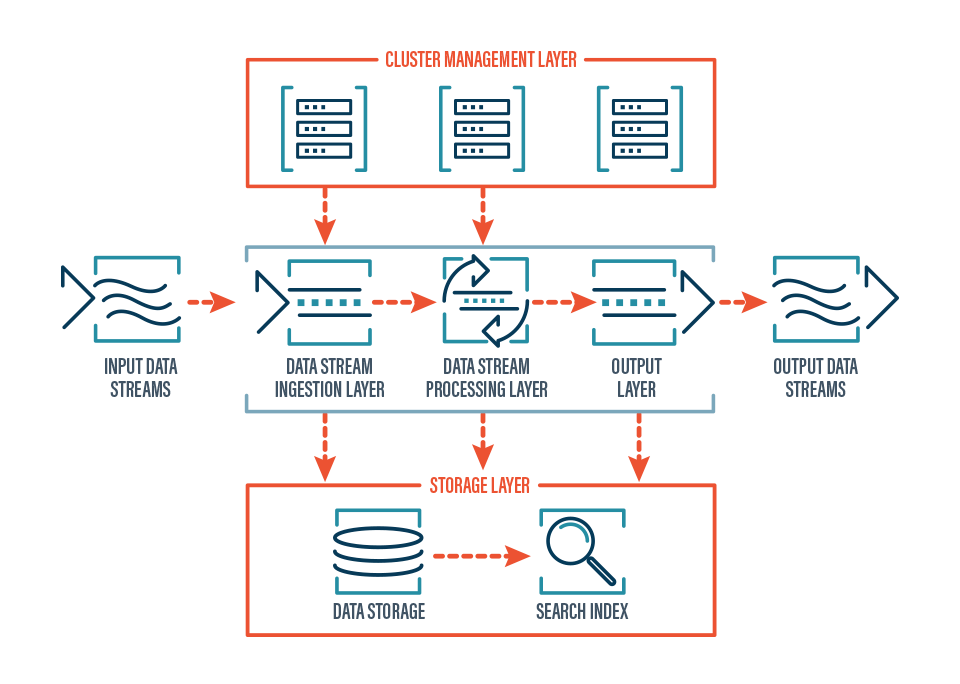
A robust streaming architecture typically consists of three primary components:
- Producers: These are the origin points of the data. They can be IoT devices, web servers, mobile applications, or transaction logs. The producer does not care who uses the data; it simply pushes the information into the stream.
- Message Brokers: This is the heart of the streaming pipeline. Platforms like Apache Kafka, Amazon Kinesis, or Google Pub/Sub act as the central nervous system. They receive the data from producers and buffer it, ensuring that the information is durable and available for processing, even if there is a massive spike in traffic.
- Consumers: These are the applications or analytics engines that ingest the data from the broker. A consumer might be a dashboard that updates a live graph, a machine learning model that flags fraudulent activity, or a database that saves the event for long-term historical analysis.
Decoupling Data Flows
One of the most powerful aspects of this architecture is the decoupling of producers and consumers. In a traditional system, if the database became overwhelmed, the entire application would crash. In a streaming architecture, the broker acts as a shock absorber. The producer can continue to send data at its own pace, and the consumer can process it at its own speed, preventing system-wide bottlenecks during traffic surges.
Key Differences: Streaming vs. Batch Processing
The choice between streaming and batch processing depends entirely on the use case. While batch processing remains relevant for tasks like generating monthly payroll or nightly backups, it fails when the “freshness” of the data is critical to the business outcome.
Latency and Freshness
Batch processing operates on a schedule. You might process data once every 24 hours. If an error occurs in the data, you might not discover it until the next day. Streaming data, by contrast, operates with low latency—often sub-second. This enables “just-in-time” decision-making, where an automated system can intervene before a problem escalates.
Statefulness and Windowing
Streaming data presents a unique challenge: because the data never technically “ends,” you cannot simply count all items. Instead, engineers use “windowing.” This technique involves analyzing data within specific time frames—for example, calculating the average traffic speed over a 5-minute sliding window. By processing data in segments, businesses can gain insights into trends as they are forming, rather than waiting for the entire dataset to conclude.
Real-World Applications and Use Cases
The utility of streaming data is most visible in industries where reaction time equates to revenue or safety.
Financial Services and Fraud Detection
In the world of credit card processing, a few seconds is the difference between a secure transaction and a successful hack. Streaming analytics platforms ingest every transaction attempt and run it through a series of machine learning models in real-time. These models compare the transaction against historical patterns, geographic location, and spending habits. If the data suggests an anomaly, the streaming system triggers an immediate decline or a request for secondary verification before the merchant even processes the payment.
IoT and Industrial Predictive Maintenance
In smart manufacturing, factories are equipped with thousands of sensors monitoring vibration, pressure, and temperature. Instead of waiting for a machine to break down—which results in costly downtime—streaming data allows the system to monitor the “health” of the machinery continuously. If a sensor reports a micro-vibration indicative of a failing bearing, the system can trigger an automated alert to the maintenance team, allowing them to fix the issue during a scheduled break, preventing a total line shutdown.
Personalized User Experiences
Modern e-commerce and media platforms leverage streaming data to create hyper-personalized experiences. When a user navigates a website, their clicks, scrolls, and dwell times are streamed into a recommendation engine. By analyzing this stream of events, the website can update the “Recommended for You” section dynamically, showing relevant products before the user has even finished their current session.
The Challenges of Implementing Streaming Infrastructure
Despite its clear advantages, streaming data is not without its hurdles. It requires a fundamental shift in how IT teams approach infrastructure and code.
Complexity and Maintenance
Managing a high-throughput streaming cluster—like a large-scale Kafka deployment—requires significant expertise. Monitoring the health of the brokers, ensuring data partition balance, and managing the lifecycle of the data streams is a complex task. Many organizations are moving toward managed streaming services to mitigate the operational overhead, but the learning curve for developers remains steep.
Data Integrity and “Exactly-Once” Processing
A common fear in streaming is “data duplication.” If a network flicker causes a message to be sent twice, does the database count the transaction twice? Achieving “exactly-once” processing is the gold standard in streaming analytics, but it requires highly sophisticated logic within the streaming applications to track unique event IDs and ensure that records are not double-counted or lost during transit.
Security and Data Governance
Because streaming data is constantly moving and often contains sensitive information, securing it is paramount. Traditional security perimeters are less effective here. Organizations must implement encryption at rest and in transit, alongside granular access controls. Furthermore, since streaming data flows into so many different applications, maintaining compliance—such as ensuring PII (Personally Identifiable Information) is redacted—requires automated governance tools integrated directly into the pipeline.

The Future: The Democratization of Streams
As we look toward the future, the complexity of streaming data is being abstracted away. We are entering an era where “streaming SQL” allows developers to query live streams using standard database language, making real-time analysis accessible to a wider pool of data professionals.
The convergence of AI and streaming data is the next frontier. As machine learning models become faster and more lightweight, the ability to embed these models directly into the streaming pipeline will allow for “self-healing” systems. These systems will not just report on what is happening in real-time; they will make autonomous, data-driven decisions on a micro-scale.
Streaming data has evolved from a niche architectural requirement to a foundational pillar of the digital economy. In a world where consumers and businesses demand immediate results, the ability to process information as it happens is no longer a luxury—it is the prerequisite for relevance. Understanding how to harness this continuous flow is the first step toward building the responsive, intelligent systems of the future.
aViewFromTheCave is a participant in the Amazon Services LLC Associates Program, an affiliate advertising program designed to provide a means for sites to earn advertising fees by advertising and linking to Amazon.com. Amazon, the Amazon logo, AmazonSupply, and the AmazonSupply logo are trademarks of Amazon.com, Inc. or its affiliates. As an Amazon Associate we earn affiliate commissions from qualifying purchases.