
In the dynamic world of finance, few terms are as ubiquitous and yet as frequently misunderstood as “stock price.” For many, it’s merely a number that flashes across financial news channels, signaling either triumph or tribulation for investors. However, a stock price is far more than just a figure; it is a complex indicator reflecting a confluence of economic forces, company performance, and market sentiment, all distilled into a single, ever-changing value. Understanding what a stock price truly represents, how it is determined, and what factors influence its fluctuations is fundamental for anyone looking to navigate the investment landscape, from novice individuals to seasoned financial professionals.
At its core, a stock price is the current value at which a share of a publicly traded company can be bought or sold on a stock exchange. Each share represents a small unit of ownership in the company. When you purchase a share of stock, you essentially become a part-owner, entitled to a fraction of the company’s assets and earnings, and potentially, voting rights on corporate matters. This seemingly simple concept underpins the vast and intricate global financial markets, driving investment decisions, corporate strategies, and wealth creation for millions.
The Foundational Concept of Stock Price
To truly grasp the essence of stock price, one must first understand the underlying assets and the broader market in which they operate. A stock is not just a piece of paper or a digital entry; it’s a claim on a company’s future earnings and assets.
Defining a Stock and Its Value
A stock, or equity, represents a fractional ownership interest in a corporation. When a company decides to go public, it divides its ownership into millions or billions of shares, which are then offered to investors through an Initial Public Offering (IPO). Once listed on an exchange, these shares are traded among investors. The aggregate value of all outstanding shares is known as the company’s market capitalization.
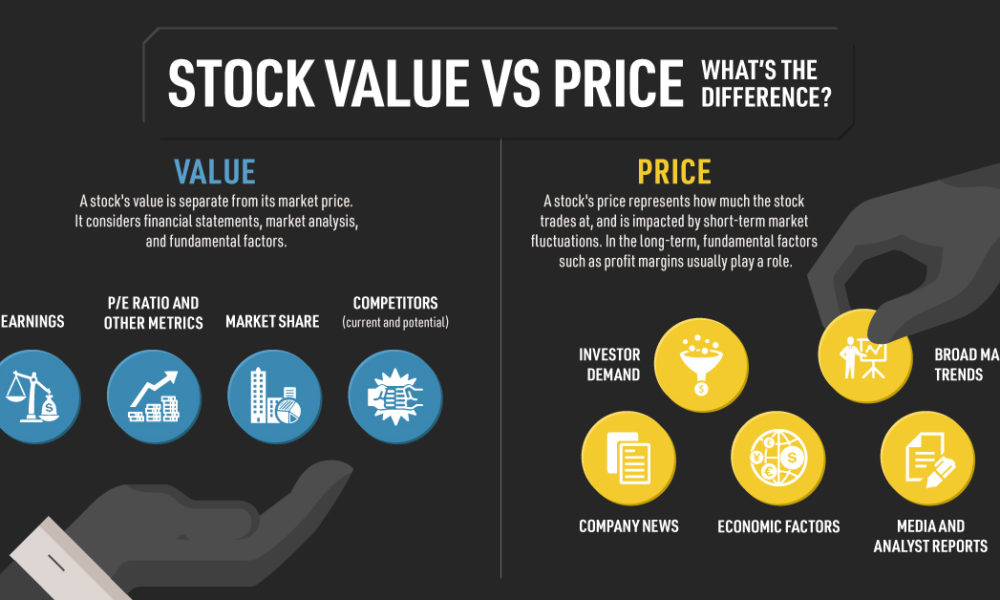
The “value” of a stock can be perceived in two primary ways: its market value and its intrinsic value. The market value is the current stock price multiplied by the number of outstanding shares—what the market is currently willing to pay. The intrinsic value, on the other hand, is an analytical estimate of a company’s true worth, often calculated by financial analysts using various valuation models (like discounted cash flow analysis, asset-based valuation, or relative valuation). Ideally, over the long term, a stock’s market price should gravitate towards its intrinsic value, but short-term market dynamics can often lead to significant disparities.
Shares as Ownership Stakes
Each share purchased confers upon the owner certain rights, primarily the right to a portion of the company’s profits (often distributed as dividends) and the right to vote on significant corporate decisions at shareholder meetings. This ownership stake is what gives a stock its fundamental value. The more shares you own, the larger your claim on the company’s earnings and control. This ownership also implies a degree of risk; if the company performs poorly, the value of your shares may decline, and you could lose money. Conversely, if the company thrives, your shares appreciate in value, leading to capital gains.
How Stock Prices Are Determined
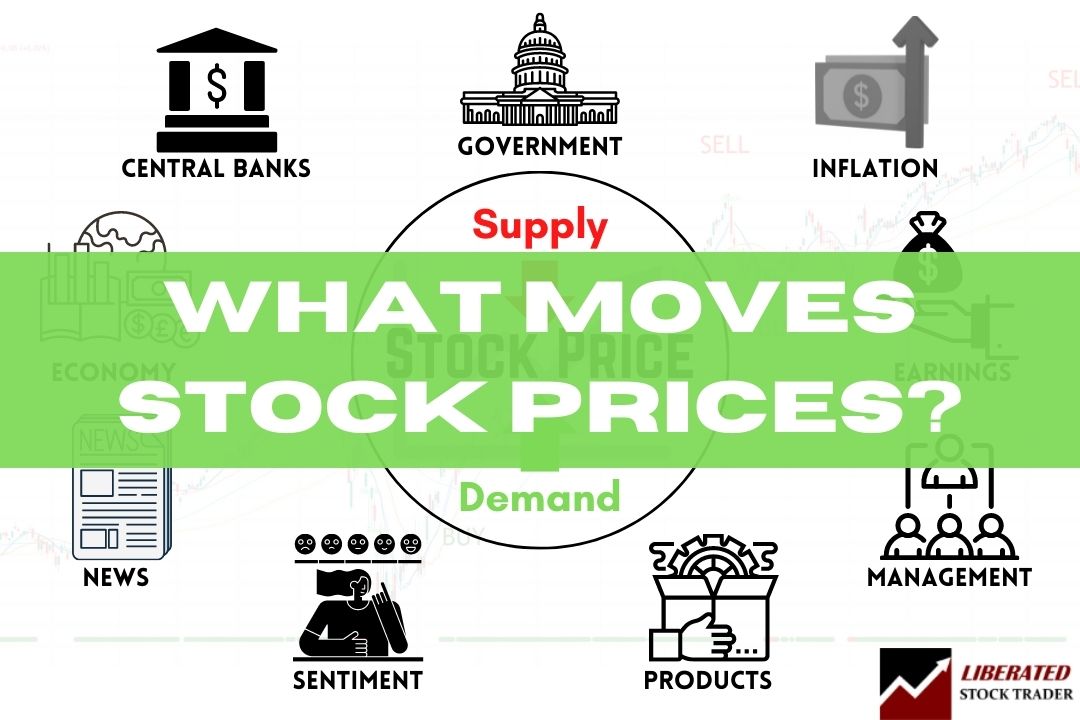
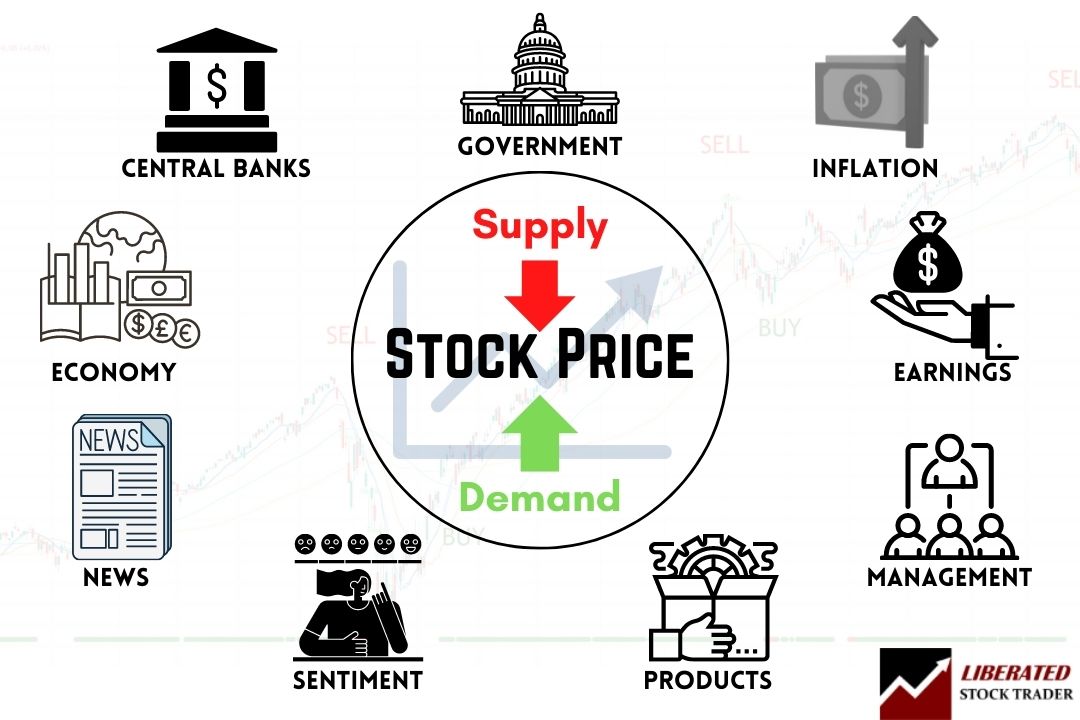
The determination of a stock’s price is a multifaceted process, heavily influenced by the fundamental laws of supply and demand, coupled with a myriad of other economic and company-specific factors. It’s a continuous auction where buyers and sellers meet.
Supply and Demand Dynamics
At its most basic level, a stock price is determined by the intersection of supply and demand for its shares on a stock exchange.
- High Demand, Limited Supply: If many investors want to buy a particular stock and there are relatively few sellers, the demand pushes the price up. Buyers are willing to pay more to acquire shares.
- Low Demand, Abundant Supply: Conversely, if many investors want to sell a stock and there are few buyers, the supply overwhelms demand, causing the price to fall. Sellers must accept lower prices to offload their shares.
This delicate balance is constantly shifting throughout the trading day, leading to continuous fluctuations in stock prices.
The Role of Market Participants
Various entities contribute to the supply and demand for stocks:
- Individual Investors: Retail investors who buy and sell shares for their personal portfolios.
- Institutional Investors: Large organizations such as mutual funds, hedge funds, pension funds, and insurance companies that manage vast sums of money and often trade in large blocks of shares. Their buying and selling activity can have a significant impact due to the sheer volume.
- Market Makers: Firms that provide liquidity to the market by continuously quoting both buy (bid) and sell (ask) prices for a given stock, profiting from the spread between them.
Economic Factors
Beyond direct supply and demand, broader economic conditions play a crucial role:
- Interest Rates: Higher interest rates can make fixed-income investments (like bonds) more attractive, drawing money away from stocks and potentially lowering stock prices. Lower rates tend to have the opposite effect.
- Inflation: High inflation can erode corporate profits and consumer purchasing power, generally negatively impacting stock prices.
- GDP Growth: A strong economy (high GDP growth) typically translates to higher corporate earnings and investor confidence, which supports higher stock prices.
- Unemployment Rates: Low unemployment often indicates a healthy economy and strong consumer spending, generally positive for stocks.
Company-Specific News and Performance
The financial health and future prospects of the company itself are paramount.
- Earnings Reports: Quarterly and annual earnings reports, including revenue, profit, and guidance for future performance, are critical. Companies exceeding expectations often see their stock price rise, while those missing targets or issuing poor guidance may see a decline.
- Product Launches & Innovation: Breakthrough products, successful drug trials, or innovative technologies can significantly boost a company’s perceived value and, consequently, its stock price.
- Mergers & Acquisitions (M&A): Announcements of M&A can lead to price volatility for both the acquiring and target companies, depending on the perceived synergies and financial implications.
- Management Changes: Changes in key leadership positions, such as the CEO or CFO, can influence investor confidence and stock performance.
- Dividends and Share Buybacks: Companies that consistently pay dividends or buy back their own shares signal financial health and can attract investors, providing support for the stock price.
Industry Trends and Sector Sentiment
The overall health and trends within the specific industry sector can also sway a company’s stock price. For example, a surge in demand for renewable energy might boost stocks in that sector, even if individual companies haven’t made significant new announcements. Conversely, regulatory headwinds or disruptive technologies in a particular industry can depress the stock prices of companies operating within it.
Key Factors Influencing Stock Price Fluctuations
Stock prices are rarely static; they fluctuate continuously throughout the trading day, and over longer periods, can exhibit significant trends or volatility. These fluctuations are driven by a continuous stream of information and evolving perceptions.
Earnings Reports and Financial Health
As mentioned, quarterly and annual earnings are pivotal. Beyond just the headline numbers, investors scrutinize metrics like profit margins, cash flow, debt levels, and future guidance. A company with consistent earnings growth and a strong balance sheet typically commands a higher stock price. Surprises, both positive and negative, almost always lead to immediate price reactions.
Investor Sentiment and Psychology
Perhaps one of the most unpredictable factors is investor sentiment. Market psychology, including fear, greed, and herd mentality, can lead to irrational buying or selling, driving prices away from fundamental valuations in the short term.
- Fear: During market downturns or crises, fear can lead to panic selling, pushing prices down beyond what underlying fundamentals might suggest.
- Greed: During bull markets, optimism and greed can drive speculation, leading to inflated prices or asset bubbles.
- Narratives: Compelling stories or trends (e.g., the rise of AI, meme stocks) can attract significant investor interest, sometimes irrespective of traditional valuation metrics.
Geopolitical Events and Macroeconomic Indicators
Global events and broad economic data can send ripples through the stock market:
- Political Instability: Wars, trade disputes, or significant policy changes can create uncertainty, prompting investors to reduce risk exposure.
- Central Bank Policies: Decisions by central banks regarding interest rates, quantitative easing, or tightening monetary policy have widespread effects on asset prices.
- Commodity Prices: Fluctuations in oil, gold, or other commodity prices can impact industries globally, influencing the stock prices of related companies.
Analyst Ratings and Market Expectations
Financial analysts from investment banks and research firms issue ratings (buy, sell, hold) and price targets for stocks. While not always accurate, these ratings can influence investor behavior, especially institutional investors. Similarly, if a company fails to meet consensus analyst expectations, even if its actual performance is good, its stock price can suffer due to “disappointment.”
Understanding Stock Price Metrics and Valuation
While the stock price itself is a key metric, it often needs to be viewed in conjunction with other financial ratios and concepts to gain a comprehensive understanding of a company’s valuation.
Market Capitalization
Calculated by multiplying the current share price by the total number of outstanding shares, market capitalization (“market cap”) provides the total dollar value of a company. It’s often used to categorize companies (e.g., small-cap, mid-cap, large-cap) and gives an idea of a company’s size. A high market cap doesn’t necessarily mean a stock is expensive, just that the company is large.
Price-to-Earnings (P/E) Ratio
One of the most widely used valuation multiples, the P/E ratio is calculated by dividing the current stock price by the company’s annual earnings per share (EPS). It indicates how much investors are willing to pay for each dollar of earnings. A high P/E might suggest investors expect high future growth, while a low P/E could indicate a company is undervalued or has limited growth prospects.
Earnings Per Share (EPS)
EPS is a company’s profit allocated to each outstanding share of common stock. It’s calculated by dividing the company’s net income by the number of outstanding shares. EPS is a key indicator of a company’s profitability and is a primary driver for investor interest.
Dividend Yield
For dividend-paying stocks, the dividend yield is the annual dividend per share divided by the current stock price, expressed as a percentage. It represents the return on investment from dividends alone. Investors seeking income often pay close attention to this metric.
Book Value and Enterprise Value
- Book Value: The total assets of a company minus its total liabilities, representing the net asset value per share. It’s often seen as a liquidation value, though market prices rarely strictly adhere to book value.
- Enterprise Value (EV): A measure of a company’s total value, often considered a more comprehensive alternative to market capitalization. EV includes market capitalization plus debt, minority interest, and preferred shares, minus cash and cash equivalents. It’s particularly useful when comparing companies with different capital structures.
The Significance of Stock Prices for Investors and Companies
The continuous fluctuation and determination of stock prices have profound implications for both those who invest in companies and the companies themselves.
For Investors: Wealth Creation and Risk Assessment
For investors, the stock price directly dictates their potential for wealth creation or loss. A rising stock price means capital appreciation, increasing the value of their holdings. A falling price means depreciation, leading to potential losses if they sell. The ability to buy low and sell high is the essence of profitable stock investing. Understanding the factors influencing stock prices allows investors to make informed decisions, manage risk, and align their portfolios with their financial goals and risk tolerance. It’s through movements in stock prices that investors measure the success (or failure) of their investment strategies.
For Companies: Capital Formation and Market Perception
For companies, their stock price is a constant report card from the market. A high and rising stock price signifies market confidence, makes it easier and cheaper to raise additional capital through secondary offerings, and can be used as currency for acquisitions. It also enhances employee morale, especially for those with stock options or equity compensation. Conversely, a falling stock price can signal trouble, make it harder to attract talent or capital, and potentially expose the company to hostile takeovers. The stock price, therefore, is not just a passive indicator but an active component of a company’s financial health and strategic flexibility.
The Importance of Long-Term Perspective
While short-term fluctuations in stock prices often dominate headlines, seasoned investors emphasize the importance of a long-term perspective. Over extended periods, a company’s stock price tends to reflect its underlying business performance, earnings growth, and intrinsic value. Short-term noise driven by sentiment or macroeconomic events often dissipates, allowing the true value drivers to emerge. Understanding “what is stock price” ultimately means appreciating its dynamic nature as a financial instrument, a market signal, and a fundamental component of wealth generation and corporate strategy in the modern economy.
aViewFromTheCave is a participant in the Amazon Services LLC Associates Program, an affiliate advertising program designed to provide a means for sites to earn advertising fees by advertising and linking to Amazon.com. Amazon, the Amazon logo, AmazonSupply, and the AmazonSupply logo are trademarks of Amazon.com, Inc. or its affiliates. As an Amazon Associate we earn affiliate commissions from qualifying purchases.