
The stock market is often viewed as a complex, intimidating labyrinth of numbers, charts, and jargon. However, at its core, it is one of the most powerful engines for wealth creation ever devised. It is a marketplace—not unlike a physical bazaar or a digital storefront—where ownership in the world’s most successful companies is bought and sold. For the individual investor, the stock market represents a bridge between personal savings and the broader global economy, offering a path to financial independence through disciplined participation and strategic planning.
The Fundamental Mechanics of the Stock Market
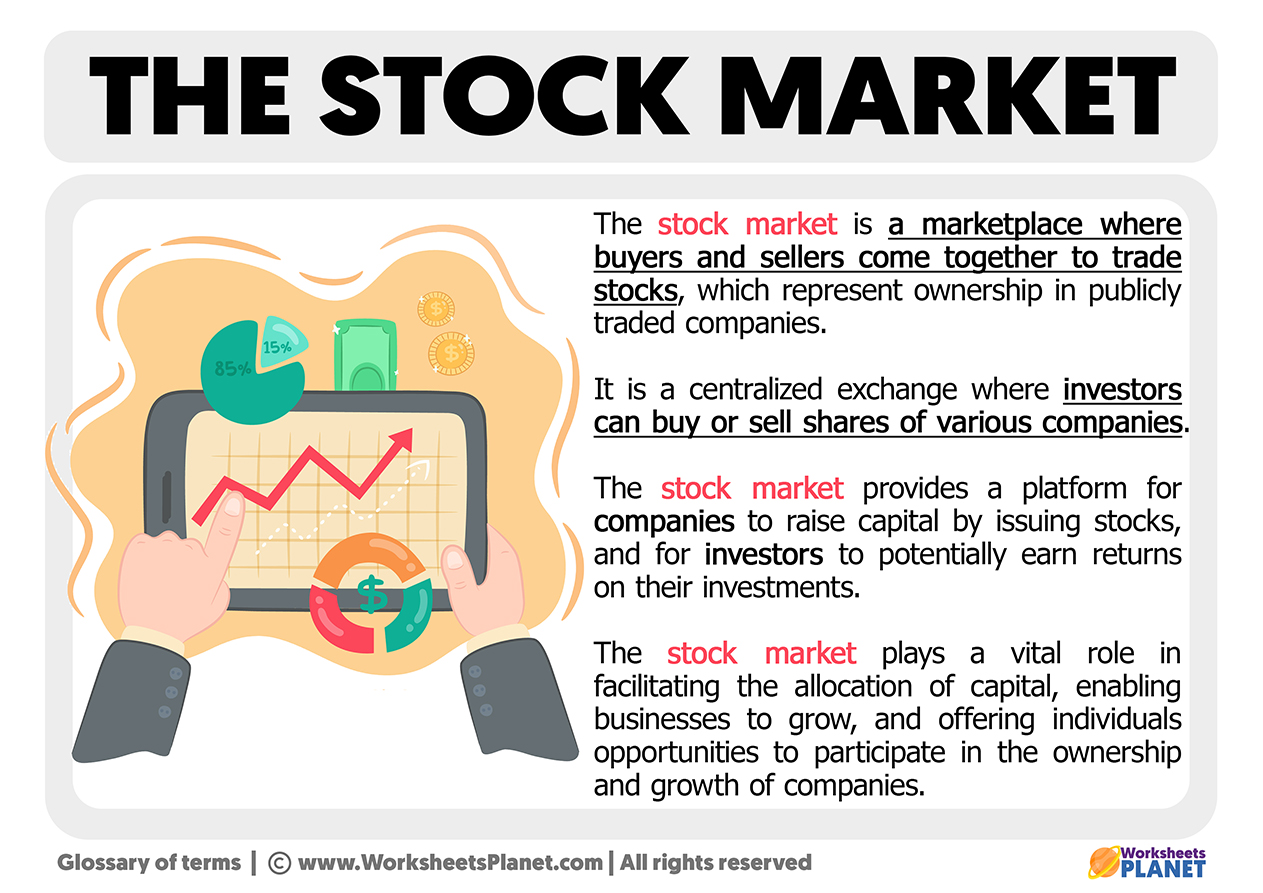
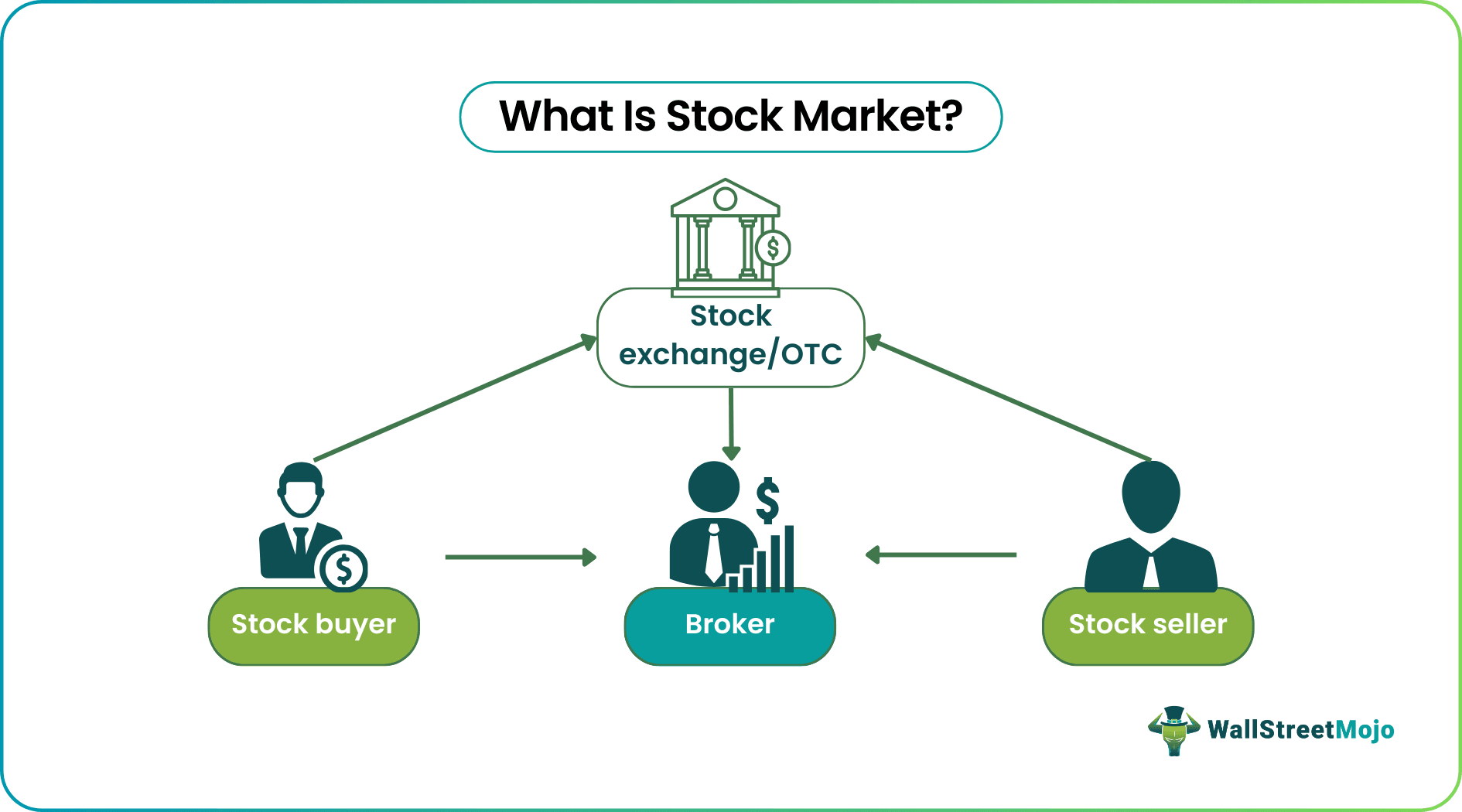
To understand the stock market, one must first understand what it represents: a decentralized network of exchanges where shares of publicly held companies are issued, bought, and sold. It functions as a vital component of a free-market economy, providing companies with access to capital in exchange for giving investors a piece of their future earnings.
What is a Stock?
A stock, also known as equity, is a security that represents ownership in a corporation. When you purchase a share of a company, you are essentially buying a small “slice” of that business. This ownership entitles you to a portion of the company’s assets and earnings. There are two primary types of stock: common and preferred. Common stock allows for potential capital appreciation and often grants voting rights at shareholder meetings. Preferred stock usually does not offer voting rights but provides a higher claim on assets and earnings, such as guaranteed dividends.
How Stock Exchanges Work (NYSE vs. NASDAQ)
Stocks are traded on exchanges, which act as secondary markets. The two most prominent exchanges in the United States are the New York Stock Exchange (NYSE) and the NASDAQ. The NYSE is a traditional “auction” market where traders meet on a floor to buy and sell, though most of its operations are now electronic. The NASDAQ is a “dealer” market, conducted entirely over a telecommunications network, and is historically known for hosting high-growth technology companies. These exchanges ensure liquidity, meaning they provide a platform where buyers and sellers can find each other quickly to execute trades at fair, transparent prices.
The Role of Publicly Traded Companies
A company “goes public” through an Initial Public Offering (IPO). This is the transition point where a private company decides to sell shares to the general public to raise significant capital for expansion, research, or debt repayment. Once a company is public, it is subject to rigorous regulatory oversight by bodies like the Securities and Exchange Commission (SEC). This transparency is a safeguard for investors, as it requires companies to disclose financial statements, executive compensation, and potential risks regularly.
Why Invest? The Power of Compounding and Capital Appreciation
Investing in the stock market is fundamentally different from saving money in a bank account. While a savings account offers security, the interest rates rarely keep pace with inflation. The stock market, despite its inherent risks, offers the potential for significantly higher returns over the long term.
Capital Gains vs. Dividends
Investors primarily make money through two avenues: capital gains and dividends. Capital gains occur when you sell a stock for more than you paid for it. For example, if you buy a share at $100 and sell it at $150, your capital gain is $50. Dividends, on the other hand, are a portion of a company’s profit distributed to shareholders, usually on a quarterly basis. Companies that are well-established and profitable often use dividends to reward loyal investors, providing a steady stream of passive income.
Beating Inflation through Equity Ownership
Inflation is the silent killer of purchasing power. If the cost of goods rises by 3% annually, your cash loses 3% of its value every year it sits idle. Historically, the stock market has returned an average of 7% to 10% annually (when adjusted for inflation and including reinvested dividends). By owning equities, you are owning “productive assets”—businesses that can raise their own prices to combat inflation—thereby protecting and growing your wealth’s real-world value.
The Concept of Risk and Reward
In the world of finance, risk and reward are inextricably linked. The potential for high returns comes with the risk of loss. Understanding your risk tolerance—how much market volatility you can handle without panicking—is essential. Diversification, or spreading your investments across various sectors and asset classes, is the primary tool used to mitigate risk. While individual stocks can go to zero, the market as a whole has historically trended upward over decades.
Navigating Market Dynamics: Bull Markets, Bear Markets, and Volatility

The stock market does not move in a straight line. It is influenced by a dizzying array of factors, from corporate earnings reports to geopolitical events. Understanding the “weather” of the market helps investors stay the course during turbulent times.
Understanding Market Cycles
Market movements are often categorized as “Bull” or “Bear” markets. A Bull Market is characterized by rising prices and investor optimism, often occurring during periods of economic expansion. Conversely, a Bear Market is defined by a decline of 20% or more from recent highs, usually accompanied by widespread pessimism and economic recession. These cycles are natural. Long-term investors recognize that Bear markets, while painful, are often the best times to buy quality assets at a discount.
The Impact of Economic Indicators
The stock market is a forward-looking mechanism; it reacts to what it thinks will happen in the future. Key economic indicators such as Interest Rates, Gross Domestic Product (GDP), and Unemployment rates play a massive role. For instance, when the Federal Reserve raises interest rates to combat inflation, borrowing becomes more expensive for companies, which can lead to lower profits and a cooling stock market. Conversely, low-interest rates typically stimulate corporate growth and drive stock prices higher.
Psychological Factors in Market Movement
While spreadsheets and data drive much of the market, human emotion is a powerful secondary force. Fear and greed often lead to market “bubbles” (where prices are irrationally high) or “crashes” (where prices are irrationally low). Behavioral finance teaches us that investors often feel the pain of a loss twice as intensely as the joy of a gain. Successful investing requires a “tempered temperament”—the ability to remain rational when the crowd is reacting emotionally.
Building a Diversified Portfolio for Long-Term Success
For most people, the goal of stock market participation is not to become a “day trader” but to build a robust portfolio that supports long-term goals like retirement or education funding.
Individual Stocks vs. ETFs and Mutual Funds
One of the first decisions an investor must make is whether to pick individual stocks or use “pooled” investment vehicles. Picking individual stocks requires deep research and time. For those who prefer a more “hands-off” approach, Exchange-Traded Funds (ETFs) and Mutual Funds are ideal. These funds allow you to buy a basket of hundreds or even thousands of stocks in a single transaction. An S&P 500 ETF, for example, gives you instant exposure to 500 of the largest companies in the U.S., providing built-in diversification.
Asset Allocation Strategies
Asset allocation is the process of deciding how much of your money goes into different categories, such as domestic stocks, international stocks, bonds, and cash. A younger investor might have a 90% stock and 10% bond allocation to maximize growth over decades. An investor nearing retirement might shift to a 60/40 split to preserve capital and reduce volatility. This balance is the most significant factor in determining your portfolio’s overall risk and return profile.
The Importance of Rebalancing
Over time, certain investments will outperform others, causing your portfolio to become lopsided. If your target was 70% stocks and they perform exceptionally well, they might grow to represent 85% of your portfolio. This increases your risk. Rebalancing is the practice of periodically selling some of your “winners” and buying more of the underperforming assets to return to your original target. This disciplined approach forces you to “buy low and sell high” automatically.
Modern Tools and Strategies for the Informed Investor
The digital age has democratized the stock market. In the past, trading was expensive and reserved for the wealthy. Today, anyone with a smartphone can participate in the global economy.
Fundamental vs. Technical Analysis
There are two main schools of thought in evaluating stocks. Fundamental Analysis involves looking at a company’s financial health, including its revenue, profit margins, and competitive advantage. Technical Analysis, on the other hand, focuses on price movements and chart patterns to predict future trends. While technical analysis is popular among short-term traders, long-term investors generally rely on fundamental analysis to ensure they are buying quality businesses at reasonable prices.
The Rise of Fractional Shares and Zero-Commission Trading
Technology has removed the barriers to entry. Many modern brokerages now offer fractional shares, meaning if a single share of a company costs $3,000, you can still invest $5 into it. Furthermore, the industry-wide shift toward zero-commission trading means that your small investments aren’t being eaten away by transaction fees. These tools have made it possible for anyone, regardless of income level, to start their investment journey.
Developing a Disciplined Investment Plan
The most successful investors are not those with the best “tips,” but those with the most discipline. Strategies like Dollar-Cost Averaging (DCA)—where you invest a fixed amount of money at regular intervals regardless of the price—remove the guesswork and the stress of “timing the market.” By consistently contributing to a diversified portfolio and maintaining a long-term horizon, you harness the full power of the stock market to build lasting wealth and financial security.
aViewFromTheCave is a participant in the Amazon Services LLC Associates Program, an affiliate advertising program designed to provide a means for sites to earn advertising fees by advertising and linking to Amazon.com. Amazon, the Amazon logo, AmazonSupply, and the AmazonSupply logo are trademarks of Amazon.com, Inc. or its affiliates. As an Amazon Associate we earn affiliate commissions from qualifying purchases.