
The stock market, often depicted in news headlines and financial reports, is far more than just a collection of numbers fluctuating on a screen. At its core, it is a sophisticated ecosystem integral to modern economies, serving as a critical mechanism for wealth creation, capital formation, and economic development. Understanding its definition requires delving into its fundamental purpose, its key participants, and the intricate mechanics that govern its operations.
The Fundamental Concept of the Stock Market
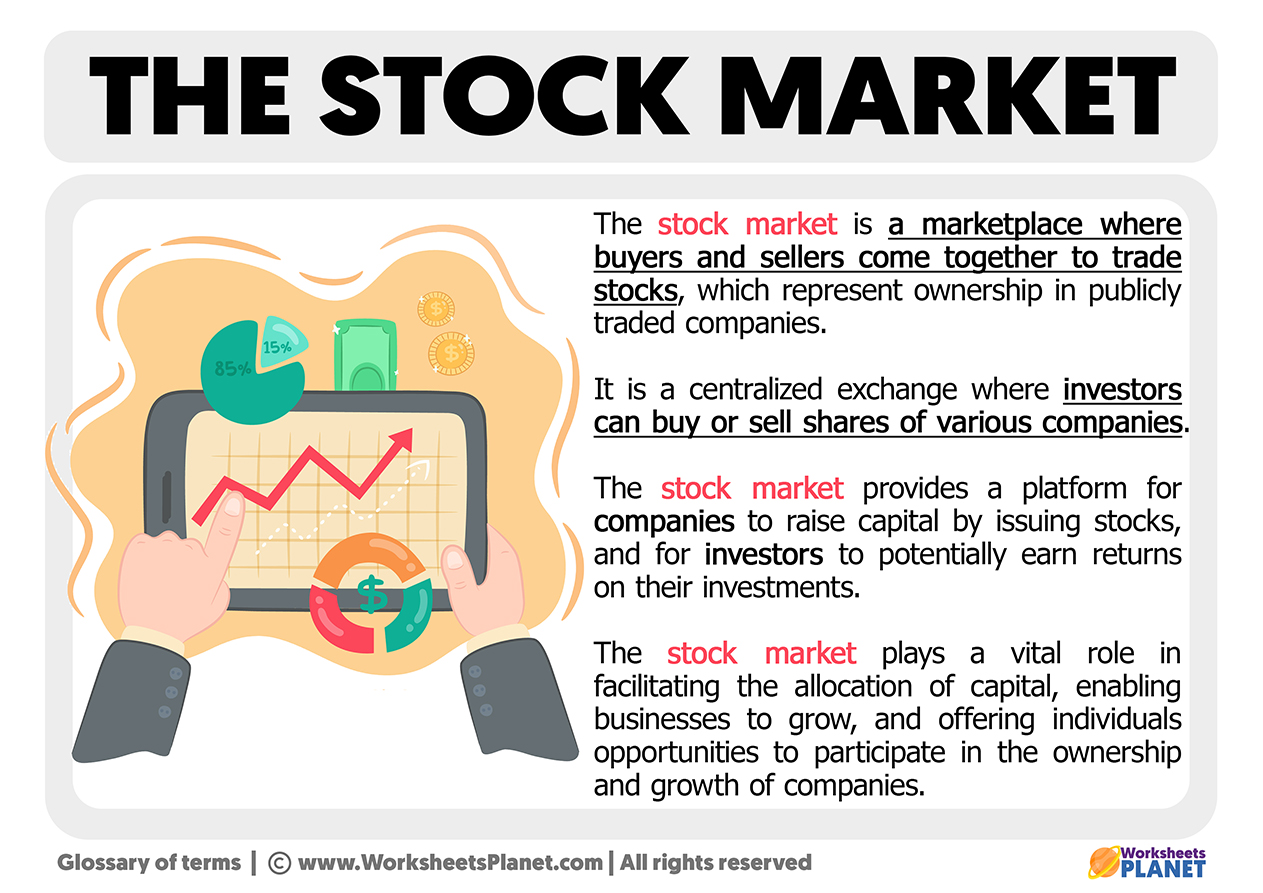
Fundamentally, the stock market is a global network of exchanges and markets where publicly traded companies issue and trade shares of their ownership. It is not a single physical location but rather a vast, interconnected digital and sometimes physical infrastructure where buyers and sellers meet to transact. The primary function of this market is twofold: to facilitate capital raising for businesses and to provide investment opportunities for individuals and institutions.
A Marketplace for Equities
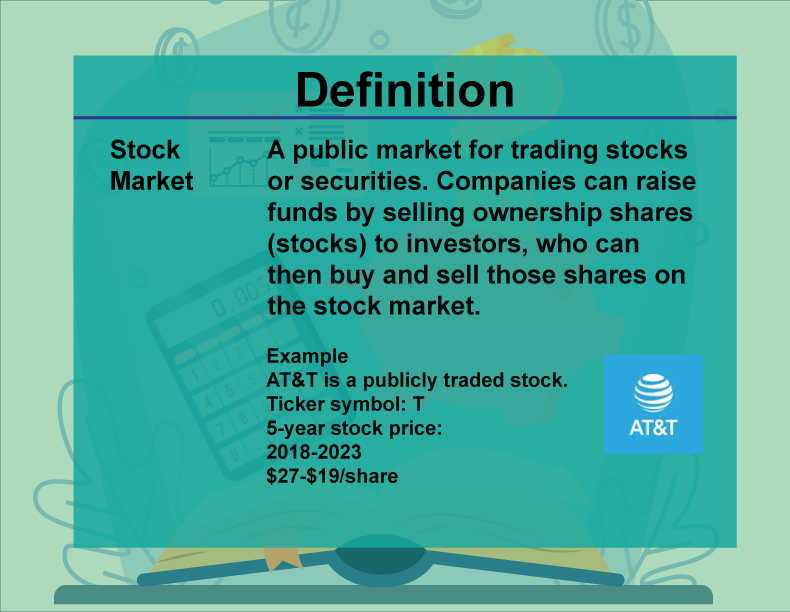
When a company decides to “go public,” it offers shares of its ownership to investors in exchange for capital. These shares, known as stocks or equities, represent a fractional claim on the company’s assets and earnings. The stock market provides the organized framework for these transactions. It allows anyone – from an individual investor saving for retirement to a large institutional fund managing billions – to buy or sell these ownership stakes. This constant buying and selling determines the price of a company’s shares, reflecting market sentiment, corporate performance, and broader economic conditions.
Facilitating Capital Formation and Investment
For companies, the stock market is a vital source of funding. By issuing shares, businesses can raise substantial amounts of capital without incurring debt. This capital can be deployed for expansion, research and development, acquisitions, or to pay down existing liabilities, fueling innovation and job creation. Without access to public markets, many companies would struggle to finance ambitious growth initiatives.
For investors, the stock market offers a primary avenue for wealth accumulation. By purchasing stocks, investors hope to benefit from two main sources of return: capital appreciation (when the stock’s price increases) and dividends (a portion of the company’s profits distributed to shareholders). It allows individuals to participate in the growth of successful companies and, over the long term, build significant financial assets that can outpace inflation and other traditional savings vehicles.
Primary vs. Secondary Markets
The stock market is broadly divided into two segments: the primary market and the secondary market. The primary market is where companies first issue new stocks to the public, typically through an Initial Public Offering (IPO). This is where the company directly receives funds from investors. Once these shares are issued, they begin trading on the secondary market, which is what most people refer to when they talk about the “stock market.” In the secondary market, investors trade existing shares among themselves, and the issuing company does not directly receive any funds from these subsequent transactions. The secondary market’s efficiency and liquidity are crucial, as they assure investors that they can sell their shares when needed, making primary market investments more attractive.
Key Participants and Their Roles
The functionality of the stock market relies on a diverse range of participants, each playing a critical role in its operation and integrity.
Companies (Issuers)
These are the entities that issue stocks to raise capital. Whether they are established multinational corporations or rapidly growing startups, companies leverage the stock market to fund their strategic objectives. Their performance, governance, and future prospects directly influence investor interest and stock prices.
Investors (Buyers and Sellers)
Investors are the lifeblood of the market, providing the capital that companies need and seeking returns on their investments. They can be broadly categorized:
- Individual Investors (Retail Investors): Everyday people who invest their personal savings, often for long-term goals like retirement, home purchase, or education.
- Institutional Investors: Large organizations such as mutual funds, pension funds, hedge funds, insurance companies, and university endowments. These entities manage vast sums of money on behalf of their clients or beneficiaries and often exert significant influence on market trends due to their trading volume. Their motivations range from long-term capital appreciation to short-term speculative gains or income generation.
Brokers and Exchanges
Stock exchanges are the organized marketplaces where securities are listed and traded. Examples include the New York Stock Exchange (NYSE), Nasdaq, the London Stock Exchange (LSE), and the Tokyo Stock Exchange (TSE). These exchanges provide the infrastructure, rules, and regulatory oversight for orderly trading. They ensure transparency, facilitate price discovery, and guarantee the execution of trades.
Brokers act as intermediaries between investors and the exchanges. Individual and institutional investors cannot directly trade on an exchange; they must go through a licensed brokerage firm. Brokers execute buy and sell orders on behalf of their clients, often providing research, advisory services, and access to various financial instruments.
Regulators
Government bodies and self-regulatory organizations play a vital role in overseeing the stock market to protect investors, maintain fair and efficient markets, and mitigate systemic risks. In the United States, the Securities and Exchange Commission (SEC) is the primary federal agency responsible for enforcing securities laws. Similar bodies exist globally, ensuring market integrity and preventing fraudulent practices.
Mechanics of Stock Trading
Understanding how stocks are bought and sold is crucial to grasping the stock market’s definition and function.
Understanding Stock Ownership
When you buy a stock, you become a part-owner of the company, holding “shares” of its equity. This ownership typically comes with certain rights, such as voting rights on corporate matters (like electing board members) and a claim on the company’s earnings and assets. The more shares you own, the larger your proportional claim and voting power. However, it’s important to distinguish between owning shares and directly controlling the company’s day-to-day operations, which is the purview of management.
How Prices are Determined
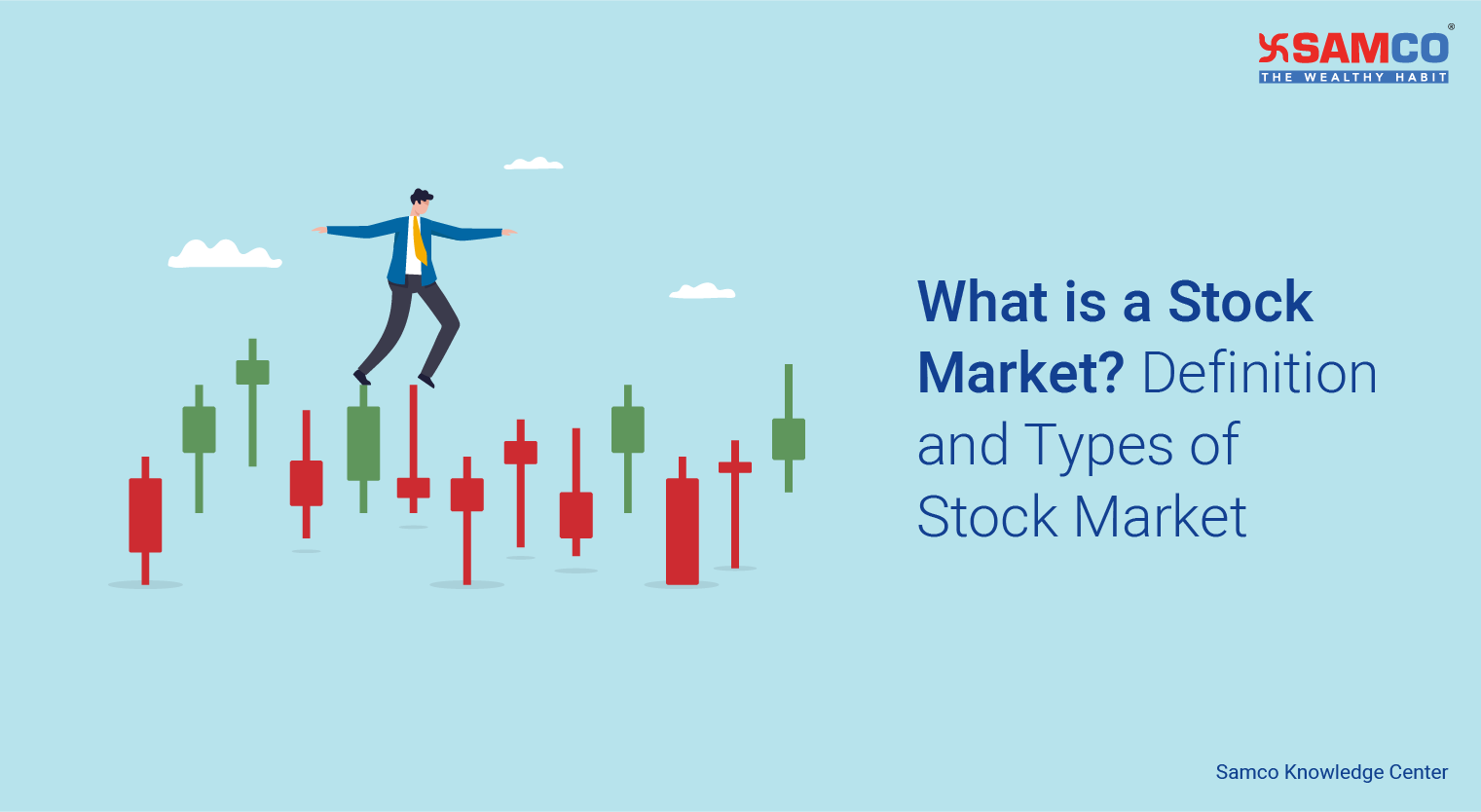
Stock prices are fundamentally driven by the forces of supply and demand. If more investors want to buy a particular stock than sell it, its price tends to rise. Conversely, if more investors want to sell than buy, the price tends to fall. This dynamic is influenced by a multitude of factors:
- Company Performance: Earnings reports, revenue growth, product launches, and management changes directly impact investor perception of a company’s future profitability.
- Economic News: Interest rate changes, inflation data, employment figures, and GDP growth affect the overall economic outlook, influencing investor confidence across the board.
- Industry Trends: Sector-specific news, technological advancements, or regulatory changes can significantly impact companies within a particular industry.
- Market Sentiment: Investor psychology, fear, and greed can sometimes lead to irrational exuberance or panic selling, causing short-term price volatility.
Types of Orders
Investors use different types of orders to execute trades:
- Market Order: An instruction to buy or sell a stock immediately at the best available current price. This guarantees execution but not a specific price.
- Limit Order: An instruction to buy or sell a stock at a specified price or better. This guarantees the price but not necessarily the execution if the market doesn’t reach that price.
These orders, alongside others like stop orders, allow investors to manage risk and target specific entry or exit points.
Indices and Benchmarks
Stock market indices are portfolios of stocks designed to represent a specific segment of the market or the market as a whole. Examples include the S&P 500 (representing 500 large U.S. companies), the Dow Jones Industrial Average (30 large U.S. companies), and the Nasdaq Composite (primarily technology and growth stocks). These indices serve as benchmarks against which investors measure the performance of their own portfolios and gauge the overall health and direction of the stock market. They are not directly investable themselves, but many financial products, such as index funds and ETFs, track their performance.
Why the Stock Market Matters for Individuals and the Economy
The stock market’s significance extends beyond mere trading, impacting both individual financial well-being and the broader economic landscape.
Wealth Creation and Long-Term Growth
For individuals, investing in the stock market has historically been one of the most effective ways to build wealth over the long term. Equities have demonstrated a greater potential for returns compared to other asset classes like bonds or savings accounts, especially when considering the effects of inflation. Through the power of compounding, even modest initial investments can grow substantially over decades, contributing significantly to retirement savings, educational funds, and other major life goals. It democratizes access to corporate profits and growth, allowing everyday people to benefit from economic progress.
Economic Barometer
The performance of the stock market is often considered a leading economic indicator. While not always perfectly accurate, a rising stock market generally reflects investor optimism about future corporate earnings and economic growth, while a declining market can signal concerns about a recession or corporate profitability. The market’s overall trajectory can influence consumer and business confidence, impacting spending, investment, and hiring decisions. It serves as a real-time reflection of global economic sentiment and the collective wisdom of millions of investors.
Liquidity and Efficiency
The stock market provides unparalleled liquidity for investors. Unlike real estate or private businesses, publicly traded shares can be bought and sold relatively quickly and easily, typically within seconds or minutes during market hours. This liquidity is crucial because it gives investors the confidence that they can access their capital when needed, making long-term investments more palatable. The efficiency of the market, driven by electronic trading and transparent pricing, ensures fair transactions and competitive pricing.
Diversification and Risk Management
For a well-rounded financial portfolio, stocks play a critical role in diversification. While they carry inherent risks, combining them with other asset classes like bonds, real estate, and commodities can help mitigate overall portfolio risk. Different asset classes perform differently under various economic conditions, and a diversified approach aims to smooth out returns and reduce volatility. The stock market offers a vast universe of options across sectors, geographies, and company sizes, allowing investors to tailor their risk exposure and align investments with their financial goals.
Risks and Rewards of Stock Market Participation
Participating in the stock market comes with both significant potential rewards and inherent risks. A balanced understanding of both is essential for any investor.
Potential for Significant Returns
Historically, the stock market has offered impressive long-term returns, outperforming many other investment vehicles. Companies that innovate, grow their market share, and generate strong profits can see their stock prices appreciate dramatically, leading to substantial gains for shareholders. Dividends also provide a regular income stream, further enhancing overall returns. This potential for capital appreciation and income generation makes stocks a cornerstone of many long-term financial plans.
Inherent Risks
Despite its allure, the stock market is not without peril. Investors face several risks:
- Market Volatility: Stock prices can fluctuate wildly in the short term due to news events, economic data, or shifts in investor sentiment.
- Systematic Risk (Market Risk): The risk that the entire market will decline, regardless of the performance of individual companies. This cannot be diversified away.
- Unsystematic Risk (Company-Specific Risk): The risk associated with a specific company, such as poor management decisions, product failures, or competitive threats. This can be mitigated through diversification.
- Loss of Capital: It is possible to lose some or even all of your invested capital, especially if investing in highly speculative stocks or during severe market downturns.
- Inflation Risk: While stocks generally outperform inflation, unexpected surges in inflation can erode the purchasing power of future returns.
Importance of Research and Due Diligence
To navigate these risks and maximize rewards, thorough research and due diligence are paramount. This involves:
- Fundamental Analysis: Evaluating a company’s financial health, management quality, competitive landscape, and industry outlook to determine its intrinsic value.
- Technical Analysis: Studying past market data, primarily price and volume, to identify patterns and predict future price movements.
- Understanding Your Risk Tolerance: Assessing how much financial risk you are comfortable taking based on your financial situation, investment goals, and time horizon.
The Role of Diversification
Diversification is a critical strategy for managing risk in the stock market. By spreading investments across different companies, industries, geographic regions, and asset classes, investors can reduce the impact of any single poor-performing investment on their overall portfolio. For example, owning stocks in technology, healthcare, and consumer goods companies means that a downturn in one sector might be offset by strength in another. This doesn’t eliminate risk entirely but helps to manage and mitigate it, leading to a more stable and resilient investment journey.
In conclusion, the stock market is a complex yet indispensable financial institution that facilitates capital allocation, drives economic growth, and offers individuals a powerful tool for wealth creation. Its definition encompasses its role as a marketplace, a funding mechanism, and a barometer of economic health, all underpinned by the interplay of diverse participants and a set of established rules and regulations. A clear understanding of its functions, risks, and rewards is the first step toward informed financial decision-making and successful participation.
aViewFromTheCave is a participant in the Amazon Services LLC Associates Program, an affiliate advertising program designed to provide a means for sites to earn advertising fees by advertising and linking to Amazon.com. Amazon, the Amazon logo, AmazonSupply, and the AmazonSupply logo are trademarks of Amazon.com, Inc. or its affiliates. As an Amazon Associate we earn affiliate commissions from qualifying purchases.