
In the competitive landscape of professional sports and high-intensity physical training, protecting the “human asset”—the athlete—is a paramount business strategy. When an athlete suffers a “stinger,” the implications extend far beyond the immediate physiological trauma. For team managers, sports organizations, and athletic brands, a stinger represents a disruption in operational continuity, a potential liability in brand reputation, and a critical variable in human capital management. Understanding this injury is not merely a medical necessity; it is a fundamental component of professional sports risk management and brand protection.
The Anatomy of a Stinger: A Tactical Breakdown
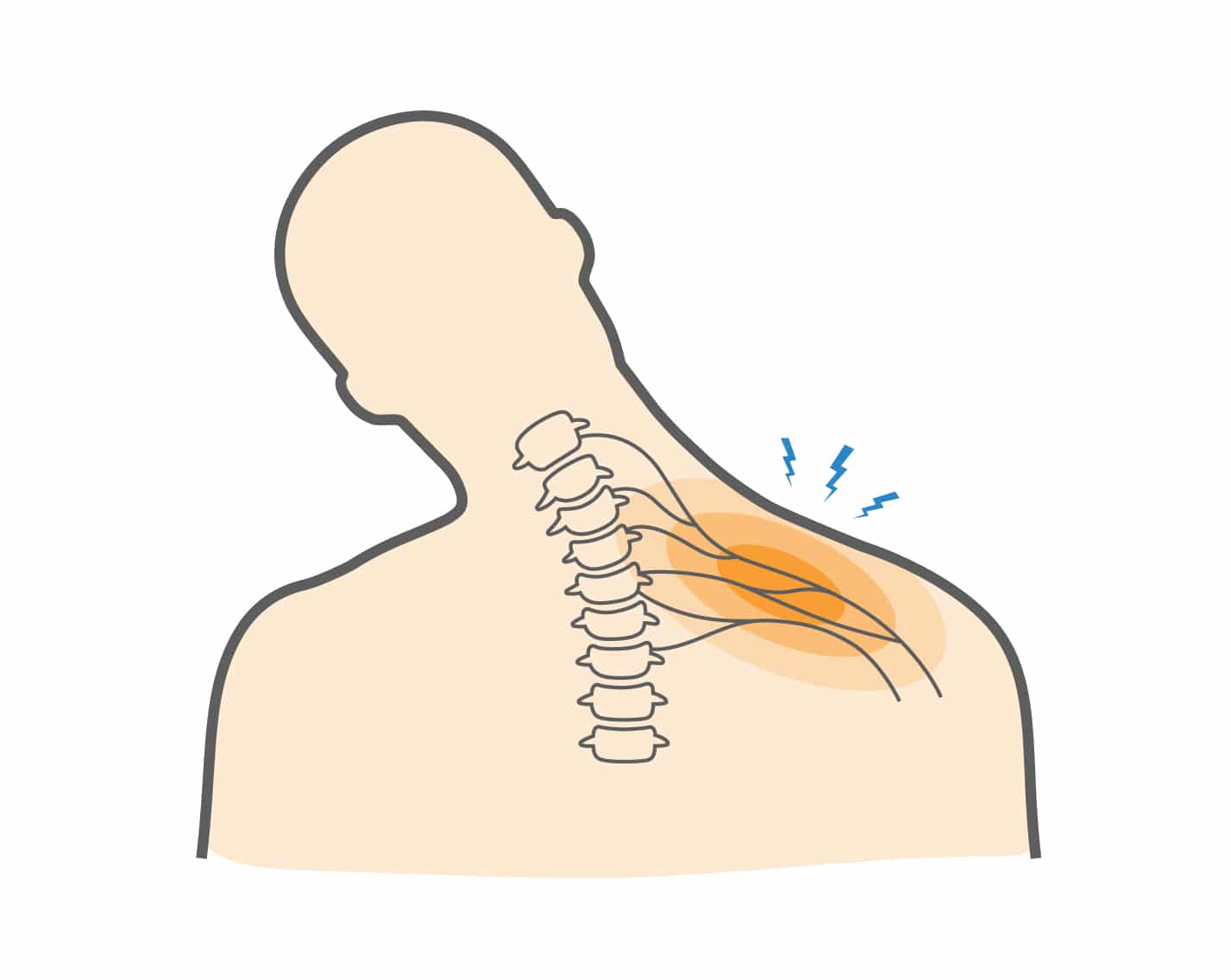
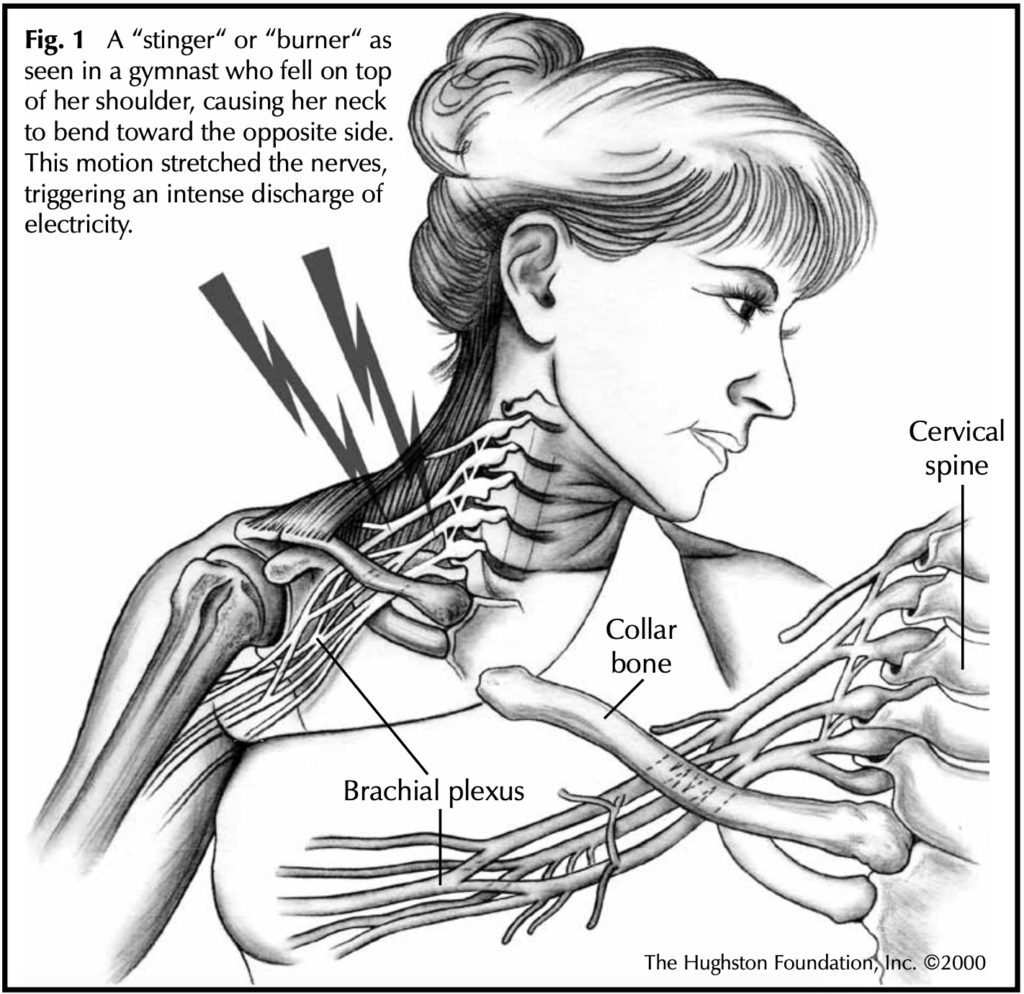
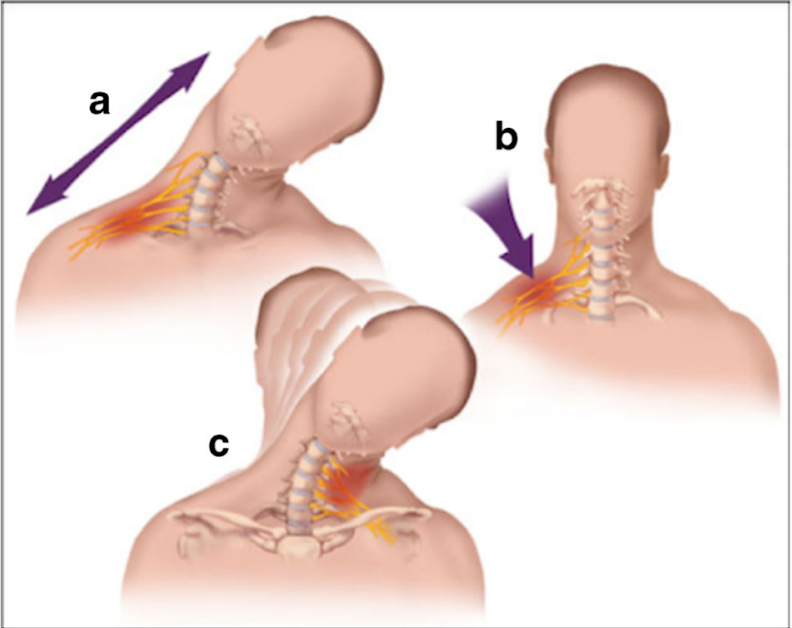
A stinger, clinically known as a brachial plexus injury or a transient neuropraxia, is a nerve-related trauma that manifests as a sharp, burning pain, numbness, or tingling radiating down one arm. It typically occurs following a collision that forces the head to one side while the shoulder is pushed in the opposite direction. This action stretches or compresses the brachial plexus—the complex network of nerves originating from the spinal cord in the neck and branching into the shoulder, arm, and hand.
Mechanisms of Nerve Compression
The injury occurs when the nerve roots are compromised. This is a common occurrence in contact sports like football, rugby, and mixed martial arts. From a high-performance perspective, this is a “system failure.” When the nerve is stretched or pinched, it momentarily stops sending signals correctly. This leads to the characteristic symptoms that can last from a few seconds to several minutes, or in more severe cases, days or weeks.
The Role of Cervical Anatomy
Individual anatomical predispositions, such as cervical stenosis (a narrowing of the spinal canal), can make an athlete more susceptible to these injuries. For athletic organizations, screening for these conditions is a form of “due diligence” that mitigates the risk of long-term disability and ensures that the brand—the athlete—is performing in an environment that prioritizes their safety and longevity.
Implications for Personal Branding and Career Longevity
For an elite athlete, the body is the brand. A stinger injury is not just a health issue; it is a threat to the marketability and future earnings of the individual. When a brand relies on the physical presence of a star player, any downtime directly impacts endorsement deals, contract negotiations, and overall team value.
Managing the Narrative of Vulnerability
When a marquee athlete suffers a stinger, the public relations strategy becomes critical. The transparency with which the injury is disclosed and the roadmap for recovery is communicated can either bolster or damage the athlete’s professional identity. Strategic communication focuses on the “recovery protocol” rather than the “injury vulnerability,” shifting the narrative from a weakness to a managed, controlled medical process.
Mitigating Professional Risk
The long-term value of an athlete is tied to their physical resilience. Frequent stinger injuries can lead to questions regarding a player’s durability, which can affect their draft stock or market value. Professional branding strategies now include comprehensive medical data management and injury-prevention coaching, positioning the athlete as a professional who manages their career with the same rigor as a corporate executive manages a high-stakes investment portfolio.
Institutional Risk Management: Protecting Human Capital
Organizations that invest millions in athletes must treat injury prevention as a core business function. A stinger is a manageable risk if addressed through proper conditioning, equipment upgrades, and rigid adherence to medical protocols. Failing to do so exposes the organization to legal liabilities and public scrutiny.
Equipment and Technological Integration
Modern sports technology has revolutionized how we address the risks of nerve injuries. Advanced helmet design, shoulder pad ergonomics, and wearable biometric trackers that monitor neck strength and posture are essential tools in the modern athletic arsenal. Integrating this technology is a strategic investment in protecting the organization’s most valuable assets. By investing in the latest safety software and hardware, teams demonstrate a commitment to duty of care that enhances the team’s institutional brand.
The Financial Cost of Rehabilitation
The direct and indirect costs of injury rehabilitation are significant. These costs include specialized physical therapy, lost practice time, and the replacement value of an injured starter. Effective management of a stinger—ensuring the player is not returned to the field prematurely—is vital. A “quick fix” approach that leads to re-injury can be catastrophic for the team’s performance and financial health. A patient, data-driven approach to recovery is the mark of a sophisticated sports organization.
Strategic Prevention: Building Resilient Assets
Prevention is the ultimate strategy for protecting the integrity of the athlete and the team. By focusing on neck strength, proprioception, and proper contact technique, organizations can drastically reduce the incidence of stingers, thereby preserving their human capital and maintaining operational efficiency throughout a grueling season.
The Business Case for Proactive Conditioning
Investing in strength and conditioning programs that emphasize the stabilization of the cervical spine is a cost-effective way to prevent catastrophic injuries. From a business finance perspective, the ROI of a robust training program is realized in the decreased medical expenses and the increased number of games played by key personnel. Every session dedicated to neck strengthening is an insurance policy against the disruption caused by nerve injuries.
Cultivating a Culture of Safety
A brand’s corporate identity is shaped by its internal culture. An organization that prioritizes the health of its players creates a “player-first” environment, which is highly attractive to talent. This positive culture, in turn, acts as a competitive advantage. When the best players in the world know that an organization is committed to scientific, medical, and technological excellence in preventing and managing injuries like stingers, that organization becomes a destination of choice.
Conclusion: The Holistic Approach to Athletic Value
The stinger injury serves as a microcosm for the intersection of health, career longevity, and business strategy in the world of professional sports. It is not enough for an athlete or an organization to simply perform; they must protect the infrastructure that allows for that performance. By viewing the prevention and management of nerve injuries through a professional, strategic lens, stakeholders can mitigate risk, protect the integrity of the athlete’s brand, and ensure sustainable success in an increasingly competitive environment. The management of physical trauma is, at its core, the management of professional opportunity. As technology advances and sports medicine evolves, the organizations that excel will be those that integrate medical expertise into their overarching business and brand strategy, ensuring that their assets are not only high-performing but also durable, resilient, and enduring in the public eye.
aViewFromTheCave is a participant in the Amazon Services LLC Associates Program, an affiliate advertising program designed to provide a means for sites to earn advertising fees by advertising and linking to Amazon.com. Amazon, the Amazon logo, AmazonSupply, and the AmazonSupply logo are trademarks of Amazon.com, Inc. or its affiliates. As an Amazon Associate we earn affiliate commissions from qualifying purchases.