
Stigma in mental health is more than just a societal challenge; it is a profound and pervasive branding crisis that dictates how individuals, organizations, and the collective public perceive, interact with, and ultimately value mental well-being. At its core, stigma is a mark of disgrace associated with a particular circumstance, quality, or person. When applied to mental health, it morphs into a complex web of prejudice, discrimination, and negative stereotypes that not only label individuals but also tarnish the very concept of mental wellness in the public consciousness. This isn’t merely an issue of awareness; it’s a monumental branding challenge, requiring deliberate strategies to reshape narratives, redefine identities, and rebuild trust.
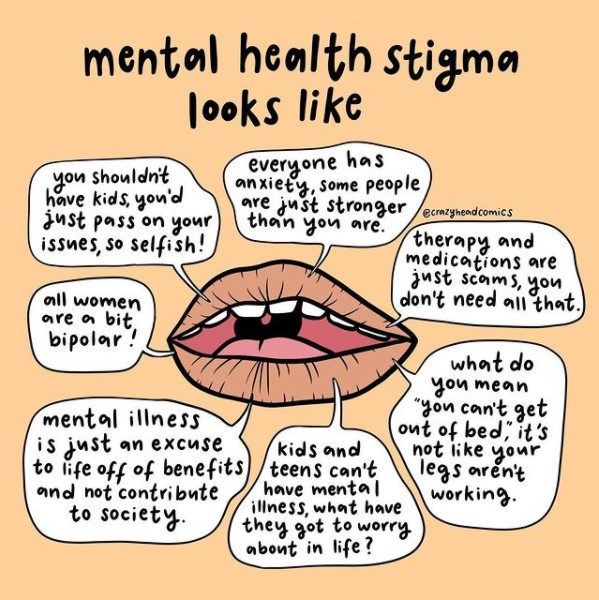
The “brand” of mental illness has been historically crafted by misinformation, fear, and cultural insensitivity, leading to a public perception that often equates conditions like depression, anxiety, or bipolar disorder with weakness, unpredictability, or even danger. This distorted brand identity has severe repercussions, influencing everything from an individual’s willingness to seek help to a corporation’s readiness to invest in employee mental health initiatives. To truly understand stigma is to recognize it as a deeply entrenched branding problem that demands a strategic, multi-faceted approach to rebranding mental health for a modern, empathetic society.
The Branding Challenge of Mental Health Stigma
The inherent nature of mental health stigma presents formidable challenges that resonate deeply within the realm of branding. It dictates public perception, influences the “market value” of mental health services, and shapes the brand identity of those living with mental health conditions.
Distorted Narratives and Negative Brand Associations
For centuries, mental health conditions have been shackled by distorted narratives that have effectively ‘branded’ them with fear, shame, and misunderstanding. Historical depictions often sensationalized or demonized mental illness, cementing negative associations in the collective psyche. This historical baggage has created a powerful, pervasive negative brand image for anything related to mental health. For instance, the terms “crazy” or “lunatic” carry immense weight, instantly conjuring images of unpredictability and instability, effectively serving as pejorative brand labels that prevent rational discussion and empathy.
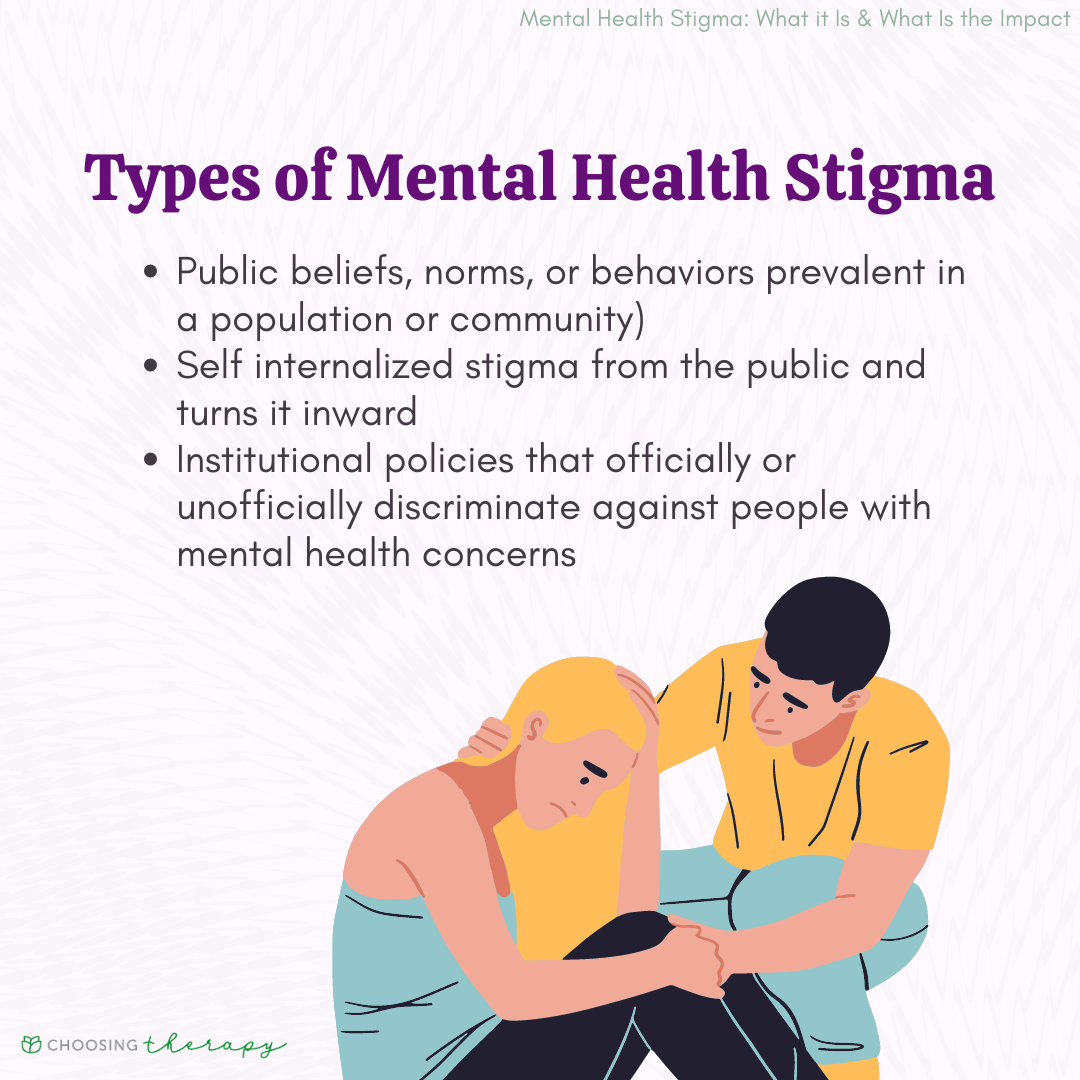
The “invisible illness” paradox further complicates this branding challenge. Unlike physical ailments with visible markers, mental health conditions often lack external signs, making them harder to “market” for understanding and support. This invisibility ironically contributes to skepticism and dismissal, as the ‘brand’ of suffering is not immediately apparent, leading to judgments that individuals are “making it up” or “just need to snap out of it.” On a personal level, individuals internalize these societal brand messages, leading to self-stigma. They may begin to see themselves through the lens of these negative stereotypes, damaging their own personal brand and self-worth, and making them reluctant to disclose their struggles or seek professional help for fear of being branded “damaged” or “incompetent.” This directly impacts their professional persona, social standing, and overall quality of life.
Eroding Trust and Inhibiting Engagement
The negative brand associations surrounding mental health have a direct and corrosive effect on trust, particularly concerning seeking help. The “brand” of therapy or psychiatric care, for many, is still unfortunately linked to extreme illness, weakness, or even failure, rather than being perceived as a proactive tool for holistic wellness and personal growth. This misbranding creates a significant barrier to engagement; people are hesitant to “buy into” mental health support when its public brand identity is so heavily weighted with negative connotations.
Moreover, this erosion of trust extends to institutional and corporate brands. Companies might be reluctant to openly champion mental health initiatives, fearing that such an association could negatively impact their corporate brand perception – perhaps suggesting a workforce riddled with problems, or making them seem “soft.” The fear of being associated with the perceived ‘burden’ of mental health issues leads many organizations to either downplay their efforts or approach them with extreme caution, thereby perpetuating the silence and further entrenching the stigma. This inhibits the development of a supportive workplace brand where employees feel safe and empowered to address their mental well-being. The inability to openly discuss and address mental health creates an environment where people suffer in silence, further reinforcing the brand of mental health as something to be hidden or ashamed of.
Crafting a New Brand Identity for Mental Wellness
Overcoming the deeply ingrained stigma surrounding mental health necessitates a deliberate and strategic rebranding effort. This involves not just changing what we say, but fundamentally shifting how we conceive, present, and interact with mental wellness.
Reframing the Narrative: From Illness to Empowerment
A pivotal step in rebranding mental health is to consciously shift the dominant narrative from one of illness and deficit to one of empowerment, resilience, and proactive well-being. This requires a concerted effort in strategic communication, leveraging positive language and compelling storytelling. Instead of focusing solely on symptoms and suffering, the new brand narrative should highlight recovery journeys, the strength found in vulnerability, and the universal human experience of navigating emotional challenges. We need to market mental health support as a cornerstone of overall personal and professional excellence, akin to physical fitness or financial literacy.
The role of public figures, influencers, and community leaders in “personal branding” their mental health journeys is crucial here. When respected individuals openly share their experiences with mental health conditions, it challenges stereotypes, humanizes the issue, and offers relatable narratives of resilience. This personal branding strategy normalizes seeking help and encourages others to view mental health support not as a sign of weakness, but as a proactive step towards self-care and personal growth. It builds a collective brand identity for mental health rooted in strength and proactive management, rather than reactive crisis.
Strategic Communication and Authentic Messaging
Successful rebranding hinges on consistent, empathetic, and inclusive communication strategies. For organizations, this means moving beyond generic statements to develop authentic messaging that genuinely reflects a commitment to mental well-being. This involves crafting a compelling brand message that positions mental health as an integral part of holistic human experience, rather than an isolated problem. Marketing mental health support should be akin to promoting other wellness initiatives – emphasizing benefits like enhanced productivity, improved relationships, and overall life satisfaction.
Case studies of brands that successfully integrate mental health advocacy into their corporate identity can serve as powerful exemplars. Companies that foster cultures of psychological safety, offer robust support systems, and openly communicate about mental wellness become employer brands of choice. Their commitment to mental health becomes part of their unique selling proposition, attracting talent and building customer loyalty. This authentic messaging goes beyond mere CSR; it demonstrates a core brand value, showing that the organization understands and supports the human condition in its entirety.
The Role of Personal Branding in Destigmatization
In the fight against mental health stigma, individual voices carry immense power. Personal branding, when leveraged authentically, can be a transformative force, directly challenging ingrained stereotypes and fostering empathy on a grassroots level.
Leading by Example: Sharing Personal Stories
The act of openly sharing one’s personal story about mental health is a potent form of personal branding that directly counters stigma. When individuals, particularly those in visible positions, choose to be vulnerable about their struggles, recovery, and coping mechanisms, they create a powerful counter-narrative to the prevailing negative brand of mental illness. This humanizes the experience, making it relatable and reducing the sense of isolation often felt by those suffering in silence. A strong, authentic personal brand built on honesty and courage can inspire others, serving as a beacon of hope and demonstrating that mental health challenges are a part of life, not a definitive label of inadequacy.
However, navigating the line between vulnerability and professional reputation requires careful consideration. Individuals must strategically manage their personal brand, deciding what to share, how to frame their narrative, and with whom. The goal is to inform and inspire, not to elicit pity or jeopardize professional standing. This calls for thoughtful communication that frames experiences in terms of growth, learning, and resilience, thereby strengthening one’s personal brand as a capable and insightful individual who happens to manage a mental health condition.
Building Communities and Advocacy Through Brand Voice
The collective power of many personal brands advocating for mental health can create a seismic shift in societal perception. Digital platforms, in particular, offer unprecedented opportunities to amplify diverse voices and build supportive online communities around mental wellness. Individuals using social media to share their experiences, offer peer support, and educate others are effectively creating micro-brands and macro-communities that challenge stigma. These digital spaces allow for the formation of collective brand voices that resonate far wider than any single individual.
Through consistent messaging and shared values, these communities become powerful advocacy platforms, pushing for policy changes, promoting understanding, and creating a sense of belonging. The collective brand identity of these groups fosters a supportive environment where individuals feel safe to explore their mental health without fear of judgment. This phenomenon illustrates how the aggregation of authentic personal brands can collectively rebrand mental health as a shared human experience, fostering empathy and driving systemic change.
Corporate Branding and the Business Case for Mental Health
For businesses, integrating mental wellness into corporate branding is no longer a peripheral HR concern but a strategic imperative that underpins talent attraction, employee retention, and overall organizational resilience.
Integrating Mental Wellness into Corporate Identity
An organization’s commitment to mental health should be authentically woven into its very corporate identity, culture, and external brand messaging. This means going beyond offering an EAP (Employee Assistance Program) to actively fostering a workplace environment where mental health is openly discussed, supported, and prioritized. Employee well-being, including mental well-being, has emerged as a critical component of employer branding. Companies that proactively champion mental health become more attractive to top talent, demonstrating a genuine care for their people and cultivating a reputation as a compassionate and progressive employer.
This shift involves evolving from reactive support for employees in crisis to proactive initiatives that promote mental wellness for everyone. It includes training leaders to recognize signs of distress, offering flexible work arrangements, and destigmatizing conversations about stress and burnout. When these practices are embedded in the organizational fabric, they reinforce a positive corporate brand identity that resonates both internally with employees and externally with clients and partners, signaling a brand that values its human capital above all.

Measuring Impact and Demonstrating Brand Value
The business case for mental health support is increasingly undeniable. While often framed in terms of cost savings from reduced absenteeism and presenteeism, the true return on investment (ROI) extends far beyond these metrics, significantly enhancing brand value. A strong mental health brand contributes positively to corporate social responsibility (CSR), improving public perception and strengthening stakeholder relationships. Companies that transparently communicate their efforts and outcomes in mental wellness demonstrate leadership and a commitment to societal well-being, enhancing their overall brand reputation.
Brand metrics that can demonstrate the value of mental health initiatives include improved employee engagement scores, positive feedback on employer review sites like Glassdoor, and favorable media sentiment regarding corporate mental health programs. Investing in mental wellness is not just about doing good; it’s about smart business. It leads to a more engaged, productive, and loyal workforce, ultimately strengthening the company’s brand, market position, and long-term sustainability. It reflects a brand that understands the holistic needs of its people and is prepared to invest in them, yielding dividends in morale, innovation, and ultimately, profitability.
In conclusion, understanding “what is stigma in mental health” reveals it to be a multifaceted branding challenge that impacts every level of society. From the personal brands of individuals navigating their own mental health journeys to the corporate identities of organizations striving for inclusive workplaces, stigma dictates perception and influences behavior. Overcoming this pervasive issue requires intentional brand strategy: reframing narratives, employing authentic messaging, and leveraging both personal and corporate brands to champion mental wellness. By strategically reshaping the public’s perception and embracing a brand identity rooted in empathy, resilience, and support, we can collectively move towards a future where mental health is valued, openly discussed, and truly integrated into the fabric of a healthier, more understanding world. The custodianship of mental health’s brand rests with us all.
aViewFromTheCave is a participant in the Amazon Services LLC Associates Program, an affiliate advertising program designed to provide a means for sites to earn advertising fees by advertising and linking to Amazon.com. Amazon, the Amazon logo, AmazonSupply, and the AmazonSupply logo are trademarks of Amazon.com, Inc. or its affiliates. As an Amazon Associate we earn affiliate commissions from qualifying purchases.