
In the modern pharmaceutical landscape, sterile compounding represents the pinnacle of precision engineering and advanced digital integration. While traditional pharmacy focuses on the distribution of mass-produced medications, sterile compounding is a highly technical process of creating custom medications in an environment entirely free from bacteria, viruses, or any other potentially infectious microorganisms. This practice is essential for medications that bypass the body’s natural defenses, such as intravenous (IV) injections, ocular drops, and spinal infusions.
As healthcare moves toward personalized medicine, the technology powering sterile compounding has evolved from basic laboratory techniques to a sophisticated ecosystem of robotics, AI-driven verification software, and rigorous environmental monitoring systems. Understanding sterile compounding today requires a deep dive into the technological infrastructure that ensures patient safety and therapeutic efficacy.

The Technological Architecture of Sterile Environments
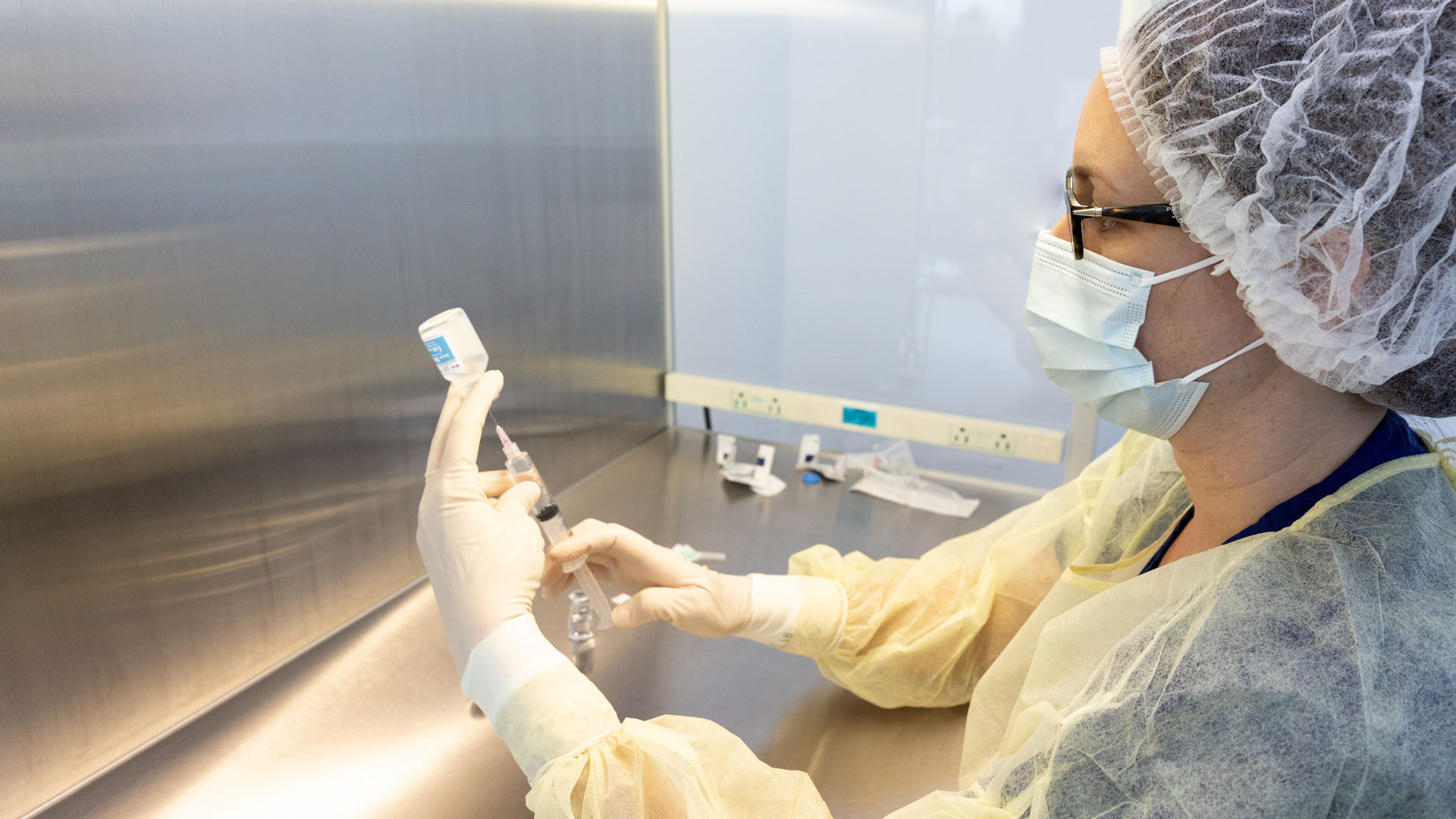
The foundation of sterile compounding is the cleanroom, a masterpiece of environmental engineering. Unlike standard clinical settings, a compounding cleanroom is a controlled environment where the concentration of airborne particles is minimized through high-efficiency particulate air (HEPA) filtration and strict pressure gradients.
Primary Engineering Controls (PECs)
At the heart of the cleanroom are the Primary Engineering Controls, which include Laminar Airflow Workbenches (LAFWs), Integrated Vertical Laminar Flow Zones, and Compounding Aseptic Isolators (CAIs). These devices utilize advanced HEPA filtration tech to maintain an ISO Class 5 environment—a digital and physical standard that allows no more than 3,520 particles (0.5 micrometers or larger) per cubic meter. Modern PECs are equipped with digital sensors that monitor airflow velocity in real-time, alerting technicians to any turbulence that could compromise the “first air” reaching the sterile components.
Environmental Monitoring Systems (EMS)
Technology has replaced manual charting with automated Environmental Monitoring Systems. These IoT-enabled platforms use remote sensors to track temperature, humidity, and differential pressure across various cleanroom zones. If a pressure gradient fluctuates—potentially allowing unfiltered air to enter a sterile zone—the system triggers automated lockdowns or alerts. This data is logged into cloud-based compliance software, providing a permanent digital audit trail that is essential for regulatory standards such as USP <797>.
Robotics and Automation in Compounding Workflows
One of the most significant shifts in sterile compounding is the transition from manual syringe filling to automated compounding devices (ACDs) and robotic systems. These technologies are designed to eliminate human error, which remains the leading cause of contamination and dosing inaccuracies in pharmacy.
Robotic IV Automation
High-volume hospitals and specialized compounding centers now employ sophisticated robots capable of handling the entire compounding cycle. These units use high-speed robotic arms to disinfect vial stoppers with UV light or alcohol, reconstitute powders, and transfer precise volumes of liquid into IV bags. By operating within an enclosed, self-contained ISO Class 5 environment, these robots remove the human element—and the shed skin cells or respiratory droplets that come with it—from the equation.
Gravimetric Verification Technology
A key technological advantage of modern compounding is gravimetric verification. While manual compounding relies on visual “volume checks” in a syringe, automated systems use ultra-sensitive digital scales to weigh each component as it is added. Since the specific gravity of most medications is known, the software can verify that the correct dose has been added based on weight, down to the milligram. This tech-driven “check and balance” provides a level of precision that is physically impossible to achieve through human sight alone.

Software Ecosystems: Ensuring Precision through Digital Verification
The “tech stack” of a modern compounding pharmacy extends far beyond the hardware in the cleanroom. Specialized Workflow Management Software (WMS) acts as the central nervous system of the operation, guiding technicians through every step of the process and ensuring that the final product matches the digital prescription.
Telepharmacy and Remote Verification
Digital imaging technology has revolutionized the verification process. Throughout the compounding workflow, high-resolution cameras capture images of every vial, syringe, and label used. These images are beamed to a remote pharmacist who can verify the ingredients and volumes on a high-definition monitor without having to enter the cleanroom. This not only maintains the integrity of the sterile environment by reducing foot traffic but also allows for a digital “double-check” that is archived for safety.
Barcode Medication Administration (BCMA) and RFID
To prevent the catastrophic error of selecting the wrong base ingredient, compounding software utilizes Barcode Medication Administration. Every component in the pharmacy is scanned at multiple stages. If a technician scans a vial that is not part of the validated recipe, the software hard-stops the process. Increasingly, Radio Frequency Identification (RFID) tags are being used to track the movement of compounded sterile preparations (CSPs) through the hospital, ensuring that the right tech-enabled medication reaches the right patient at the right time.
AI and Data Analytics in Formulation Stability
As we move deeper into the era of big data, Artificial Intelligence (AI) is beginning to play a critical role in determining the stability and shelf-life of compounded medications. Sterile compounding often involves mixing multiple drugs, which can lead to complex chemical interactions.
Predictive Analytics for Beyond-Use Dating (BUD)
Determining the “Beyond-Use Date”—the date after which a compounded medication should not be used—traditionally relied on limited physical stability studies. Today, AI algorithms can analyze vast datasets of chemical properties, storage conditions, and container-closure integrity to predict the degradation rates of custom formulations. These predictive tools help pharmacists optimize the concentration of medications and select the best storage tech (such as specialized light-blocking bags or temperature-controlled smart lockers) to maintain potency.
Digital Security and Data Integrity
Because sterile compounding involves sensitive patient data and proprietary formulations, digital security is paramount. Modern compounding facilities utilize encrypted databases to store “recipes” and patient profiles. Ensuring the integrity of this data is a major focus of pharmaceutical tech, involving multi-factor authentication for equipment access and blockchain-like audit trails to ensure that no one has altered the formulation parameters or the environmental logs.
The Future of Sterile Compounding: Digital Twins and 3D Printing
The horizon of sterile compounding tech is defined by even more radical innovations. The concept of the “Digital Twin” is being explored in cleanroom design, where a virtual model of the compounding facility is used to simulate airflow and contamination risks before a single piece of hardware is installed. This allows engineers to optimize the placement of HEPA vents and robotic units using fluid dynamics software.
Furthermore, 3D medicine printing is emerging as a potential successor to traditional compounding for certain sterile applications. Instead of mixing liquids, specialized 3D printers could “print” personalized, sterile implants or thin-film medications in a completely automated, closed-loop system. This would represent the ultimate convergence of hardware, software, and biology.
In conclusion, sterile compounding is no longer just a manual laboratory task; it is a high-tech discipline defined by its reliance on advanced engineering and digital precision. From the robotic arms that mix life-saving oncology drugs to the AI that monitors the stability of an IV bag, technology is the silent partner in every sterile dose. As these tools continue to evolve, the safety, speed, and customization of sterile medications will reach new heights, firmly placing compounding at the forefront of the technological revolution in healthcare.
aViewFromTheCave is a participant in the Amazon Services LLC Associates Program, an affiliate advertising program designed to provide a means for sites to earn advertising fees by advertising and linking to Amazon.com. Amazon, the Amazon logo, AmazonSupply, and the AmazonSupply logo are trademarks of Amazon.com, Inc. or its affiliates. As an Amazon Associate we earn affiliate commissions from qualifying purchases.