
Stage presence is an elusive quality, a magnetic force that draws audiences in and holds their attention captive. It’s not simply about being on a stage; it’s about how you command that space, how you communicate without speaking, and how you connect with every individual in the room. While often associated with actors, musicians, and public speakers, the principles of strong stage presence are increasingly relevant in the professional world, particularly in the realm of personal branding and corporate communication. This article will delve into the multifaceted nature of stage presence, exploring its core components and its critical importance in building a compelling personal brand.

The Foundation: Authenticity and Confidence
At its heart, stage presence is built on a bedrock of authenticity and unwavering confidence. Without these, any attempt to project charisma will feel hollow and performative. True stage presence emanates from a place of genuine self-assurance and a clear understanding of one’s own message and purpose.
Unmasking Authenticity: Being Your True Self
Authenticity is the cornerstone of genuine connection. When an individual is truly themselves on stage, their passion, vulnerability, and unique perspective shine through. This doesn’t mean revealing every personal detail, but rather allowing one’s inherent personality and beliefs to permeate their presentation.
The Power of Genuine Belief
An authentic presenter believes deeply in what they are sharing. This conviction is palpable to the audience, fostering trust and receptiveness. When speakers are passionate about their subject matter, their energy becomes contagious, transcending mere words. This authenticity allows individuals to move beyond rote memorization and instead engage in a dynamic, responsive exchange with their audience. In the context of personal branding, authenticity is paramount. It’s about identifying and showcasing the unique skills, values, and experiences that differentiate an individual and make them memorable. This can involve sharing personal anecdotes, expressing genuine opinions, and demonstrating a consistent, true-to-self demeanor across all professional interactions.
Embracing Vulnerability
Vulnerability, when presented thoughtfully, can be a powerful tool for building rapport. It allows presenters to connect with their audience on a human level, acknowledging potential challenges or uncertainties. This doesn’t equate to weakness, but rather to a courageous willingness to be open and relatable. In the professional sphere, this might translate to admitting when you don’t have all the answers, discussing past failures as learning opportunities, or showing empathy towards the audience’s potential concerns. Authenticity, therefore, is not about being flawless, but about being real, and allowing that realness to resonate.
Cultivating Unshakeable Confidence
Confidence is the outward manifestation of inner belief and preparation. It’s the feeling of being comfortable in one’s own skin and capable of commanding attention. Stage presence thrives on this self-assuredness, allowing individuals to navigate the spotlight with poise and grace.
The Role of Preparation and Knowledge
A significant driver of confidence is thorough preparation. Knowing your material inside and out, understanding your audience, and anticipating potential questions or challenges all contribute to a feeling of preparedness. This allows for a more fluid and responsive delivery, rather than a rigid recitation. In the personal branding context, this means being deeply knowledgeable about your industry, your services, and the value you bring to clients or employers. This expertise forms the basis of your credibility and instills confidence when you articulate your offerings.
Body Language as a Confidence Amplifier
Physical presence plays a crucial role in projecting confidence. This includes maintaining good posture, making direct eye contact, and using purposeful gestures. These non-verbal cues communicate self-assurance and engagement. Even when feeling nervous, consciously adopting confident body language can actually help to elicit those feelings internally. For personal branding, this translates to how you present yourself in meetings, interviews, networking events, and even in your online profiles. Strong posture, a firm handshake, and engaged eye contact all contribute to a powerful first impression.
The Art of Connection: Engaging Your Audience
Beyond personal attributes, stage presence is profoundly about the ability to connect with an audience. This connection is a two-way street, built through attentive listening, effective communication, and the creation of a shared experience.
Mastering the Art of Communication
Effective communication is the engine of stage presence. It encompasses verbal clarity, engaging storytelling, and the ability to adapt your message to your audience.
Verbal Clarity and Articulation
The spoken word must be delivered with precision and intent. This involves clear enunciation, appropriate pacing, and a vocal tone that conveys enthusiasm and authority. Avoiding filler words and speaking with conviction ensures that your message is impactful and easy to follow. In personal branding, this extends to all forms of communication, from formal presentations to informal conversations. It’s about articulating your ideas and value proposition clearly and concisely, ensuring that your audience understands exactly what you offer and why it matters.
The Power of Storytelling
Humans are hardwired for stories. Engaging narratives captivate audiences, making information more memorable and relatable. A well-crafted story can illustrate complex concepts, evoke emotions, and build a deeper connection with listeners. For individuals building their personal brand, stories are invaluable. They can be used to illustrate your journey, showcase your problem-solving skills, or highlight the impact of your work. Sharing your personal narrative, or the narratives of those you’ve helped, can be incredibly powerful in establishing your brand identity.
Adapting to Your Audience
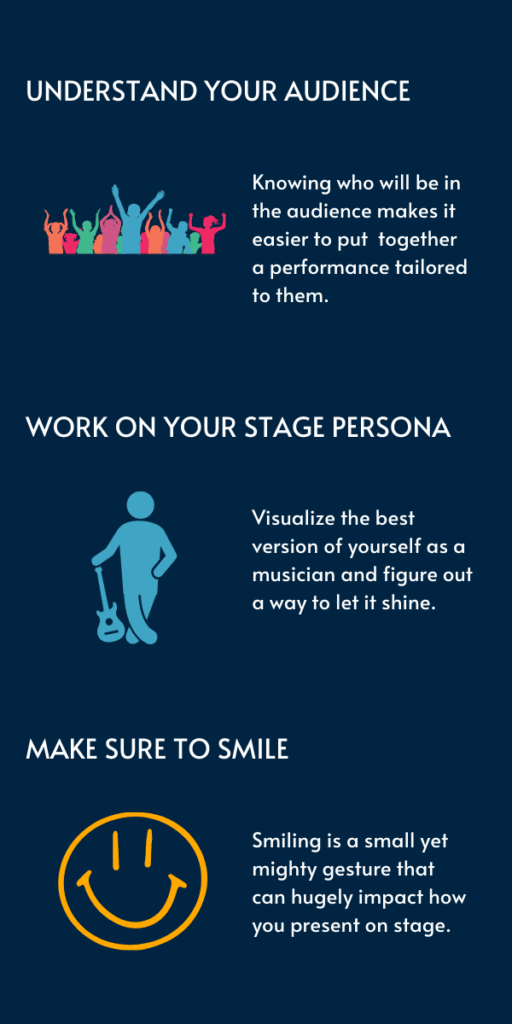
Understanding your audience is key to effective communication. This involves tailoring your message, language, and delivery style to resonate with their needs, interests, and existing knowledge. A flexible presenter can gauge audience reactions and adjust their approach accordingly, ensuring that their message lands with maximum impact. In the context of personal branding, this means understanding your target audience – whether it’s potential employers, clients, or collaborators – and adapting your communication to their specific expectations and communication preferences.
Building Rapport and Creating a Shared Experience
Stage presence is not about performing at an audience, but with them. The goal is to foster a sense of community and shared experience.
Active Listening and Responsiveness
True engagement involves listening as much as speaking. Paying attention to audience cues, questions, and reactions allows for a more dynamic and responsive presentation. Acknowledging and addressing audience input demonstrates respect and fosters a collaborative atmosphere. In the professional realm, active listening is crucial for building strong relationships. It involves genuinely hearing what others are saying, understanding their perspectives, and responding thoughtfully. This builds trust and strengthens professional connections, vital for personal brand development.
Non-Verbal Communication: Beyond Words
A significant portion of communication is non-verbal. Eye contact, gestures, facial expressions, and movement all contribute to the overall impression of presence. These elements can amplify the spoken word, convey emotion, and create a more engaging and memorable experience. For personal branding, mastering non-verbal communication is essential. It shapes how you are perceived in person and even influences how your personality is conveyed through digital mediums like video calls or recorded presentations.
The Energy Exchange
There’s a palpable energy exchange between a presenter and their audience. A dynamic and engaged presenter can elevate the collective mood and energy in the room. This energy can be cultivated through enthusiasm, passion, and a genuine desire to connect. For personal brands, radiating positive and approachable energy is critical. It makes you more inviting, more memorable, and more likely to attract opportunities and collaborations.
Stage Presence in the Digital Age: Adapting for Online Platforms
The principles of stage presence are not confined to physical stages. In today’s digitally interconnected world, the ability to command attention and connect effectively online is equally, if not more, important for personal branding.
Virtual Stage Presence: Engaging Through Screens
The shift to virtual interactions has necessitated an adaptation of stage presence skills. Presenting on video calls, webinars, and online platforms requires a conscious effort to maintain engagement and convey a strong presence.
Maximizing Visual and Auditory Cues Online
On digital platforms, visual and auditory cues become even more critical. This includes ensuring good lighting, a clear microphone, appropriate background, and engaging webcam presence. Direct eye contact with the camera, purposeful gestures that are visible on screen, and a clear, enthusiastic vocal delivery are essential to compensate for the lack of physical proximity. For personal branding, mastering these virtual presentation skills is paramount. It directly impacts how you are perceived by potential clients, employers, or collaborators in a remote work environment.
Interactive Elements and Digital Engagement
The digital space offers unique opportunities for audience interaction. Utilizing polls, Q&A sessions, breakout rooms, and interactive chat features can create a more dynamic and participatory experience, replicating the engagement of a live event. In personal branding, leveraging these digital tools can help you to foster community around your brand, gather valuable feedback, and create memorable online experiences for your audience.
The Digital Footprint: Consistent Personal Branding
While physical presence is about commanding a specific stage, digital presence is about consistently projecting your brand across various online platforms. This includes your website, social media profiles, LinkedIn, and any other digital touchpoints.
Crafting a Coherent Online Identity
A strong personal brand online is characterized by a coherent and consistent identity. This means ensuring that your messaging, visual style, and overall tone are aligned across all your digital platforms. This consistency builds recognition and reinforces your core values and expertise. For individuals looking to establish their personal brand, this requires a strategic approach to content creation and profile management.
Leveraging Digital Platforms for Connection
Digital platforms provide immense opportunities for networking and building relationships. Engaging in online conversations, sharing valuable content, and responding thoughtfully to others can significantly expand your reach and strengthen your professional network. This active engagement is a form of digital stage presence, where you are actively participating and making your presence felt in the online professional landscape.
The Impact of Stage Presence on Personal Branding
Stage presence is not merely a performance skill; it is a powerful differentiator in the competitive landscape of personal branding. It transforms an individual from being just another professional into a memorable, influential, and sought-after entity.
Differentiating Yourself in a Crowded Market
In today’s interconnected world, many professionals possess similar skills and qualifications. What often sets individuals apart is their ability to articulate their value, connect with others, and project a compelling personal narrative. Strong stage presence enables individuals to do just that, making them stand out from the competition. A compelling personal brand, built on authentic stage presence, can open doors to new opportunities, attract ideal clients, and foster meaningful professional relationships.
Building Credibility and Trust
A confident and authentic presenter instills credibility and trust in their audience. When you appear knowledgeable, passionate, and genuine, people are more likely to believe in your abilities and your message. This trust is the foundation of any successful personal brand, leading to increased loyalty and advocacy. In the business world, this translates to clients feeling confident in your services, employers trusting your leadership, and colleagues relying on your expertise.

Inspiring Action and Influence
Ultimately, effective stage presence aims to inspire action and exert influence. Whether it’s encouraging an audience to adopt a new perspective, invest in a product, or support a cause, a strong presenter can motivate and persuade. This capacity for influence is a hallmark of a well-developed personal brand, allowing individuals to make a meaningful impact in their chosen fields. By honing your stage presence, you are essentially honing your ability to inspire, persuade, and lead, which are invaluable assets in any professional endeavor.
In conclusion, stage presence is a dynamic blend of authenticity, confidence, and skillful communication. It is the art of commanding attention, forging genuine connections, and leaving a lasting impression. By understanding and cultivating these elements, individuals can significantly enhance their personal brands, differentiating themselves, building trust, and ultimately, inspiring action and influence in the digital and physical realms.
aViewFromTheCave is a participant in the Amazon Services LLC Associates Program, an affiliate advertising program designed to provide a means for sites to earn advertising fees by advertising and linking to Amazon.com. Amazon, the Amazon logo, AmazonSupply, and the AmazonSupply logo are trademarks of Amazon.com, Inc. or its affiliates. As an Amazon Associate we earn affiliate commissions from qualifying purchases.