
The term “Stage 5 prostate cancer” is often used colloquially to describe the most advanced forms of the disease. While prostate cancer staging traditionally uses the TNM (Tumor, Node, Metastasis) system, which goes up to Stage IV, the concept of “Stage 5” effectively refers to prostate cancer that has spread significantly beyond the prostate gland, impacting distant parts of the body and posing significant treatment challenges. Understanding what this advanced stage entails is crucial for patients, caregivers, and anyone seeking to grasp the complexities of prostate cancer.
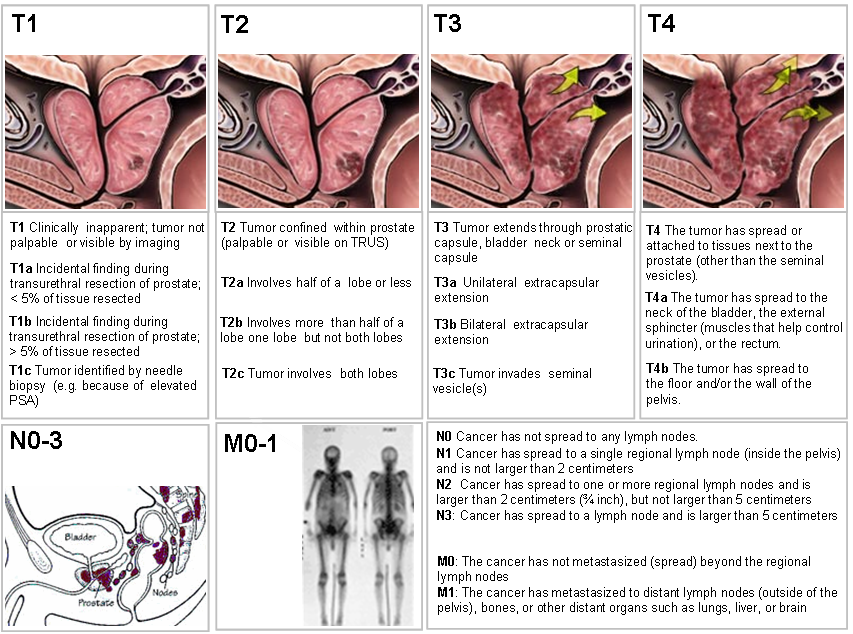
Prostate cancer, a disease that affects the prostate gland in men, is one of the most common cancers globally. Its progression is typically categorized into stages that reflect the extent of its growth and spread. The earlier stages are often characterized by localized tumors that are confined to the prostate. However, as the cancer advances, it can invade surrounding tissues, spread to lymph nodes, and eventually metastasize to distant organs. It is these metastatic and aggressive forms that are colloquially referred to when discussing “Stage 5.”
The primary distinction between earlier stages and these advanced forms lies in the reach of the cancer. In localized stages, treatment options are often curative, aiming to eliminate the cancer entirely. As the cancer becomes more advanced and metastatic, the focus of treatment often shifts from cure to management, aiming to control the disease, alleviate symptoms, and improve quality of life.
This article will delve into what “Stage 5 prostate cancer” signifies within the broader context of prostate cancer staging. We will explore the characteristics of advanced prostate cancer, the common sites of metastasis, the diagnostic approaches used to identify its spread, and the treatment strategies employed to manage this complex condition. While the term “Stage 5” isn’t a formal clinical designation, understanding the concept it represents is vital for comprehending the full spectrum of prostate cancer progression and its implications.
The Nature of Advanced Prostate Cancer: Beyond Localized Disease
When we discuss “Stage 5 prostate cancer,” we are essentially referring to prostate cancer that has moved beyond the confines of the prostate gland and has demonstrably spread. This advanced stage is characterized by several key features that differentiate it from earlier, more localized forms of the disease.
Metastasis: The Hallmark of Advanced Disease
The defining characteristic of advanced prostate cancer is metastasis, the process by which cancer cells break away from the primary tumor in the prostate, enter the bloodstream or lymphatic system, and travel to other parts of the body to form new tumors. While the TNM staging system formally categorizes spread up to Stage IV, the concept of “Stage 5” encompasses the most widespread metastatic scenarios.
The common sites for prostate cancer metastasis include:
- Bone: This is the most frequent site of metastasis for prostate cancer. Cancer cells can spread to the bones of the spine, pelvis, ribs, and long bones. Bone metastases can cause significant pain, increase the risk of fractures, and lead to complications like hypercalcemia (high calcium levels in the blood).
- Lymph Nodes: The cancer can spread to nearby lymph nodes in the pelvis. If it spreads further, it can reach lymph nodes in other parts of the abdomen and even chest.
- Other Organs: Less commonly, prostate cancer can metastasize to organs such as the lungs, liver, brain, and adrenal glands.
The presence of metastasis is a critical factor in determining prognosis and treatment options. When cancer has spread to distant sites, it becomes significantly more challenging to eradicate completely.
Aggressiveness and Gleason Score
The aggressiveness of a prostate cancer is often assessed using the Gleason score. This score is derived from a biopsy and reflects how abnormal the prostate cancer cells look under a microscope. A higher Gleason score (e.g., 8, 9, or 10) indicates a more aggressive cancer that is more likely to grow and spread rapidly.
In the context of “Stage 5,” it is common to find that the prostate cancer has a high Gleason score, indicating its inherent aggressiveness. This aggressive nature contributes to its propensity to spread beyond the prostate gland.
Symptoms of Advanced Prostate Cancer
The symptoms associated with “Stage 5” or advanced prostate cancer are often a direct result of the cancer’s spread to other organs and tissues. Unlike early-stage prostate cancer, which may be asymptomatic, advanced disease typically presents with more noticeable and concerning symptoms.
These can include:
- Bone Pain: Particularly in the back, hips, and ribs, which can be severe and persistent.
- Fractures: Pathological fractures can occur in weakened bones due to cancer spread.
- Urinary Symptoms: While common in earlier stages (hesitancy, frequency, weak stream), these can worsen in advanced disease due to tumor growth or compression.
- Blood in Urine or Semen: This can be a sign of tumor invasion.
- Unexplained Weight Loss and Fatigue: General symptoms of advanced cancer.
- Neurological Symptoms: If the cancer has spread to the brain or spinal cord, symptoms like headaches, seizures, or weakness in the limbs can occur.
- Swelling in the Legs or Feet: This can be due to lymph node involvement or pressure on blood vessels.
It’s important to note that some men with advanced prostate cancer may have minimal or no symptoms, especially in the initial stages of metastasis. This highlights the importance of regular screening and follow-up care.
Diagnosing the Spread: Imaging and Biomarkers in Advanced Prostate Cancer
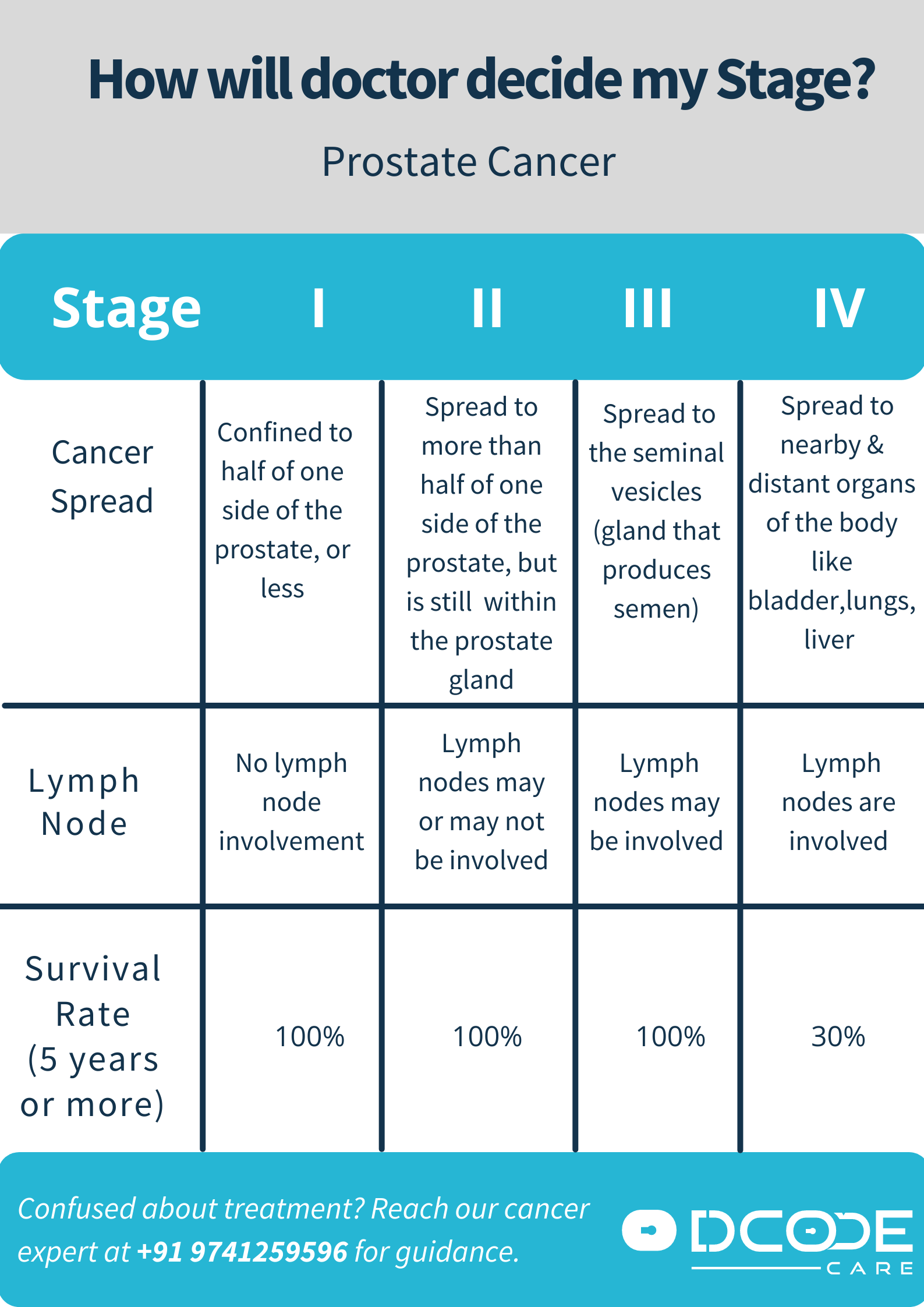
Identifying the extent of prostate cancer spread is a critical step in staging and treatment planning. When “Stage 5” is suspected, physicians utilize a combination of advanced imaging techniques and biomarker analysis to assess the disease’s reach.
Imaging Modalities for Detecting Metastasis
Visualizing where the cancer has traveled is paramount. Several imaging technologies are employed to detect metastatic prostate cancer:
- Bone Scan (Radionuclide Bone Scintigraphy): This is a standard tool for detecting bone metastases. A small amount of radioactive tracer is injected into the bloodstream, which is absorbed by areas of increased bone activity, including cancerous lesions. These areas then show up as “hot spots” on the scan.
- CT Scan (Computed Tomography): CT scans provide detailed cross-sectional images of the body. They are effective in visualizing enlarged lymph nodes and metastases in organs like the lungs, liver, and adrenal glands.
- MRI Scan (Magnetic Resonance Imaging): MRI uses magnetic fields and radio waves to create detailed images. It can be particularly useful for evaluating soft tissues and assessing the extent of spread within the pelvic lymph nodes or to other organs like the brain or spine.
- PET-CT Scan (Positron Emission Tomography-Computed Tomography): This advanced imaging technique combines the metabolic information from PET with the anatomical detail from CT. For prostate cancer, specific radiotracers are used, such as PSMA (Prostate-Specific Membrane Antigen) PET scans. PSMA is a protein that is often overexpressed on prostate cancer cells. PSMA PET scans are highly sensitive and can detect even small deposits of cancer, making them invaluable for identifying metastatic disease, especially in cases of recurrence or when other imaging is inconclusive. These scans are increasingly becoming the gold standard for staging advanced prostate cancer.
Biomarkers: The Role of PSA
Prostate-Specific Antigen (PSA) is a protein produced by the prostate gland. PSA levels in the blood are commonly used as a biomarker for prostate cancer. In the context of advanced disease, PSA levels can provide crucial information:
- Elevated PSA: While PSA can be elevated for various reasons, a persistently high or rising PSA level in a patient with known prostate cancer strongly suggests that the cancer is growing or has spread.
- PSA Doubling Time: The rate at which PSA levels rise can also be an indicator of aggressiveness. A faster PSA doubling time generally correlates with a more aggressive cancer.
- Monitoring Treatment Response: PSA levels are routinely monitored during treatment to assess how well the therapy is working. A decrease in PSA indicates that the treatment is controlling the cancer, while a rise suggests that the cancer is progressing.
In cases of suspected “Stage 5,” the PSA value, along with the results of imaging studies, helps physicians confirm the presence and extent of metastatic disease.
Managing “Stage 5” Prostate Cancer: Treatment Strategies and Goals
The treatment of “Stage 5” prostate cancer, or advanced metastatic prostate cancer, is a complex and multifaceted endeavor. The primary goals of treatment at this stage are typically to control the disease, manage symptoms, prolong survival, and maintain the best possible quality of life for the patient. While a complete cure is often not achievable, significant advancements in treatment have made it possible to manage advanced prostate cancer effectively for extended periods.
Hormonal Therapy: The Cornerstone of Treatment
Prostate cancer cells often rely on male hormones, primarily testosterone, for growth. Hormonal therapy (also known as androgen deprivation therapy or ADT) aims to reduce the levels of these hormones or block their action, thereby slowing down or stopping the growth of cancer cells.
- LHRH Agonists and Antagonists: These medications work by signaling the brain to reduce testosterone production by the testes.
- Anti-androgens: These drugs block the action of testosterone on cancer cells.
- Surgical Orchiectomy: This surgical procedure removes the testes, the primary source of testosterone, providing a permanent reduction in hormone levels.
Hormonal therapy is a highly effective treatment for advanced prostate cancer and is often the first-line approach for metastatic disease. However, over time, many prostate cancers can become resistant to hormonal therapy, leading to castration-resistant prostate cancer (CRPC).
Advances in Treatment for Castration-Resistant Prostate Cancer
When prostate cancer becomes resistant to initial hormonal therapy, a range of other treatment options become available to continue controlling the disease. These include:
- Second-Generation Hormonal Therapies: Newer drugs like abiraterone, enzalutamide, and apalutamide are more potent than older anti-androgens and can effectively block androgen signaling even in castration-resistant cancers.
- Chemotherapy: Drugs like docetaxel and cabazitaxel are used to kill cancer cells throughout the body. Chemotherapy can help shrink tumors, alleviate symptoms, and prolong survival in men with CRPC.
- Radiopharmaceuticals: Novel treatments like radium-223 (Xofigo) target bone metastases specifically. Radium-223 emits alpha particles that can damage cancer cells in the bone and provide symptomatic relief.
- Targeted Therapies and Immunotherapy: While less common as primary treatments for widespread metastatic disease compared to hormonal therapies and chemotherapy, these newer treatment modalities are continually being explored and approved for specific subsets of patients with advanced prostate cancer, particularly those with certain genetic mutations or in clinical trials.
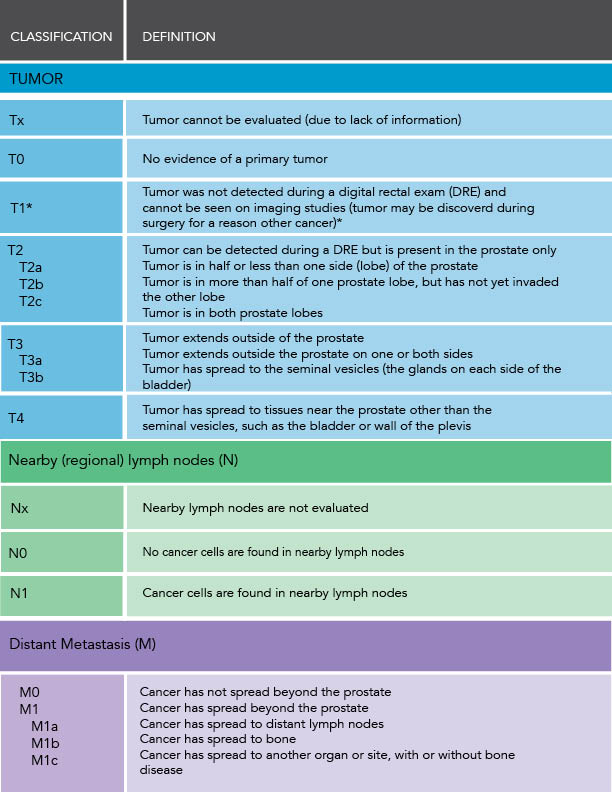
Managing Symptoms and Improving Quality of Life
Beyond directly fighting the cancer, a crucial aspect of managing “Stage 5” prostate cancer is addressing the symptoms caused by the disease and its treatment. This is known as palliative care or supportive care.
- Pain Management: This is a priority, especially for bone metastases. It can involve pain medications (from over-the-counter to strong opioids), radiation therapy to specific painful bone sites, or bisphosphonates and denosumab to strengthen bones and reduce fracture risk.
- Symptomatic Relief: Treatments may be used to manage urinary difficulties, fatigue, nausea, and other side effects of cancer and its treatments.
- Nutritional Support and Psychological Support: Maintaining good nutrition and emotional well-being are vital for patients dealing with advanced cancer.
The journey with advanced prostate cancer is often long and requires a multidisciplinary approach involving oncologists, urologists, radiologists, palliative care specialists, and other healthcare professionals. Open communication between the patient, their family, and the medical team is essential for making informed decisions about treatment and care. While the concept of “Stage 5” is not a formal clinical designation, it encapsulates the advanced and metastatic nature of prostate cancer, a stage where treatment focuses on long-term control and maintaining the best possible quality of life.
aViewFromTheCave is a participant in the Amazon Services LLC Associates Program, an affiliate advertising program designed to provide a means for sites to earn advertising fees by advertising and linking to Amazon.com. Amazon, the Amazon logo, AmazonSupply, and the AmazonSupply logo are trademarks of Amazon.com, Inc. or its affiliates. As an Amazon Associate we earn affiliate commissions from qualifying purchases.