
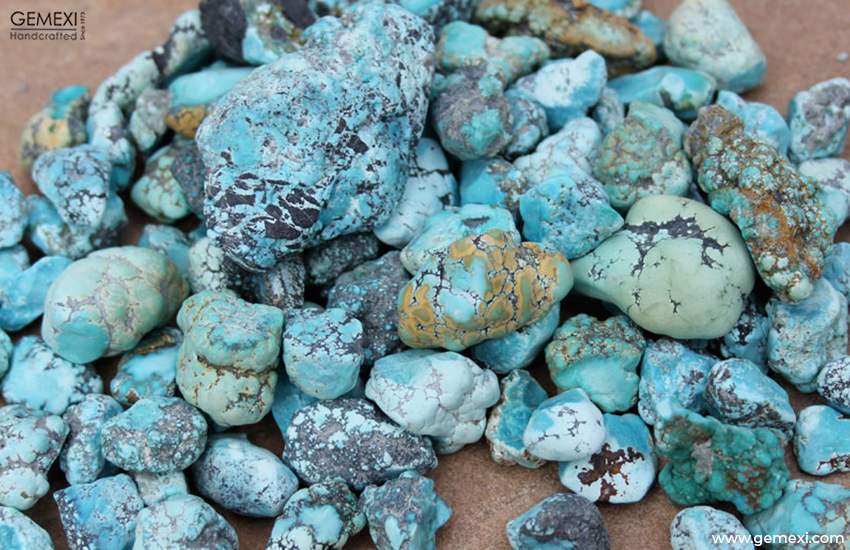
Turquoise, with its captivating range of blues and greens, has been cherished for millennia, adorning pharaohs, kings, and spiritual leaders across diverse cultures. Its natural beauty and historical significance make it a highly sought-after gemstone. However, natural turquoise, especially the most vibrant and desirable forms, often presents significant challenges in terms of durability and stability. This inherent fragility has given rise to a crucial industry process: stabilization. Understanding what stabilized turquoise is, why it exists, and its implications for value, investment, and business operations is vital for anyone engaging with this beautiful stone, whether as a buyer, seller, or enthusiast.
The Economic Rationale for Turquoise Stabilization
The decision to stabilize turquoise is not merely about enhancing its appearance; it is deeply rooted in economic necessity and market dynamics. Natural turquoise, particularly types that exhibit highly desirable color saturation and intricate matrix patterns, often possesses a porous and relatively soft structure. This makes it susceptible to degradation from common environmental factors and everyday wear.
Addressing Market Demand for Durability
In its raw, untreated state, much of the turquoise mined today is too soft or porous to withstand the rigors of jewelry manufacturing or daily wear. It can easily absorb oils, sweat, and chemicals, leading to discoloration, cracking, or crumbling over time. This susceptibility significantly limits its marketability and long-term value for consumers. Jewelers and designers require materials that can be cut, polished, set, and worn without immediate risk of damage. Stabilization addresses this by transforming fragile material into a robust product, meeting the widespread consumer demand for durable, wearable gemstones. Without stabilization, a vast percentage of mined turquoise would simply be unsuitable for the commercial jewelry market, leading to immense material waste and missed economic opportunities.
Expanding Usability and Reducing Waste
Stabilization processes are critical for converting what would otherwise be low-grade or unusable turquoise rough into marketable material. This not only broadens the supply of turquoise available for sale but also significantly enhances the yield from mining operations. Miners and distributors can process a larger proportion of their finds, turning economically marginal rough into profitable inventory. This transformation directly impacts the supply chain, reducing waste and allowing for more efficient resource utilization. From a business perspective, it means maximizing revenue from extracted material and offering a wider range of products, from cabochons and beads to intricate carvings, thereby catering to diverse market segments at various price points.
The Stabilization Process and Its Market Implications
The methods employed to stabilize turquoise vary, but the fundamental goal remains consistent: to enhance the stone’s hardness, durability, and color retention. These processes involve impregnating the porous turquoise with a bonding agent, which then hardens within the stone’s structure.
Common Techniques and Associated Costs
The most prevalent stabilization technique involves placing raw turquoise in a vacuum chamber, which extracts air and moisture from its pores. Subsequently, the stone is immersed in a clear epoxy resin or plastic polymer, often mixed with a dye to enhance or deepen its natural color. Under pressure, the resin penetrates the stone’s microscopic voids and fissures. Once the resin cures, the turquoise becomes significantly harder, less porous, and more resistant to impact and discoloration.
Other methods might include pressure-dying, where only color is added, or various forms of “treatment” that don’t involve full stabilization but aim to improve surface qualities. The costs associated with these treatments can vary. Basic stabilization processes are relatively inexpensive per carat when done in bulk, making even lower-grade rough economically viable. More sophisticated techniques, or those involving proprietary resins and dyes, can incur higher costs, impacting the final wholesale price. Businesses must factor these treatment costs into their pricing strategies to ensure profitability while remaining competitive.
How Treatment Affects Perceived Quality and Price Point
Stabilization profoundly impacts the perceived quality and, consequently, the price point of turquoise in the market. While a fully natural, untreated, high-grade turquoise with exceptional color and hardness commands the highest prices, stabilized turquoise fills a crucial gap. It offers consumers a durable and visually appealing product at a more accessible price point than its untreated counterparts.
For businesses, this allows for market segmentation. High-end jewelers might focus exclusively on rare, untreated specimens, appealing to collectors and luxury buyers. Conversely, mass-market retailers and artisans can offer attractive stabilized turquoise jewelry that is affordable and robust enough for everyday wear. The perception of quality for stabilized turquoise is tied to the consistency of its color, its polish, and its resistance to environmental factors. A well-stabilized stone will maintain its appearance over time, providing customer satisfaction and repeat business, which is a key financial metric. However, it is paramount for sellers to transparently disclose that the turquoise has been stabilized, as failing to do so can lead to reputational damage and legal issues.
Navigating the Market: Stabilized vs. Natural Turquoise Valuation
Understanding the nuances between stabilized and natural turquoise is critical for informed financial decisions, whether you are investing in gemstones, managing a jewelry business, or making personal purchases. The distinction directly impacts valuation and market demand.
Pricing Disparities and Factors Influencing Value

The most significant financial implication of stabilization is the pricing disparity between treated and untreated turquoise. Generally, natural, untreated turquoise of high quality will command a significantly higher price—often many times that of a similarly sized and colored stabilized piece. This is due to its rarity, the purity of its natural state, and its status as a collector’s item or an investment piece.
Factors influencing the value of stabilized turquoise include:
- Original Quality of the Rough: Even after stabilization, turquoise that started as better quality rough (e.g., desirable color, less porous) tends to fetch higher prices.
- Color and Matrix: Desirable blue or green hues, and appealing matrix patterns (the host rock visible within the turquoise), still contribute to value. Stabilization can enhance these, but the underlying aesthetic is important.
- Craftsmanship: The quality of the cut, polish, and setting in jewelry significantly adds to the final retail price.
- Market Demand: Trends and regional preferences can influence prices for different types of turquoise, including stabilized varieties.
For businesses, understanding these factors is crucial for accurate inventory valuation, pricing strategies, and ensuring competitive margins.
Disclosure Requirements and Their Impact on Transactions
Ethical business practices mandate full disclosure of gemstone treatments. In the jewelry industry, it is a professional and often legal requirement to inform customers if a gemstone has been stabilized, dyed, or otherwise enhanced. Failure to disclose can lead to consumer distrust, chargebacks, returns, and damage to a brand’s reputation, ultimately impacting financial performance.
From a financial perspective, disclosure ensures fair market transactions. A buyer knowing a stone is stabilized understands they are paying for an enhanced, more durable product, distinct from a rare, untreated specimen. This transparency builds trust, fosters long-term customer relationships, and minimizes disputes. For sellers, integrating clear disclosure into product descriptions and sales conversations is an investment in their brand’s integrity and financial stability.
Identifying Stabilized vs. Untreated for Informed Investing/Purchasing
For investors or serious collectors, the ability to differentiate between stabilized and untreated turquoise is paramount. While visual inspection can offer clues (stabilized turquoise often has a more uniform, sometimes almost “plastic-like” sheen, and colors can appear unnaturally vibrant), definitive identification often requires specialized gemological testing. Gemologists can use techniques such as refractive index measurements, spectroscopy, and microscopic examination to detect the presence of polymers or resins.
For individual buyers, asking direct questions about treatments, seeking reputable sellers, and requesting documentation of a stone’s origin and treatment status are essential steps. Investing in a truly natural, high-grade turquoise piece requires careful vetting and often a premium price, but it can offer significant long-term appreciation. Conversely, understanding that stabilized turquoise provides aesthetic beauty and durability at a lower cost helps consumers make informed purchasing decisions aligned with their budget and intended use.
Investment Perspectives and Business Opportunities
Stabilized turquoise presents unique financial opportunities for both individual consumers and businesses, carved out by its distinct position in the gemstone market.
Stabilized Turquoise as an Accessible Investment
While natural, high-grade turquoise is often considered a traditional investment gemstone due to its rarity and potential for appreciation, stabilized turquoise can also represent an accessible entry point into gemstone collecting or a practical investment in personal adornment. For many, the cost barrier to natural turquoise is prohibitive. Stabilized turquoise offers the aesthetic appeal and cultural significance of turquoise at a fraction of the cost, making it an “investment” in durable beauty.
From a business perspective, the lower cost of stabilized rough allows for higher profit margins on finished pieces when selling to the mass market. It diversifies investment portfolios for jewelers, reducing reliance on expensive, scarce raw materials. Furthermore, the stability of the material means less risk of damage during manufacturing or shipping, protecting business assets and reducing potential losses.
Maximizing Profitability in Retail and Online Sales
The widespread appeal and affordability of stabilized turquoise make it an excellent product for retail and online sales. Businesses can maximize profitability through several strategies:
- Volume Sales: Stabilized turquoise is ideal for selling in higher volumes due to its lower cost per unit and consistent availability.
- Diverse Product Lines: It can be crafted into a vast array of jewelry types—earrings, necklaces, bracelets, rings—and integrated with various metals and design styles, appealing to a broad customer base.
- Online Marketplaces: Its durability makes it well-suited for shipping, and its visual appeal translates well to online product listings, facilitating sales through e-commerce platforms like Etsy, Amazon Handmade, or independent websites. Effective photography, clear product descriptions, and transparent disclosure are key to online success.
- Wholesale Opportunities: Many businesses profit by buying stabilized turquoise in bulk (as beads, cabochons, or pre-cut stones) and then reselling these components to artisans, jewelry makers, and smaller retailers.

Sourcing, Manufacturing, and Niche Market Development
Businesses dealing with stabilized turquoise must establish reliable sourcing channels. This often involves working directly with mines that process their turquoise on-site or with specialized gemstone treatment facilities. Establishing strong relationships with reputable suppliers ensures consistent quality and ethical sourcing, which is increasingly important to consumers.
Manufacturing processes for stabilized turquoise are generally easier than for natural turquoise due to its enhanced hardness and reduced brittleness. This can lead to lower production costs and faster turnaround times. Businesses can explore niche market development by:
- Focusing on specific aesthetics: Targeting customers who prefer particular shades of blue or green, or specific matrix patterns.
- Developing unique designs: Creating distinctive jewelry lines that stand out in a competitive market.
- Targeting specific demographics: Catering to the bohemian market, Native American-inspired jewelry, or contemporary minimalist designs.
- Educational Marketing: Positioning the brand as an authority on turquoise, educating customers on the benefits and characteristics of stabilized versus natural stone, thereby building trust and perceived value.
By strategically navigating the sourcing, manufacturing, and marketing of stabilized turquoise, businesses can unlock substantial financial growth and cater to a broad and eager market, making this treated gemstone a valuable asset in the commercial world.
aViewFromTheCave is a participant in the Amazon Services LLC Associates Program, an affiliate advertising program designed to provide a means for sites to earn advertising fees by advertising and linking to Amazon.com. Amazon, the Amazon logo, AmazonSupply, and the AmazonSupply logo are trademarks of Amazon.com, Inc. or its affiliates. As an Amazon Associate we earn affiliate commissions from qualifying purchases.