
In the intersection of history, ethics, and modern commerce, certain figures stand as enduring symbols for specific trades and industries. Within the world of finance, accounting, and fiscal management, one name resonates more than any other: Saint Matthew. For those navigating the complexities of personal finance, corporate banking, or tax law, understanding the patronage of Saint Matthew offers more than just a historical footnote; it provides a framework for professional integrity and the ethical management of wealth.
Saint Matthew is officially recognized as the patron saint of accountants, bankers, bookkeepers, tax collectors, stockbrokers, and financial professionals. His association with these fields is rooted in his life story—a narrative of transformation that mirrors the journey many modern professionals take from the pursuit of profit to the pursuit of value. This article explores the depths of Matthew’s patronage, the evolution of the financial professions he represents, and how his legacy continues to influence the ethics of money management today.

The Historical Context: From Tax Collector to Patron of Finance
The foundation of Saint Matthew’s patronage lies in his occupation prior to his calling as an apostle. Known as Levi before his conversion, he served as a “publican,” or a tax collector, in the city of Capernaum. In the first century, this role was both vital to the Roman Empire and deeply stigmatized by the local population.
The Role of the Publican
In the Roman fiscal system, tax collection was often outsourced to individuals who were required to pay a fixed sum to the Roman treasury. Any amount they collected above that sum was theirs to keep as profit. This system, while efficient for the state, was rife with opportunities for extortion and greed. Tax collectors were frequently viewed as traitors to their community and symbols of financial oppression.
The Symbolic Transformation
The story of Matthew’s transition from the customs booth to a life of service is one of the most significant narratives in the history of financial ethics. When he was called to leave his booth, he did not just change his social standing; he redefined his relationship with money. For modern professionals in the “Money” niche, this transition symbolizes the shift from viewing finance as a purely extractive mechanism to viewing it as a tool for stewardship and societal stability.
Iconography in Art and Commerce
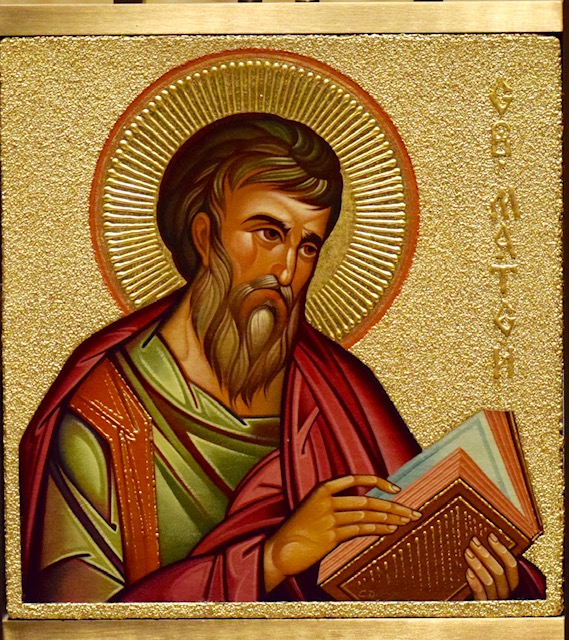
In classical art, Saint Matthew is often depicted with a money bag, a set of scales, or an account book. These symbols are not merely reminders of his past; they are the tools of the trade for those he protects. The scales represent the balance required in auditing and fair trade, while the book signifies the meticulous record-keeping essential for the functioning of any modern economy.
The Modern Financial Industry and the Spirit of Stewardship
The patronage of Saint Matthew extends across several distinct yet interconnected sectors of the financial world. Each of these fields relies on the core principles of accuracy, accountability, and transparency—values that are synonymous with his legacy.
Accountancy and the Precision of Data
Accountants are the primary beneficiaries of Saint Matthew’s patronage. In an era of complex tax codes and international reporting standards (IFRS), the accountant’s role is to ensure that the financial truth is told. The meticulous nature of Matthew’s gospel—which is noted for its structured approach and attention to detail—parallels the rigors of modern auditing. Whether managing a small business’s ledger or auditing a Fortune 500 company, the professional is tasked with the same precision that the patron saint utilized in his transition to authorship.
Banking and the Guardianship of Capital
Bankers and financial officers look to Saint Matthew as a symbol of the trust inherent in their profession. At its core, banking is about the custody and deployment of capital. The ethical banker understands that they are not just moving numbers on a screen but are managing the lifeblood of families, businesses, and communities. The “Matthew standard” in banking emphasizes the responsibility to handle other people’s resources with the highest degree of care.
Stockbrokers and Market Integrity
For those in the high-stakes world of investment and stockbroking, the patronage of Saint Matthew serves as a reminder of the need for fairness in the marketplace. Markets rely on the honest flow of information. When stockbrokers act with the integrity associated with their patron, they contribute to a healthy financial ecosystem where investors can participate with confidence.
Building a Financial Legacy: Ethics in the Digital Age
As we move further into a digital-first economy, the principles of financial patronage are evolving. The rise of fintech, cryptocurrency, and AI-driven wealth management has changed how we interact with money, but it has not changed the fundamental need for ethical frameworks.
Transparency in the Age of Algorithms
Modern financial tools allow for unprecedented speed, but they also risk distancing the professional from the human impact of their decisions. The “Saint Matthew” approach to technology in finance is one of radical transparency. Whether developing a new budgeting app or an automated trading bot, the goal remains the same: to create a system that is honest, accurate, and beneficial to the end-user.
Navigating Tax Regulations and Public Service
Tax professionals often face a unique set of challenges, balancing the need to minimize a client’s liability with the legal requirements of the state. Because Matthew was a tax collector, he is the ultimate figurehead for this tension. His patronage encourages a view of taxation not as a burden to be evaded through deception, but as a structured contribution to the common good, managed with legal and moral integrity.
The Entrepreneurial Professional: Integrity as a Brand
In the modern market, a professional’s “Money” brand is built on their reputation for honesty. Clients do not just look for the highest returns; they look for advisors who they can trust. Incorporating the historical values of stewardship and accountability into one’s personal branding can differentiate a financial advisor in a crowded marketplace. It signals a commitment to a standard that transcends mere profit.
Financial Tools and Strategies Rooted in Precision
The practical application of Saint Matthew’s patronage can be found in the daily habits of successful financial managers. Beyond the spiritual or historical context, the “Matthew” approach to money management emphasizes three core pillars: record-keeping, balance, and foresight.
The Importance of the Ledger
Every successful personal finance strategy begins with an accurate ledger. In the contemporary world, this means utilizing digital tools to track every inflow and outflow. Budgeting is the secular equivalent of the “account book” Matthew was known to carry. By maintaining a clear picture of one’s financial state, an individual or business owner can make decisions based on reality rather than speculation.
Wealth Management and Ethical Investing
The patronage of a figure associated with finance suggests that wealth itself is not the problem; rather, it is the management of that wealth that carries moral weight. Modern ethical investing (ESG—Environmental, Social, and Governance) aligns closely with the concept of stewardship. Investors are increasingly looking to put their money into companies that reflect their values, ensuring that their portfolios grow in a way that is consistent with their integrity.
Side Hustles and Online Income
For those pursuing side hustles or online income, the principles of Saint Matthew are especially relevant. Navigating the tax implications of the “gig economy” requires a disciplined approach to bookkeeping. The modern “publican” is the freelancer who must meticulously track their own earnings and self-employment taxes. Embracing the patron saint’s focus on accuracy can prevent the common pitfalls of entrepreneurship, such as under-saving for tax season or failing to account for overhead costs.
Conclusion: The Enduring Relevance of Financial Integrity
What is Saint Matthew the patron saint of? He is the patron of the honest transaction, the accurate balance sheet, and the ethical management of resources. His legacy is a testament to the fact that one’s profession in finance is not a barrier to integrity, but rather an opportunity to practice it daily.
For the modern accountant, banker, or investor, the patronage of Saint Matthew offers a sense of purpose. It reminds us that behind every transaction is a human story, and behind every ledger is a commitment to truth. In a world where financial systems can often feel impersonal and opaque, the values represented by this patron saint—transparency, accountability, and the transformation of wealth into value—remain as relevant as ever.
By aligning modern financial practices with these ancient principles of stewardship, professionals can build legacies that are not only profitable but also profoundly impactful. Whether you are managing a global investment fund or a personal household budget, the spirit of Saint Matthew serves as a guiding light for navigating the complex and ever-changing world of money.
aViewFromTheCave is a participant in the Amazon Services LLC Associates Program, an affiliate advertising program designed to provide a means for sites to earn advertising fees by advertising and linking to Amazon.com. Amazon, the Amazon logo, AmazonSupply, and the AmazonSupply logo are trademarks of Amazon.com, Inc. or its affiliates. As an Amazon Associate we earn affiliate commissions from qualifying purchases.