
In the dynamic landscape of modern commerce, the ability to accept payments seamlessly and securely is no longer a luxury but a fundamental necessity for businesses of all sizes. At the heart of this evolution stands Square Payment, a system that has transcended its initial reputation as a simple credit card reader to become a comprehensive financial ecosystem. For many, understanding “what is Square Payment” means delving into its multifaceted role as a financial tool that empowers businesses to manage revenue, streamline operations, and make informed financial decisions, ultimately fostering growth and stability. This article will explore Square Payment through the lens of business finance, dissecting its core offerings, financial mechanisms, and profound impact on the monetary health and strategic direction of enterprises.

The Foundation of Square Payment: Empowering Business Finance
At its core, Square Payment is a suite of financial services and tools designed to facilitate and manage monetary transactions for businesses. It emerged as a disruptor, challenging traditional, often complex and costly, merchant account models by offering a simple, accessible way for even the smallest ventures to accept credit card payments. This initial innovation has blossomed into a full financial platform, making it an indispensable partner in business finance.
More Than Just a Card Reader: A Financial Facilitator
While the iconic Square card reader might be the most recognizable symbol of the company, Square Payment’s significance extends far beyond a piece of hardware. It represents a fundamental shift in how businesses handle their money. Before Square, accepting card payments often required negotiating with banks, setting up merchant accounts, and dealing with intricate fee structures, posing a significant financial and administrative barrier, particularly for micro-businesses, freelancers, and mobile vendors.
Square democratized payment acceptance, turning any smartphone or tablet into a point-of-sale (POS) system capable of processing credit and debit cards. This move was revolutionary, offering financial inclusion to countless entrepreneurs previously limited to cash transactions. By providing an easy-to-use, cost-effective solution, Square facilitated immediate revenue generation and broadened market reach for nascent businesses, directly impacting their initial financial viability and growth trajectory. It positioned itself not just as a technology provider, but as a key financial facilitator for the modern economy.
Bridging the Gap in Business Transactions
Traditional payment processing systems often presented several financial pain points: prohibitive setup costs, opaque fee structures, long contract terms, and the necessity of dedicated hardware. These barriers disproportionately affected small and medium-sized enterprises (SMEs) with limited capital and resources. Square entered this void by offering a model that was straightforward and financially accessible.
Its plug-and-play simplicity and transparent, flat-rate pricing reduced the financial hurdles associated with payment acceptance. This meant businesses could start processing transactions almost instantly, with minimal upfront investment, freeing up crucial capital that would otherwise be tied up in complex payment infrastructure. By bridging this financial gap, Square enabled businesses to capture more sales, expand their customer base, and allocate resources more effectively towards core operations rather than cumbersome payment systems. It essentially provided a financial lifeline and an operational backbone for businesses navigating the challenges of a competitive marketplace.
Key Financial Tools and Services Offered by Square
Square Payment’s evolution has seen it expand far beyond basic card processing, transforming into a comprehensive financial ecosystem. Its diverse array of tools and services are designed to manage various aspects of a business’s money, from incoming revenue to outgoing expenses, acting as a one-stop shop for financial operations.
Integrated Point-of-Sale (POS) Systems: Managing Sales & Inventory Financially
At the heart of Square’s financial ecosystem is its robust Point-of-Sale (POS) system. Far from just a cash register, Square’s POS is a powerful financial hub that meticulously tracks every monetary transaction. It provides real-time sales data, categorizes income, and manages inventory values. For instance, every sale automatically updates stock levels, providing businesses with critical financial insights into their most profitable items and potential inventory carrying costs. The system also simplifies financial record-keeping by generating detailed reports on sales, returns, and discounts, which are invaluable for budgeting, tax preparation, and understanding overall financial performance. The integrated nature of the POS means that all financial data flows seamlessly, providing a unified view of a business’s monetary health.
Diverse Payment Acceptance: Maximizing Revenue Streams
Maximizing revenue is a primary financial goal for any business, and Square facilitates this by supporting a wide array of payment methods. This diversity ensures businesses never miss a sale due to a customer’s preferred payment method. Square enables acceptance of:
- Credit and Debit Cards: Via traditional magstripe, EMV chip, and contactless NFC (tap-to-pay) readers.
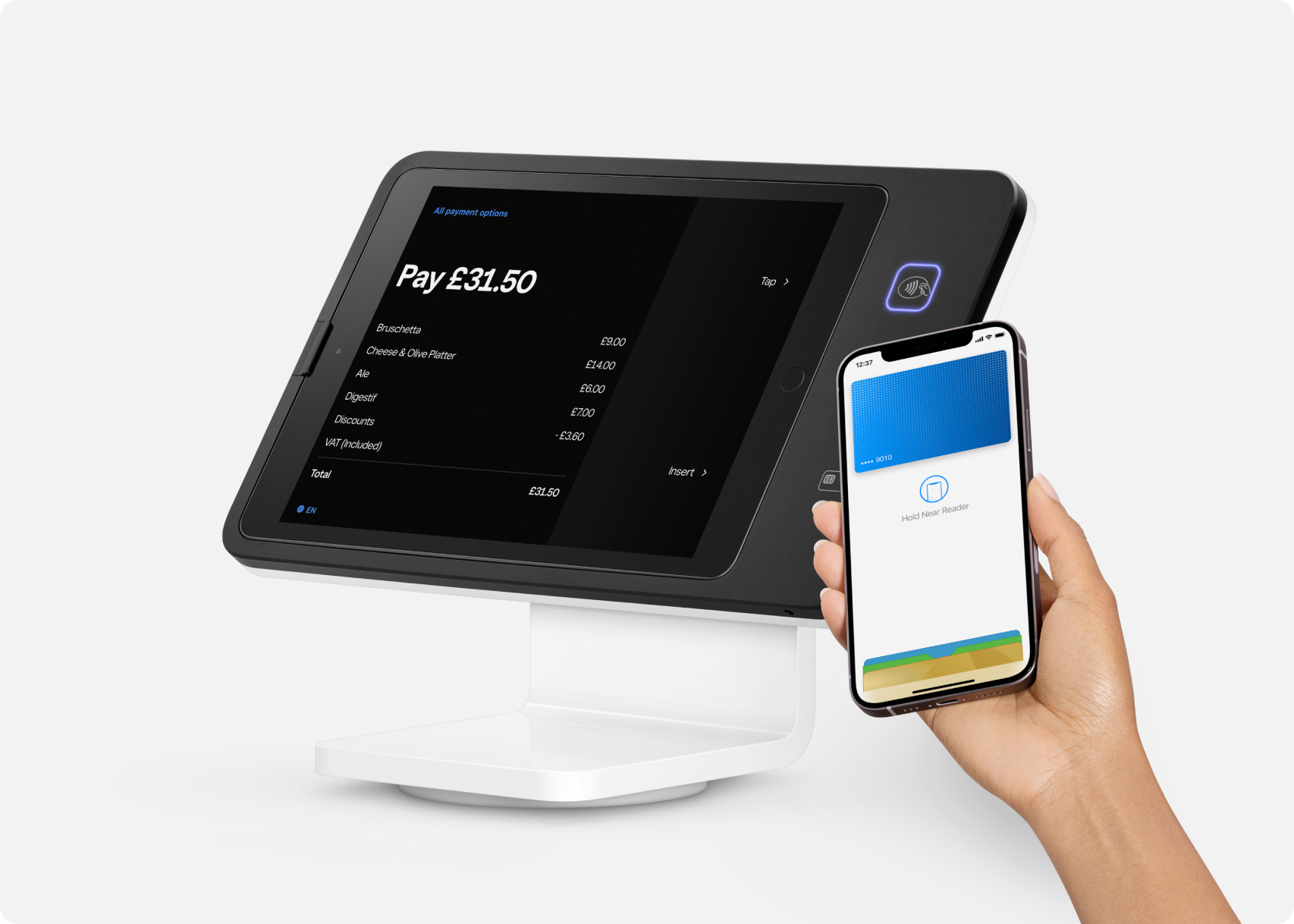
- Mobile Payments: Seamless integration with Apple Pay and Google Pay, catering to the growing trend of digital wallets.
- Online Payments: Through integrations with e-commerce platforms and a customizable online store, extending sales reach beyond physical locations.
- Invoicing and Virtual Terminals: For businesses that need to bill clients remotely or accept payments over the phone, ensuring financial inflows even without a physical presence.
- Gift Cards: Both physical and digital, which serve as a powerful tool for customer retention and pre-paid revenue generation.
By offering such comprehensive payment acceptance options, Square directly helps businesses broaden their potential customer base and cater to diverse financial preferences, thereby maximizing their revenue streams and improving financial accessibility for customers.
Beyond Payments: Expanding Financial Ecosystem Services
Square’s vision extends to managing a business’s money in its entirety. It offers several interconnected services that provide a holistic financial solution:
- Square Payroll: Simplifies a complex financial task by automating employee compensation, tax filings, and benefits administration. This tool ensures compliance and accuracy in one of a business’s largest financial outlays.
- Square Banking: Provides direct financial services, including business checking accounts, savings options, and small business loans. This integration means businesses can keep their funds within the Square ecosystem, often leading to quicker access to payouts and simplified financial management.
- Square Invoices: Streamlines the accounts receivable process, allowing businesses to create, send, and track professional invoices. This ensures timely payments and helps maintain healthy cash flow by minimizing delays in receiving due funds.
- Loyalty Programs: Financially incentivizes customer retention by rewarding repeat business. This fosters long-term customer relationships, leading to more consistent revenue.
These expanded services transform Square from a mere payment processor into a robust financial management platform, empowering businesses with the tools to manage their cash flow, expenses, and overall financial health more efficiently.
Understanding the Financial Mechanics: Fees, Payouts, and Reporting
A critical aspect of evaluating any financial tool for business is understanding its underlying mechanics – how money moves, what it costs, and what financial insights it provides. Square prides itself on transparency and simplicity in these areas, particularly regarding fees, payout schedules, and comprehensive reporting.
Transparent Pricing: A Simplified Financial Model

One of Square’s most significant financial advantages is its straightforward pricing model. Unlike traditional merchant accounts that often feature complex tiered pricing, monthly minimums, and hidden fees, Square typically operates on a flat-rate, per-transaction fee. For instance, a common fee might be a fixed percentage plus a small flat amount for card-present transactions, with a slightly higher rate for card-not-present transactions (e.g., online or invoiced payments).
This simplified financial model offers immense benefits for businesses, especially SMEs, as it makes financial forecasting and budgeting much easier. There are generally no monthly fees, no long-term contracts, and no surprise charges, which significantly reduces financial uncertainty. Businesses pay only when they process a transaction, aligning costs directly with revenue generation. While chargebacks (disputed transactions) do have financial implications and often involve a fee, Square also provides tools and support to help businesses mitigate these risks, protecting their financial interests.
Swift Payouts and Cash Flow Management
Efficient cash flow is the lifeblood of any business. Square understands this fundamental financial need and prioritizes swift access to funds. After a transaction is processed, the funds are typically deposited into a business’s linked bank account within one to two business days. This quick turnaround is crucial for maintaining operational liquidity and managing short-term financial obligations.
For businesses with immediate cash flow needs, Square also offers an “Instant Deposit” option, where funds can be transferred to a bank account almost instantly for a small additional fee (e.g., 1% of the deposit amount). This flexibility in payout schedules provides businesses with greater control over their finances, allowing them to react quickly to unexpected expenses or seize timely opportunities without waiting days for funds to clear. This direct and rapid access to earned revenue is a significant financial advantage.
Comprehensive Financial Reporting and Analytics
Beyond simply processing money, Square offers powerful tools for understanding it. Its dashboard provides comprehensive financial reporting and analytics, turning raw transaction data into actionable insights. Businesses can access a wide array of reports, including:
- Sales Summaries: Detailed breakdowns of daily, weekly, and monthly revenue.
- Transaction History: A full ledger of every payment received, including payment method and item details.
- Tax Reports: Simplified reports that help businesses prepare for tax season by categorizing taxable sales.
- Inventory Reports: Tracking the financial value of stock and identifying best-selling or slow-moving items.
- Customer Reports: Analyzing purchasing habits and lifetime value, aiding in targeted marketing and financial planning.
These reports are invaluable for financial management, aiding in budgeting, expense tracking, identifying trends, and making strategic decisions about pricing, staffing, and inventory. Square’s ability to integrate with popular accounting software like QuickBooks and Xero further streamlines financial reconciliation, ensuring accurate record-keeping and a holistic view of a business’s financial health.
Square’s Impact on Business Growth and Financial Management
Square’s innovative approach to payment processing and financial services has had a transformative impact on how businesses operate and grow. It has democratized access to essential financial tools, streamlined operations, and provided pathways for expansion that were once out of reach for many.
Democratizing Payment Acceptance: Leveling the Financial Playing Field
One of Square’s most profound impacts is its role in leveling the financial playing field for small businesses and entrepreneurs. By simplifying payment acceptance and lowering entry barriers, Square has enabled countless individuals and micro-businesses—from artisans at craft fairs to independent consultants and food truck operators—to participate fully in the modern economy. This accessibility has directly boosted their financial viability and expanded their market reach, allowing them to compete more effectively with larger entities. Without the need for costly traditional merchant accounts or specialized equipment, these businesses can focus their limited financial resources on product development, marketing, and customer service, rather than administrative overheads, fostering organic growth and self-sufficiency.
Streamlining Operations and Reducing Financial Overheads
The integrated nature of Square’s ecosystem significantly streamlines business operations, which in turn leads to substantial financial savings. By consolidating various processes—from sales and inventory management to invoicing, payroll, and banking—under a single platform, Square reduces the need for multiple, disparate software solutions and their associated costs. This centralization minimizes administrative time, reduces errors, and frees up valuable personnel to focus on revenue-generating activities. For a small business, saving hours each week on financial reconciliation or payroll processing translates directly into reduced labor costs and improved operational efficiency, which contributes positively to the bottom line. The cohesive platform helps in accurately tracking expenses against revenue, offering a clearer picture of financial performance.
Scalability and Adaptability for Evolving Financial Needs
Square’s system is designed with scalability in mind, making it an ideal financial partner for businesses as they grow and their monetary needs evolve. A start-up might begin with a basic card reader for mobile payments, but as it expands, it can seamlessly integrate more sophisticated financial tools like a full POS system, online store, employee management, and even business banking services. This adaptability means businesses don’t have to overhaul their entire financial infrastructure as they mature. The platform can grow with them, offering more complex financial reporting, multi-location management, and advanced inventory controls as required. This forward-compatibility ensures that Square remains a relevant and valuable financial solution, supporting a business through every stage of its growth cycle without disrupting established financial workflows.
Navigating the Square Ecosystem: A Comprehensive Financial Solution
Understanding “what is Square Payment” ultimately means recognizing it as a holistic financial solution rather than just a transaction processor. Its true power lies in the interconnectedness of its various tools and the wealth of financial data it provides, empowering businesses to make smarter, data-driven decisions.
The Interconnectedness of Financial Tools
The Square ecosystem is meticulously designed for seamless integration. Every component, from the POS system and online store to invoicing, payroll, and banking services, communicates and shares data. When a sale is made through the POS, it doesn’t just process a payment; it updates inventory, records the transaction in financial reports, and can even trigger loyalty points for a customer. Payroll data can link directly to business banking, streamlining salary payments and tax remittances. This interconnectedness ensures a unified and consistent flow of financial information across all touchpoints of a business. It eliminates data silos, reduces manual entry errors, and provides a singular, accurate source of truth for all financial operations, simplifying accounting and compliance significantly.
Making Informed Financial Decisions with Square Data
The greatest financial benefit of the integrated Square ecosystem is the ability it gives business owners to make informed decisions. By aggregating data from all services – sales trends, inventory turnover, customer purchasing patterns, payroll expenses, and banking activities – Square provides a comprehensive dashboard of a business’s financial health. This level of insight allows owners to:
- Optimize Pricing: Identify profitable products and services and adjust pricing strategies based on real-time sales data.
- Manage Inventory: Predict demand more accurately, reduce carrying costs, and prevent stockouts or overstocking, which directly impact cash flow.
- Control Expenses: Analyze payroll costs and other operational expenses against revenue to identify areas for financial optimization.
- Enhance Marketing: Understand customer spending habits to tailor marketing efforts more effectively, leading to higher conversion rates and improved return on investment.
- Strategic Planning: Use historical financial performance to forecast future revenue, set realistic budgets, and plan for expansion or investment with greater confidence.
This data-driven approach to financial management moves businesses beyond guesswork, empowering them to navigate challenges and capitalize on opportunities with strategic clarity.
In conclusion, Square Payment has evolved far beyond its initial identity as a simple payment processor. It stands today as a formidable financial partner for modern businesses, particularly SMEs, offering a robust suite of tools that simplify financial operations, enhance revenue generation, and provide critical insights for sustained growth. By democratizing access to comprehensive financial management capabilities, Square has not only changed “what is Square Payment” but has redefined how businesses approach their financial health and strategic development in the digital age.
aViewFromTheCave is a participant in the Amazon Services LLC Associates Program, an affiliate advertising program designed to provide a means for sites to earn advertising fees by advertising and linking to Amazon.com. Amazon, the Amazon logo, AmazonSupply, and the AmazonSupply logo are trademarks of Amazon.com, Inc. or its affiliates. As an Amazon Associate we earn affiliate commissions from qualifying purchases.