
In the competitive landscape of the global culinary industry, niche products serve as the ultimate litmus test for brand strategy and market positioning. Squab—the culinary term for a young, domesticated pigeon—is a prime example of a specialized commodity that transcends basic consumption to occupy a high-value niche in the luxury dining market. For brands operating within the gastronomic sector, understanding the distinction between a commodity and an exclusive offering is the difference between surviving in a saturated market and thriving through premium brand identity.
Defining the Asset: The Squab in the Culinary Ecosystem
To the average consumer, squab is simply food. To a high-end restaurateur or a boutique supplier, squab is an asset class. Identifying what squab food represents requires looking past the protein itself and into the narrative of provenance, scarcity, and specialized production.
The Value Proposition of Niche Proteins
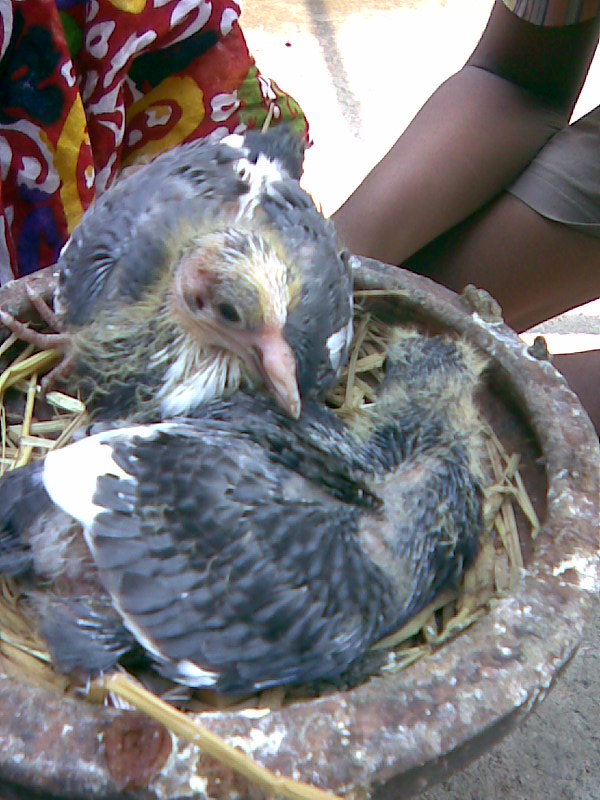
Unlike mass-market proteins like chicken or turkey, squab is defined by its specific life cycle. Harvested typically at four weeks of age, before the bird has learned to fly, the meat remains tender and delicate, with a flavor profile often described as dark, rich, and closer to game meat than typical poultry. From a business branding perspective, this is a “differentiated product.” It does not compete on price; it competes on rarity and sensory experience.
The Economics of Scarcity
Because squab cannot be mass-produced with the same mechanical efficiency as other livestock, it remains a luxury item. For businesses looking to capture a specific demographic, aligning a brand with such a product creates an immediate association with quality and sophistication. The scarcity of squab acts as a gatekeeper, naturally filtering the consumer base to those willing to pay a premium for a refined experience.
Strategic Brand Positioning: From Product to Experience
The success of any niche food product relies heavily on the storytelling and strategy surrounding its delivery. When a brand decides to incorporate or feature squab, it is not merely adding a menu item; it is making a statement about its own brand identity.
Targeting the High-End Consumer
The demographic that seeks out squab is generally affluent, culturally curious, and deeply invested in the “fine dining” narrative. Brand strategy here involves positioning the product as an exclusive access point. Marketing materials should not focus on the bird as a nutritional staple, but rather as an artisanal ingredient that reflects the chef’s technical skill and the restaurant’s commitment to culinary excellence.
Crafting the Narrative of Provenance
In modern luxury branding, provenance is everything. Consumers want to know where the squab was raised, how it was fed, and the history of the farm. A brand that leverages transparency regarding these details effectively builds trust and authority. By positioning the supplier as a partner rather than a vendor, a business can elevate its own corporate identity, proving that it cares about the ethics and quality of the supply chain—a significant factor for the modern, conscious consumer.
The Financial Architecture of Luxury Food Businesses

Moving into the “Money” category of food enterprise, managing high-cost, low-volume goods like squab requires a distinct financial framework. Unlike high-turnover fast-casual business models, the squab-focused restaurant or supplier relies on high margins and impeccable inventory management to maintain profitability.
Margin Management in Specialty Goods
Because the cost of goods sold (COGS) for squab is significantly higher than for standard poultry, the pricing strategy must reflect a premium value. Businesses often utilize a “prestige pricing” model, where the price is set not just to cover costs and a percentage of profit, but to reinforce the item’s perceived value. If squab were priced too low, the consumer would doubt its quality. Therefore, the financial strategy is inherently linked to the branding strategy: the higher price point protects the product’s identity as an elite culinary asset.
Inventory Control and Waste Mitigation
Waste is the primary enemy of any niche food business. Squab is a perishable, high-cost item. Managing inventory effectively requires precise demand forecasting. Businesses that excel in this sector often use data-driven financial tools to track seasonal demand trends, ensuring that the supply is sufficient to meet high-end client expectations without incurring the losses associated with spoilage. This is a crucial element of business finance: the ability to balance the exclusivity of a product with the rigid demands of a balanced ledger.
Marketing Strategies for Niche Culinary Brands
How does one successfully bring a product as specific as squab to the attention of its target market without diluting its brand? The answer lies in targeted, experiential marketing and building a strong personal brand for the chefs and suppliers involved.
Leveraging the Power of Influencer and Chef Identity
In the culinary world, the “personal brand” of the executive chef or the boutique farm owner acts as the primary vehicle for marketing. When a well-regarded chef features squab in a signature dish, they are essentially endorsing the product through their own reputation. For businesses, this means investing in partnerships with culinary professionals whose brands align with the prestige of the ingredient. This is a classic example of “influencer marketing” in its most authentic, professional form.
Digital Strategy and Visual Storytelling
Visual content is paramount when marketing high-end food. The presentation of squab—often featuring the bird’s distinct, dark appearance and elegant plating—must be communicated through high-quality photography and video content. A cohesive visual identity across social media and digital platforms helps build a brand image that screams quality. For a food-based business, the digital presence is your showroom; it must be as meticulously curated as the dish being served.
The Future of Niche Culinary Commodities
As consumer interest in heritage breeds and sustainable, artisanal food production grows, the market for products like squab is likely to expand within the luxury sector. However, the principles of business strategy will remain consistent: the product must maintain its scarcity, the storytelling must remain authentic, and the financial management must remain disciplined.
The Shift Toward Direct-to-Consumer Models
With the rise of e-commerce, some producers are bypassing traditional distribution channels to sell directly to the home gourmet. This shift changes the financial model entirely. By moving to a direct-to-consumer (DTC) model, brands can capture more of the margin, build direct relationships with their clientele, and control every aspect of the customer journey from the farm to the table. This is a burgeoning opportunity for small-scale operations to establish themselves as authority figures in the niche protein market.

Sustaining Brand Authority
To remain competitive, brands must avoid the temptation to scale too quickly or sacrifice quality for volume. The identity of a “squab-focused brand” is predicated on its status as an elite, curated choice. As long as the business maintains its focus on quality, provenance, and the exceptional sensory experience that squab provides, it will continue to command the attention of the high-end market.
In conclusion, understanding what squab is goes far beyond the culinary definition. It is a lesson in how to build a business around a niche product. By understanding the intersection of brand strategy, financial precision, and high-quality marketing, businesses can leverage specialized culinary assets to build a sustainable, prestigious, and highly profitable enterprise. The squab is not merely food; it is an opportunity for those who understand how to brand, price, and sell excellence.
aViewFromTheCave is a participant in the Amazon Services LLC Associates Program, an affiliate advertising program designed to provide a means for sites to earn advertising fees by advertising and linking to Amazon.com. Amazon, the Amazon logo, AmazonSupply, and the AmazonSupply logo are trademarks of Amazon.com, Inc. or its affiliates. As an Amazon Associate we earn affiliate commissions from qualifying purchases.