
In the competitive landscape of the 21st-century marketplace, the difference between a commodity and a household name rarely lies in the product’s technical specifications alone. While features and pricing are the skeletal structure of a business, there is an intangible element that breathes life into the organization, driving consumer loyalty and internal alignment. This element is “Brand Spirit.”
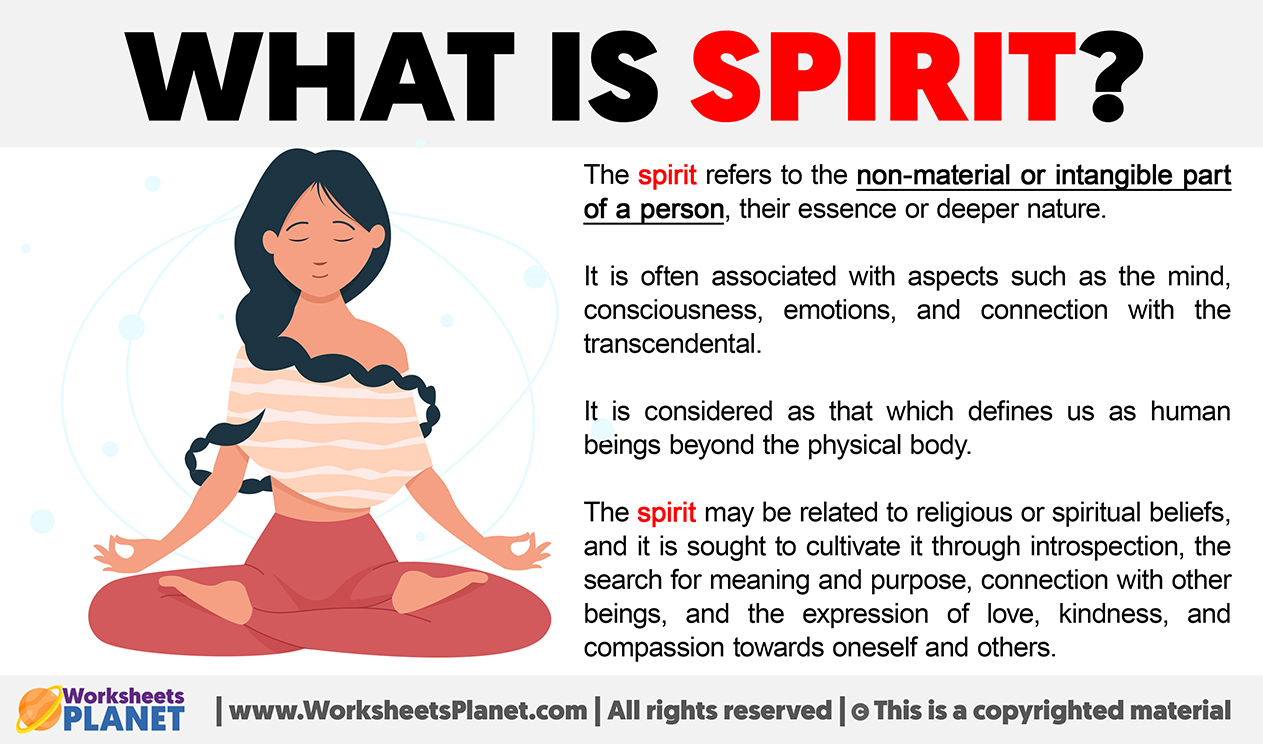
Defining what spirit is within a brand context requires looking past the visual identity—the logos, the color palettes, and the typography—to the core essence that dictates how a company behaves, communicates, and evolves. Spirit is the psychological and emotional heartbeat of a brand. It is the “why” behind the “what,” and in an era of hyper-transparency and social consciousness, it has become the most critical asset a company can possess.
The Anatomy of Brand Spirit: Beyond Logos and Taglines
To understand what spirit is, we must first distinguish it from brand identity. If identity is the face a brand presents to the world, spirit is the personality and character that lie beneath. It is the internal compass that ensures consistency across every touchpoint, from high-level marketing campaigns to customer service interactions.
The Core Values Framework
The foundation of a brand’s spirit is its core values. These are not merely words on a boardroom wall; they are the non-negotiable principles that guide decision-making. When a brand’s spirit is healthy, these values act as a filter. For instance, if “innovation” is part of a brand’s spirit, the company will naturally prioritize research and development over safe, incremental updates. This spirit becomes palpable to the consumer, who perceives the brand as a leader rather than a follower.
Purpose-Driven Identity
Modern consumers, particularly Millennials and Gen Z, are increasingly seeking brands that align with their personal beliefs. A brand’s spirit is often articulated through its “purpose”—the reason it exists beyond making a profit. When a brand identifies its spirit with a larger mission, such as environmental sustainability or social justice, it transcends the transactional. This purpose-driven spirit transforms customers into advocates, creating a community of believers rather than just a database of buyers.
Cultivating Spirit: The Intersection of Culture and Branding
A brand’s spirit cannot be manufactured by an advertising agency alone; it must be cultivated from within. There is an inextricable link between corporate culture and brand spirit. If the internal culture is toxic or disconnected from the external promise, the brand spirit will eventually fracture, leading to a “brand promise gap.”
Internal Alignment: The Employee Experience
The true stewards of a brand’s spirit are its employees. When employees understand and embody the spirit of the organization, they become authentic brand ambassadors. This alignment starts with recruitment—hiring for “culture fit” and “spirit fit” rather than just technical skill. When the spirit of a brand is infused into the employee experience, it manifests in the way staff treat customers, how they solve problems, and how they innovate. A company like Zappos, for example, has a spirit defined by “delivering happiness,” which is practiced internally before it is ever projected externally.
Authenticity in a Digital Age
In the age of social media, any disconnect between a brand’s stated spirit and its actual behavior is quickly exposed. Authenticity is the currency of modern branding. A brand with a strong spirit is one that is “radically consistent.” Whether it is responding to a crisis or launching a new product, the brand’s actions must reflect its core essence. Spirit is what prevents a brand from jumping on every trend or viral movement if those movements do not align with who the brand fundamentally is.
Measuring the Intangible: The Economic Value of Brand Spirit

While “spirit” may sound like a soft concept, it has tangible financial implications. In the world of finance and brand valuation, the spirit of a brand contributes significantly to “goodwill” and brand equity. It is the factor that allows a company to command a premium price in a saturated market.
Customer Loyalty and the Emotional Premium
When a brand successfully communicates its spirit, it moves from the “functional” level to the “emotional” level of the customer relationship. Customers are willing to pay more for a product if they feel a sense of belonging or shared identity with the brand. This is the “emotional premium.” For example, a consumer might buy a specific brand of coffee not because it tastes significantly better than a cheaper alternative, but because the brand’s spirit of “ethical sourcing” or “artisan craft” makes the consumer feel better about their purchase.
Spirit as a Competitive Moat
In business strategy, a “moat” is a competitive advantage that protects a company from rivals. A well-defined brand spirit is one of the most difficult moats to replicate. A competitor can copy your product features, match your pricing, and even mimic your advertising style, but they cannot easily replicate the unique “spirit” that resonates with your specific audience. This intangible asset provides long-term stability and resilience against market fluctuations.
Case Studies: Brands That Mastered the Art of Spirit
Examining successful global brands reveals how a clearly defined spirit can lead to market dominance. These companies do not just sell products; they sell a worldview.
The Spirit of Innovation: Apple’s Design Ethos
Apple is perhaps the most cited example of brand spirit. From its “Think Different” era to the present, Apple’s spirit is defined by a relentless focus on simplicity, elegance, and the intersection of technology and the liberal arts. This spirit informs everything from the minimalist design of their retail stores to the intuitive user interface of their software. Apple customers do not just buy a phone; they participate in a spirit of “creative empowerment.”
The Spirit of Responsibility: Patagonia’s Environmental Mission
Patagonia’s brand spirit is so strong that it often takes precedence over its sales goals. By famously running ads telling customers “Don’t Buy This Jacket” (to encourage repair and reuse), Patagonia solidified a spirit of environmental stewardship. This authenticity has built a level of brand loyalty that is almost religious in its fervor. Their spirit is not a marketing tactic; it is the core of their business model, which involves donating profits to environmental causes and fighting for land conservation.
Future-Proofing Your Brand Spirit
As we look toward a future dominated by Artificial Intelligence, automation, and shifting geopolitical landscapes, the “spirit” of a brand will become more important than ever. As functional tasks become commoditized by technology, the human element—the spirit—will be the primary differentiator.
Adapting Spirit to New Media
The platforms we use to communicate are constantly changing, from the rise of short-form video on TikTok to the potential of the Metaverse. However, while the medium changes, the spirit must remain constant. A brand’s spirit provides the “tonal guardrails” for how it should behave on new platforms. Without a strong spirit, a brand risks losing its identity as it tries to keep up with the rapid pace of digital evolution.
Conclusion: The Enduring Power of Identity
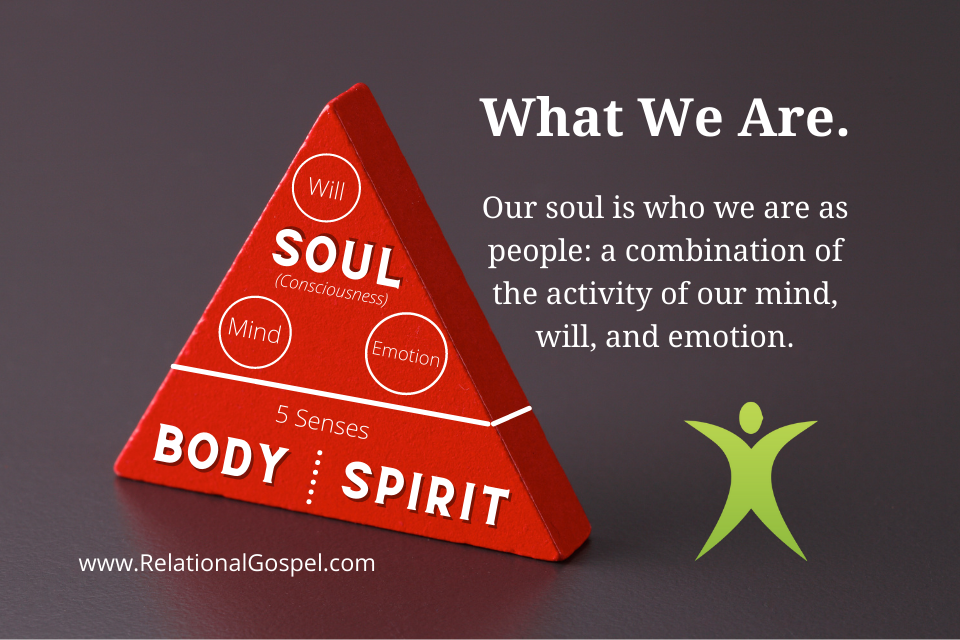
What is spirit? In the context of brand strategy, it is the invisible thread that connects a company’s history, its values, its people, and its customers. It is the soul of the business. Companies that ignore their spirit in favor of short-term gains often find themselves adrift in a sea of sameness. Conversely, those that define, cultivate, and protect their spirit build more than just a business—they build a legacy.
To build a brand with spirit is to build a brand that matters. It requires a deep understanding of one’s purpose and a commitment to authenticity that transcends the balance sheet. In the end, the spirit of a brand is what remains when the products are gone; it is the memory of the experience and the values that the brand stood for. For the modern strategist, the task is clear: find the spirit, nurture it, and let it lead the way.
aViewFromTheCave is a participant in the Amazon Services LLC Associates Program, an affiliate advertising program designed to provide a means for sites to earn advertising fees by advertising and linking to Amazon.com. Amazon, the Amazon logo, AmazonSupply, and the AmazonSupply logo are trademarks of Amazon.com, Inc. or its affiliates. As an Amazon Associate we earn affiliate commissions from qualifying purchases.