
In the landscape of global intellectual property, few icons command as much recognition, loyalty, and revenue as Spider-Man. While fans of the comic books and films might immediately point to “Ethyl Chloride” or the safety of Aunt May as Peter Parker’s primary vulnerabilities, brand strategists and corporate identity experts view “weakness” through a different lens. For a brand valued in the billions, a “weakness” is not a physical threat but a structural, strategic, or market-driven liability.
Spider-Man is more than a character; he is a cornerstone of the Marvel Cinematic Universe (MCU), a titan of Sony’s film slate, and a dominant force in the global toy and gaming markets. However, even the most successful brands have Achilles’ heels. To understand what Spider-Man’s weakness truly is from a brand strategy perspective, we must look at the complexities of dual ownership, the risks of market saturation, and the delicate balance between relatable heritage and modern evolution.
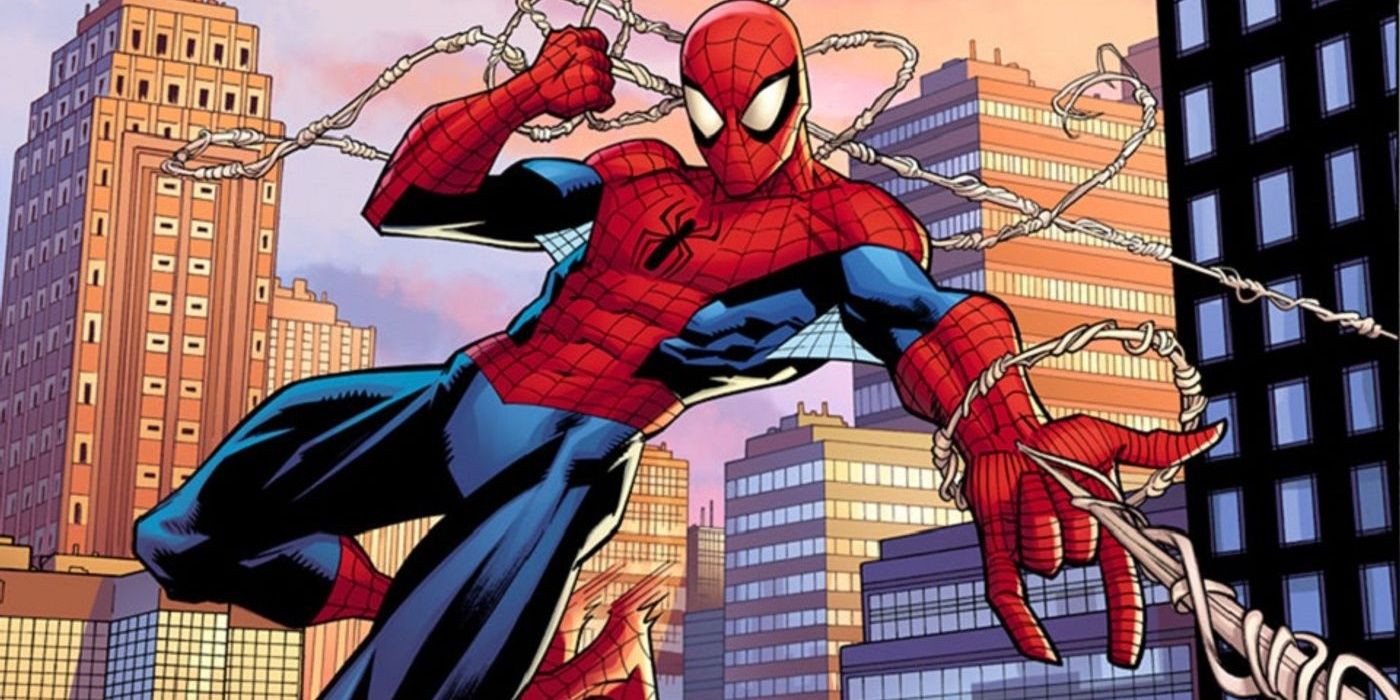
The Fragmented Identity: The Licensing Labyrinth as a Structural Weakness
One of the most significant weaknesses of the Spider-Man brand is not found within the narrative of the stories, but within the legal contracts that govern his existence. Unlike Batman or Superman, who are wholly owned by Warner Bros. Discovery (via DC), Spider-Man’s brand identity is split between two of the world’s largest entertainment conglomerates: Sony Pictures and Disney (Marvel).
The Perils of Shared Stewardship
In the world of brand strategy, “Brand Clarity” is paramount. A brand should ideally have a single “Source of Truth” to ensure consistent messaging and quality control. Spider-Man, however, operates under a complex licensing agreement where Sony holds the film rights while Disney/Marvel holds the merchandising and television rights. This creates a strategic weakness: the brand cannot pivot quickly.
When two different corporate cultures are responsible for the same asset, the brand risks becoming a “camel”—a horse designed by a committee. Every major decision regarding the character’s cinematic direction involves high-stakes negotiations, as seen in the 2019 brief “divorce” between Sony and Disney. For a brand, this instability is a major vulnerability, as it creates uncertainty for long-term marketing campaigns and consumer expectations.
Brand Dilution via the “Spider-Verse”
To maximize their share of the IP, Sony has developed the “Sony’s Spider-Man Universe” (SSU), featuring characters like Venom and Morbius, often without the central figure of Peter Parker. While financially lucrative in the short term, this creates brand confusion. Is every Spider-related character a “Marvel” character? Does a failure in a spin-off film like Madame Web damage the “Spider-Man” brand equity? From a corporate identity standpoint, the “Spider-Man” name is being stretched across too many sub-brands, some of which do not share the same quality standards, leading to potential brand dilution.
Market Saturation and the Paradox of Ubiquity
In branding, there is a fine line between being “omnipresent” and being “common.” Spider-Man’s greatest strength—his massive popularity—is also a strategic weakness in terms of market saturation. When a brand is everywhere, it risks losing the “premium” feel that drives long-term engagement.
The “Super-Hero Fatigue” Factor
Spider-Man currently exists across multiple mediums simultaneously: blockbuster live-action films, acclaimed animated “Spider-Verse” features, high-end AAA video games on PlayStation, and countless animated series for children. While this maximizes reach, it creates a “ceiling” for brand growth.
When a brand occupies every possible niche, it leaves no room for the “scarcity principle” to drive demand. If there is always a new Spider-Man product on the horizon, the “event” status of each release diminishes. For brand managers, the weakness here is the inability to create a “comeback” or a “re-launch” because the character never goes away. This relentless exposure can lead to consumer burnout, where even high-quality content struggles to break through the noise of the brand’s own previous successes.
Cannibalizing Sub-Brands
The introduction of multiple “Spider-People”—Miles Morales, Gwen Stacy, Spider-Ham—is a brilliant strategy for reaching diverse demographics. However, from a brand architecture perspective, it introduces the risk of cannibalization. If a consumer’s “favorite” Spider-Man is Miles Morales, their engagement with the Peter Parker iteration may decrease. Managing a “House of Brands” (multiple Spider-characters) versus a “Branded House” (one central Spider-Man) requires immense strategic precision to ensure that the sub-brands don’t compete for the same limited consumer dollars and attention spans.
The Everyman Trap: The Constraints of Relatability
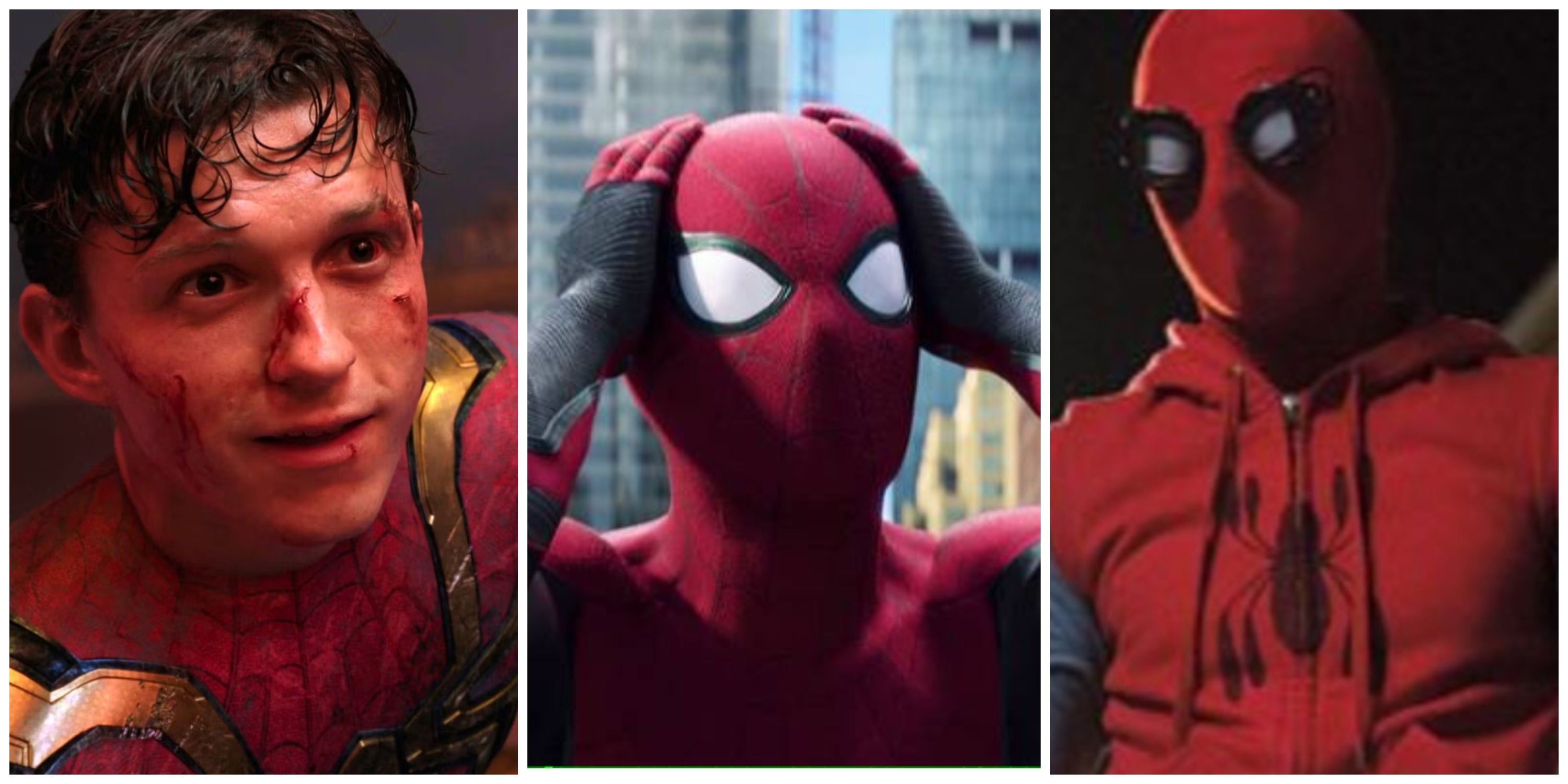
The core of Spider-Man’s brand identity is the “Everyman” archetype. Unlike the billionaire tech-mogul Tony Stark or the god-like Thor, Peter Parker is defined by his struggles with rent, relationships, and reliability. This relatability is his strongest brand pillar, but it also functions as a strategic weakness that limits the brand’s ability to evolve.
The Stagnation of the “Eternal Youth” Narrative
In brand strategy, a brand must often grow with its audience to maintain “Lifetime Value” (LTV). However, Spider-Man is frequently “reset” to his high school or college years to maintain his relatability to new generations of children. This creates a “Brand Stagnation” weakness.
By keeping Peter Parker in a state of perpetual struggle and youth, the brand struggles to cater to the aging demographic that grew up with him. While the “Spider-Verse” films have attempted to address this by showing an older, disheveled Peter B. Parker, the core commercial brand (especially in merchandising) remains tethered to the young student. This prevents the brand from exploring more mature, sophisticated brand extensions that could appeal to a high-net-worth adult demographic, a strategy that the Batman brand has executed with much more success.
The Vulnerability of the “Secret Identity” in a Digital Age
From a marketing perspective, the “Secret Identity” is a plot device, but for the brand, it represents the “Mystery” element of the brand story. In the modern era of digital transparency, social media, and surveillance, the concept of a secret identity feels increasingly dated.
The Spider-Man brand faces a challenge: how to keep the character’s core “secret” relevant in a world where “transparency” is a valued brand trait. When Spider-Man: No Way Home centered on the consequences of his identity being revealed, it was a meta-commentary on the brand’s own struggle. The weakness here is that the brand is built on a 1960s trope that clashes with 2024 consumer values regarding authenticity and public personas.
Monetization vs. Artistic Integrity: The Merchandising Trap
Spider-Man is the undisputed king of superhero merchandising, reportedly generating over $1 billion in annual retail sales—far outpacing the Avengers or Batman. However, this financial success creates a “Merchandising Trap,” which is a significant weakness for the brand’s long-term artistic health.
Design Driven by Toy-Sales
When a brand is so heavily reliant on toy sales, the creative decisions (the “Product”) are often dictated by the merchandising department (the “Marketing”). This is why Spider-Man receives a new suit in almost every movie. While this creates new SKUs for retailers, it can alienate the core audience who perceives these changes as cynical “cash grabs.”
When the “Why” of a brand becomes “to sell more plastic,” the brand’s “Brand Soul” begins to erode. The weakness here is a shift from “Brand-Led Design” to “Sales-Led Design.” Over time, this can lead to a loss of brand prestige, as the intellectual property starts to feel like a commercial utility rather than a cultural icon.
The Risk of Over-Discounting and Down-Market Drift
Because Spider-Man is so successful in the “Mass Market” (Target, Walmart, etc.), the brand risks “Down-Market Drift.” If a brand is perceived as a “discount” or “kids-only” product, it loses its ability to partner with luxury or lifestyle brands. While Spider-Man has had successful collaborations (such as with Nike for the Spider-Verse Jordans), the sheer volume of low-quality, licensed “filler” products—from branded toothpaste to cheap party favors—can drag down the overall brand perception. The weakness is the lack of “Scarcity Marketing,” which is essential for maintaining a brand’s aspirational status.
Conclusion: Turning Vulnerability into Resilience
What is Spider-Man’s weakness? In the world of Brand Strategy, it is the complexity of his own success. The brand is caught in a web of conflicting ownership, the pressure of constant monetization, and the challenge of staying relatable in a rapidly changing cultural landscape.
However, recognizing these weaknesses is the first step in mitigating them. To ensure Spider-Man remains the world’s premier superhero brand for the next sixty years, the stewards of his IP must:
- Harmonize the Partnership: Ensure that the Sony/Disney collaboration remains focused on quality over quantity.
- Manage the Portfolio: Treat Miles Morales and Peter Parker as distinct brand assets with different target demographics to avoid cannibalization.
- Prioritize Brand Soul: Guard against “Merchandising Fatigue” by ensuring that every new suit or gadget serves a narrative purpose, not just a retail one.
Spider-Man’s “weakness” is that he is too valuable to let rest. But if handled with strategic care, the very things that make him vulnerable—his humanity, his relatability, and his massive scale—will continue to be the pillars of his enduring global legacy.
aViewFromTheCave is a participant in the Amazon Services LLC Associates Program, an affiliate advertising program designed to provide a means for sites to earn advertising fees by advertising and linking to Amazon.com. Amazon, the Amazon logo, AmazonSupply, and the AmazonSupply logo are trademarks of Amazon.com, Inc. or its affiliates. As an Amazon Associate we earn affiliate commissions from qualifying purchases.